Careers advice
How to become a baker in New Zealand
Discover how to become a baker in New Zealand, from baking apprenticeships and qualifications to pay rates and jobs.
Last updated: 19 August 2026

Becoming a baker or pastry chef is a great career move in hospitality.
If you love precise measurements and the smell of hot bread, turning your baking passion into a career is a rewarding move. Across Aotearoa, bakers play an essential role in our hands-on industries, keeping cafes, craft bakeries, supermarkets, and commercial plants supplied with fresh goods every day.
Baking is a practical trade where skill and consistency pay off. In this guide, we'll break down daily duties, training pathways, required skills, salary expectations, and how to land your first baking job.
What does a baker do?
Bakers prepare, mix, shape, bake, and finish a wide variety of baked goods. Depending on where you work, you might specialise in artisanal sourdoughs, sweet cakes and slices, savoury pies and sausage rolls, or large-scale wholesale production.
Daily tasks in a commercial bakery typically include:
- Weighing and measuring ingredients accurately according to commercial recipes.
- Operating commercial mixers, dough sheeters, dividers, provers, and deck or rack ovens.
- Kneading, shaping, and moulding dough for loaves, rolls, or specialty breads.
- Preparing fillings, icings, glazes, and pastry casings for pies, tarts, and cakes.
- Monitoring proving times and oven temperatures to maintain product consistency.
- Following strict food safety standards under the Food Act 2014, including hygiene, cleaning, and temperature logging.
Most bakeries run on early morning schedules. It's common to start work anywhere between 3 am - 5 am so that shelves and display cabinets are fully stocked before customers arrive for their morning coffee. Plant bakeries and large production facilities often operate 24-hour shift rotations, including night shifts and weekend work.
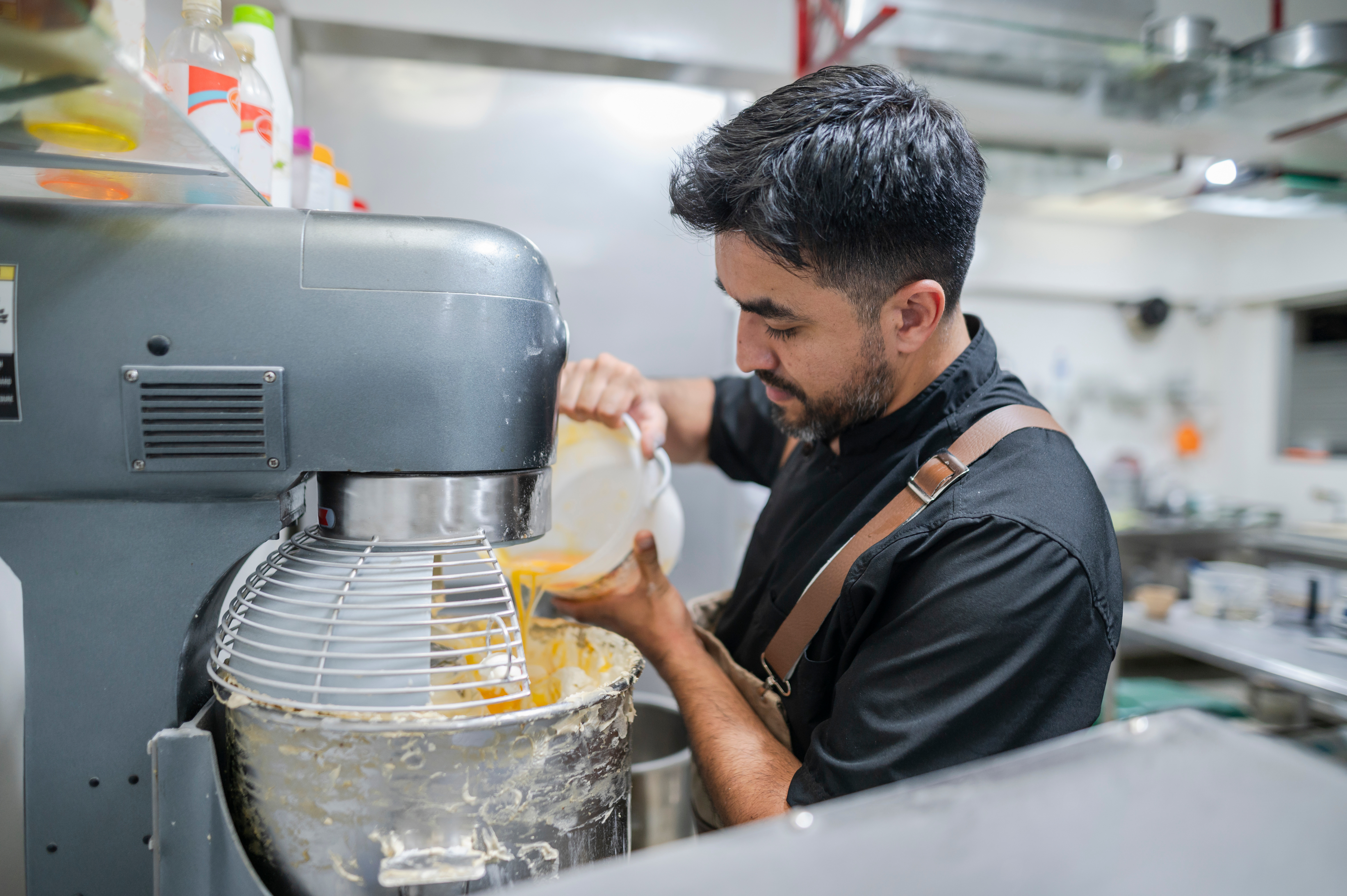
Early starts are common for bakers.
Pathways to become a baker in Aotearoa
You don't legally need a formal qualification to land an entry-level job in a bakery, like a bakery assistant or kitchen hand. Many employers are happy to hire entry-level staff who show reliability, physical stamina, and a strong work ethic, teaching them basic skills on the job.
However, if you want to become a fully qualified trade baker, earn higher pay, or step into supervisor and head baker roles, gaining a recognised qualification is the standard route. You've got two main training options in New Zealand.
1. Earn while you learn with a baking apprenticeship
An apprenticeship lets you work in a commercial bakery while completing unit standards toward a trade qualification. You earn a wage from day one and gain hands-on experience under the guidance of qualified bakers.
Work-based baking apprenticeships are coordinated through industry training organisations like Competenz. Through an apprenticeship, you'll work toward the New Zealand Certificate in Baking (Trade) (Level 4). This qualification offers specialisations in areas like:
- Craft baking (bread, pastry, or cake and biscuit focus for retail bakeries and cafes)
- Plant baking (automated, high-volume production facilities)
- In-store baking (supermarket bakery departments)
Apprenticeships usually take three to four years to complete and involve a mix of on-the-job practical assessments, theory workbooks, and occasional block courses.
2. Full-time tertiary study
If you'd prefer to gain formal qualifications before entering the workplace, full-time campus study is a great option.
Qualifications like the New Zealand Certificate in Baking (Generalist) (Level 4) and specialised pâtisserie diplomas are offered nationwide by providers such as Auckland University of Technology, Ara Institute of Canterbury, and Otago Polytechnic. These programmes range from one to two years of study and combine hands-on practice in commercial training kitchens with core subjects like baking science, recipe formulation, food safety, and cost calculations.
Essential skills for aspiring bakers
You don't need to be a master pastry chef on day one, but successful bakers usually bring a core set of practical and personal skills to the kitchen:
- Attention to detail and basic maths: Baking is science as much as art. Ratios, yeast activity, and oven timing require accuracy–a few extra grams of flour or ten extra minutes in the prover can ruin a batch.
- Physical stamina: You'll spend long shifts on your feet, lifting heavy 25 kg bags of flour, moving hot baking trays, and pushing heavy dough trolleys.
- Time management: Bakery production relies on strict schedules. You've got to coordinate mixing, proving, and baking multiple batches at once so everything finishes on time.
- Food hygiene and safety: Cleanliness isn't optional. Understanding cross-contamination, proper food storage, and sanitation practices is critical for every shift.
- Teamwork: Kitchens are fast-paced team environments. Clear communication with your team keeps production running smoothly during busy morning rushes.
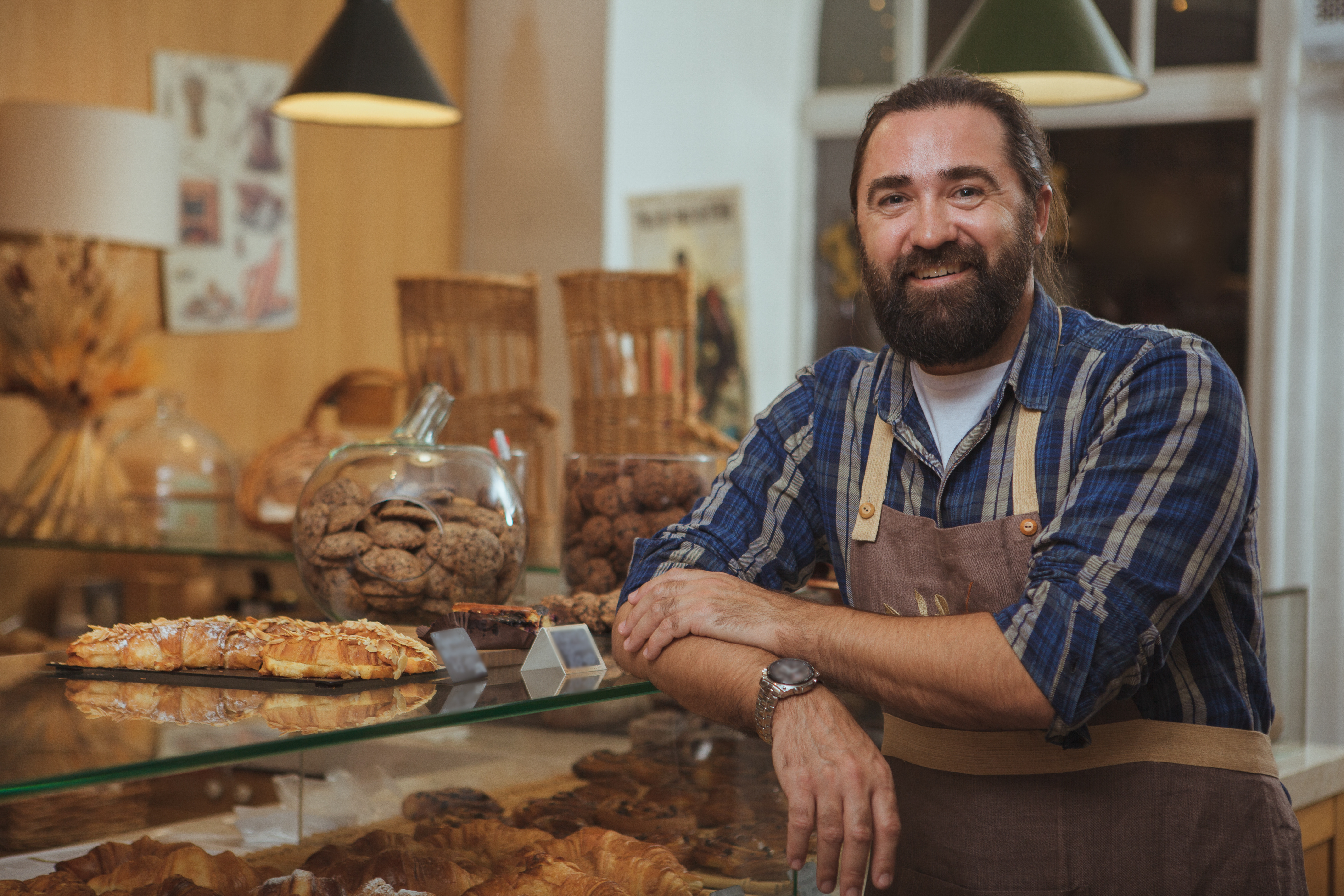
A variety of hands-on skills are required to be a successful baker.
How much do bakers earn in New Zealand?
Pay rates for bakers vary based on experience, qualifications, location, and the type of bakery you work in. Early morning or night shift allowances often boost take-home pay.
- Apprentices and entry-level bakery assistants: Typically earn between $23 and $26 per hour (around $48,000 to $54,000 per year full-time).
- Qualified craft or plant bakers: Earn between $28 and $33 per hour (around $58,000 to $68,000 per year).
- Head bakers, bakery managers, or specialist decorators: Earn between $33 and $40+ per hour (around $68,000 to $83,000+ per year).
Where to find baking jobs
Baking skills are in steady demand right across New Zealand, meaning qualified bakers often have great job security and flexible location choices. Key employers include:
- Boutique bakeries and patisseries: Focus on sourdoughs, artisan pastries, specialty cakes, and high-end baked goods.
- Supermarket bakeries: Large retailers like Pak'nSave, New World, and Woolworths hire dedicated baking teams for daily bread and pastry lines.
- Wholesale: Facilities like Goodman Fielder produce commercial bread and packaged baked goods for nationwide distribution.
- Cafes, hotels, and restaurants: Many hospitality venues employ dedicated bakers or pastry chefs to produce in-house cabinet food and desserts.
When you're ready to start applying, you can search specifically for baker roles or explore broader listings in Hospitality and tourism.
Ready to take the next step?
If you're ready to knead your passion into a practical career, start browsing current openings on Trade Me Jobs today. Set up a job alert for baker roles in your region so you're notified as soon as new positions are posted. While you're at it, setting up a Gold Job Profile means employers can find you too.
Author

Other articles you might like


