Careers advice

How to build a successful career in New Zealand farming: A guide

Discover the career pathways, training options, and salary expectations for a rewarding life on the land in Aotearoa.

Last updated: 17 April 2026

Farming is more than just a job in New Zealand; it’s the engine room of our economy and a lifestyle that offers a unique connection to the land. Whether you’re drawn to the high-tech world of modern dairy farming or the rugged hills of a sheep and beef station, the primary sector offers a massive range of opportunities for people who aren't afraid to get their hands dirty.

If you love working outdoors, enjoy physical challenges, and want a career where you can see the results of your hard work every day, farming could be your perfect match. Here is everything you need to know about getting started and growing your career in New Zealand's agricultural sector.

Why choose a career in farming?

Farming in Aotearoa has come a long way. Today, it’s a sophisticated industry that uses GPS technology, automated milking systems, and advanced environmental management.

Beyond the tech, the lifestyle benefits are a huge drawcard. Many farming roles include subsidised or free housing on-site, which is a massive win given the current cost of living. You’ll also find that the farming community is incredibly tight-knit, you aren't just joining a workforce; you’re joining a neighborhood.

Common career pathways in the primary sector
The "farming ladder" is a well-established path in New Zealand, particularly in the dairy industry. You don't need to own land to have a high-flying career; many people progress through management or partnership roles.

  • Entry-level (Farm Assistant): You’ll start by learning the ropes—milking, shifting fences, and basic livestock care.

  • Intermediate (Herd Manager or Assistant Manager): You’ll take on more responsibility for animal health, feed budgeting, and perhaps supervising a small team.

  • Management (Farm Manager): You’ll oversee the entire operation, from financial planning to staff management and environmental compliance.

  • Business Ownership (Contract Milker or Sharemilker): This is where you operate the farm as your own business, often owning the cows or sharing the profits with the landowner.


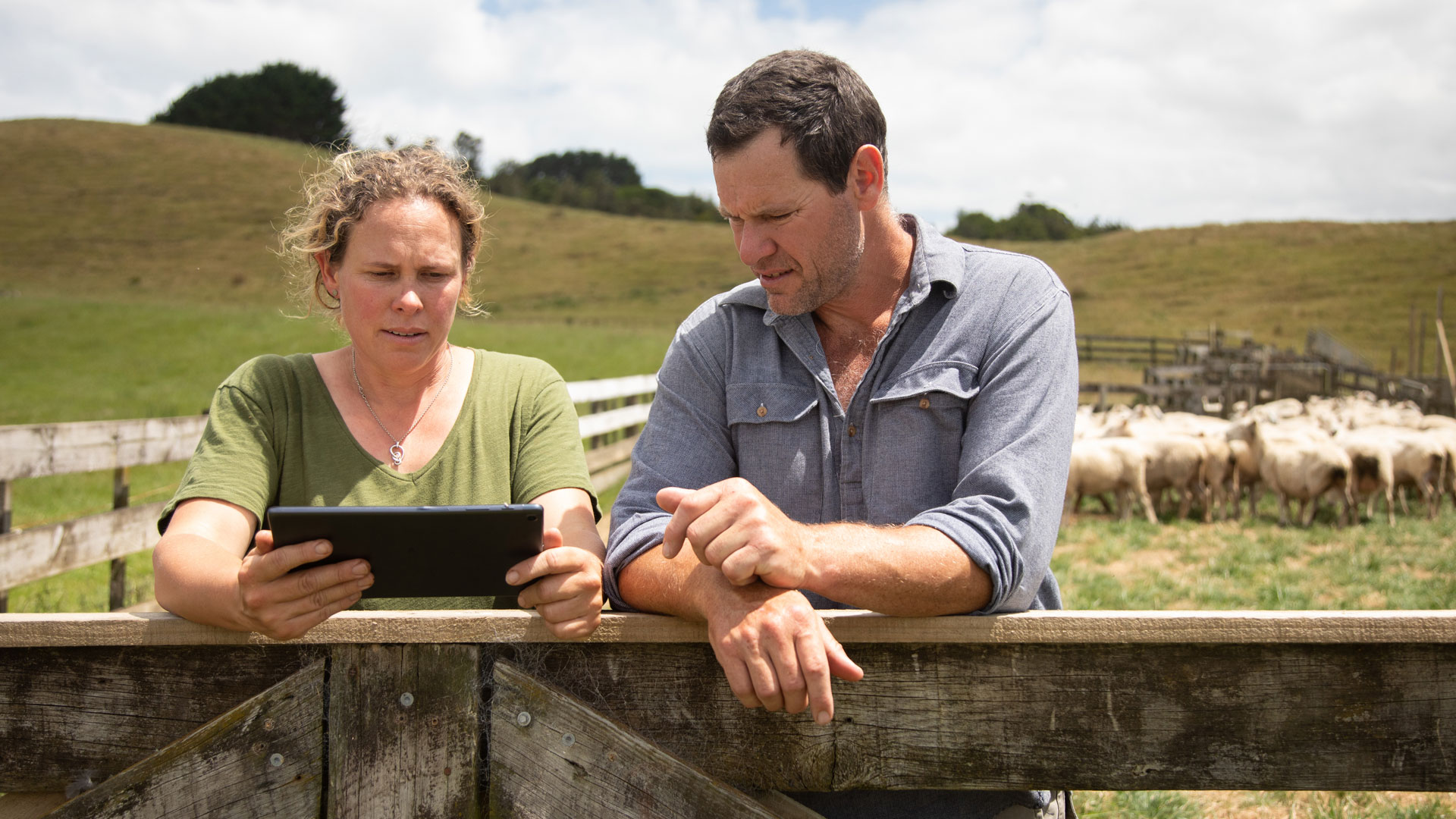
Technoloy and data are revolutionising farming in Aotearoa.

What you can earn: pay and perks

One of the best things about farming is that your "take-home" pay is often higher than it looks on paper because of the "perks."

  • Farm Assistants: Generally start between $55,000 and $65,000.

  • Farm Managers: Can earn anywhere from $80,000 to over $120,000 depending on the size of the farm and their level of experience.

  • The Perks: Many roles include a house (often with power and internet included), meat, and milk. In the dairy sector, these benefits can be worth an additional $15,000 to $25,000 per year.

Essential skills for the modern farmer

While being physically fit is important, modern farming requires a diverse toolkit of "soft" and "hard" skills.

  1. Problem-solving: Things go wrong on farms—pipes burst, tractors bog, and weather changes. You need to be able to think on your feet.

  2. Animal husbandry: You’ll need to develop a "stockman’s eye" to spot when an animal is unwell or under stress.

  3. Digital literacy: From using apps to track pasture growth to operating complex machinery, being tech-savvy is a huge advantage.

  4. Resilience: Farming is tied to the seasons. You’ll need to be okay with early starts in the winter and long hours during busy periods like calving or lambing.

Training and qualifications to get you started
You can certainly start as a "rookie" and learn on the job, but getting a formal qualification will help you climb the ladder faster and earn a higher salary. New Zealand has some world-class providers that offer everything from short certificates to full degrees.

Top training options in New Zealand:

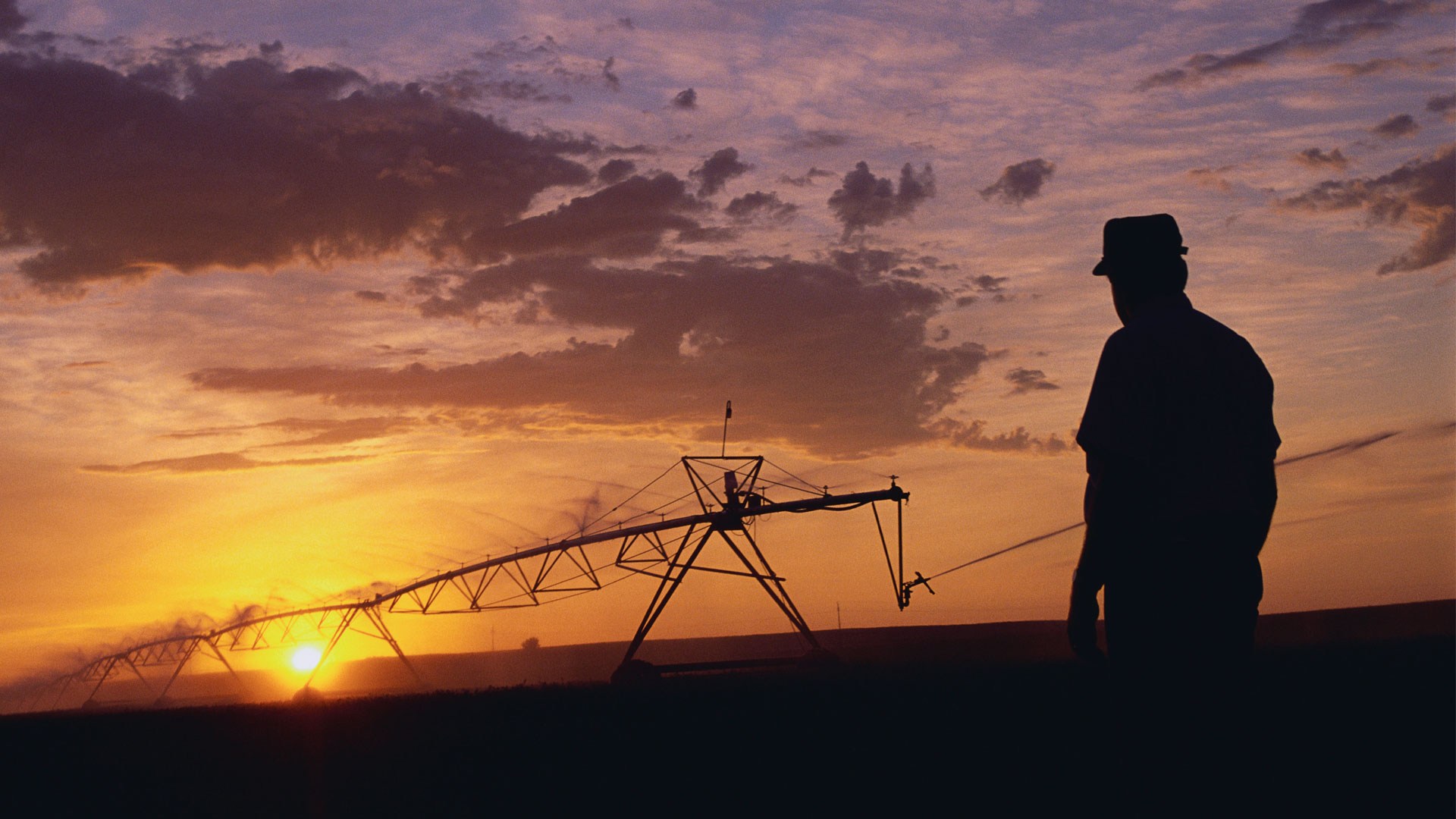
There are plenty of career growth options for farmers and farmhands in New Zealand.

How to land your first farm job

The primary sector is always looking for keen workers. To get noticed, highlight any hands-on experience you have, even if it’s not on a farm. Have you worked in construction? Can you drive a manual vehicle? Are you comfortable working in all weather conditions?

When you’re ready to apply, make sure your CV emphasizes your reliability and your willingness to learn. Farmers value people who show up on time and take pride in their work.

Check out our guide on how to write a CV for a career change with examples.

Ready to head out into the paddock?

Building a career in farming offers a clear path for progression, competitive "total package" earnings, and the chance to work in some of the most beautiful parts of Aotearoa. It’s not just about the early starts; it’s about being part of an industry that feeds the world. By starting with the right training and a "can-do" attitude, you can move from an entry-level assistant to a business manager in just a few years.

Start searching for your next farming role on Trade Me Jobs today.

Author

Trade Me Jobs Trade Me Jobs
Trade Me Jobs Content Writer

Written by one of our Trade Me Jobs experts - providing you with the latest information on the New Zealand job market.