Careers advice
How to prove you’re work-ready and land your first job
Essential tips for young Kiwi to master interviews, nail the dress code, and show employers you mean business.
Last updated: 29 June 2026
Starting out in the working world can feel a bit like trying to play a game where everyone else already knows the rules. If you're looking for your first proper job in New Zealand, you might have run into a common hurdle: employers saying they want someone who is "work-ready".
But what does that actually mean, and how do you prove you've got what it takes before you've even clocked your first shift?
Being work-ready isn’t about having a five-page CV filled with years of experience. Instead, it’s about mastering basic habits like showing up on time, looking the part, and bringing an eager attitude.
Let’s break down exactly how you can prepare yourself to stand out and become the candidate Kiwi hirers are looking for.

Show up early
In New Zealand, punctuality is a massive deal. If an interview or a shift starts at 9:00 AM, rocking up at 9:02 AM just won't cut it. To an employer, arriving late signals a lack of respect and poor organisation before you've even walked through the door.
Do a practice run: If you have an in-person interview, figure out your travel route the day before. Check the bus timetable, look at traffic patterns, or find out where the best parking is.
Aim for early: Plan your travel time to arrive 10 to 15 minutes before your scheduled slot. If you get there too early, you can always wait around the corner or in your car until it's time to head in.
Test your tech: If your interview is online via Zoom or Microsoft Teams, download the app and test your camera and microphone at least 15 minutes before the meeting starts.
Dress the part for the industry
You don’t always need to wear a formal suit to an interview, but you absolutely need to look tidy, clean, and put-together. Showing up looking like you just rolled out of bed tells the employer that you aren't serious about the opportunity.
For office, retail, or banking roles: Opt for smart-casual. This means tidy trousers or a skirt, a clean button-down shirt or blouse, and smart, clean shoes.
For hospitality, cafes, or trade roles: Choose a neat polo shirt or a clean shirt with tidy trousers or dark, unripped jeans. This shows you are practical, professional, and ready to move.
When in doubt, ask: There is zero shame in asking the hiring manager or recruiter about the dress code before you arrive. For a deeper look at getting your outfit right, check out our guide on making the right impression and how to dress for an interview.

Ace the interview by preparing for common questions
You don’t need to be a smooth-talking salesperson to nail a job interview. Kiwi employers just want to see that you're keen and that you can communicate clearly. You can easily build your confidence by checking out our ultimate guide on how to prepare for a job interview and practicing your answers out loud with a mate or family member.
Tip: When an interviewer asks about a challenge you've faced, you don't need workplace experience to answer. Talk about a sports game where your team was down, a tough school project, or a time you had to fix a mistake in a volunteer group.
Prepare simple answers for these three common questions:
"Tell me about yourself." Keep it brief. Talk about your interests, why you are keen on this specific industry, and one or two of your best traits. If you are stuck on what to say, read our tips on answering the 'tell me about yourself' interview question.
"Why do you want to work for us?" Do a quick online search of the business before you walk in. Saying "I love the fast-paced environment here and I've heard great things about your team culture" sounds a million times better than "I just need a job."
"What is your biggest weakness?" Employers ask this to see if you are self-aware. Be honest but positive—mention something you are actively working to improve. We've broken down exactly how to navigate this in our guide on how to answer the 'your biggest weakness' interview question.
For more examples of what you might get asked on the day, read through the most common NZ job interview questions (with answers).
Master the basic soft skills employers love
Businesses can easily teach you the technical parts of a job, but they can't easily teach you how to be a reliable, positive human being. These are called soft skills, and they are incredibly valuable. You can learn more about what Kiwi businesses look for in our breakdown of the top 10 soft skills employers are looking for in NZ.
Focus on showing off these three golden traits during your hiring process:
A willingness to learn: Be honest about what you don’t know yet. Follow it up with an active phrase like: "I haven't used that specific software or cash system before, but I'm a really fast learner and keen to pick it up."
Clear communication: Look people in the eye, offer a friendly greeting, say please and thank you, and listen carefully without interrupting.
A proactive attitude: Show that you have plenty of energy. Employers love workers who notice what needs doing next; like tidying a counter or prepping a workspace, rather than waiting around to be told every single step.
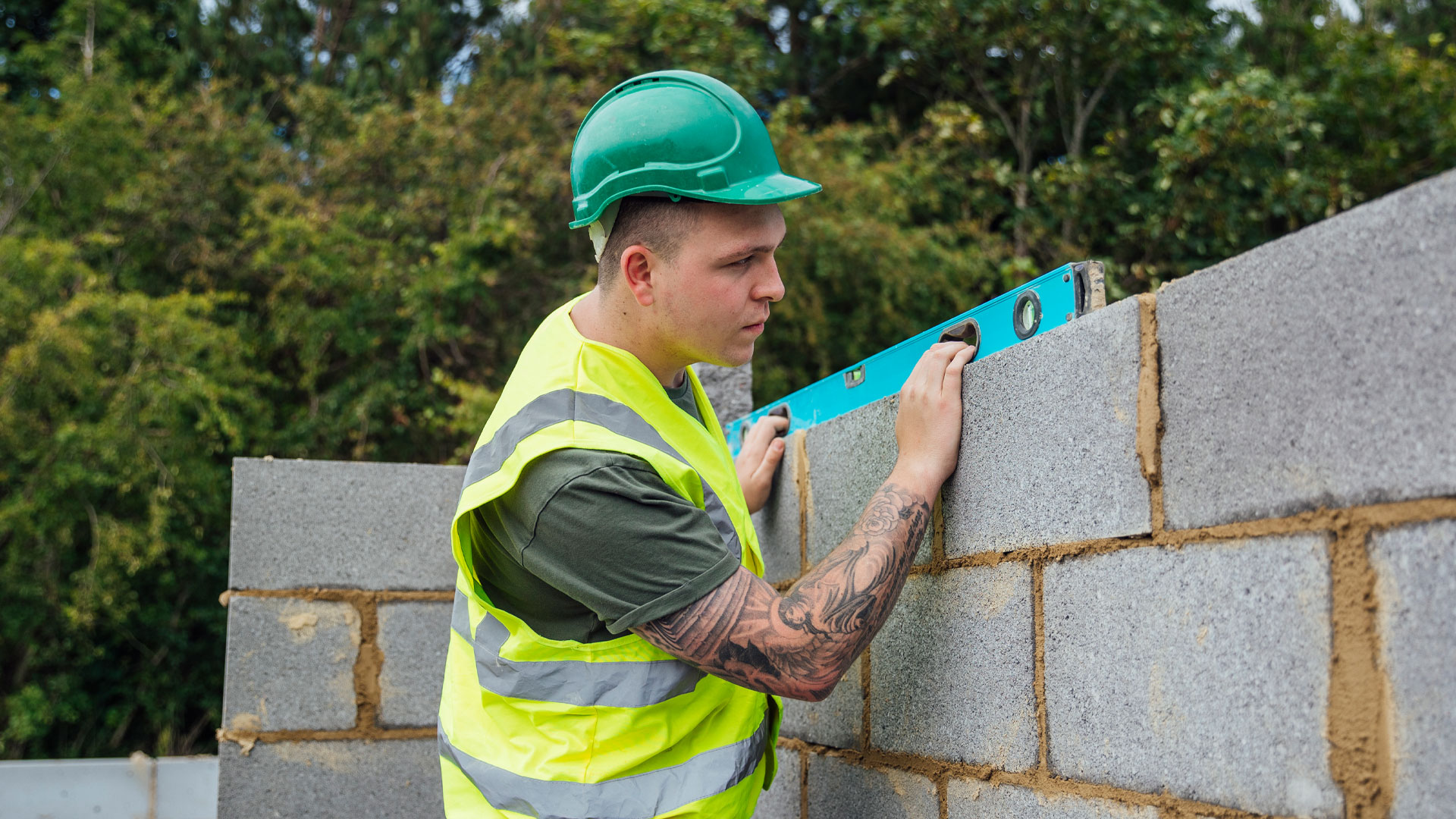
Top work-readiness courses and resources in New Zealand
If you want a bit of extra help to polish your CV, practice interviews, or build your confidence, several excellent, free programmes across Aotearoa focus specifically on getting young people ready for employment.
Consider checking out these top options to give your CV an edge:
Youth Employability Programme (YEP) by Youthtown – A fantastic nationwide programme that teaches essential employability skills and connects you with real-world work experience.
Careers New Zealand Tools – A government-backed resource featuring free CV builders, interview simulators, and interactive career planning guides.
Youth Inspire Employability Programmes – Free courses offering hands-on workshops, CV building, driver licensing support, and interview prep.
Youth Guarantee Fees-Free Courses – Practical tertiary study options for 16-to-24-year-olds to help you gain foundation skills completely fees-free.
Ready to put in the mahi?
Proving you're work-ready isn't about knowing everything on day one. It's about showing Kiwi employers that you are reliable, eager to learn, and professional from the very first moment you connect.
By turning up early, dressing appropriately, and practicing your interview responses, you will instantly lift yourself above the competition. Everyone has to start somewhere, and taking these small, practical steps proves to businesses that you're ready to turn up and work hard.
Get your career moving and check out the latest entry-level, graduate, and training roles on Trade Me Jobs today.
Author

Other articles you might like