Careers advice
Warehouse jobs in NZ: your complete career guide
How to start an entry-level warehousing career in New Zealand and climb the ladder through on-the-job training.
Last updated: 29 June 2026
If you are looking to kickstart your working life with zero prior experience, stepping into a warehouse role is one of the smartest moves you can make.
The warehousing and logistics sector keeps New Zealand moving, which means there is always a high demand for reliable hands-on workers. You do not need a fancy degree or a mountain of qualifications to get your foot in the door.
With plenty of opportunities for entry-level workers to learn on the job, you can easily build new skills, score valuable certifications, and work your way up to a high-paying leadership role.
Why warehousing is the ultimate entry-level career path
Many people think warehouse work is just about shifting boxes from A to B, but it is actually a massive career launchpad. It is one of the few industries where you can walk in with a great attitude and no experience, and quickly progress into a highly skilled, well-paid position.
The beauty of this industry is that Kiwi employers love to invest in people who show up and work hard. Instead of spending thousands on courses before you even apply, you will get paid to learn the ropes. As you prove your reliability, most workplaces will actively help you upskill, funding practical training and certifications that stay with you for life.
From the floor to management: common roles
The pathway from an entry-level starter to a seasoned warehouse manager is clear and achievable.
| Role | What you will do | What you need to get started | |||
|---|---|---|---|---|---|
| Pick pack team member | Pick pack team member | Finding items on shelves, scanning barcodes, and packing orders safely. | Finding items on shelves, scanning barcodes, and packing orders safely. | Entry-level (no experience required, just a willingness to learn). | Entry-level (no experience required, just a willingness to learn). |
| Storeperson | Storeperson | Unloading freight, checking inbound stock against manifests, and dispatching orders. | Unloading freight, checking inbound stock against manifests, and dispatching orders. | Light experience (knowing your way around a warehouse floor). | Light experience (knowing your way around a warehouse floor). |
| Forklift operator | Forklift operator | Safely moving heavy pallets and high-stacking stock using specialised machinery. | Safely moving heavy pallets and high-stacking stock using specialised machinery. | Valid forklift certification (often funded by your employer). | Valid forklift certification (often funded by your employer). |
| Warehouse supervisor | Warehouse supervisor | Managing team schedules, leading safety briefings, and hitting daily dispatch targets. | Managing team schedules, leading safety briefings, and hitting daily dispatch targets. | 2+ years of warehouse experience and solid communication skills. | 2+ years of warehouse experience and solid communication skills. |
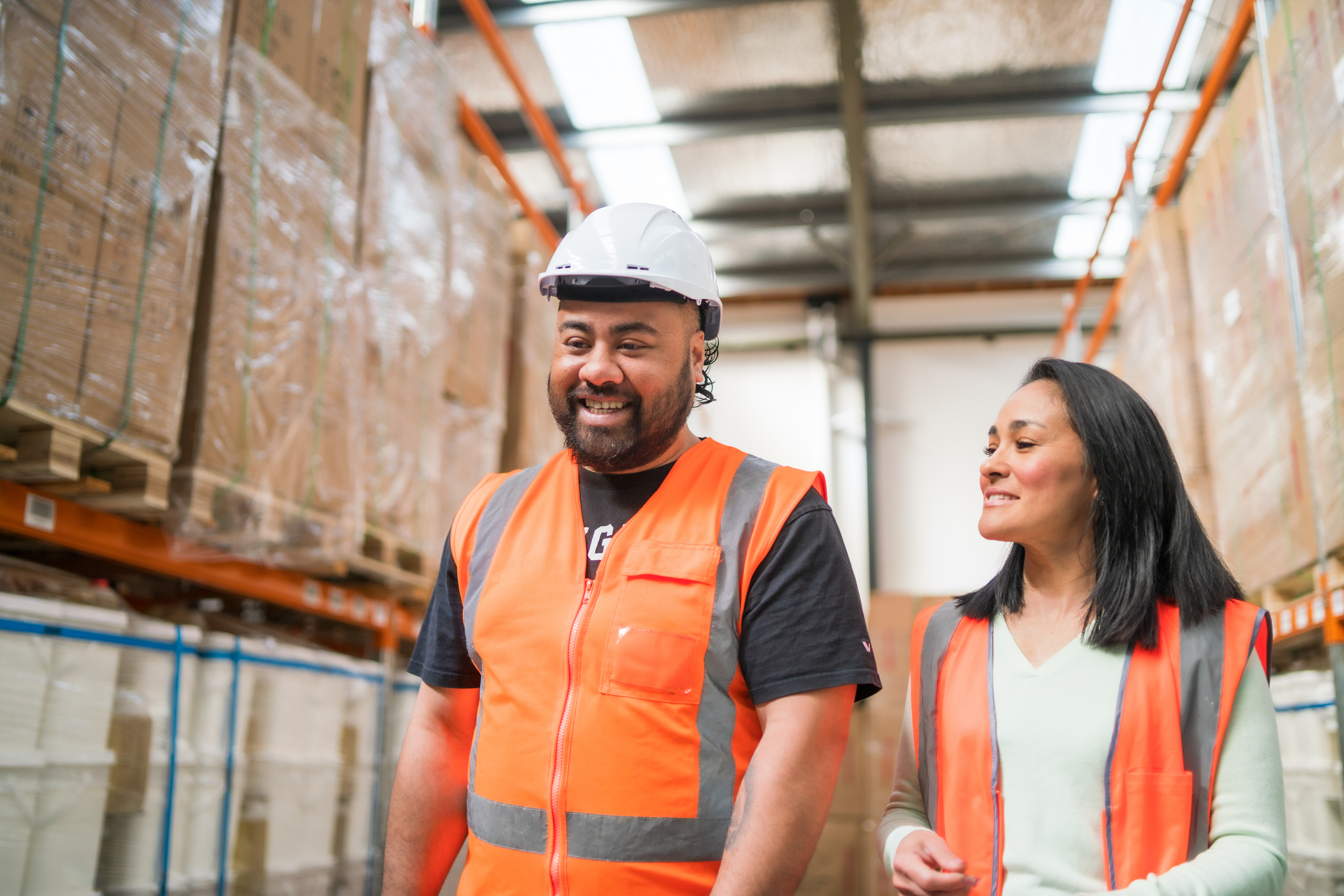
Upskilling on the job: how to get your forklift licence
Your progression in a warehouse depends entirely on the skills you pick up along the way. When you first start as a picker or packer, you will focus on learning warehouse layout systems, mastering handheld scanning technology, and understanding safety protocols.
Once you have nailed the basics, the natural next step to boost your earning power is getting your machinery licences. Operating a forklift makes you incredibly valuable to any logistics team. If you display a great work ethic, many Kiwi businesses will happily pay for you to get your Occupational Safety and Health (OSH) Forklift Certificate or an F Endorsement on your driver's licence right there on the job.
If you want to take the initiative and look into training options yourself, these top providers offer excellent courses across New Zealand:
NorthTec Forklift Training – Offers short awards and practical, hands-on forklift training in Whangārei and surrounding Northland regions.
Safety 'n Action Forklift Training – Provides comprehensive nationwide courses covering OSH certifications and safe driving techniques.
TR Driver Training – Delivers convenient options combining online theory with practical assessments across 10 national branches.
Competenz Industry Training – Connects Kiwi workers with registered workplace trainers for structured, qualifications-based logistics learning.
Expected pay for warehouse workers
Because warehousing roles span everything from entry-level hands to senior management, pay scales rise steadily as you accumulate experience and licensing. Here is what you can generally expect to earn across different tiers in New Zealand:
Entry-level (Pickers and Packers): Starting out with no prior warehouse experience, you can expect to earn between $24 and $26 per hour. This safely covers the standard adult minimum wage while you pick up basic logistics skills.
Mid-level (Storepeople and Forklift Operators): Once you gain confidence on the floor and secure your forklift licence, your earning potential jumps to $27 to $32 per hour (roughly $56,000 to $66,000 per year).
Senior-level (Warehouse Supervisors and Team Leads): When you take on leadership duties, coordinate rosters, and manage safety workflows, rates rise to $32 to $40+ per hour ($66,000 to $83,000+ per year).
Trade Me Tip: Many distribution networks run 24/7. Working twilight, overnight, or weekend shifts often qualifies you for "shift differentials"—special penal rates or allowances that add an extra bonus to your hourly pay.
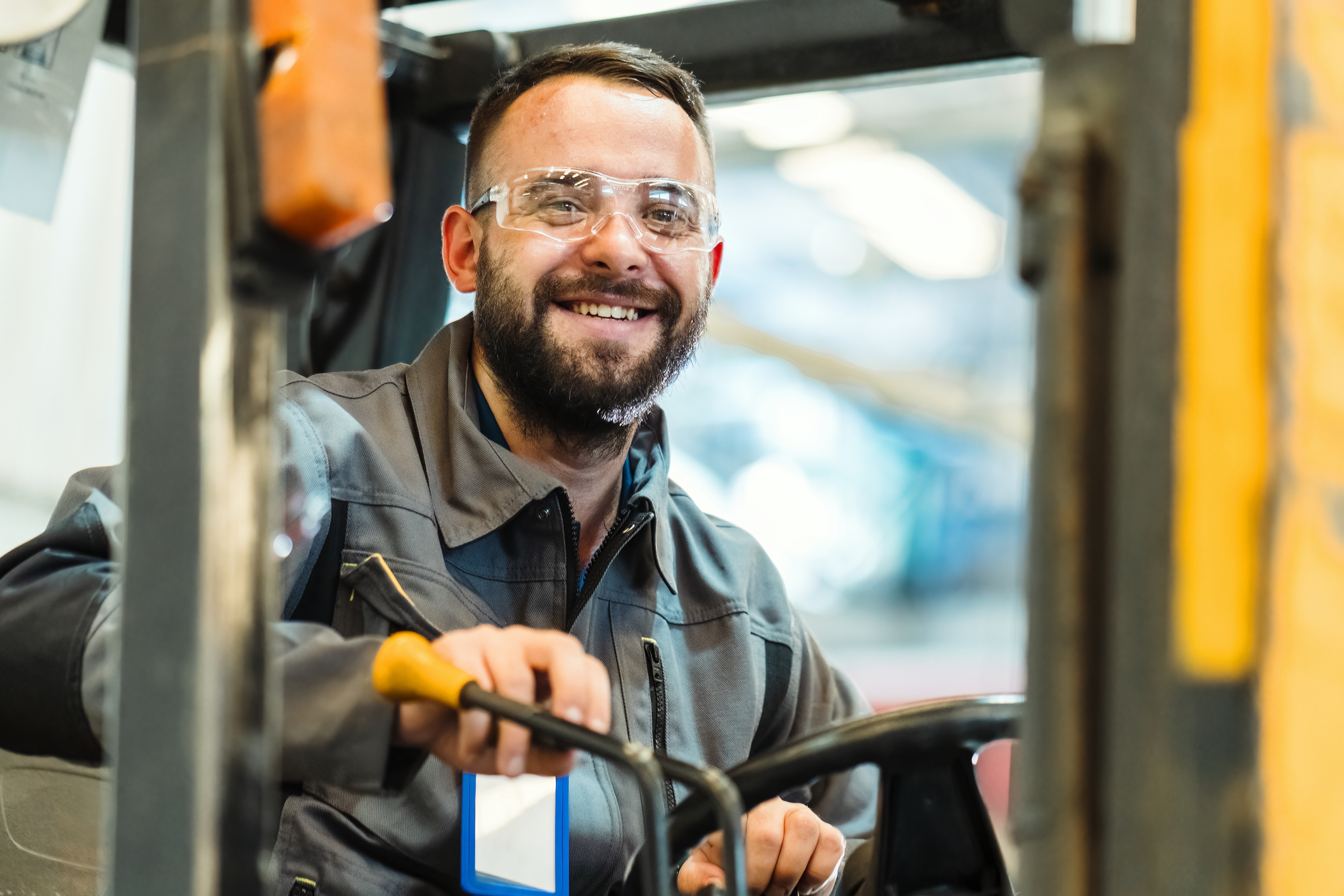
Key skills that will get you hired
To land that first crucial entry-level role, you do not need to list years of warehouse history on your CV. Instead, focus on showing employers that you have the right mindset. Before you submit your application, make sure your paperwork highlights these core traits:
A sharp eye for detail: Picking the correct items means customers get exactly what they ordered. Accuracy keeps the whole operation running smoothly.
A safety-first attitude: Warehouses are busy environments full of moving machinery. Showing that you care about health and safety rules keeps you and your workmates safe.
Rock-solid reliability: Logistics grids run on tight turnaround times. If you show up on time every day, your team leads will notice you very quickly when promotion opportunities come up.
To make sure your paperwork hits the mark, review our guide on the essential key skills for warehouse job applications before you hit apply.
You can also give yourself a massive advantage over other applicants by using our guide on how to write a great New Zealand CV (with free template). To ensure your personality shines through from the start, check out how to write a cover letter (with examples) to frame your work ethic beautifully.
Where the jobs are across Aotearoa
While warehouses keep businesses running all over the country, major regional transport hubs offer the highest number of entry-level openings and fastest pathways to promotion:
Auckland: As the absolute logistics hub of the country, areas like South Auckland (Māngere, Wiri, and Manukau) feature massive distribution centres that are constantly hiring and training new staff.
Canterbury: Christchurch acts as the primary South Island hub, with high demand for warehouse operators centered around Hornby and Rolleston.
Bay of Plenty: Driven by the Port of Tauranga, this region is a major growth sector for import, export, and cool-store warehousing careers.
Once you land an interview in one of these bustling hubs, make sure you prepare by reviewing how to prepare for a job interview: the ultimate guide so you can walk into the room with confidence.
Take your first step today
Warehousing offers an honest, rewarding career path where your progression is entirely in your own hands. By starting with an entry-level role, learning on the job, and stepping up for extra training like a forklift licence, you can build a stable career with an excellent income. All it takes to get started is the right attitude and a willingness to learn.
Start searching for your next warehouse role on Trade Me Jobs today to find an employer who will help you climb the ladder.
Author

Other articles you might like