Buying guide
Car buying checklist
Our car buyers checklist outlines the most important steps to protect your wallet during the buying process.

Always perform a quick check when buying a car, whether from a private seller or a dealership. This guide covers what to look for and offers essential test drive tips.
Consider the difference between buying new and used before looking at the details. A new car from a dealer does not require our car buyers checklist. However, you should still test drive the vehicle, check its functions and ask the dealer any questions.
If the car has had previous owners, use the checklist. The list does not look for a perfect vehicle because used cars have shortcomings. It helps you understand what you are buying and estimate future costs.
Important: When you buy a vehicle, you must complete the change of ownership. You can do this online.
How to carry out routine maintenance checks
Do not just perform these checks when buying. Keep your vehicle running safely and efficiently by staying on top of these regular maintenance tasks.
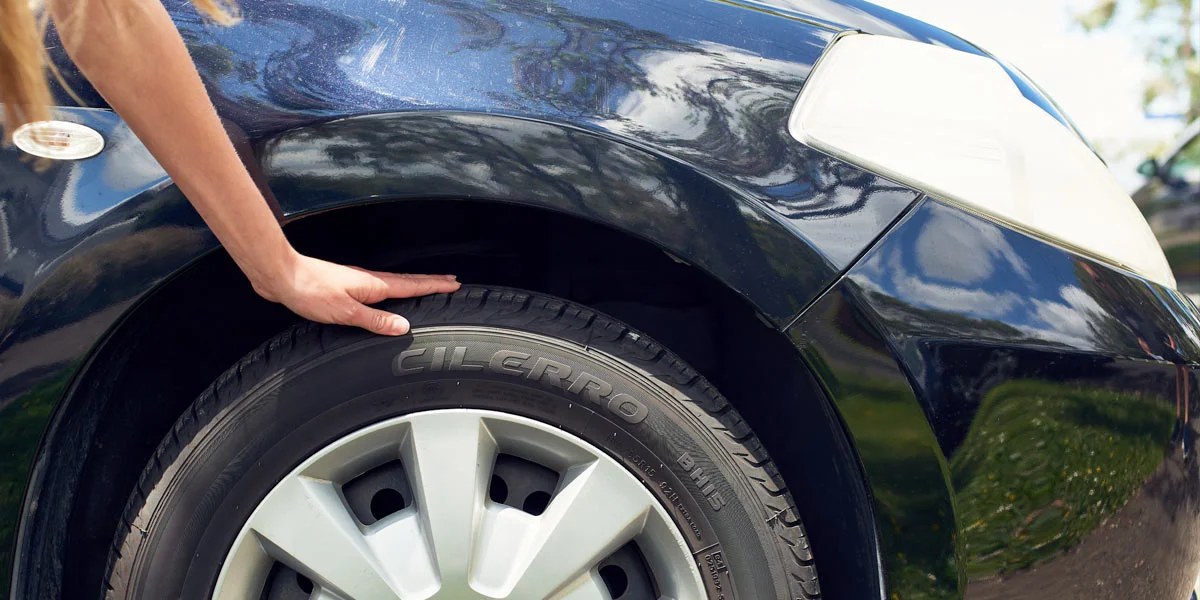
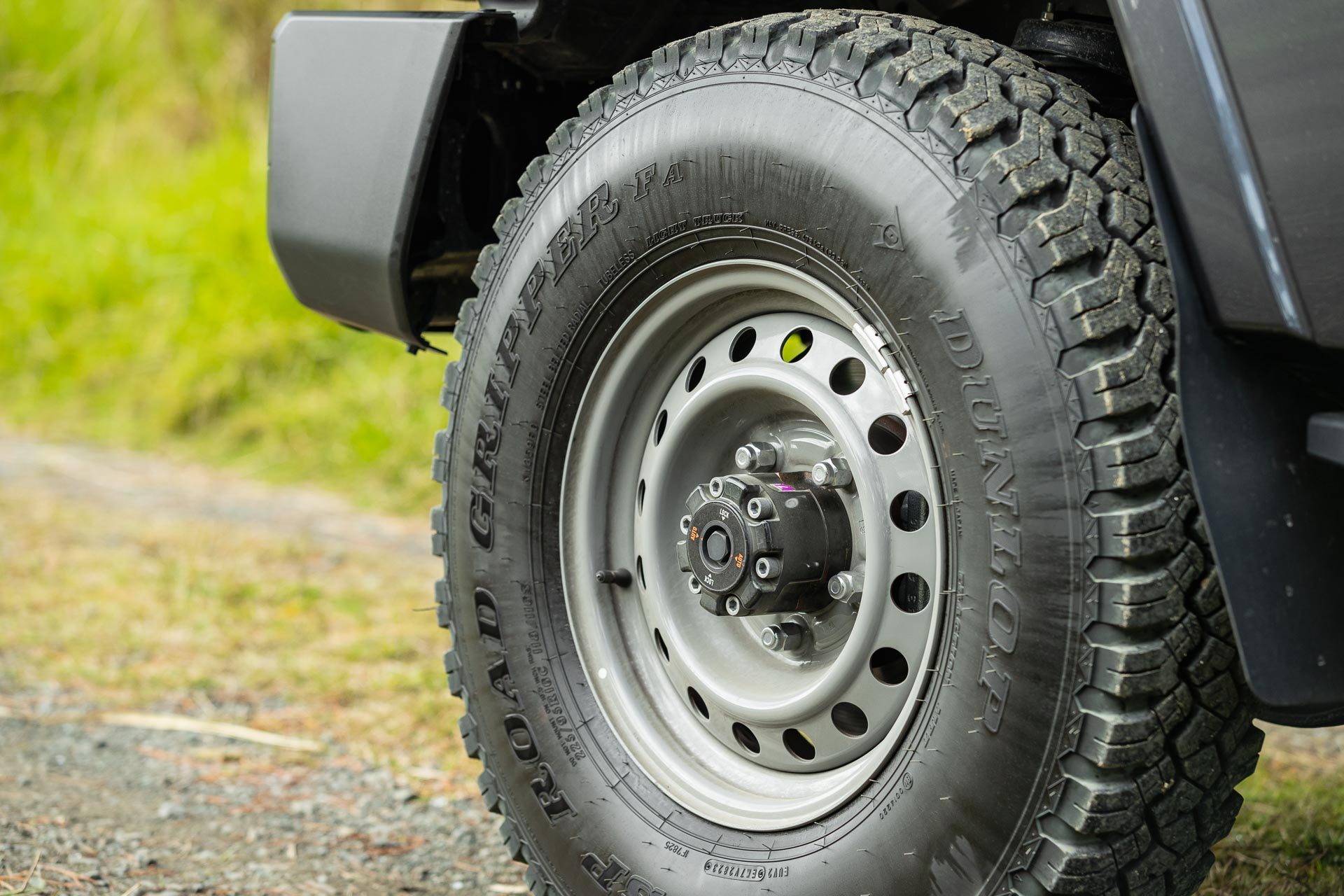
- Tyres: Check pressure and inspect for cracks, foreign objects and tread depth.
- Lights: Walk around the car and test headlights, indicators, brake lights and hazard lights.
- Fluids: Pull the dipstick to check engine oil, and check levels for brake fluid, coolant and windscreen washer.
- Compliance: Ensure your vehicle has a current Warrant of Fitness (WoF) and registration.
How to perform a visual car inspection
Inspect any vehicle before purchase to avoid costly mechanical surprises.
- Paperwork: Verify the WoF, registration and service history match the vehicle's VIN and plate number.
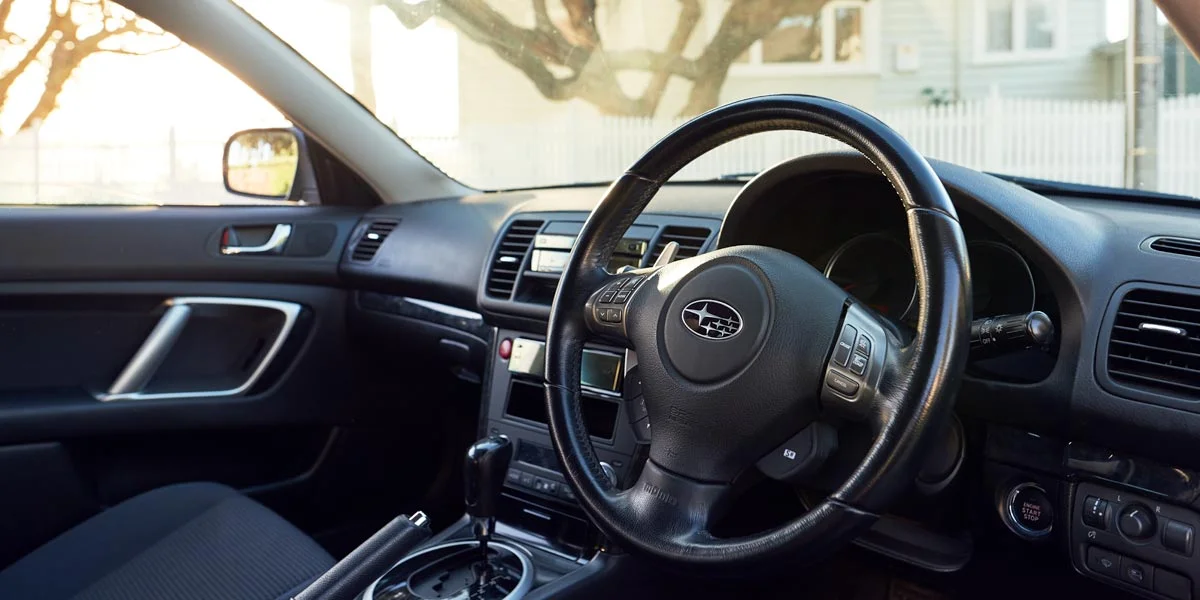
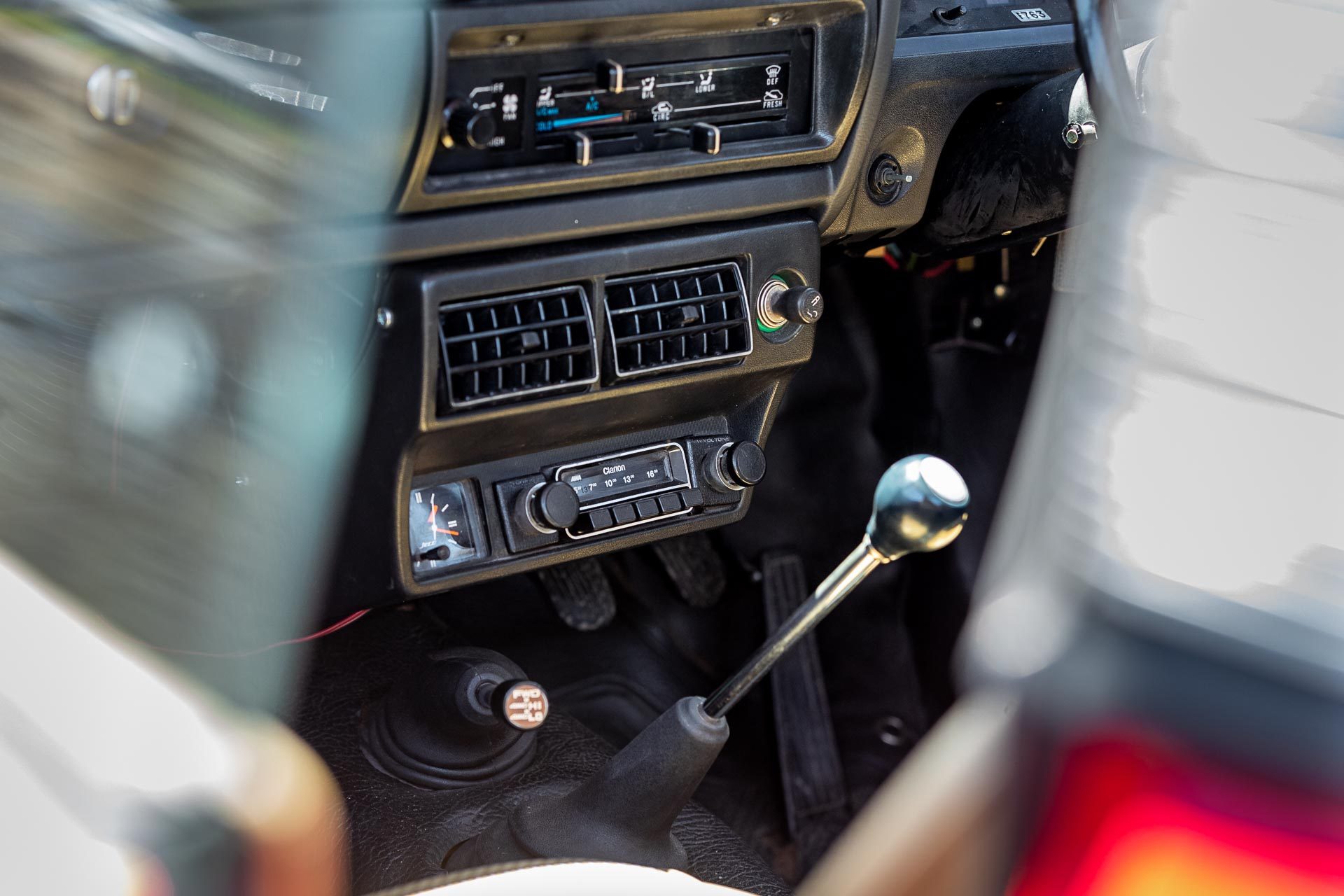
- Interior: Test all electrics (air con, radio, windows, wipers), check for damp smells or water damage and ensure all seatbelts lock up tightly.
- Seats and safety belts: Check for visible damage. Test the seatbelts to ensure they lock when pulled suddenly.
- Exterior: Look for rust (especially around door gaps), mismatched paint, deep scratches and chips in the windscreen.
- Exhaust: Look for soft areas, brittle areas or areas where putty is used.
- Engine: If you have mechanical knowledge, look for cracks or wear. A dirty engine might indicate neglect.
- Under the bonnet: Inspect hoses for cracks, and look for any signs of fresh oil or fluid leaks.
A recent paint job could attempt to mask a problem or indicate underlying bodywork. Rust is a common issue for older cars, especially in New Zealand, but rust in structural areas is dangerous and will likely fail a WoF.
The interior may not impact road safety, but it reveals how the previous owner treated the car. Check for dampness or water stains, which could indicate expensive rust issues. For a deeper look, NZTA provides a comprehensive safety checklist.
What to look for when test driving a car
The next step is the test drive. This allows you to check for any signs of trouble. Remember to check the registration and Warrant of Fitness are up to date. If not, you could face a fine during the test drive. If buying privately, check that the owner’s insurance covers you.
- Test different road types: Try the car on a hill, urban roads and the motorway to check performance.
- Monitor handling and senses: Feel how the car handles corners and take note of any strange noises, squeaky brakes, burning smells, vibrations or fumes.
- Evaluate controls: Test how the car brakes, accelerates and steers.
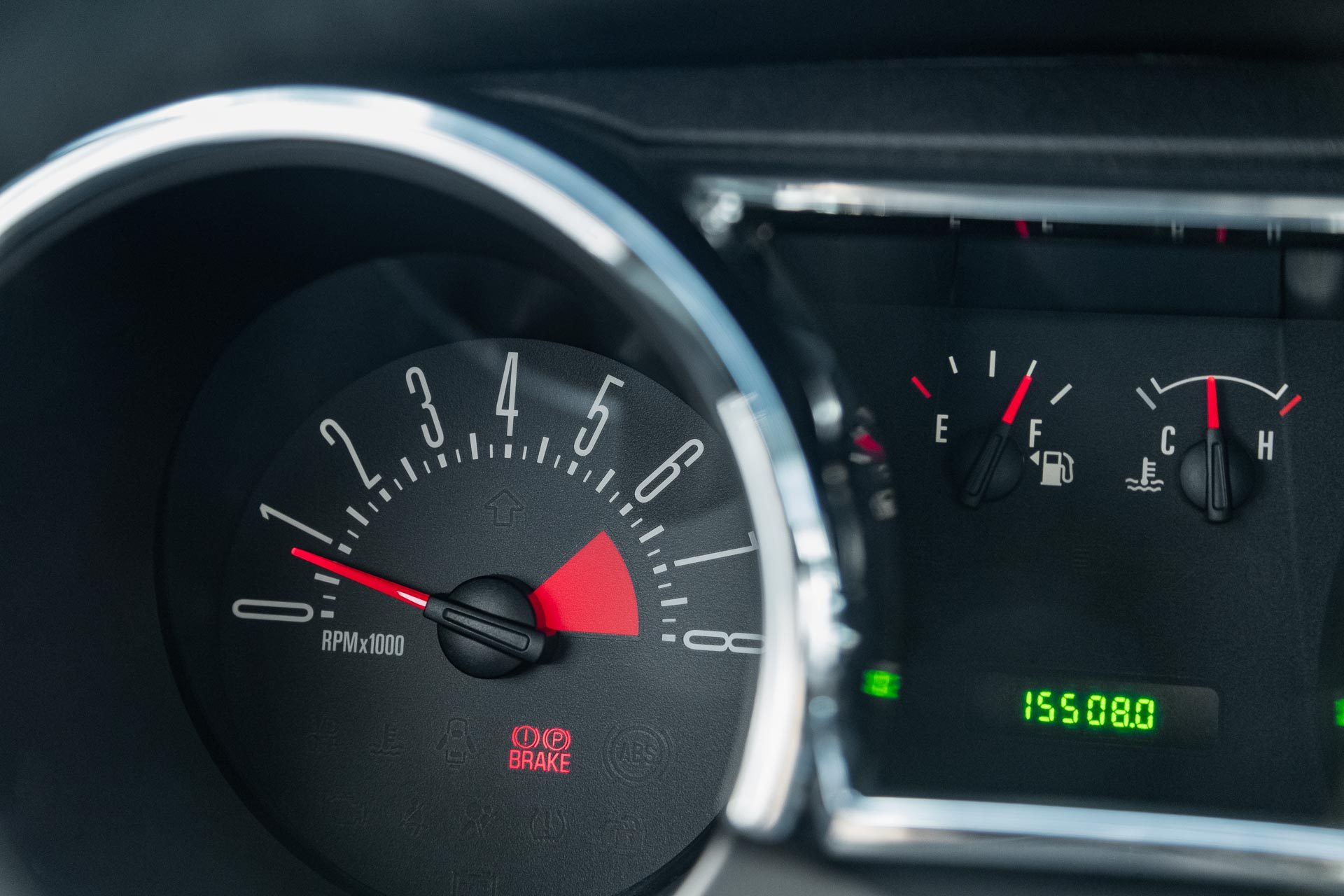
- Check the warning lights: Ensure no dashboard warning lights stay illuminated.
You might not be able to perform every check, depending on your location. Drive the car and look for issues. Listen for odd noises like clanging, clunking, tapping, knocking, grinding, whining or squealing. A car park is ideal for checking full steering lock in each direction.
Consider taking the vehicle for a professional pre-purchase inspection with a company like VTNZ. We also recommend getting a Vehicle Information Report (VIR) to find out the car's legal status and registered history. It reveals whether the car has money owing, its current mileage or if it is stolen.
Author
Other articles you might like