Feature article
How to Jump Start a Car
Learn how to jump-start your car using another vehicle or a portable booster pack with this easy, step-by-step guide.

A flat battery is a total mood-killer, but a jump-start can usually get you back on the road. Whether you are using a mate's car or a booster pack, the key is to follow the right steps to protect your car's sensitive electronics from nasty power surges.
If you just need a quick reminder of the order:
(1) Connect the red cable to the flat battery (+).
- (2) Connect the red cable to the good battery (+).
- (3) Connect the black cable to the good battery (-).
- (4) Connect the black cable to a piece of unpainted metal on the car with the flat battery.
- (5) Start the car with the good battery and wait 3 minutes.
- (6) Start the car with the flat battery and let both run for 5 to 10 minutes.
- (7) Turn off both cars.
- (8) Remove the black cable from the earthed metal surface.
- (9) Remove the black cable from the good battery.
- (10) Remove the red cable from the good battery.
- (11) Remove the red cable from the flat battery.
How to Properly Jump Start Using Another Vehicle
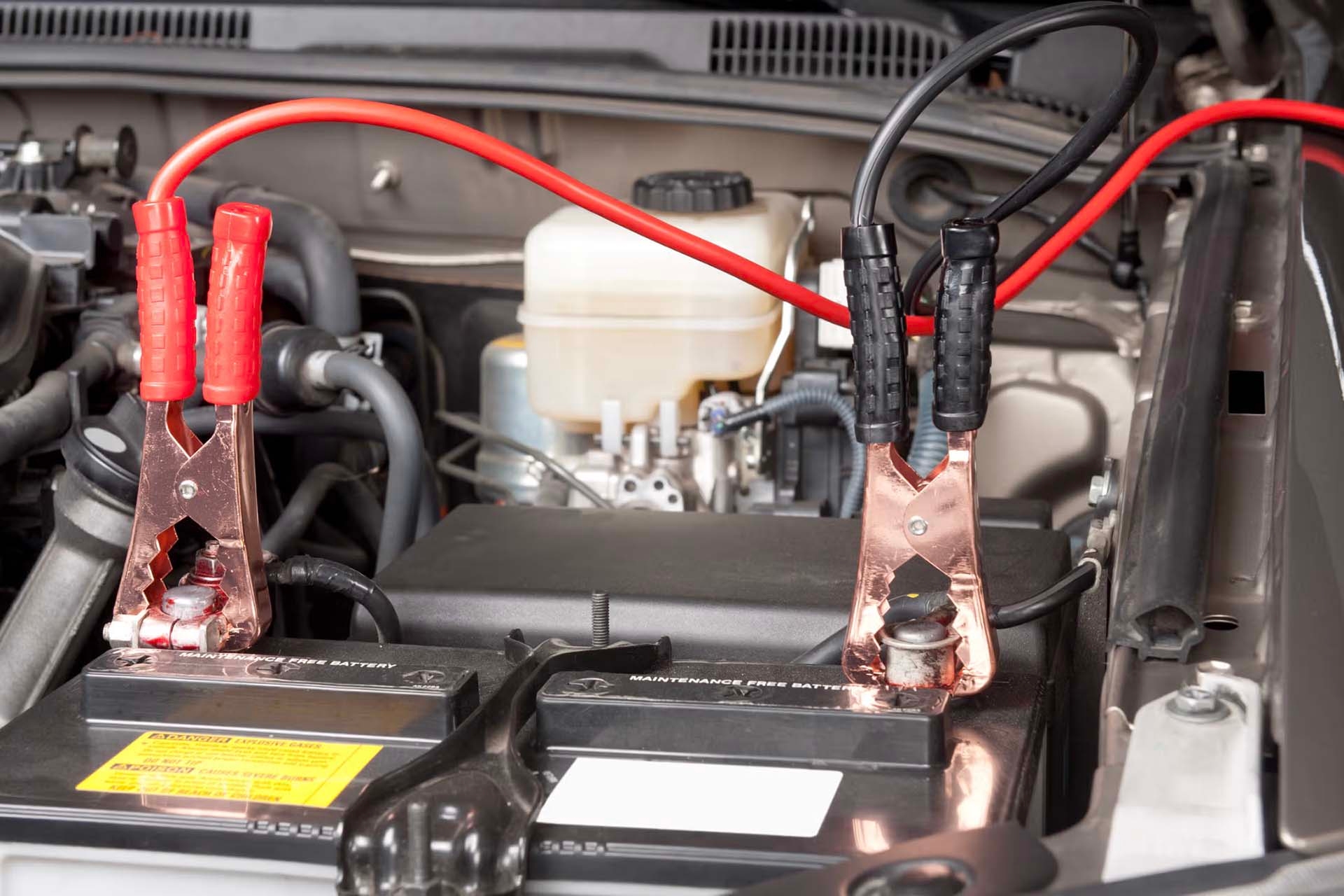
Start by connecting the red cable to the positive (+) terminal of the flat battery, then attach the other red end to the positive (+) terminal of the healthy battery.
Next, connect the black cable to the negative (-) terminal of the good battery. Attach the remaining black end to an unpainted metal surface on the engine block of the stalled car, but not to the flat battery itself.
Wait a few minutes, then start the engine of the car with the healthy battery and let it idle to build up a charge. Start the car with the flat battery. Once it is running, let both vehicles idle for five to ten minutes.
It is important that you never remove the jump leads while the engines are still running, as the resulting power surge can permanently damage the electronics of the cars.
How to Safely Remove the Leads
To avoid sparks or damage, turn off both cars and disconnect the cables in the exact reverse order.
Remove the black cable from the stalled car first, followed by the black cable from the working battery. Then, remove the red cable from the good battery and finally the red cable from your own battery.
Be very careful not to let the cable ends touch each other or any metal parts of either car during this process.
Using a Portable Booster Pack
Battery booster packs are a lifesaver if you are flying solo or stuck in a rural spot. The fundamentals are the same: connect the red cable (+) to the positive terminal and the black cable (-) to an unpainted metal part of the engine or chassis.
Once you are hooked up, switch the pack on and start your engine. Let it run for about five minutes, then turn off the booster pack while keeping your engine running for another ten minutes to build a charge. Remove the cables black first, then red.
Always check your specific booster pack manual for detailed instructions, and make sure the booster pack is fully charged.
Safety First
Maintaining safety protocols prevents injury and costly electrical damage. Always check your owner's manual first, and if you feel uncertain, call for professional roadside assistance.
Inspect the battery for cracks or leaks before starting; if it is damaged, it cannot be safely jump-started, and needs to be replaced. Stop using the jump leads if they get hot.
Ensure the handbrake is on and keep the area free of open flames. To stay safe, remove loose clothing like scarves or ties and take off metallic jewellery like rings and watches, which can conduct electricity. Wearing rubber gloves is also recommended.
Use proper jumper cables
When selecting jumper cables, ensure they include a spike protection device. This small electronic unit protects your vehicle from reverse polarity and dangerous voltage spikes during the process. We strongly recommend using only these types of leads to keep your electronics safe.
Remember that with cables, you typically get what you pay for. While a cheap set might start a small car, it often lacks the capacity for larger engines or diesels. Budget leads are also frequently too short to reach between vehicles easily, making a quality set a much smarter long-term investment.
Troubleshooting
What If Your Car Won’t Start?
If the jump-start fails despite following the instructions, you likely need professional help. If the engine won't turn over at all, the starter motor might be at fault. If the car starts but the battery won't hold a charge, there may be a problem with the alternator or the car's electrical system.
Why do car batteries get flat?
Car batteries drain slowly even when parked. While the alternator charges the battery as you drive, short trips often do not provide enough time to refill the charge. Driving for 30 minutes or more occasionally is much better for battery health.
Other factors like extreme temperatures, faulty components, leaving your lights on, or using accessories that draw power can also lead to a flat battery.
Is the battery flat or dead?
On average, car batteries last about four years. If your battery goes flat regularly, it is likely reaching the end of its life. Investing in a new battery is a smart move to ensure reliability. A mechanic can easily test your current one to see if it needs replacing.
Author
Other articles you might like