Feature article
The Toyota RAV4: From city runabout to Kiwi icon
The 2026 Toyota RAV4 is a Kiwi icon evolved. Discover how this SUV leads the shift to hybrid and PHEV travel.

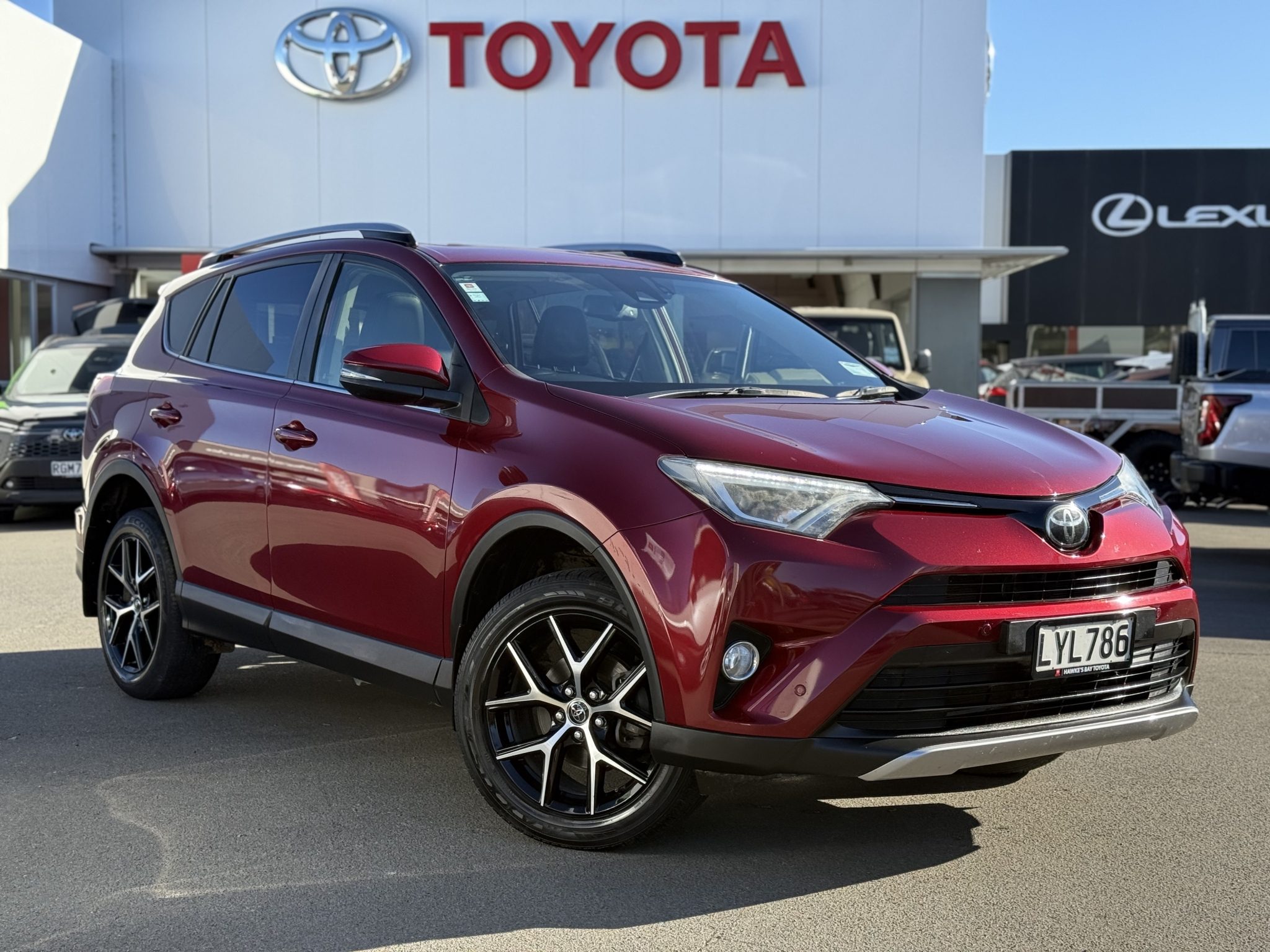
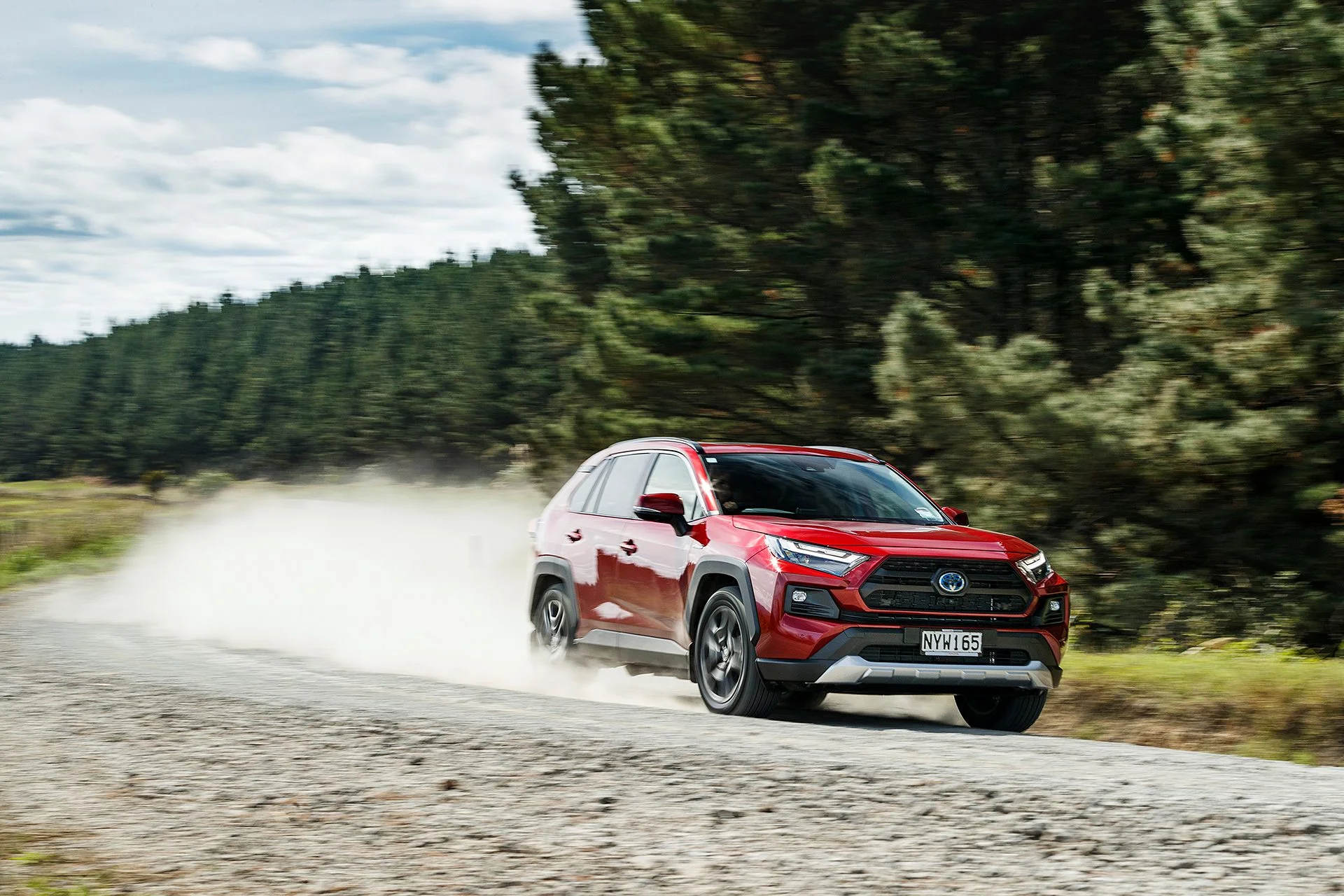
The Toyota RAV4 is a global bestseller and a firm favourite in New Zealand. Originally a blend of SUV and mid-sized car, it now leads our national shift toward electrified travel. Moving from rugged, diesel-powered utes to refined, hybrid SUVs marks a major change in the Kiwi automotive identity.
A brief history of the RAV4
The 'Robust Accurate Vehicle with 4-wheel drive' debuted as a concept at the 1989 Tokyo Motor Show. It ditched traditional ladder-frame chassis for a Corolla-based monocoque design to offer car-like handling. When the XA10 arrived here in 1994, it was a quirky, plastic-clad three-door built for the city.
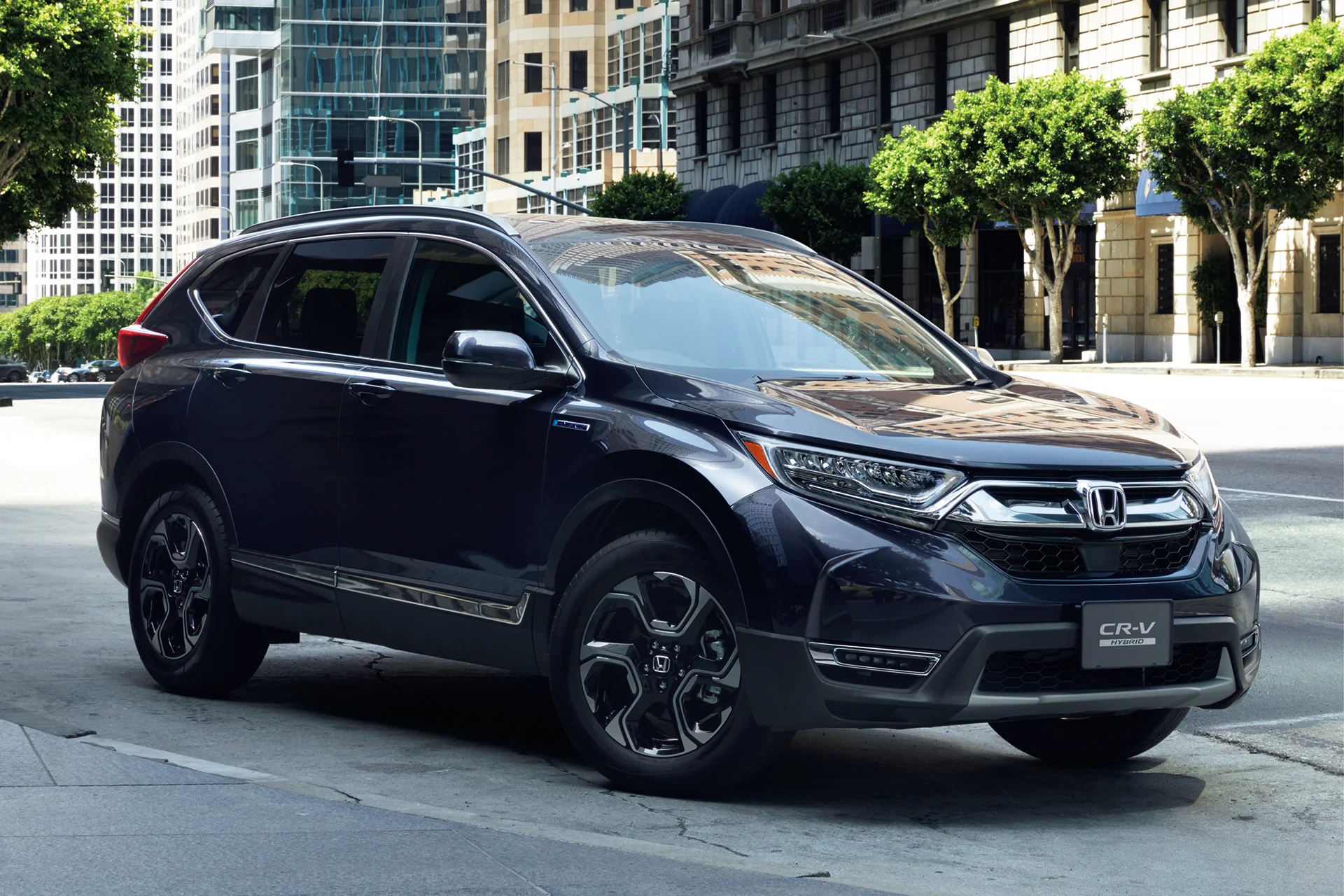
The second-generation XA20 (2001–2005) saw the model mature. New Zealanders moved away from three-door variants and wanted more space. By 2004, a 2.4-litre engine arrived to help compete with rivals like the Honda CR-V and Nissan X-Trail.
The XA30 (2006–2012) scaled up significantly, offering 21% more interior room. For the Kiwi driver, the standout was the 3.5-litre V6 producing 201kW. It came in both short and long-wheelbase versions to suit urban and rural needs.
The XA40 (2013–2018) introduced a sophisticated European look, replacing the side-opening rear door with a liftgate. While hybrids debuted globally in 2016, the fifth-generation XA50 (2019–2025) truly changed the local market. Built on the TNGA-K platform, it offered better rigidity and a lower centre of gravity.
In 2019, Toyota decided to offer the RAV4 exclusively as a hybrid (HEV). This move aligned with the growing environmental focus and fuel tax changes. The strategy worked, with over 50k units sold locally since the launch.
By early 2026, the sixth-generation (XA60) confirms a total commitment to electric power. This range introduces the first Plug-In Hybrid (PHEV) for New Zealand. It allows for pure EV commuting while retaining the range needed to drive long distances.
The RAV4 on Trade Me
You will currently find more than 500 listings on Trade Me Motors. The presence of first and second-generation models is a testament to the reliability of this iconic vehicle.
Over the last 12 months, we saw more than 8,400 RAV4s listed. The average asking price was $31,757, with the 2024 model being the most popular choice among buyers.
If you are looking for a versatile all-rounder, head over to Trade Me Motors to view the latest Toyota RAV4 listings
Sixth-generation (2026) technical specs
The latest RAV4 is more powerful and efficient. For 2026, the New Zealand range features three styles: Core, Adventure, and GR Sport. These models use fifth-generation HEV and sixth-generation PHEV tech. Standard hybrids produce 143kW, while the PHEV reaches up to 227kW in AWD.
The PHEV is perfect for our conditions. A 22.7kWh battery handles daily commutes on electricity alone. On longer trips, the 2.5-litre engine kicks in for hybrid efficiency.
The GR Sport and Adventure grades
The 2026 lineup includes the first RAV4 GR Sport, built for on-road performance. With 227kW and a 5.8-second 0–100km/h time, it targets drivers wanting a 'spirited' SUV. It features 20-inch alloys, high-performance dampers, and stiffer suspension for better cornering.
The Adventure grade serves the outdoors enthusiast. It offers rugged styling, matte grey wheels, and tough synthetic leather. It is designed to handle the dirt and grime of camping or mountain biking trips.
Why the RAV4 wins in New Zealand
The success of the RAV4 stems from a mix of engineering, economics, and culture. It has moved beyond being just a tool to become a staple of the Kiwi lifestyle.
Balancing private and commercial needs
The RAV4 excels as a 'dual-role' vehicle. It handles the weekday school run and weekend trips to the Coromandel with ease. It offers great load space and high visibility while remaining easy to park.
Many have swapped sedans and utes for the RAV4 Hybrid. Groups like Surf Life Saving New Zealand use them for coastal operations where reliability and fuel efficiency are critical.
Economics and sustainability
Success has coincided with major policy shifts like the Clean Car Standard which incentivised hybrids. The latest GX model returns roughly 5.0L per 100km, offering real savings for families and businesses.
Our 'Multi-Powertrain' strategy is also key. While some brands focus only on battery electrics, we offer HEV and PHEV options. This acknowledges that our charging infrastructure and rural needs require a variety of solutions.
Author
Other articles you might like