Buying guide
21 low maintenance garden ideas NZ
Make keeping your outdoor areas easy peasy

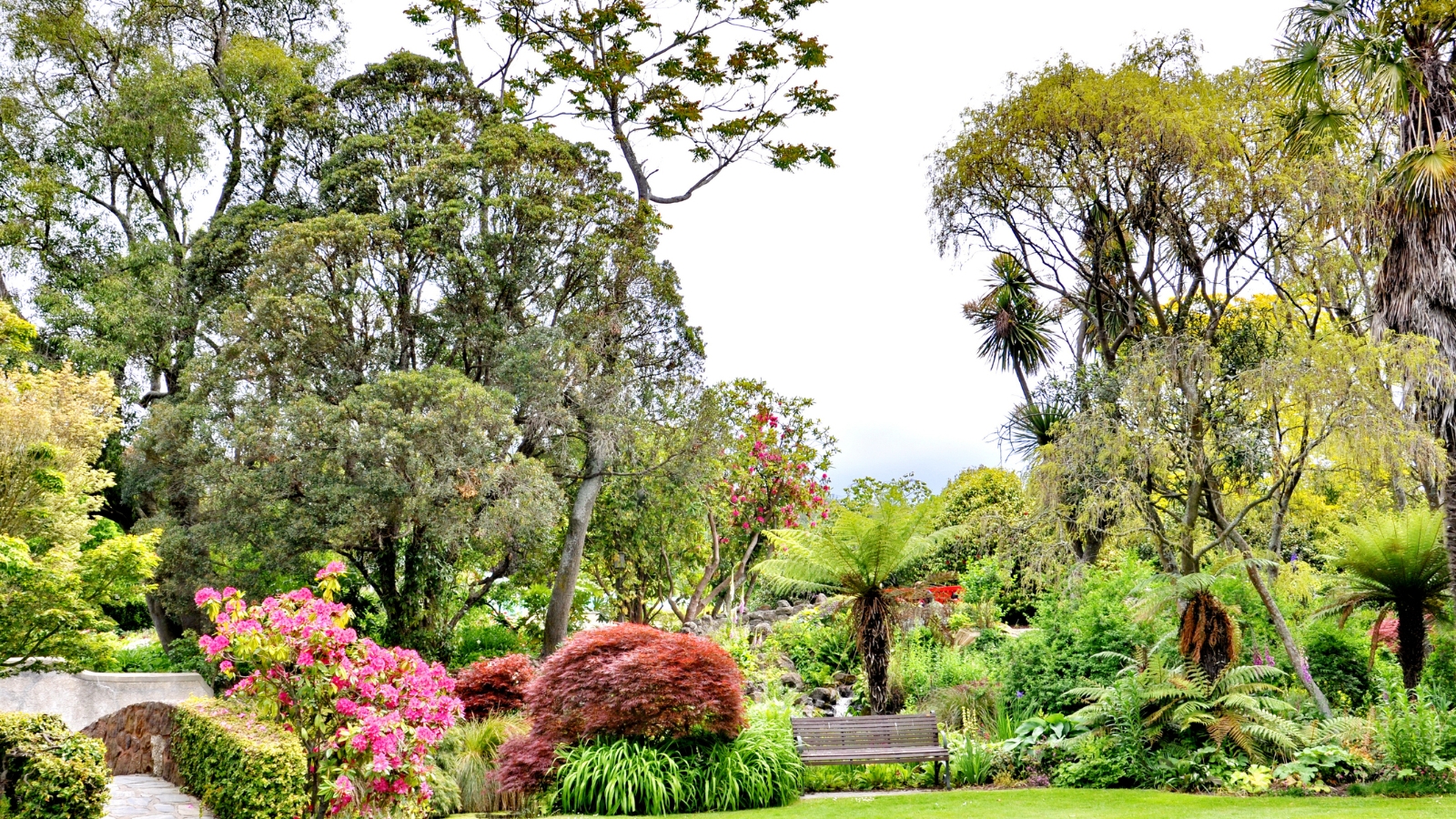
Are you short on time but still want a lush garden? It’s possible to create an outdoor space that requires almost zero hard work from you; the secret is choosing the right plants and setting your garden up to take care of itself from the get-go.
To get you started we’ve rounded up 21 low maintenance garden design ideas, including tips on plant selection, irrigation, weed control and more.
1. Choose plants that suit your location, soil, and aspect
Plant selection is your number one priority when designing a low maintenance garden. Choose plants that suit your geographical location, the soil on your land, and the aspect of your garden. For example, if you live in the lower half of the South Island you might want to only consider frost-hardy plants that don’t need protection over winter - if your garden is damp and boggy, look at plants that handle excessive moisture well.
If you’re not sure Google is your friend, so are your neighbours with great gardens, and the greenthumbs at your local garden centre.
2. Get your planting right
Plant once, and plant right and your garden will require less maintenance. When planting the process usually goes like this:
Choose an area with soil and light that suits the plant.
Dig a hole at least twice the size and depth of the plant’s container.
Put an appropriate fertiliser at the base of the hole and cover with a thin layer of soil.
Gently remove the plant and loosen up its roots if they’re tightly bunched.
Position the plant in the hole so the top of the root ball is roughly level with the ground.
Backfill the hole with soil, gently firming.
Once that’s all done, water thoroughly and add a layer of mulch on top of the soil.
3. Be careful with spacing
If plants are given room to grow they’re more likely to survive and thrive. So always follow the spacing guidelines on the plant’s pot, or from your plant supplier accurately.
4. Use weed matting throughout
The biggest job in most gardens is pulling weeds. When you set your garden up - do yourself a favour and pull all weeds from the roots first, then use weed matting everywhere that it’s appropriate. Follow up by a 5cm layer of mulch or stone to make it even harder for weeds to settle into your topsoil and grow.
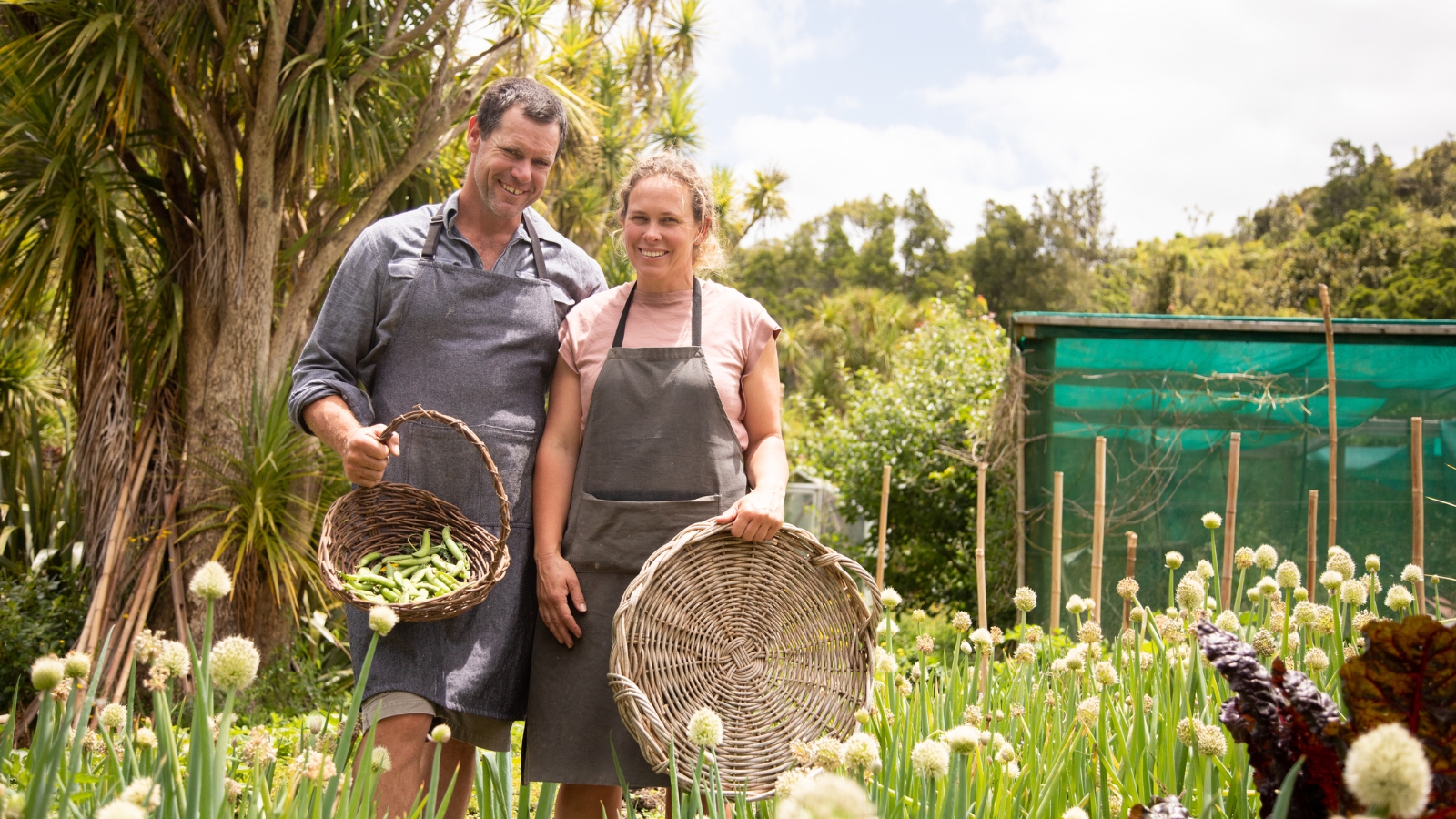
Low maintenance and productive can go hand-in-hand.
5. Invest in irrigation
It’ll require some investment up front, but investing in irrigation will save you hours a month watering your garden, especially if you set it to automatically turn on and off. Paying a pro will ensure you get it right - but if you’re handy it’s easy enough to do yourself. Check out this irrigation guide from Mitre 10 to get started.
6. Use repetition
Every plant has its own unique preferences for sun, soil type, watering, and temperature. Choosing fewer plant types and repeating the same ones means it’s easier to place them correctly so that they get everything they need. It also makes maintenance much easier.
7. Skip the lawn
Grass lawns are easy to install and hard to maintain. They grow weeds, require irrigation, and mowing, and if you have a dog they develop dead spots and rough patches before long. So why not skip the lawn completely? Instead go for a wildflower meadow with one mowed path, or a native plant garden mulched and underlayed with weed mat.
8. Let it go a little wild
It’s tempting to try and make your garden perfect, but what if you just didn’t? Allowing select areas to intentionally go a little wild can make your garden feel more organic and interesting - plus it’ll require less maintenance. Instead of a lawn, how about a wildflower meadow?
9. Get your edging right
If you are going to keep a lawn it’s a great idea to install tidy edging around it. This makes it easier to mow and creates a barrier to keep mulch, stones and plant debris off your lawn.
10. Keep shapes simple
Again, if you’re keeping a lawn don’t go crazy with the shapes. Stick to squares and rectangles, and if you can, don’t plant anything in the middle of your lawn - this makes it harder to mow.
11. Go for ground cover
Ground covering plants are great for suppressing weeds and are a perfect alternative to lawn. Go for hardy natives and they’ll barely require any watering or maintenance - think Coprosma species, Chatham Island Forget-Me-Not, Leptospermum, or Pratia species.
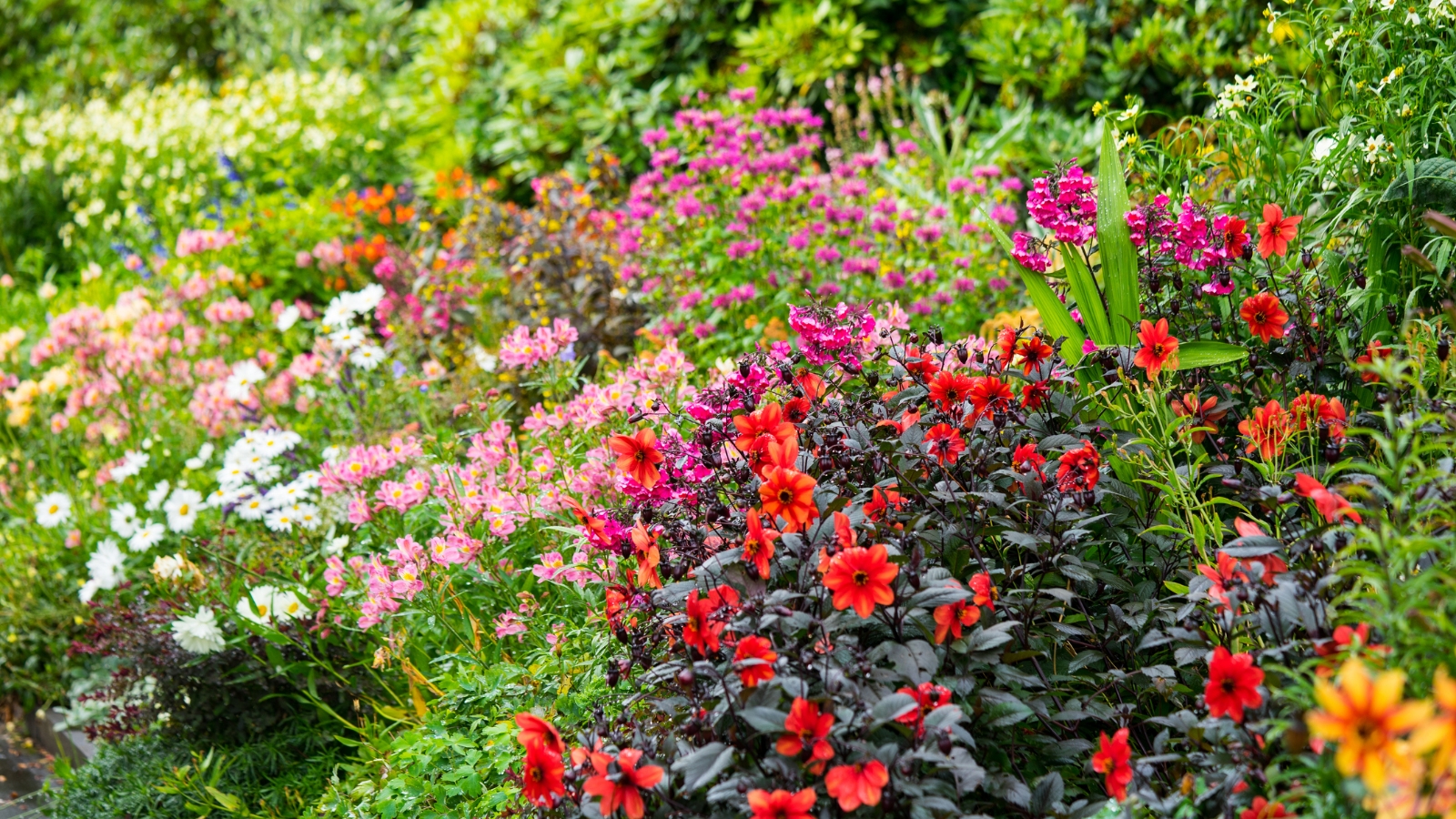
Wildflowers are a beautiful way to add colour to your garden without making work for yourself.
12. Include hardscaping
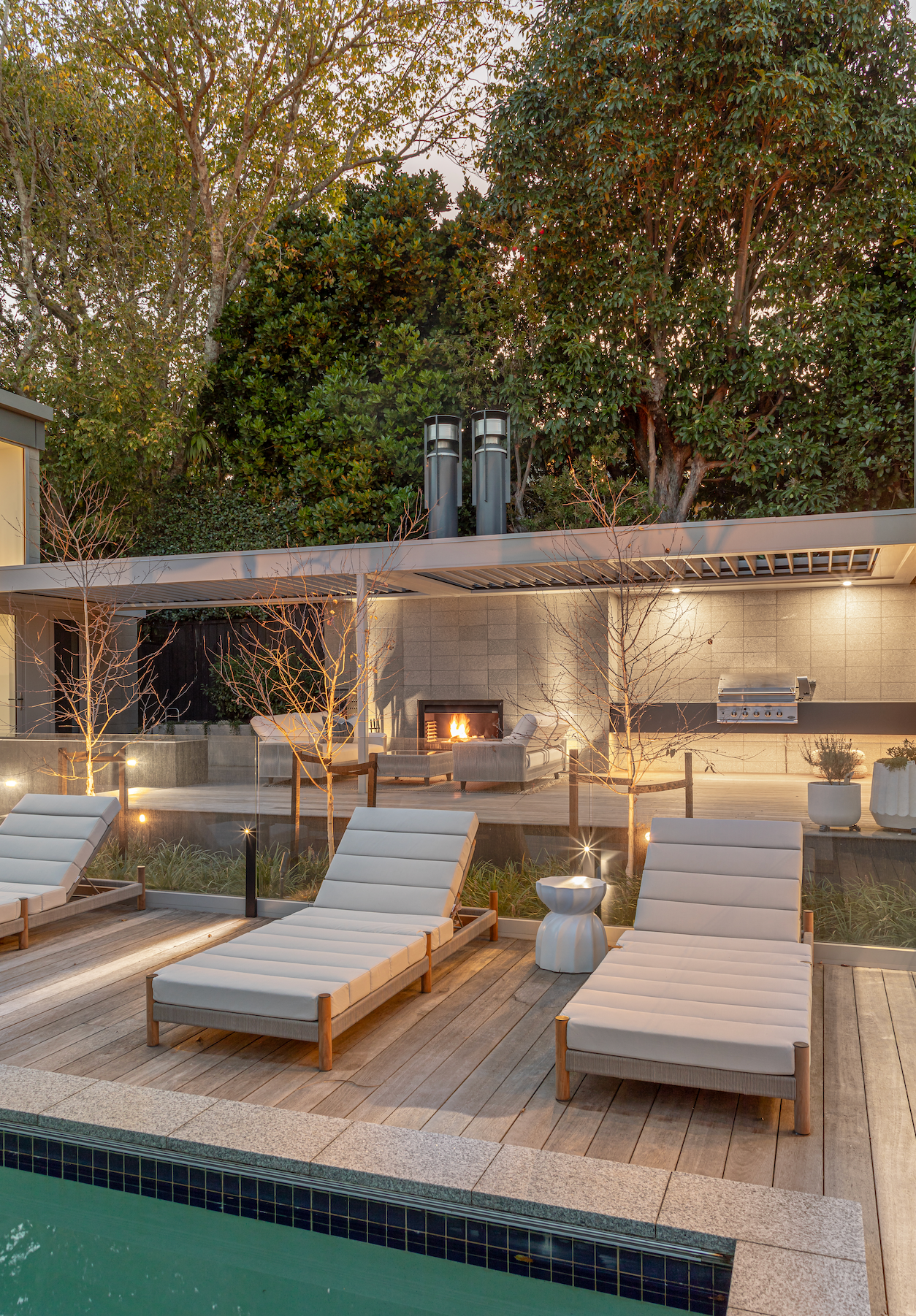
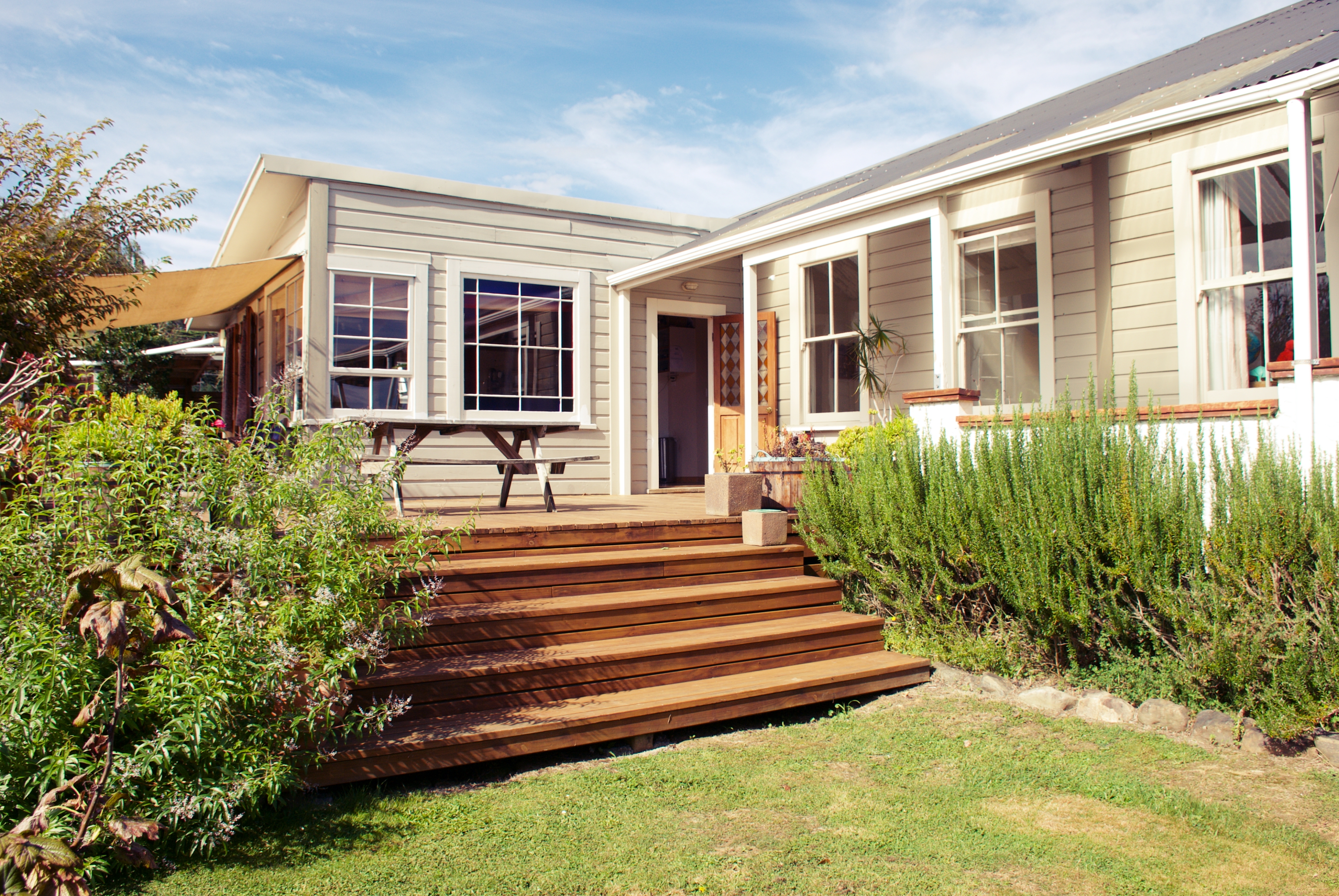
If you’re anything like me, you want as many plants and colours as possible in your garden. The problem is, even the hardiest plants are living things that require care - whereas timber decking, stone paths, and paved areas typically require much less.
Of course, you’ll want some plants - but installing something like a deck means there’s at least one area that doesn’t need weeding, watering, or trimming.
13. Only use durable materials
Before you install any hardscaping elements, have a good think about maintenance and durability. For example, if you’re building a deck consider composite instead of timber - it doesn’t warp, or splinter, and it never requires staining. Landscaping stone or gravel is another great option that requires almost no maintenance and can last forever.
14. Skip the pots
Watering takes time and it’s tricky to set up quality irrigation for potted plants. So instead, just skip potted plants, or limit the amount you include.
15. Stick to evergreens
Evergreen plants don’t drop leaves and tend to be hardy - plus they provide visual interest all year round. Instead of trees and plants that die yearly, or lose their leaves, go for hardy evergreens or shrubs like native corokia, pittosporum, port wine magnolia or griselina.
16. Plant the right plants in the right places
It’s important to choose plants that are suitable for where you are in New Zealand, but also for their location in your garden. There will inevitably be shady spots, sunny spots, dry bits, and bits that hold water better, or more exposed spots where the wind whips through. Keep this in mind when planting and your garden will thrive and require less maintenance.
17. Stick to natives
Planting only natives can be a smart way to ensure your garden is low maintenance without too much thought. That’s because they tend to be uniquely suited to the New Zealand climate and therefore require less watering and work throughout their lives.
18. Listen to the experts
Not sure what plants will be low maintenance in your garden? No worries - just get a little advice from the pros at your local Bunnings, Mitre 10, or plant store - or do some Googling and you’ll find everything you need. The Plant Store has a great list of low maintenance plants that’s a good starting point.
Sometimes a simple, easy garden is best.
19. Skip pest magnets
If a certain plant in your garden seems to attract pests and disease, it’s often best to simply pull it out and plant something hardier in its place. This will ensure the problem doesn’t spread, and save you the hassle of spraying regularly.
20. Feed on a schedule
Plants should be fertilised during the growing season to keep them healthy and help them grow. Most plants grow fast during spring, then more slowly during autumn and summer, before going dormant in winter.
During peak growing season, fast growing plants can be fertilised every 4-6 weeks.
21. Get out in the garden regularly
Even low maintenance gardens need a little work. Weeds always find a way, pests are always present, and even the hardiest plants need a little help occasionally. The problem is, if you let all this stuff get away from you it turns into a big job, and if you’re time poor there’s a good chance you’ll avoid it. Instead, make caring for your garden a part of your daily routine. Spending five minutes wandering around picking weeds and checking on plants with your morning coffee can turn a big job into a daily pleasure.
Need a hand with your garden?
If you don’t fancy doing it yourself there are plenty of great landscapers and landscape designers around - especially in the big cities. Check out our ranking of the best landscapers in Auckland to get started.
Author
Search
Other articles you might like


.png)