Buying guide
Bathroom Renovations Auckland: A Builder's Guide to Costs, Tips & Planning
How much will it cost? How long will it take? We asked an Auckland builder all your questions.


AI summary
Planning a bathroom renovation? Auckland builder Tim Cain of Cain Built advises a full project typically costs $25,000 to $40,000+ and takes 3-6 weeks on-site, plus time for consents.
Key decisions include keeping the existing layout to manage your budget. While many updates are exempt, a tiled wet area shower always requires council consent. Spend on essentials like waterproofing and plumbing, but save on cosmetic items that can be upgraded later. Finalising all choices before work begins is crucial.
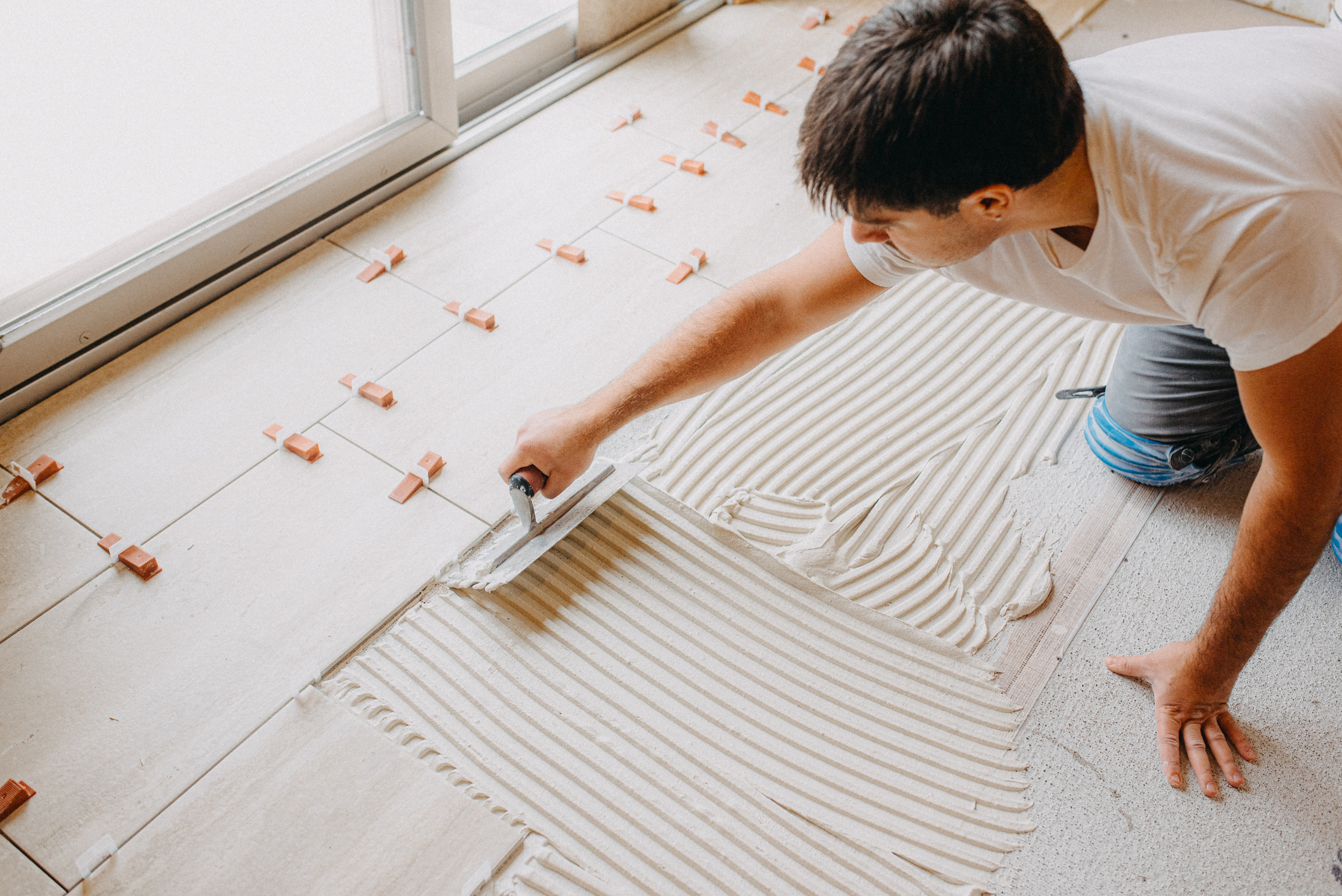
Bathrooms are one of the trickiest rooms in the house to renovate, and probably have the biggest potential for cost blowouts. That's why it pays to get an expert early on to help you avoid any expensive mistakes.
We got our own expert in to get you started - Tim Cain runs Cain Built, a North Shore building company with more than 20 years of renovations behind it and over a dozen perfect Google reviews. We'll cover costs, consents, timeframes and the mistakes Tim sees most often.
Planning a bathroom renovation in Auckland
Planning a bathroom renovation starts by asking and answering three questions:
- Who uses the room, and how? A family bathroom, a master ensuite and a rental bathroom all need different things.
- Is the layout staying put? Keeping the toilet, shower and vanity where they are is the biggest single decision for your budget and your consent.
- How old is the house? The answer shapes what your builder is likely to find once the room is stripped out.
"Bring a builder in before the plans are drawn," says Tim. "They can help you figure out what's possible with your house at the start, before you get halfway through a project."
How much does a bathroom renovation cost in Auckland?
Tim says the majority of Auckland bathroom renovations cost from $25,000 to $40,000+.
That buys a full renovation: the room stripped out, new waterproofing, new tiles, new fittings and fixtures, and every tradie paid to do it. Labour is usually close to half the bill, materials are around a quarter, and project management, margin and consenting make up the rest.
Here's what moves the price up or down:
- SQM rates: tiling and waterproofing are usually charged on a sqm basis. So if you've got a gigantic bathroom, expect to pay more for labour and materials.
- Material and fixture choices: basic ceramic tiles for $25/sqm will do the job, but imported stone from Italy at $250/sqm will look a lot better. You can spend as much or as little on materials as you want and it's easy to get carried away!
- Custom work: popping an acrylic shower into your bathroom is cheaper and easier, while building a tiled walk-in shower is much more expensive. The same goes for off-the-shelf vanities vs custom vanities built by a joiner.
- Moving plumbing and consenting: if you're moving fixtures like vanities, loos, and showers and that requires moving plumbing you will pay more and you may need to get consent. If you need to reroute water supply, waste, and/or drainage, expect to pay $2,000 to $6,000+ extra (so it's worth keeping your layout whenever possible).
- Nasty surprises: rot, asbestos, and removal of other troublesome materials can't be priced with 100% certainty until the room is stripped.
"I always tell clients it's better to do a bit of extra work up front to figure out all the unknowns," says Tim. "If you sort your design early, get the builder in to have a look, then draw up an airtight fixed contract - most of these uncertainties and extra costs can be avoided."
How to sort your bathroom renovation contract
There are two options when it comes to your contract - fixed price, or cost + margin. Cost + margin contracts don't specify a final price, instead they specify materials and labour plus the builder's margin, allowing you to be more flexible along the way.
Whatever contract you choose, you'll need to check a few things beyond the number on the front page:
- PC sums: an allowance for items you haven't chosen yet like taps and tiles. If you spend above the allowance you pay more - it's always best to choose as much as possible in advance to reduce this number (or pay close attention to it when choosing).
- Tagged items: stuff your contract excludes such as repairing rot under floors, or removing asbestos. Investigate any known issues in advance with a builder to reduce these.
- Variations: if you change your mind after work has begun there's usually a cost for variations. Make sure you know how variations are dealt with under your contract.
"Ask how variations are charged before you sign anything," says Tim. "A good quote spells out what's included, what's tagged and what happens if we find something. You shouldn't be guessing. If you don’t understand your quote or contract ask your builder, or you can always talk to a lawyer.”
What makes renovating Auckland homes different?
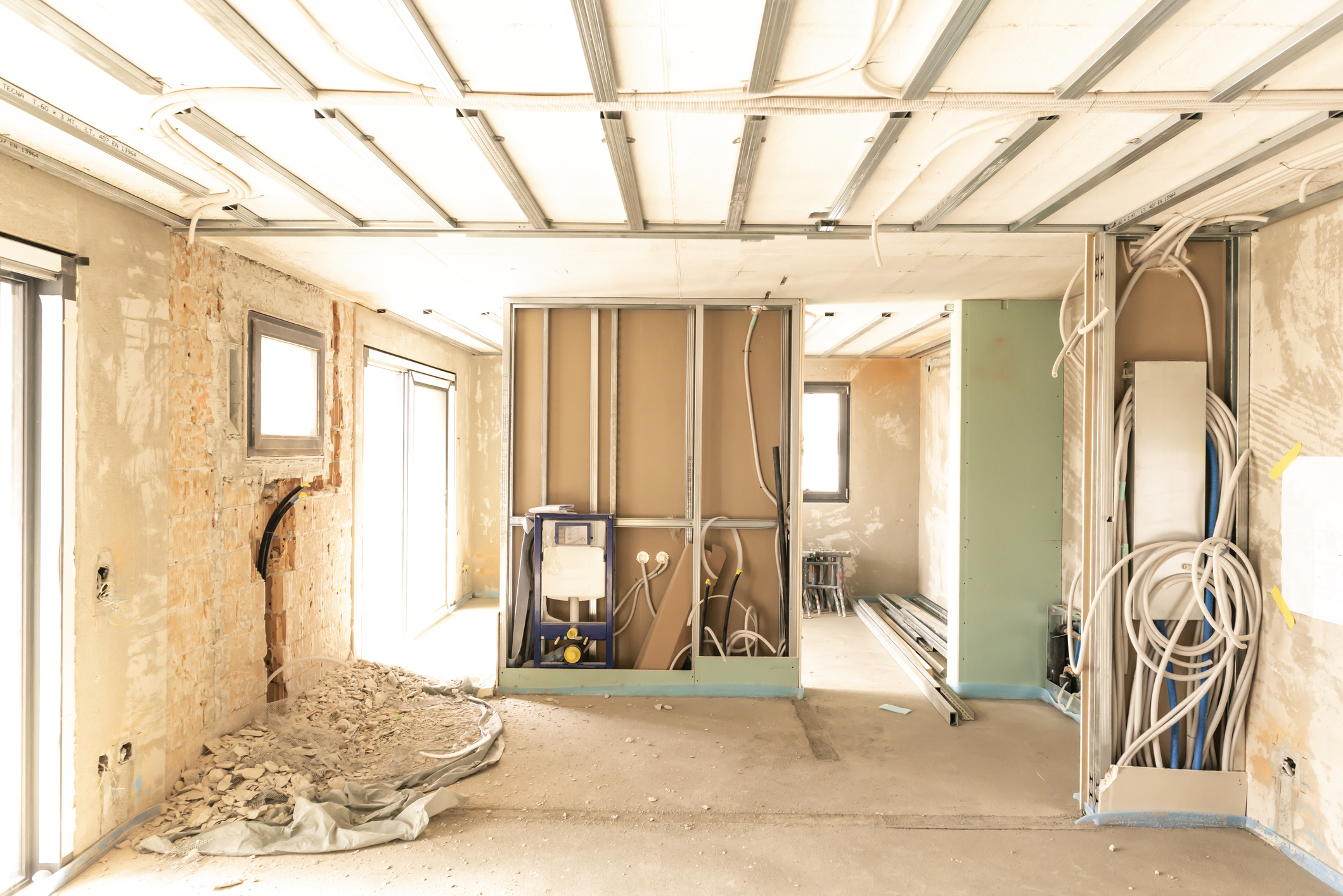
Auckland's homes run from 1900s villas to 1990s plaster-clad townhouses, and each era hides its own surprises behind the vanity. "The decade a house was built tells me most of what we'll find," says Tim. "The bathroom you can see is the easy part."
- Villas and bungalows (pre-1940s). The bathroom was often added or moved long after the house was built. Expect floors that are out of level, tired timber around the old bath and several generations of plumbing in one wall.
- 1960s to 1980s homes. Old vinyl flooring and some wall linings may contain asbestos, which has to be tested and removed by specialists. Some homes also have plastic water pipes that are past their best.
- 1990s and 2000s homes. Particle board floors, acrylic shower trays and sealant that has quietly failed are a common mix. "The particle board is fine until it gets wet. Then it swells, softens and holds moisture against the framing."
Do bathroom renovations need council consent?
Often they don't. According to Auckland Council, you're unlikely to need a building consent to replace or reposition a bath, basin, shower or toilet within an existing bathroom.
You're likely to need consent for:
- A tiled wet area shower. The council treats this as critical building work because it relies on carpentry and waterproof membranes, not only plumbing.
- A new ensuite. Adding a shower, basin and toilet that weren't there before means consent.
- Some apartment bathrooms. Moving fixtures in a multi-level building can mean new holes through fire-rated walls or floors.
- Moving drains. Shifting a toilet or shower a short distance is usually fine, but if the drain underneath has to be rerouted by more than a small amount, or the work cuts into floor joists or framing, you're likely to need consent. Your plumber or drainlayer can tell you which side of the line you're on.
The first one catches people out, because a tiled walk-in shower is at the top of most wish lists:
"Waterproofing is the one part of a bathroom you never see and can't fix later without ripping everything out," says Tim. "That's why the council wants to inspect it, and why we'd never skip the consent to save a few weeks."
Consent or not, all work has to meet the Building Code, and plumbing and electrical work must be done by licensed tradespeople. Keep the paperwork. You'll want it when you sell.
How long does a bathroom renovation take?
For a full strip-out and rebuild, Tim says to allow three to six weeks on site. A cosmetic refresh with no new tiling or plumbing can be done in a few days to two weeks. A full renovation takes that long because the trades have to follow each other and coordinate, which is tricky when everyone's busy.
There are three things that typically stretch renovation timelines:
- Consent. If your design needs one, the application has to be approved before work starts. Auckland Council has 20 working days to process a building consent, but the clock stops whenever it asks for more information, so allow longer and try to ensure you've provided all the details they need. Inspections are then booked along the way, including one of the waterproofing before any tiles go on.
- Lead times. Custom vanities and imported tiles can take weeks to arrive, so order them before the room is stripped, not after. Shower glass is usually measured once the tiles are on, so allow for a wait at the end.
- Surprises. Rot, old wiring or asbestos all add time. Tim did a job in Milford that needed a new subfloor and still finished on schedule, because the problem was found early and dealt with straight away.
"The jobs that run over are usually the ones where decisions get made late," says Tim. "Choose your tiles and fittings up front and the build goes much faster."
As you can see, bathroom renovations can take a wee while - Cain Built's clients often ask if they can stay during the process. The answer is usually yes, but Tim says they assess every job individually and work around the homeowner:
"If you've got a second bathroom that makes life a lot easier. If you've only got one, ask your builder how long you'll be without a working toilet or shower and you can usually make a plan around those days."
What happens during a professional bathroom renovation?
Every builder runs things a little differently. Cain Built's process has six stages:
- Initial consultation. You talk through how the room needs to work, the look you want and your budget.
- Design plan. A layout is drawn up to suit the space and the people using it.
- Itemised quote. You get a detailed, no-obligation quote that breaks down the costs.
- Project kickoff. Once you approve the plan, the team handles consents, scheduling and ordering materials.
- The build. The room is stripped out, any hidden damage is repaired, and the trades come through in sequence.
- Final walkthrough. You check the finished bathroom with the builder before handover.
Stage five is where the surprises turn up. The first day or two of strip-out tells the builder what's really under the floor and behind the linings.
"We'd always rather stop and show the owner what we've found than cover it up and keep going," says Tim. "You get one chance to fix it properly, and it's while the walls are open."
The most common bathroom renovation mistakes
- Covering up instead of fixing. New tiles over a soft floor or a slow leak just hide the problem until it's much more expensive.
- No contingency. A good project manager will do everything they can to control costs and reduce surprises, but it still pays to have a spare 10-15% put aside.
- Skipping consent on a tiled shower. It saves a few weeks now and causes real trouble at sale time.
- Forgetting ventilation. An extractor fan that's too small, or one that vents into the roof space instead of outside, leads to mould within a couple of winters.
- Taking out the only bath. If you've got young kids, or you might sell to someone who does, think hard before you remove it.
- Choosing fittings late. Tapware and vanities decide where the plumbing goes. Change your mind after the pipes are in and you pay twice.
Where to spend and where to save
Tim says his rule of thumb is simple: spend on what you can't see or easily change, and save on what you can swap later:
"Nobody regrets paying for good waterproofing," says Tim. "Plenty of people regret the tapware they blew the budget on."
| Spend here | Save here | ||
|---|---|---|---|
| Waterproofing and the floor underneath it | Waterproofing and the floor underneath it | Keeping fixtures in their existing positions | Keeping fixtures in their existing positions |
| Plumbing inside the walls | Plumbing inside the walls | Mid-range tapware and basins, which often look great and can always be upgraded | Mid-range tapware and basins, which often look great and can always be upgraded |
| Ventilation and heating | Ventilation and heating | Tiling the wet areas only, with paint elsewhere | Tiling the wet areas only, with paint elsewhere |
| A quality shower, the fixture you use every day | A quality shower, the fixture you use every day | A shower over the bath in a compact family bathroom | A shower over the bath in a compact family bathroom |
Frequently asked questions
How much does a bathroom renovation cost in Auckland?
Cain Built puts a full bathroom renovation at around $25,000 to $40,000 or more, depending on size and finish. Hidden damage and layout changes push the figure up.
Do I need building consent to renovate a bathroom in Auckland?
Not for replacing or repositioning fixtures within an existing bathroom. You do need consent for a tiled wet area shower or for adding a new bathroom or ensuite, and you may need it if drains have to be substantially rerouted.
How long does a bathroom renovation take in Auckland?
Allow three to six weeks on site for a full renovation, plus time for design, consent and ordering materials beforehand.
Can I live at home during a bathroom renovation?
Usually, yes. Your builder will assess it job by job, and it's much easier if the house has a second bathroom.
Do I need to tell my insurer about a bathroom renovation?
Yes. Renovation work generally needs to be added to your existing house insurance before the job starts.
Author




Search
Other articles you might like