
Buying guide
Cross lease property: What you need to know before you buy
What does cross lease mean? What are the pros and cons? And what do you need to look out for before buying?


AI summary
A cross lease involves jointly owning land with others while leasing your portion. This can create issues, as you need neighbour consent for renovations, and restrictions on pets or renting may apply. A key risk is a defective title, where the property's layout doesn't match the official "flats plan," affecting all owners and hindering sales.
Converting to a freehold title is possible with all owners' agreement and can add significant value. Buyers should conduct thorough due diligence.

Article reviewed by Jake McKenzie, Director of Barry Satchell Consultants and Cross Lease Solutions.
Cross leases are a type of property ownership that have developed a reputation for being a little difficult. Often they’re fine, but in some cases cross lease titles can devalue your property, cause friction between neighbours and require a lot of money and paperwork to fix.
Before you buy a cross lease property it’s a good idea to understand exactly what you’re getting into - and what the cross lease means for you.
What is a cross lease?
The most common type of property ownership in New Zealand is freehold, where you own the land and the buildings on it. Cross lease titles works a little differently:
You jointly own all the land with other owners, or tenants in common.
You then rent or lease your portion of the land back from other owners.
You own the buildings on your portion of the land.
These leases are generally for long periods of up to 999 years and may feature a small charge of a few cents per year (that’s almost never required to be paid). Properties with cross lease titles often have shared property, such as fences, driveways, paths and lawns, and the cost of maintaining these areas is shared between owners.
What’s the problem with cross leases?
They often restrict what you can do with your property
Because you jointly own all the land with other people, some cross leases put restrictions on what you can and can’t do with your property. For example you may not be allowed to:
Keep pets at your property.
Rent the home out long term or on Airbnb.
Use the property for business purposes.
You may also not be able to renovate without the permission of other joint owners, and the help of a surveyor. We’ve also seen some strange rules included in cross leases. For example, one block of flats in Auckland had ‘exclusive use’ of their back yards except for a small path which ran through them. This path was ‘common property’ and owners of the back units were permitted to use it to cross through the middle of the yards of the front units to put their bins out.

It's important to get along with your neighbours when you own a cross lease property.
Making changes can be more difficult
If you want to make a change to the layout of your property, that can be difficult with a cross lease. That’s because you’ll need to update the flats plan, a document that comes with the title – essentially a diagram of the property’s layout, including all buildings.
To update the flats plan you’ll need to first get the permission of all joint owners. Usually this is not a problem, but all it takes is one ‘no’ from the neighbours and your renovation, alteration or building plans are done for. If you do manage to get permission you’ll still need to get a surveyor to update the flats plan then lodge it with the council and lawyer to update the lease agreements and create a new cross lease title with Land Information New Zealand. This all costs money and takes time.
Your neighbours really matter
Because of the way cross leases work, it’s super important to have reasonable neighbours who are good communicators. But before you buy a property it’s almost impossible to really know what the neighbours are like, and once you buy it’s too late.
If you’re lucky you’ll have great neighbours who consent to all reasonable requests, don’t enforce no-pet rules and make your life easy. If you’re not, a difficult neighbour could make owning a cross lease property very difficult.
Fellow Trade Me content writer Hannah, who purchased a cross lease home two years ago, says communication is key here. "In the two years we've been in our cross lease, it hasn't been an issue," she says. "We just make sure we're communicating with our neighbours (probably more than we would if we weren't on a cross lease) to keep everyone in the loop with our plans."
They may reduce the value of your property
As you can see cross leases can be niggly. Because of that, lots of buyers will completely avoid buying a cross lease property and others will be very cautious. This can make it more difficult to sell your property, and may mean you have to sell it for a bit less. If buyers find that a title is defective they may also use this as a bargaining chip to lower the sale price (or they may pull out of the property purchase altogether).
On the flipside this may mean you’re able to buy a home for a bargain price, and if there’s no problems with the title or neighbours, you could be onto a winner.
If one owner doesn’t update the flats plan, all titles are defective
If any of the joint owners (including you) make changes to the exterior of their property without updating the flats plan, the title of every property on the cross lease could be defective. A defective title can make it difficult to secure lending or insurance against the property.
A property with a defective title can be very difficult, even impossible to sell.
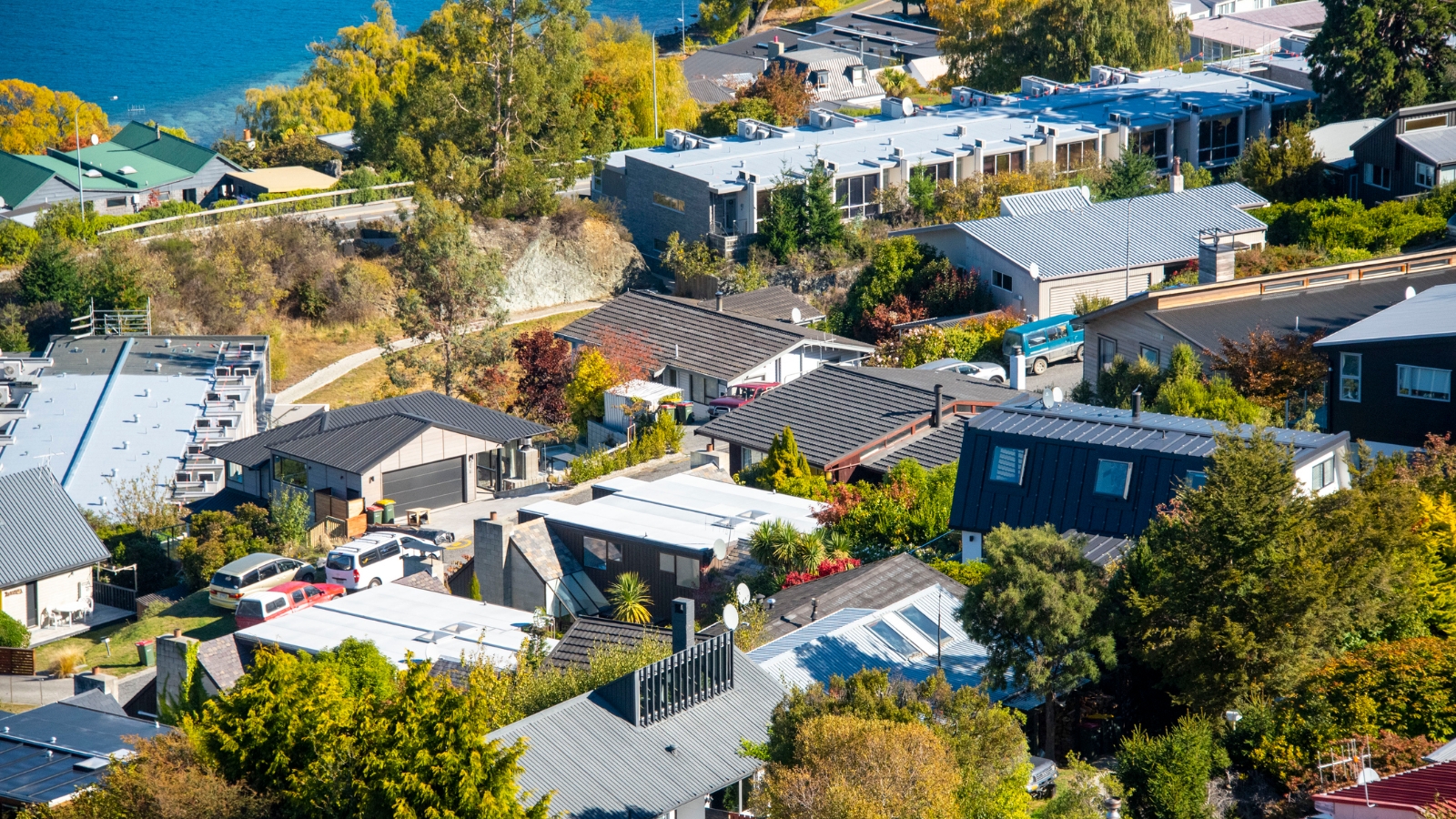
Cross leases tend to only be older properties.
Can you convert cross lease to freehold?
If you’ve bought a cross lease property (or you’re considering purchasing one), you’ll be happy to know that it’s possible to convert a cross lease title into a freehold one.
Hannah and her partner bought their property with the specific goal of freeholding it to add value, alongside renovations and landscaping. "Our research told us that getting the property off the cross lease could add roughly 10% to the total value of the property," she explains.
How to convert cross lease to freehold:
Here are the key steps involved in converting to freehold or fee simple:
- Agreement: All owners on the cross lease must change to freehold at the same time. You’ll need consent from everyone.*
- Surveying: You’ll need a licensed surveyor to complete any work required to get the property ready. This could include the modification of driveways or the installation of individual water metres at each property. They will generally submit the consent application to the council and LINZ.
- Lawyer: Your lawyer will then need to submit an application for final council approval and send all documents to Land Information New Zealand for the fee simple titles. They may also need to speak to your bank to discharge your old mortgage and register a mortgage under your new freehold title.
*The 'reluctant' neighbour: You might find one party is resistant to change. Hannah’s tip? "We had one neighbour who was struggling to get their head around it, so we offered to pay their share of the costs, and manage the project to get it moving."
How is the property split?
Because cross lease owners all jointly own the land their properties are on, you may assume you’d all get equal sections once the property was converted to freehold. But that’s usually not the case. Most often the property is split based on occupying areas, or in other words - the bits you’ve fenced in. Neighbours may change these areas by negotiating and reaching an agreement. For example, a neighbour who’s been asked to convert their title may agree to do so if they get a larger or equal share of the land.
How much does converting a cross lease to freehold cost?
In 2026, costs are highly dependent on your location and the specific requirements of your local Council.
We've gathered insights from specialist firms like Good Title (Survus), Cross Lease Solutions (Barry Satchell Consultants), Eliot Sinclair and Planning Plus, here’s what you can expect for a standard starting price:
| Region | Indicative cost | ||
|---|---|---|---|
| Auckland | Auckland | $38,000 – $48,000 | $38,000 – $48,000 |
| Christchurch | Christchurch | $31,000 – $38,000 | $31,000 – $38,000 |
| Hamilton | Hamilton | ~$40,000 | ~$40,000 |
| Queenstown/Wanaka | Queenstown/Wanaka | ~$31,000 | ~$31,000 |
Expert tip:
If you decide to DIY with individual consultants, Planning Plus (Auckland-based) have provided this rough cost breakdown:
- Planner: $5.5k–$6k+GST
- Civil Engineer: $5k+GST
- Surveyor: $10k+GST
- Council: $5k+
- LINZ: $2.5k+GST
- Legal fees: varied
To avoid any cost blow outs, look into 'one-stop' packages. They’re a great way to wrap up your surveyors, lawyers, Council fees, and LINZ into one tidy bundle.
Think of the conversion cost as a strategic investment rather than a bill. For a $1 million property, a modest 10% value lift adds $100,000 in equity. Even if the conversion costs $20,000, you’ve essentially turned $20k into $100k, a net gain of $80,000 and a house that is much easier to sell later.
Local 'gotchas' to watch for
Every Council plays by different rules. According to the team at Good Title, here’s what to look for in your region:
- Auckland: Expect to provide landslide hazard risk reports and detailed permeable/impermeable surface calculations to prove the site meets current standards.
- Christchurch: The Council usually won't sign off unless each house has its own completely separate water meter and water line.
- Selwyn & Ashburton: These Councils often require all servicing to be separated, which can sometimes make the cost of conversion prohibitive.
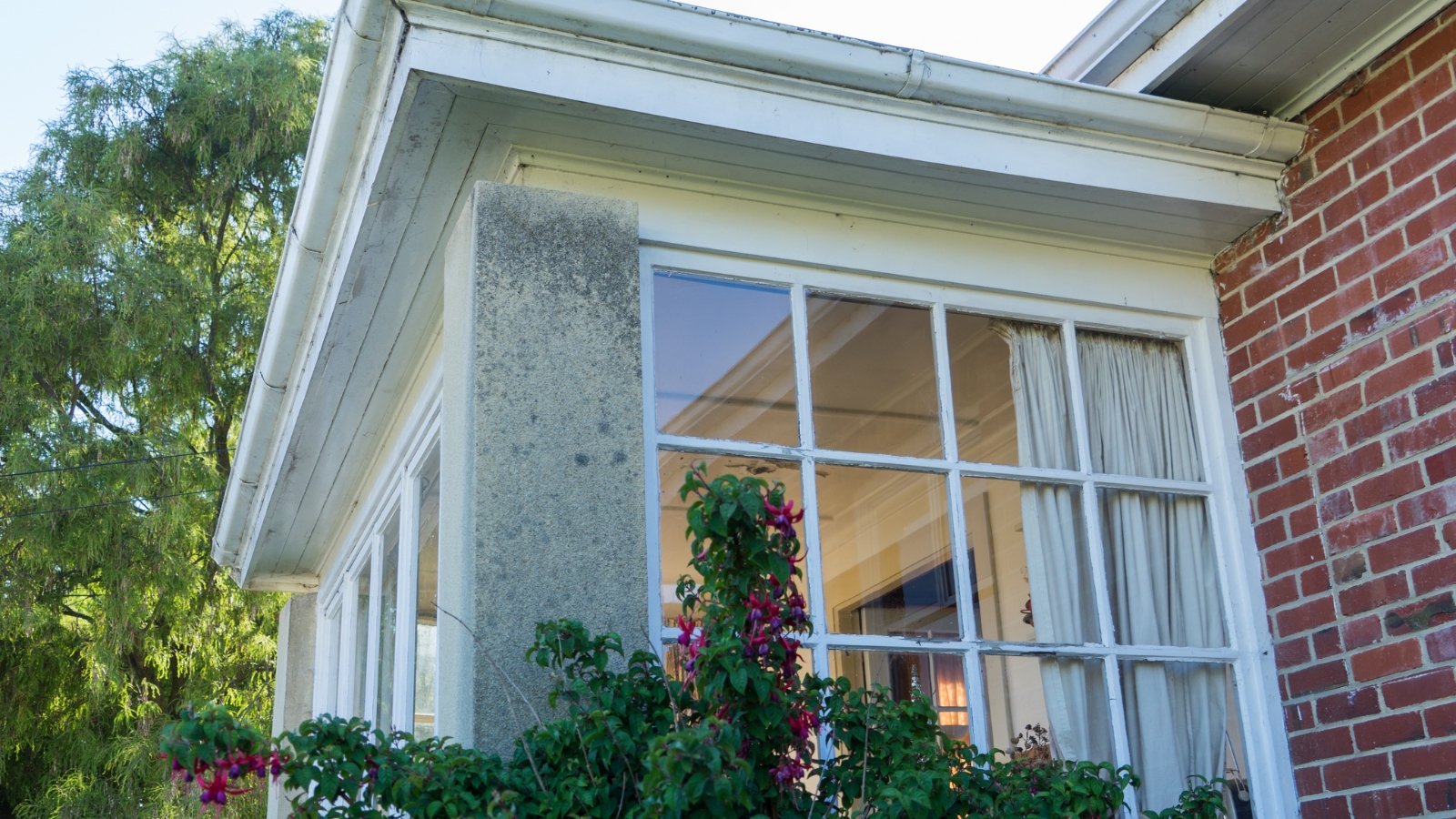
Cross lease properties can be fine but you should still take care when buying.
What to look out for when buying cross lease properties
Before you buy a cross lease property you’ll need to do thorough due diligence to make sure you understand exactly what you’re buying. You’ll need the help of an experienced property lawyer to:
- Check that the flats plan matches the layout of every property on it. You and/or lawyer can do this by hiring a surveyor or in some cases checking Google Maps via satellite view works.
- Understand what rules and restrictions are included in the cross lease.
- Clarify whether you have ‘exclusive use’ of any part of the land or buildings and understand which parts are common property. Some cross lease properties have backyards that are not deemed as exclusive use areas, which may work fine in practice, but technically your neighbours may have the right to enter your yard whenever they like.
- Check if there are any restrictions on how you can use the common property.
- Make sure you understand what responsibilities you have to maintain the property and all its shared areas, including driveways and gardens.
If you’re planning to convert the cross lease into a freehold title after you buy it’s a good idea to speak to the neighbours first to make sure they’re all on board. Give them an idea of the costs and the benefits of that conversion and get their agreement in writing if you can. They may like to join you in doing it which could save you some costs.
That way your conversion is more likely to go ahead smoothly and you may even end up with an instant capital gain when it's done.
Frequently Asked Questions
Q. Can I build a granny flat on my cross lease property without consent?
A. Even with the 2026 rule changes that allow granny flats up to 70sqm without council consent, you still need the written permission of your cross lease neighbours. Because you jointly own the land, any new structure that changes the "footprint" on the flats plan requires unanimous sign-off from all owners on the title.
Q. What happens if my neighbour refuses to freehold?
A. A conversion to freehold requires 100% agreement from all owners on the cross lease. If a neighbour is hesitant, the most successful approach is often a "value-based" conversation. Remind them that freeholding typically increases their property value by 7% to 18% and makes the home much easier to sell or refinance, according to Ross Holmes Lawyers.
Q. Does a cross lease property sell for less than a freehold one?
A. Generally, yes. Data suggests cross lease properties can sell for between 5% and 10% less than an equivalent freehold home in the same suburb. This "discount" is why many savvy buyers look for cross leases with the potential to convert - it's an instant way to manufacture equity.
Q. What exactly is a ‘defective’ title?
A. A title becomes "defective" if the physical buildings on the land don’t match the official "flats plan" registered with LINZ. This often happens when a previous owner added a conservatory, garage, or even a large deck without updating the plan. Banks are increasingly likely to decline a mortgage on a property with a defective title until it's fixed.
Q. How long does the conversion process take?
A. Expect the process to take between 4 and 9 months. The timeline depends on how quickly your surveyor can get the consent through council and how long LINZ takes to approve the plan and issue the new titles.
Q: Can I sell my property while the conversion is still in progress?
A: Yes! You don't have to wait for the new titles to be issued to hit the market. According to Good Title, once the Council has issued consent, you can safely list the property. Their legal teams often work with buyers and sellers to insert specific clauses into the sale and purchase agreement to cover the transition.
Need professional help with your cross lease?
Converting or fixing a cross lease isn't a DIY job. You’ll usually need a team that includes a specialist surveyor, a property lawyer, and a planner. Here are some New Zealand firms that specialise in cross lease solutions:
- Good Title (by Survus): Offers fixed-price 'one-stop' packages for Auckland and Canterbury. These are ideal for those who prefer a fully managed, start-to-finish process.
- Cross Lease Solutions (Barry Satchell Consultants): Specialists in Auckland and Christchurch cross lease conversions. Their team of planners, surveyors, engineers, and lawyers handles the entire end-to-end process.
- Planning Plus: Resource consent and planning experts who help you navigate the council side of your conversion.
Eliot Sinclair: This South Island based team combines planning, surveying, and engineering expertise to make the process as smooth as possible.
Note: These are independent businesses and we recommend doing your own due diligence before hiring a professional. Trade Me does not receive commission for these recommendations; they are provided for your convenience.
DISCLAIMER: The information contained in this article is general in nature. While facts have been checked, the article does not constitute an advice service. The article is only intended to provide education about cross lease properties in New Zealand. Nothing in this article constitutes a recommendation that any property or service is suitable for any specific person. We cannot assess anything about your personal circumstances, your finances, or your goals and objectives, all of which are unique to you. Before making decisions about property, we highly recommend you seek professional advice.
Jake McKenzie
Jake McKenzie is Director of Barry Satchell Consultants and Cross Lease Solutions. With more than 15 years’ experience in surveying and land development, he specialises in cross lease conversions and development projects. Jake works closely with homeowners and developers to navigate council processes and deliver clear, practical outcomes. He lives in Auckland with his partner and young family.
Visit Cross Lease Solutions.
Author




Search
Other articles you might like


