Discover
From armoury to Kaipara home: the Kaiwaka house with a spy story
A former armoury, clad in steel and lined with mataī, is now a three-bedroom home above the Kaipara Harbour.


AI summary
"The Armoury" in Kaiwaka is a unique home with a rich history. Originally from Papakura Military Camp, the building once held Captain Dominique Prieur, one of the French agents jailed for the Rainbow Warrior bombing.
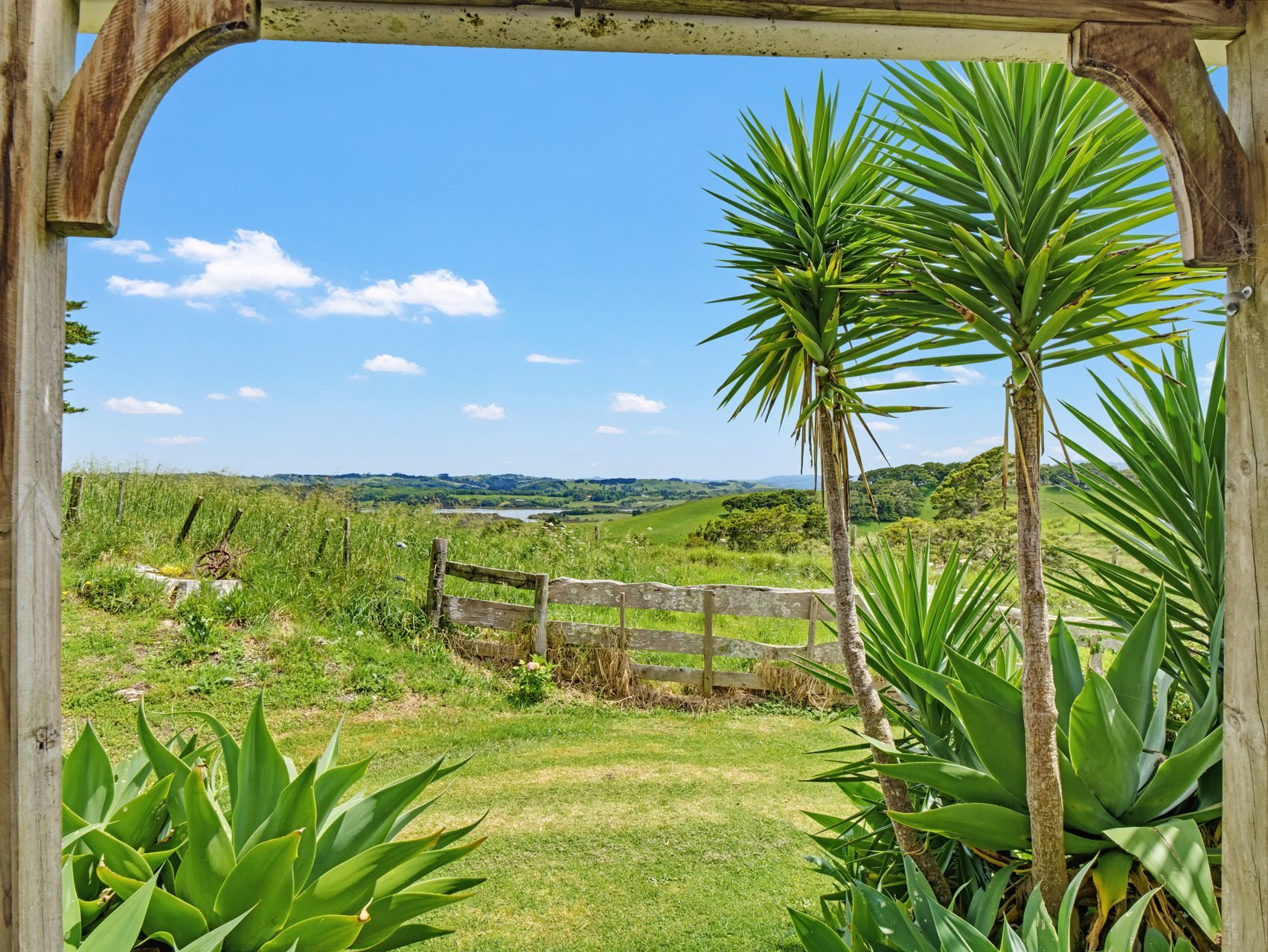
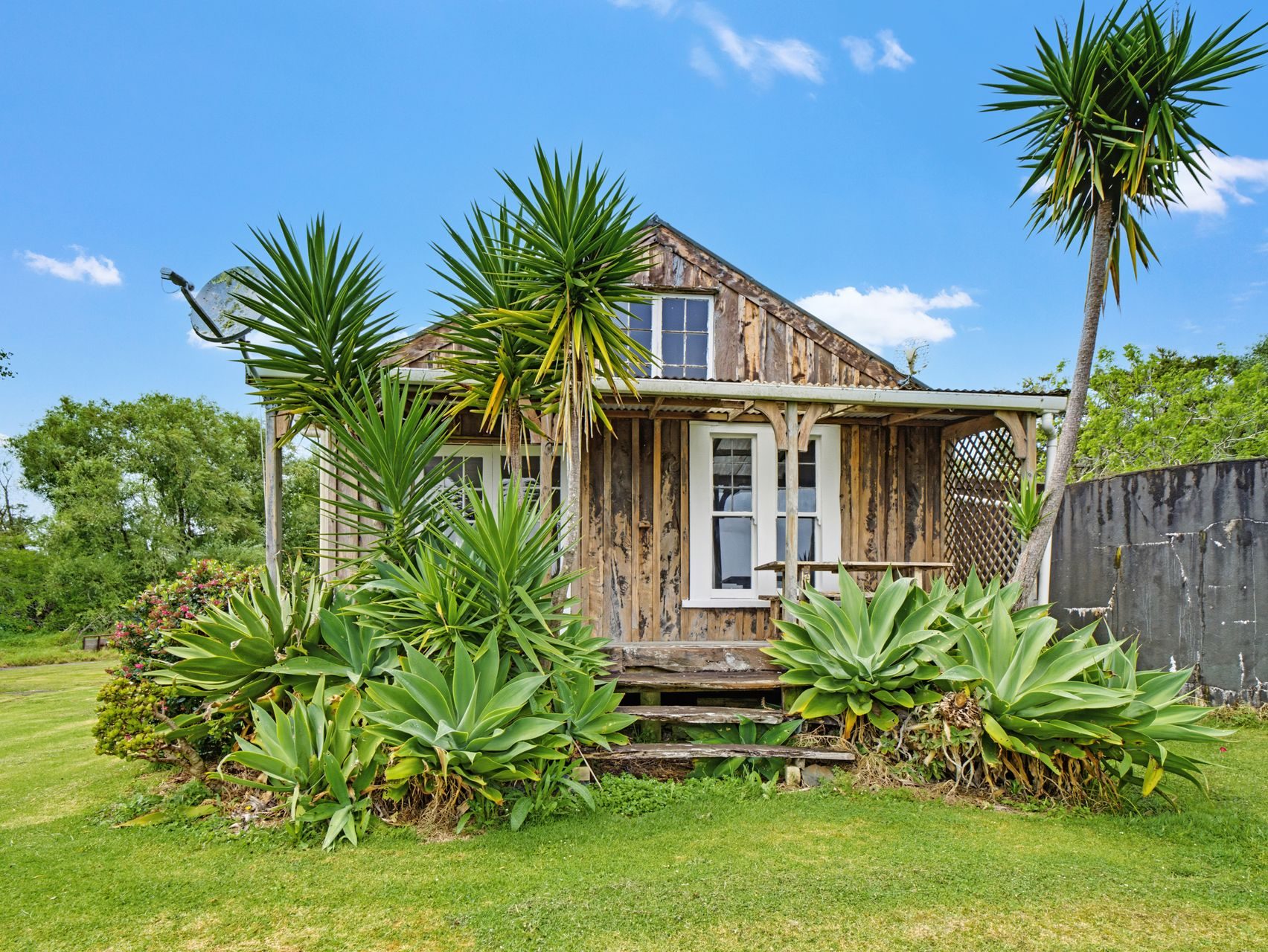
Now a three-bedroom home on historic family land, it overlooks the Kaipara Harbour. The steel-clad structure features a warm mataī interior, a north-facing deck, and original details like an armoury door, offering a tangible piece of New Zealand history blended with modern country living.
Most homes come with a builder's report. This Kaiwaka home comes with a chapter of New Zealand history – and a family story that goes back almost 150 years.
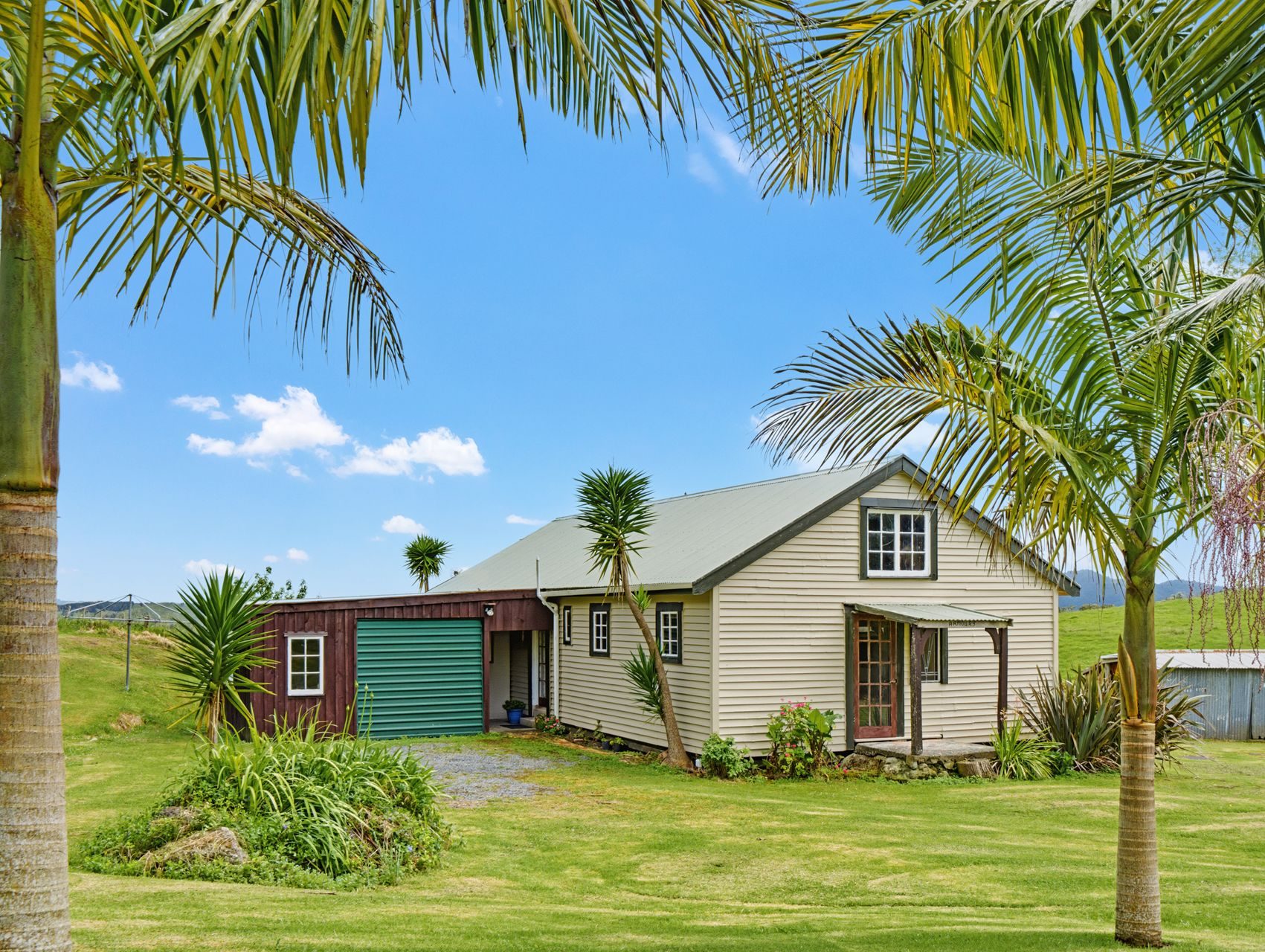
“The Armoury”, at 538 Oneriri Road, lives up to its name. The building once held weapons at Papakura Military Camp in South Auckland. It also served as a short-term lockup for Captain Dominique Prieur, one of the two French agents jailed over the 1985 bombing of the Rainbow Warrior.
“What makes ‘The Armoury’ so special is the incredible contrast between its formidable history … and the warm, inviting home it is today,” says Megan Hetges of Arizto Real Estate.
Owner Peter Linnell moved the building in 2005 onto land his family has farmed since the 1870s. Today it's a three-bedroom, one-bathroom home of 96sqm on 0.46 hectares, with an asking price of $670,000.
Megan says buyers have shown strong early interest, “completely captivated by the history, the views, the location, and the accessible price point”.
A night on the Waitematā
Just before midnight on 10 July 1985, two bombs sank Greenpeace's flagship Rainbow Warrior at Marsden Wharf in Auckland's Waitematā Harbour, killing photographer Fernando Pereira.
Within days, police – helped by a tip from a Neighbourhood Watch group – arrested a couple travelling as Swiss honeymooners Alain and Sophie Turenge. They turned out to be Major Alain Mafart and Captain Dominique Prieur of the French military.
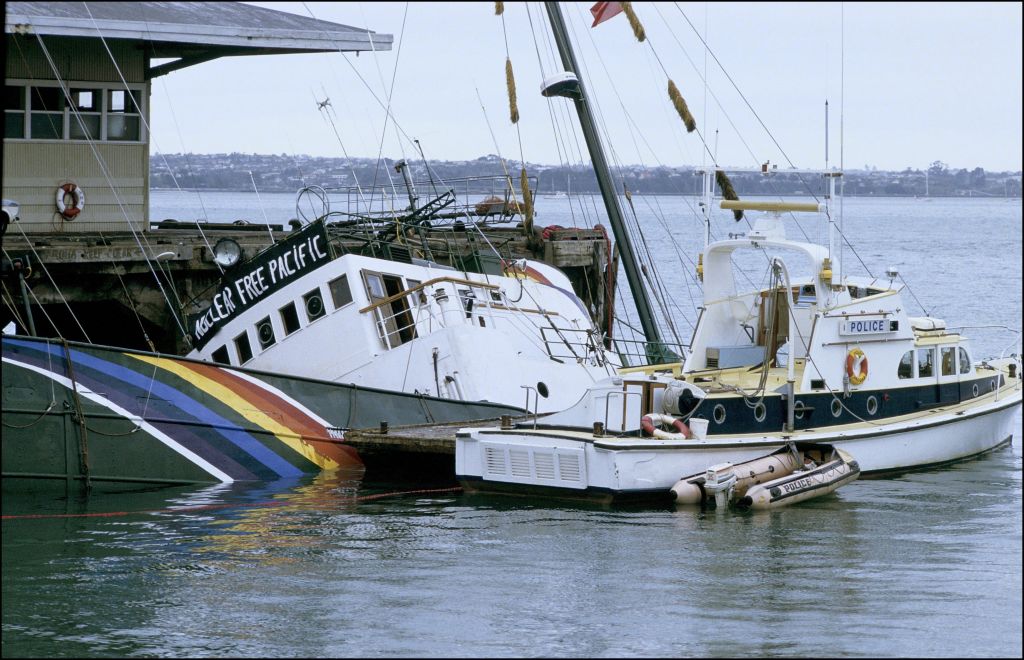
The Greenpeace organization's protest flagship, "Rainbow Warrior", was sunk in the port of Auckland, New Zealand, by an explosion which killed the ship's Dutch photographer.
How do you hold a spy?
Keeping the pair secure became a headache for New Zealand's justice system. Prieur was first held at Mt Eden Prison, then moved to Christchurch Women's Prison.
Amid fears of an escape plot, she was flown back to Auckland by helicopter on 18 September 1985 and held at the Ardmore military correctional facility, which came under the Papakura camp. More than 70 soldiers ringed the barracks with barbed wire – one neighbour called the result a “mini-Colditz”.
In November 1985 the pair pleaded guilty to manslaughter and were sentenced to 10 years in prison. Under a deal with France, they were moved to Hao Atoll in French Polynesia in July 1986, and both were back in France within two years.
The Papakura military camp and Dominique Prieur on her return to France


Four generations on the Kaipara
The Armoury's story is only half of it. The land it sits on has been in Peter's family for almost 150 years.
His great-grandparents, Mary Hull and George Linnell, arrived in New Zealand in 1860 and 1862. They married in 1867 at Mary's parents' home at Fairburn, near Baldrock, Kaiwaka.
“They initially leased the Waihakari block from a Māori chief named Hemara before purchasing it in the 1870s,” says Peter. On 2 July 1879 – George's 35th birthday – the couple moved into their new home on the farm.
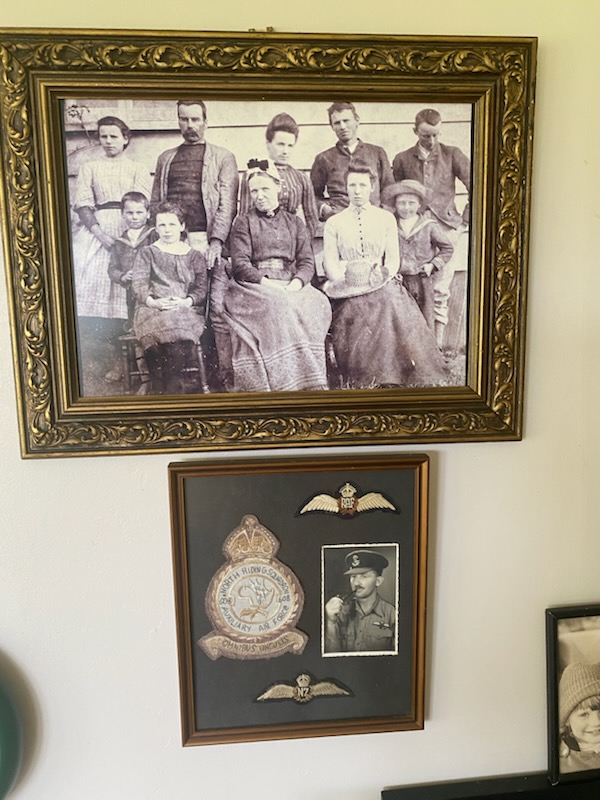
Historic Linnell family photo on the land, c. 1890
Peter has lived next door, in his childhood home, since 1993. The Armoury now stands where a kauri woolshed built by his great-grandfather stood until a fire destroyed it in 2002.
“When I saw the Armoury building on a Sunday in 2005, I immediately loved the beautiful mataī lining inside,” says Peter. “I purchased it on the Thursday and relocated it here.”
Built like a vault
Turning a military building into a home was no small job. The whole structure is encased in steel sheeting about 3mm (1/8 inch) thick, and adding windows and doors meant cutting through solid timber, weatherboard and steel.
The floor is extra thick too, made from layered timber and tongue and groove. In the single bedroom, the original armoury mesh wall and heavy metal door are still in place (ideal for anyone who takes a good night's sleep very seriously).
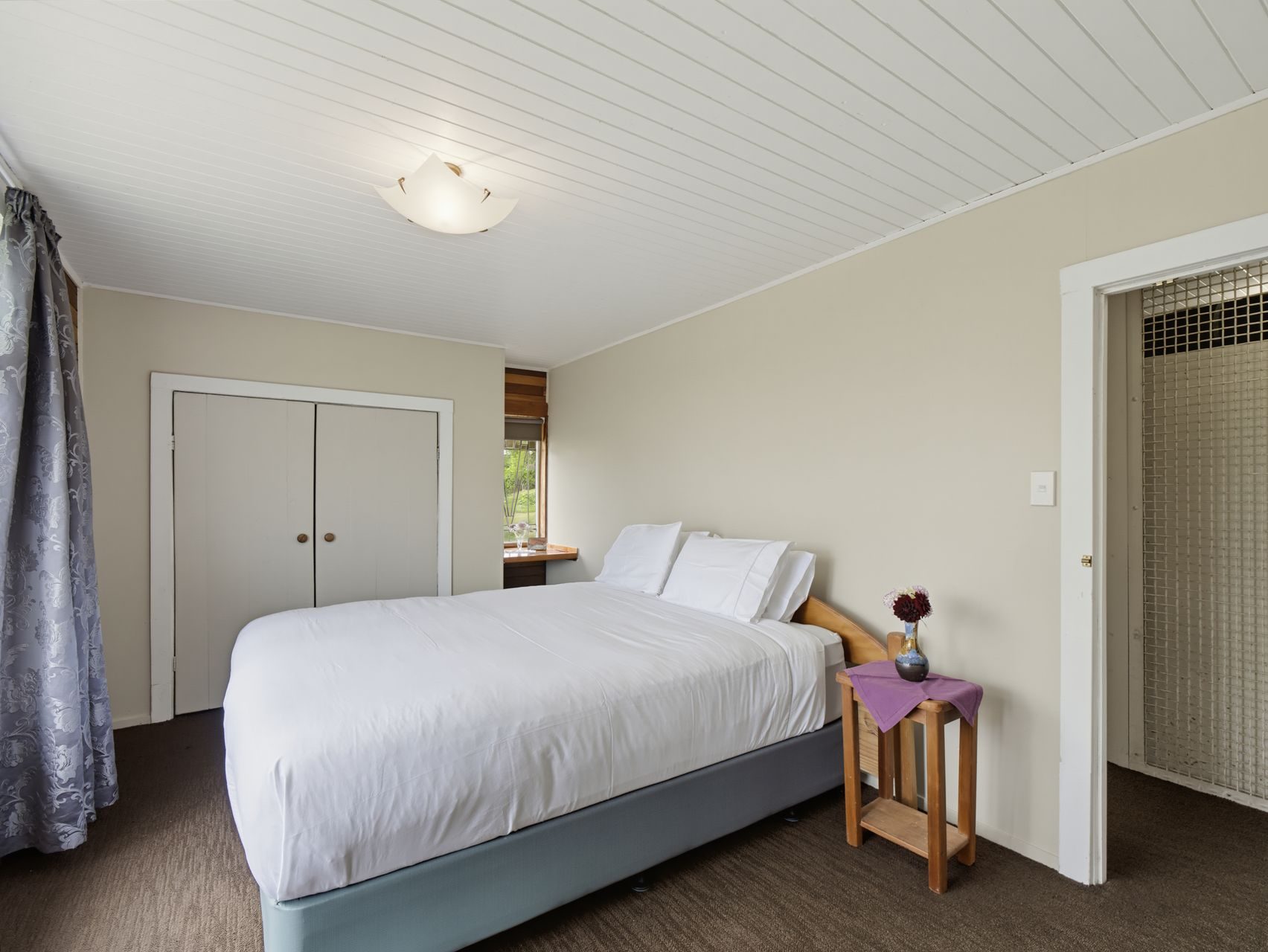
You can see the original armoury mesh wall on the right hand side
Handmade warmth
Inside, the steel gives way to exposed mataī lining. The kauri and native timber benches in the kitchen and bathroom were handmade by Peter himself.
The main bedroom opens directly into the bathroom, and the second bedroom has its own outside access. A sunny north-facing deck looks out over the upper Kaipara Harbour.
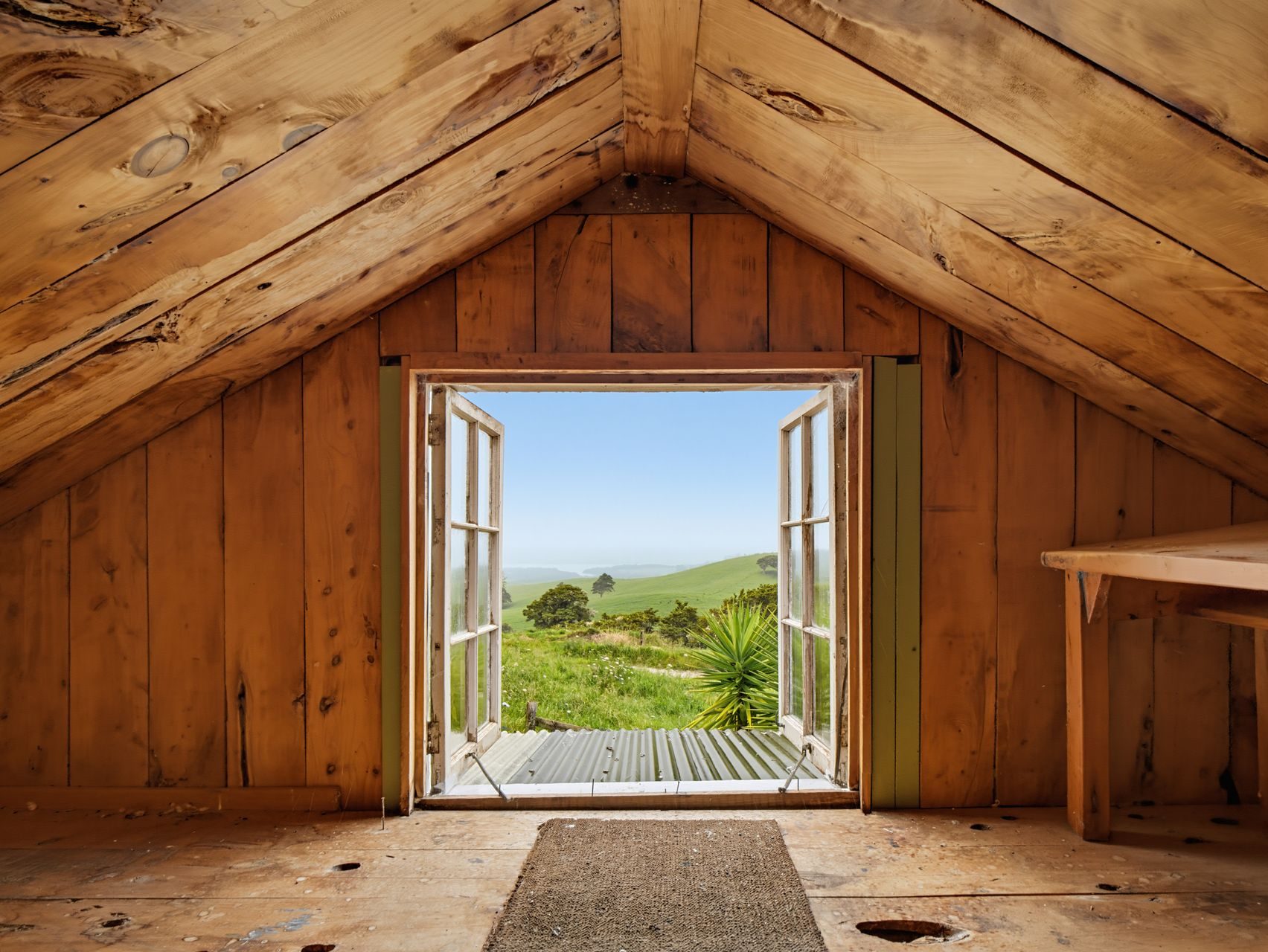
Pull down a ladder and you'll find a full-height roof space set up as a rustic “artist's escape”, overlooking the tidal reaches of the Kaipara. Megan says it's one of the quirks buyers love most.
A peek inside
Sheds, sheep and the Kaipara
Outside there's a garage with chainsaw-milled macrocarpa beams and covered access. The section also has a historic implement shed and a workshop with three-phase power and heavy machinery, plus a shed with a race for drafting sheep.
There's a 5,000-gallon (about 22,700-litre) water tank and a pumped septic system. Kaiwaka is five minutes away on a sealed road, and Mangawhai is within easy reach.
The next chapter
“I just love the privacy and the harbour views,” says Peter. “It has a very special warmth and character, and transforming it into a home has been a real labour of love with deep family connections.”
For Megan, the appeal is simple: “It is a rare chance to own a very tangible slice of New Zealand history.”
Check out the full listing on Trade Me Property.
Author
Discover More



Search
Other articles you might like