Buying guide
Should I buy a monolithic cladding house? Understanding NZ leaky homes
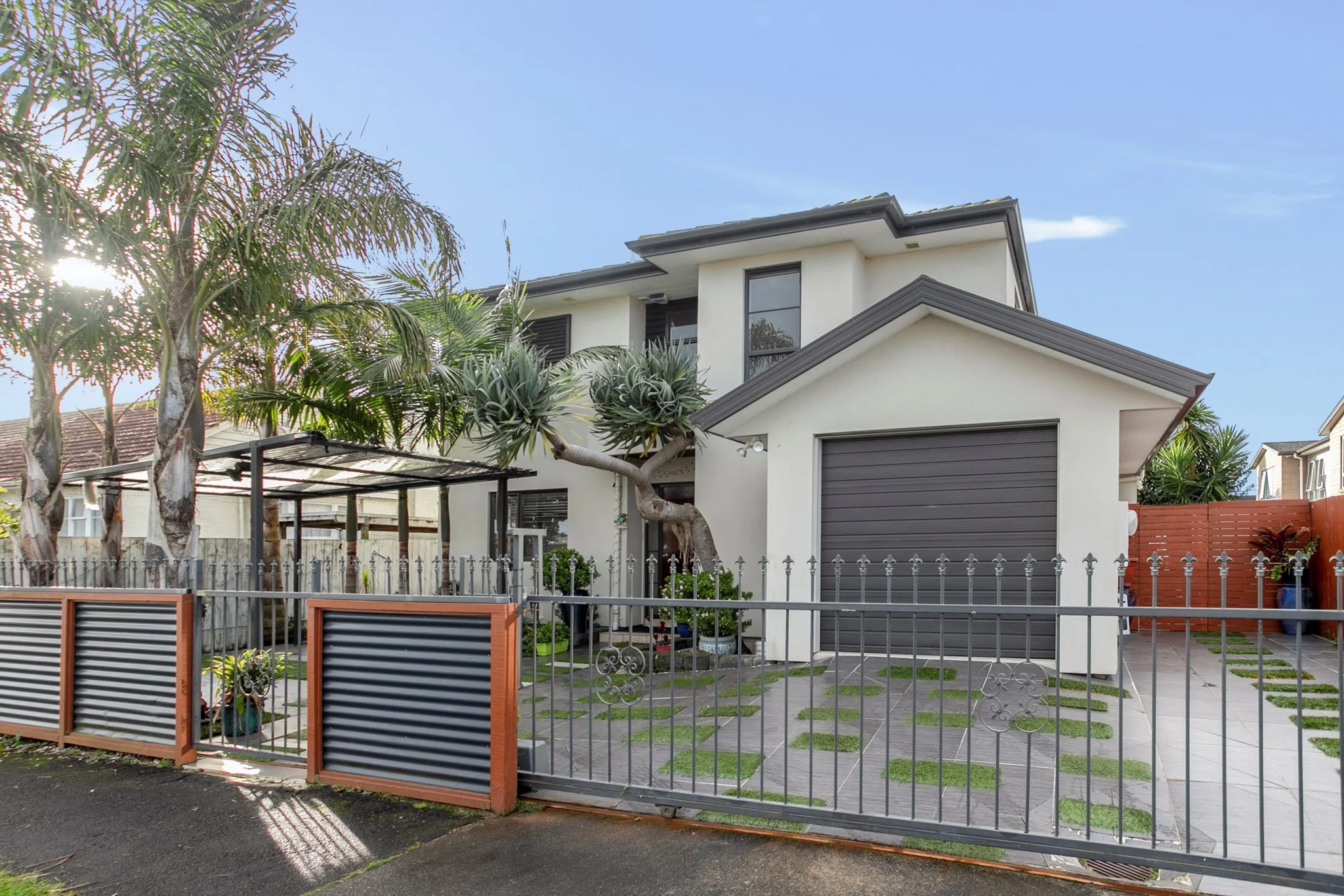
Properties with plaster or monolithic cladding can be risky purchases, but they're not all leaky.


AI summary
Buying a home with monolithic cladding requires caution due to the NZ leaky homes crisis. These properties, especially from 1987-2005, can trap moisture, causing rot, health issues, and costly repairs often exceeding $330,000.
Look for warning signs like mould, sagging ceilings, or swollen materials. Before purchasing, always get a specialised building inspection to check moisture levels. Homes built post-2005 with a proper drainage cavity are generally a lower risk, but diligence is essential.
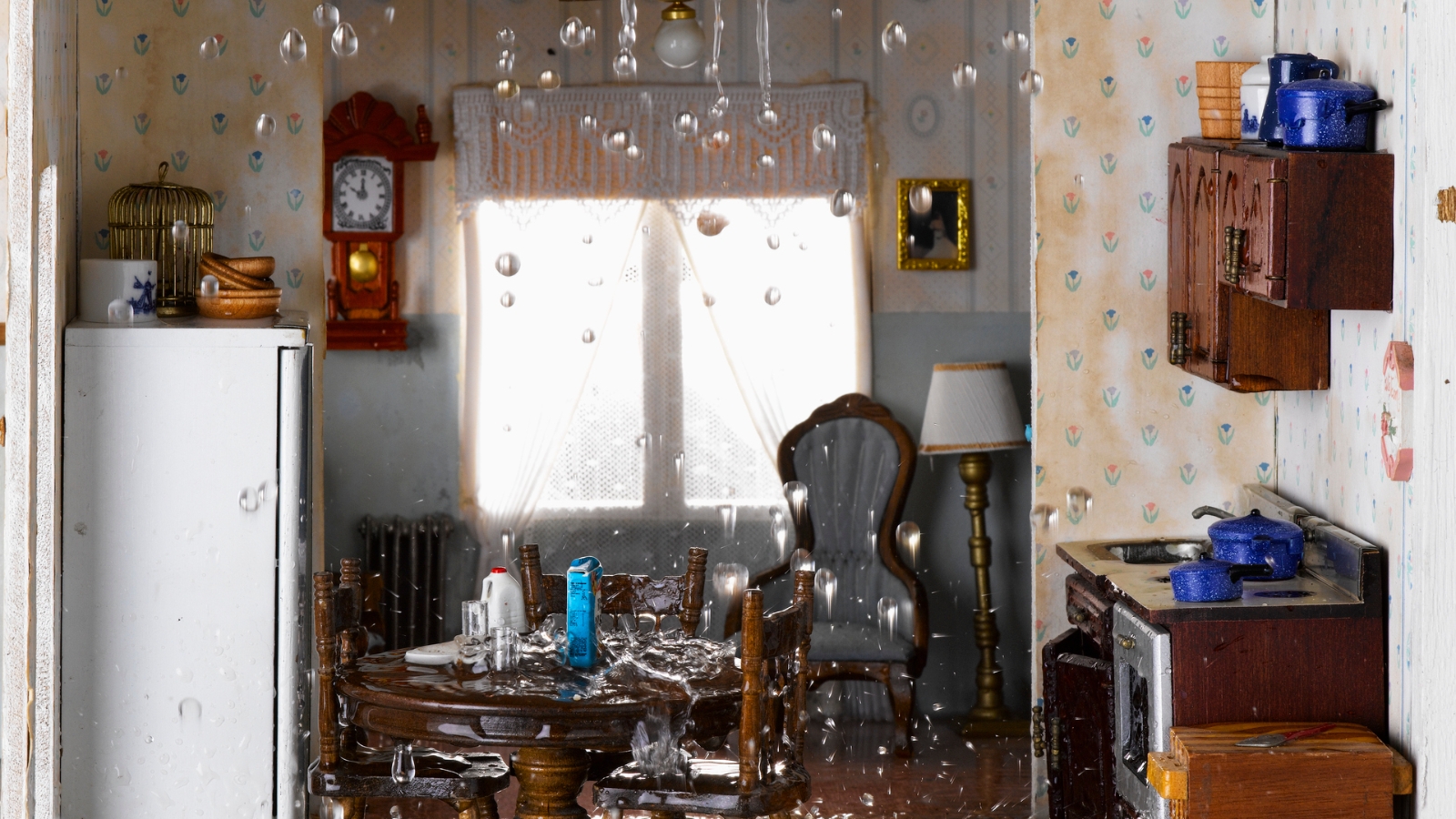
What exactly is a leaky home?
What caused the NZ leaky homes crisis?
Monolithic cladding — the main culprit?

Not all plaster homes leak, but they may be at a higher risk.
How can I spot a leaky home?
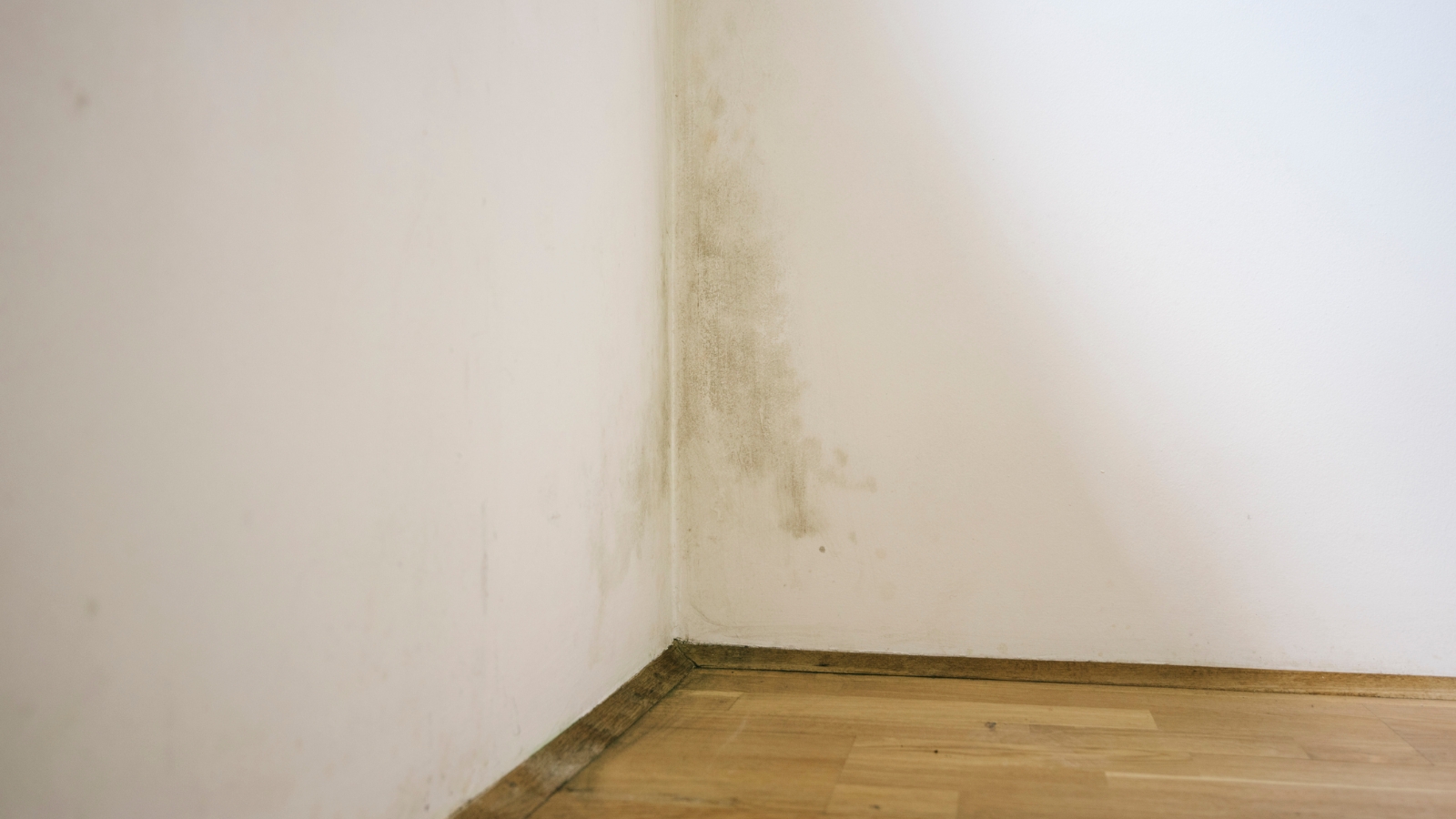
If you keep your eyes open during a property inspection you may be able to spot signs that a home is leaky.
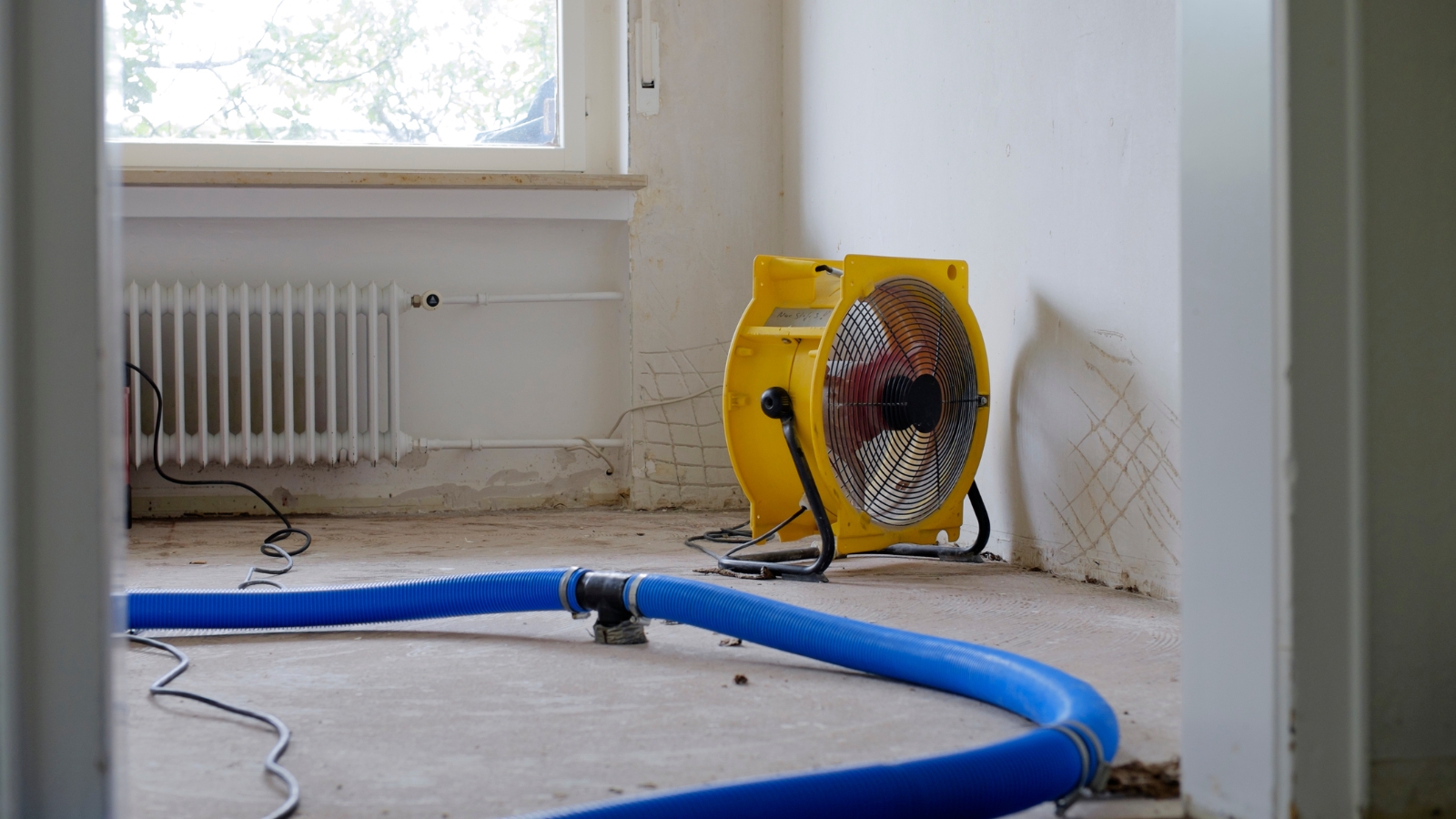
Not all plaster homes are leaky but they should be approached with caution.
The cost of fixing a leaky home
Should I buy a monolithic cladding house?
FAQs — Navigating leaky homes in NZ
Author
Discover More
.jpg)
‘I wanted it to disappear into the land’: For years they dreamed of their ideal home. That dream came true
A dream Timaru home blends into the landscape, with mountain and ocean views, natural stone and a hidden cinema.
Game on: five homes with unbelievable sports setups
Dreaming of a home where sport takes centre stage? These five homes elevate active living to an art form.


Search
Other articles you might like