Buying guide
Should I buy a monolithic cladding house? Understanding NZ leaky homes
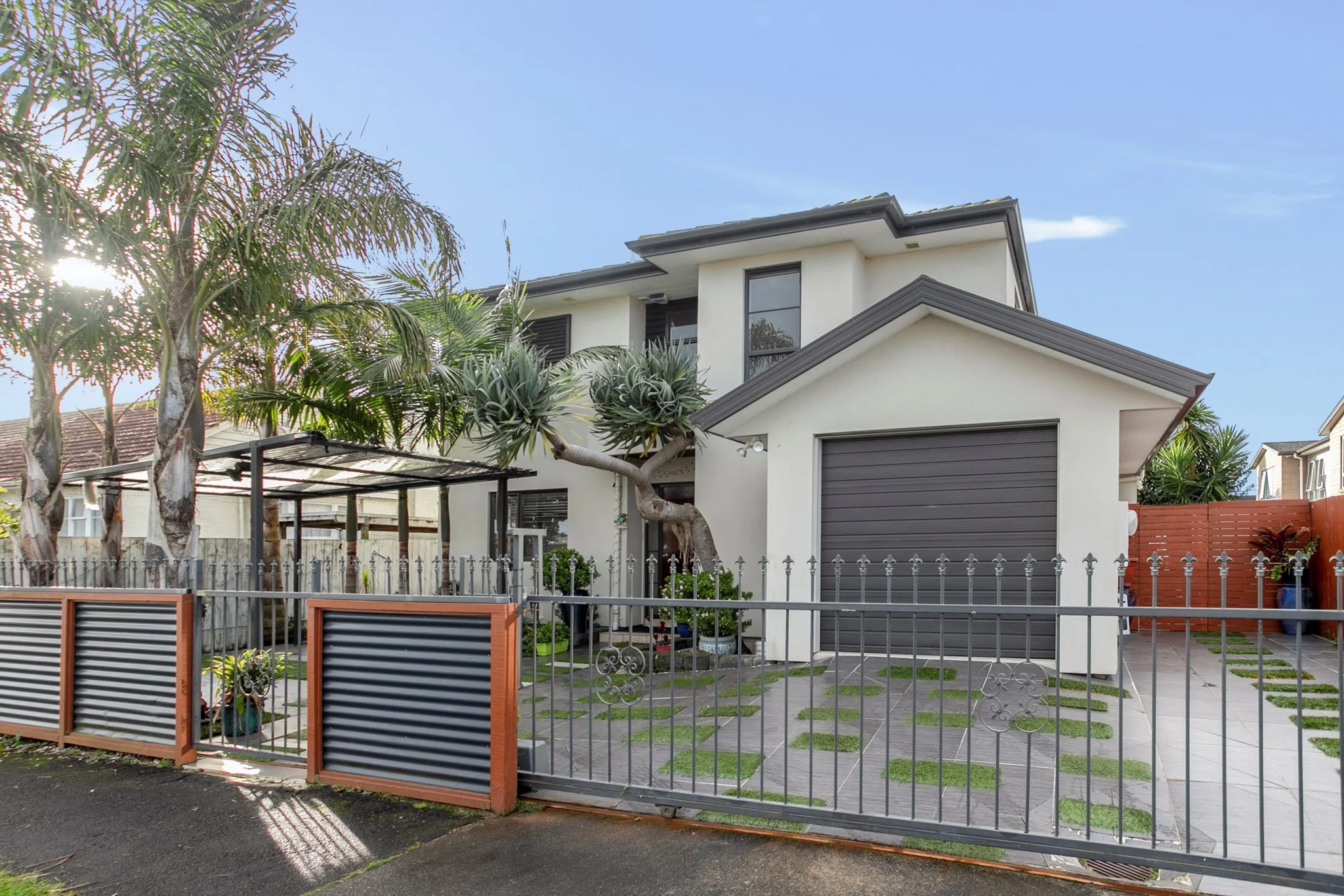
Properties with plaster or monolithic cladding can be risky purchases, but they're not all leaky.


AI summary
Buying a home with monolithic cladding requires caution due to its link to the NZ leaky homes crisis (1987-2005). While not all plaster homes leak, design flaws and poor building practices increase the risk of water damage, which can cause health issues.
Warning signs include:
- Sagging ceilings or mould
- Swollen skirting boards
- Rusted screws
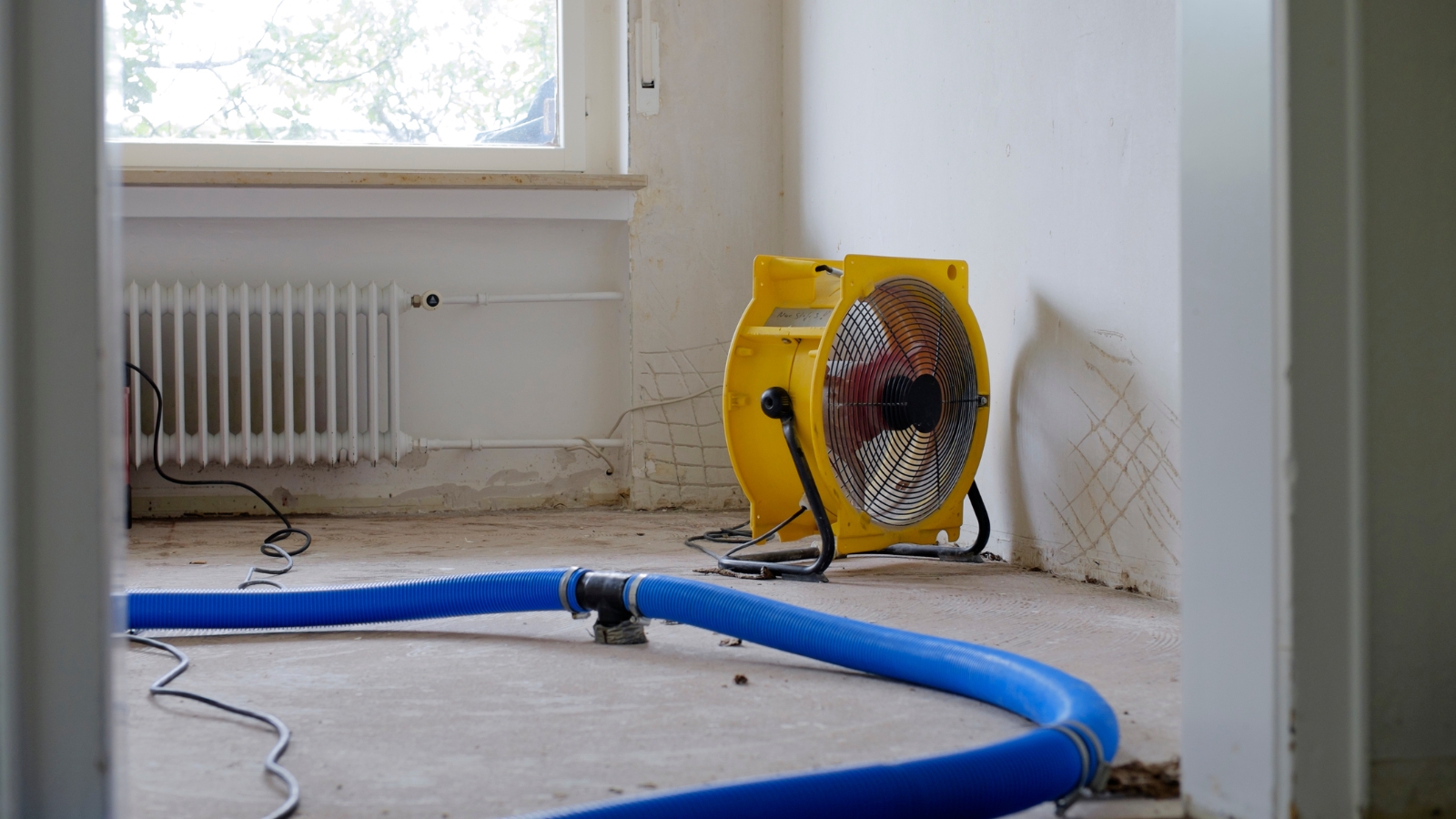
Repairs can exceed $330,000, and securing insurance is often difficult. Always get a specialised building inspection to assess moisture levels before making an offer.
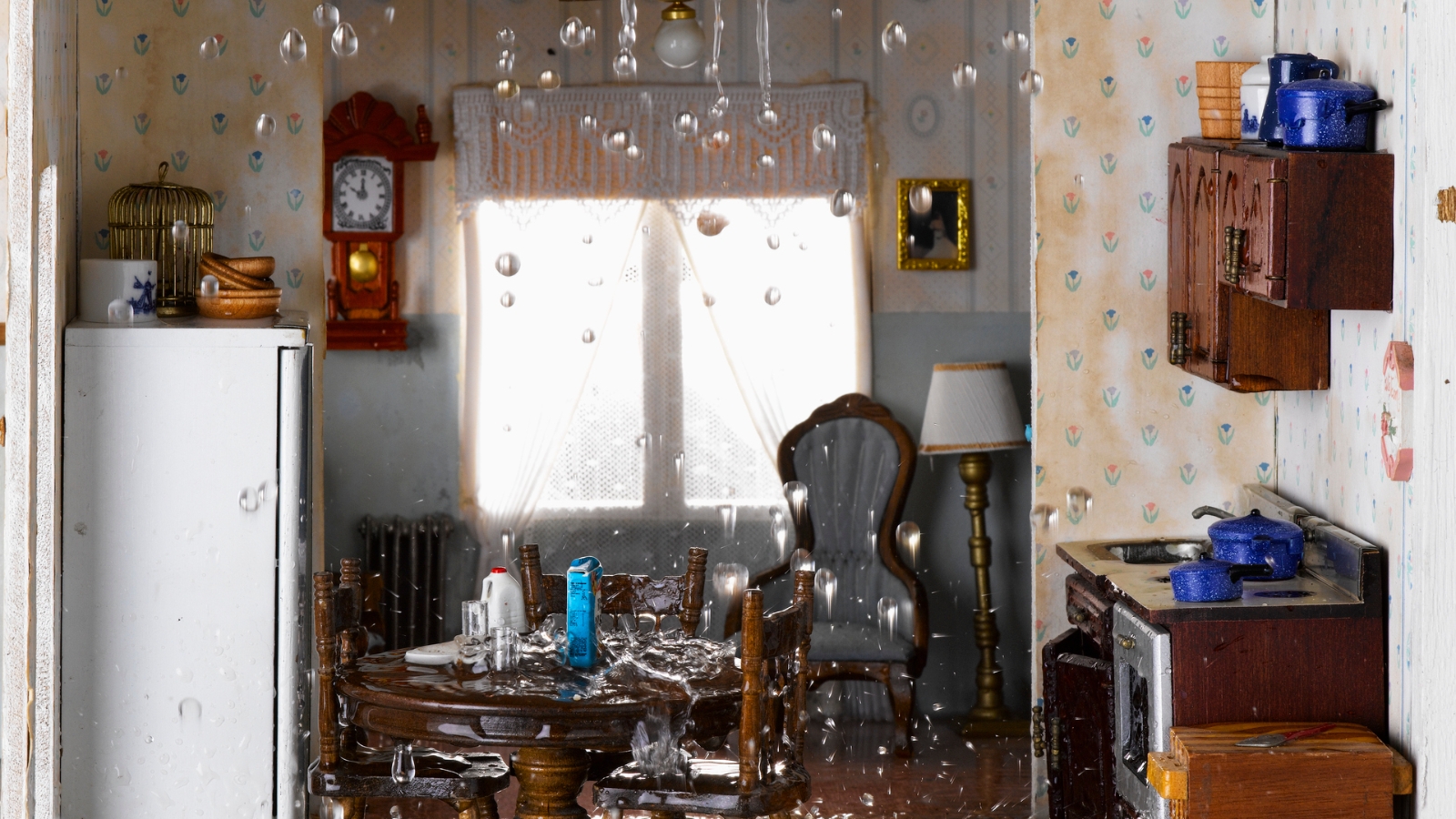
What exactly is a leaky home?
What caused the NZ leaky homes crisis?
Monolithic cladding — the main culprit?

Not all plaster homes leak, but they may be at a higher risk.
How can I spot a leaky home?
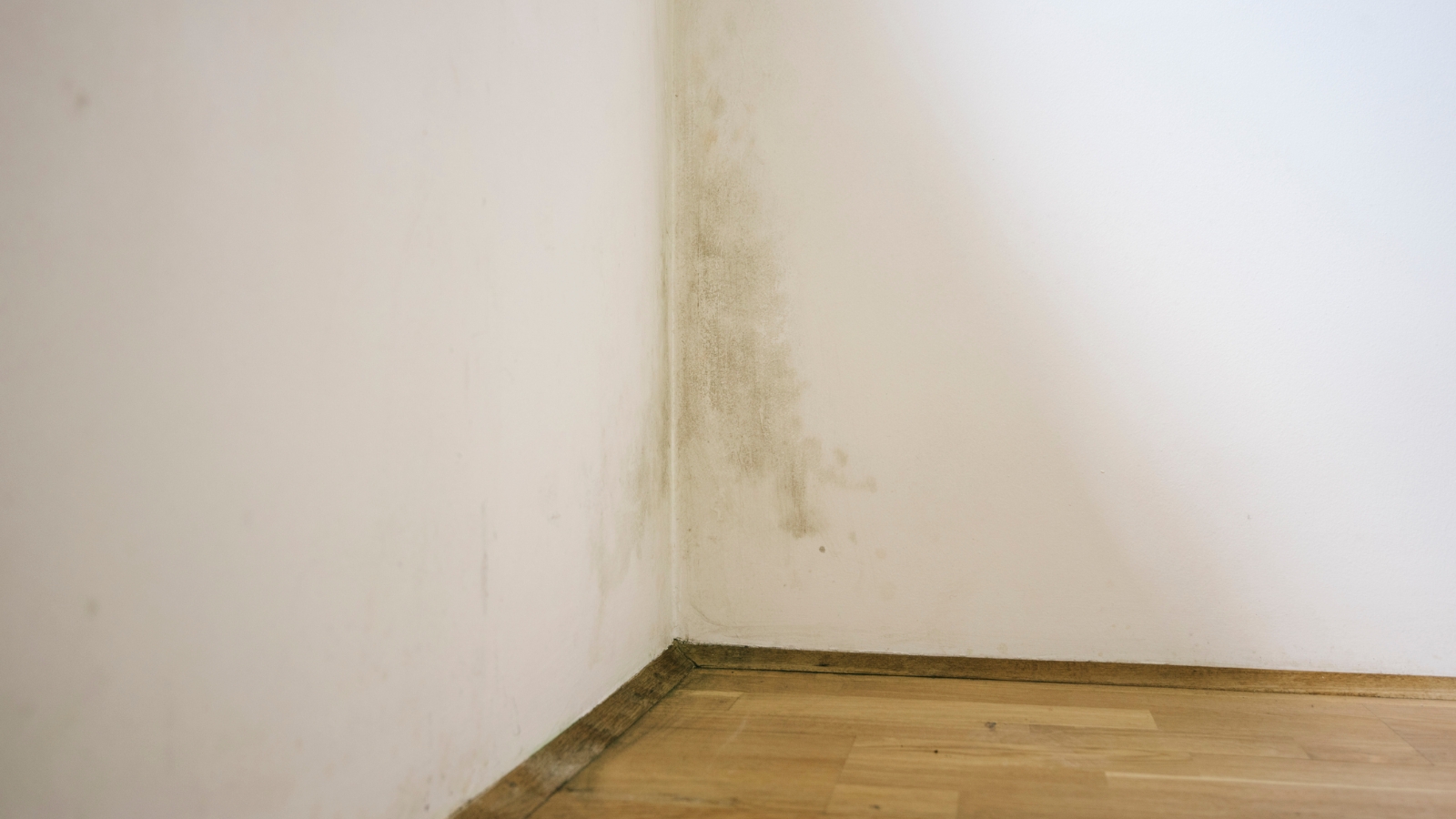
If you keep your eyes open during a property inspection you may be able to spot signs that a home is leaky.
Not all plaster homes are leaky but they should be approached with caution.
The cost of fixing a leaky home
Should I buy a monolithic cladding house?
FAQs — Navigating leaky homes in NZ
Author
Discover More

LVR explained: what loan to value ratios mean for your mortgage
What exactly does LVR mean and how could it affect your home loan?

‘It's enchanting’: Waterfront homeowner prepares to say a reluctant goodbye
A cherished Russell waterfront retreat with rich history and private beach access is ready for its next owner.


Search
Other articles you might like