Buying guide
Should I buy a monolithic cladding house? Understanding NZ leaky homes
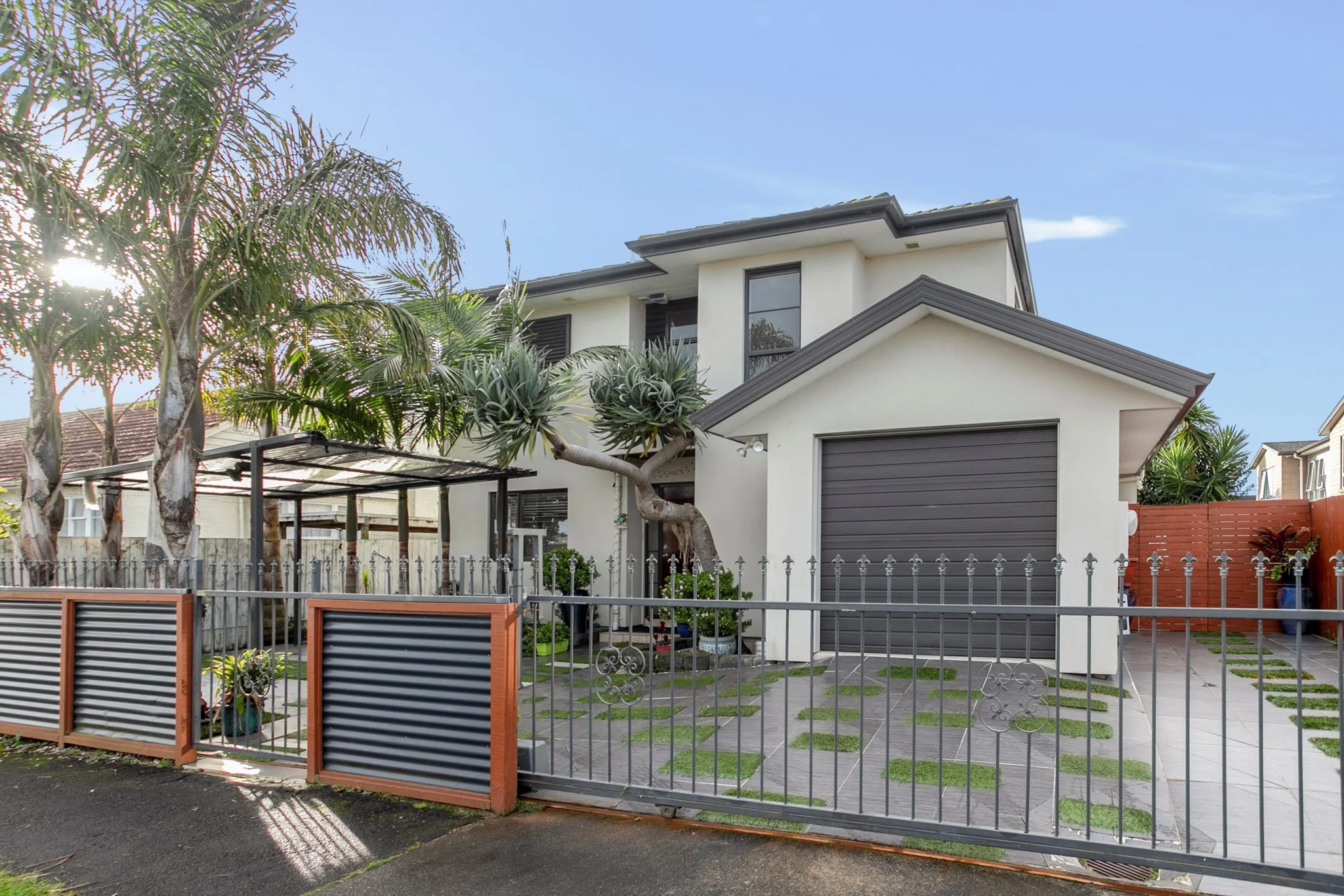
Properties with plaster or monolithic cladding can be risky purchases, but they're not all leaky.


AI summary
Buying a home with monolithic cladding requires caution due to the NZ leaky homes crisis, but not all are problematic. Issues often stem from homes built between 1987-2005 with poor design and no drainage cavity.
Warning signs include:
- Sagging ceilings
- Mould or fungi
- Swollen skirting boards
Repairs can exceed $330,000, and securing finance or insurance can be difficult. A specialised building inspection is essential to assess moisture levels and risk before you commit.
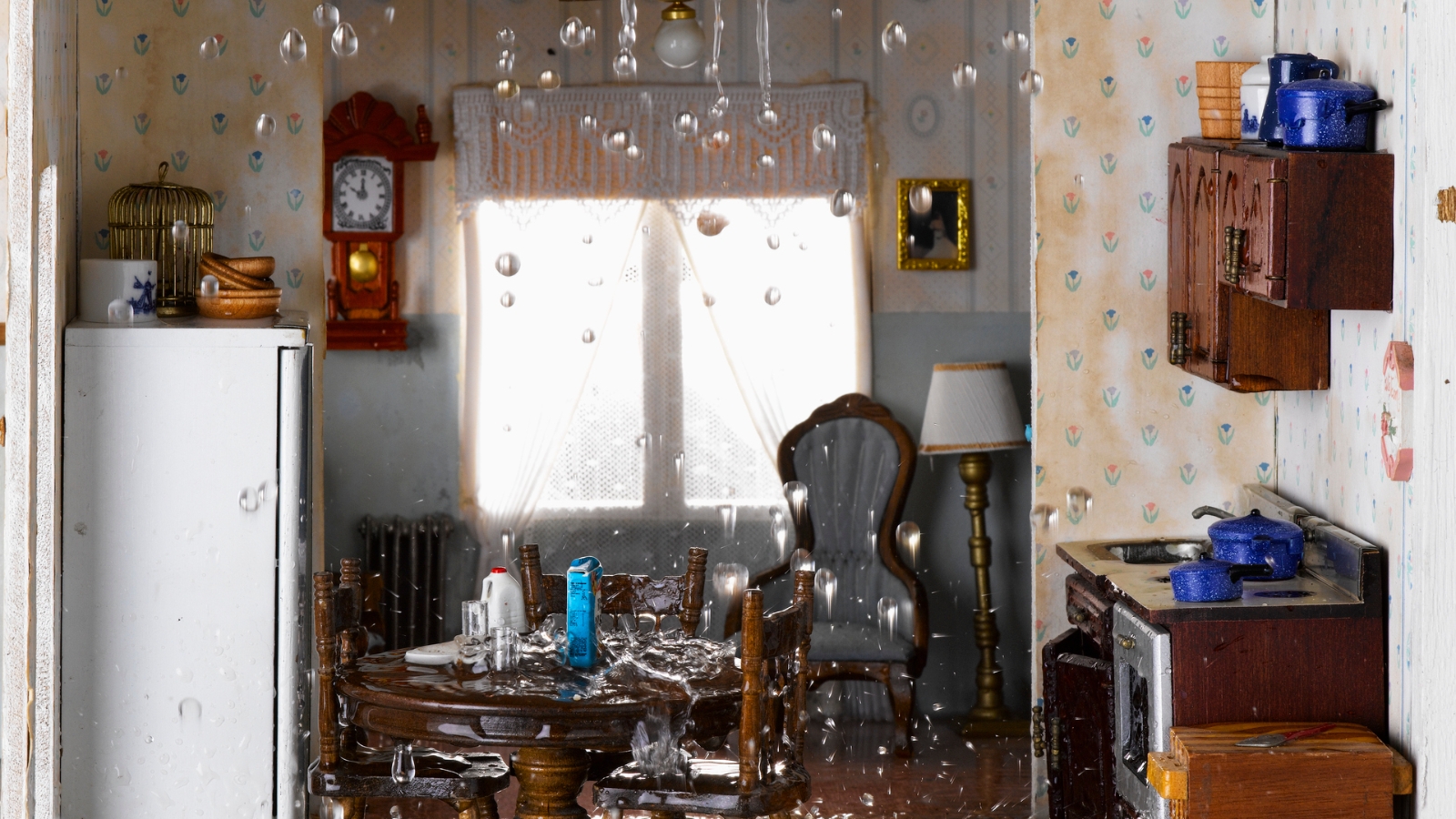
What exactly is a leaky home?
What caused the NZ leaky homes crisis?
Monolithic cladding — the main culprit?

Not all plaster homes leak, but they may be at a higher risk.
How can I spot a leaky home?
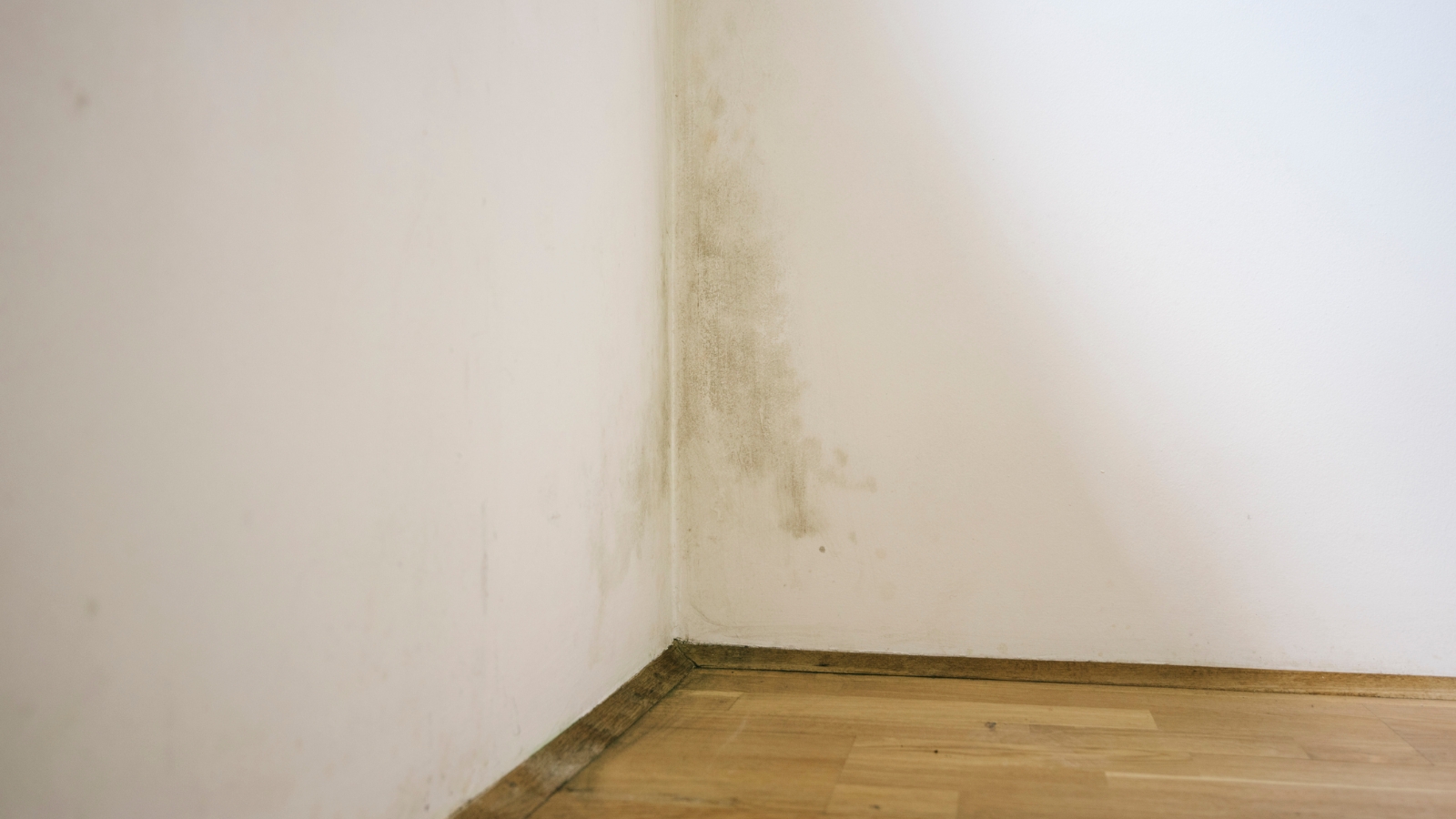
If you keep your eyes open during a property inspection you may be able to spot signs that a home is leaky.
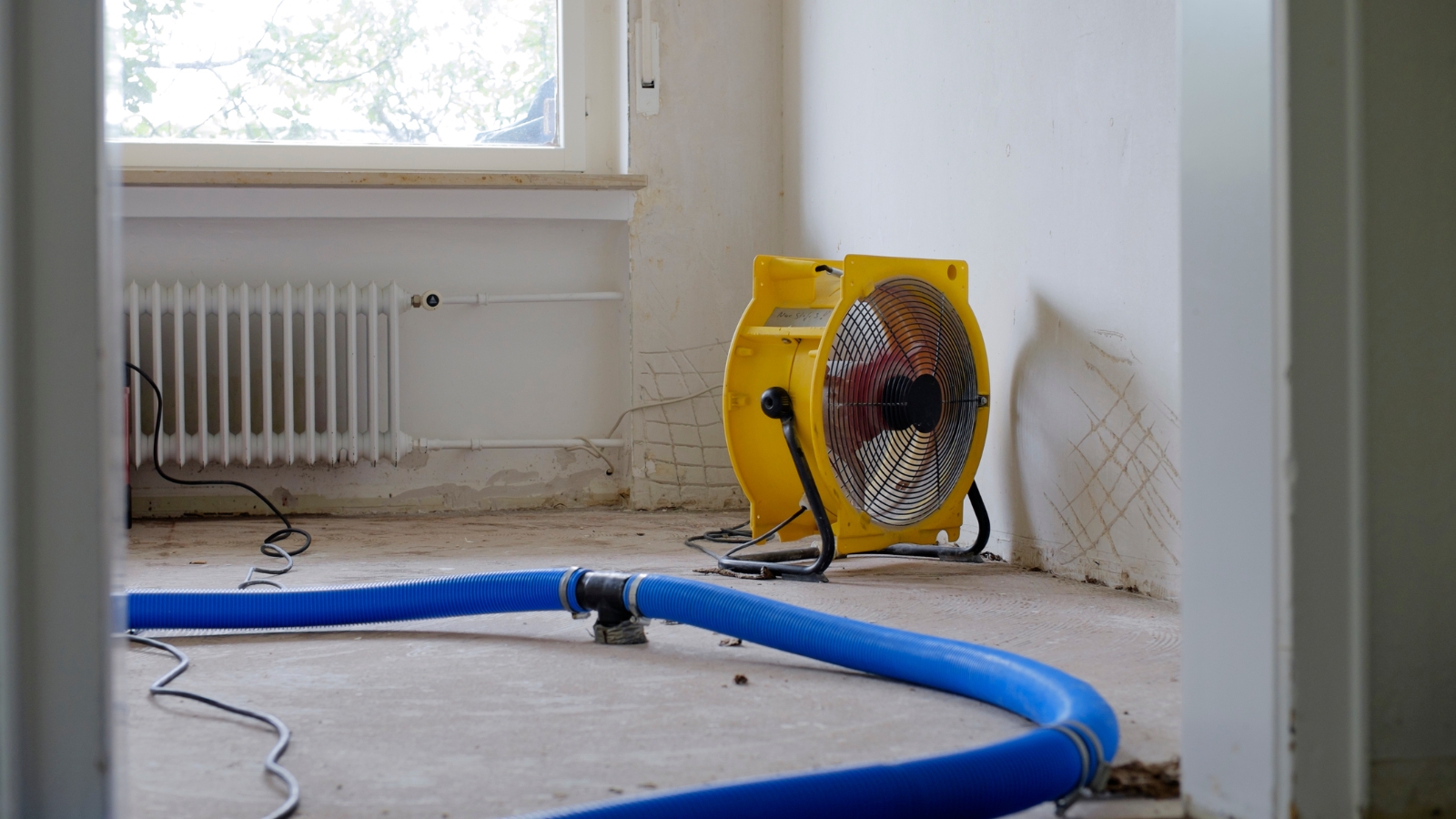
Not all plaster homes are leaky but they should be approached with caution.
The cost of fixing a leaky home
Should I buy a monolithic cladding house?
FAQs — Navigating leaky homes in NZ
Author
Discover More
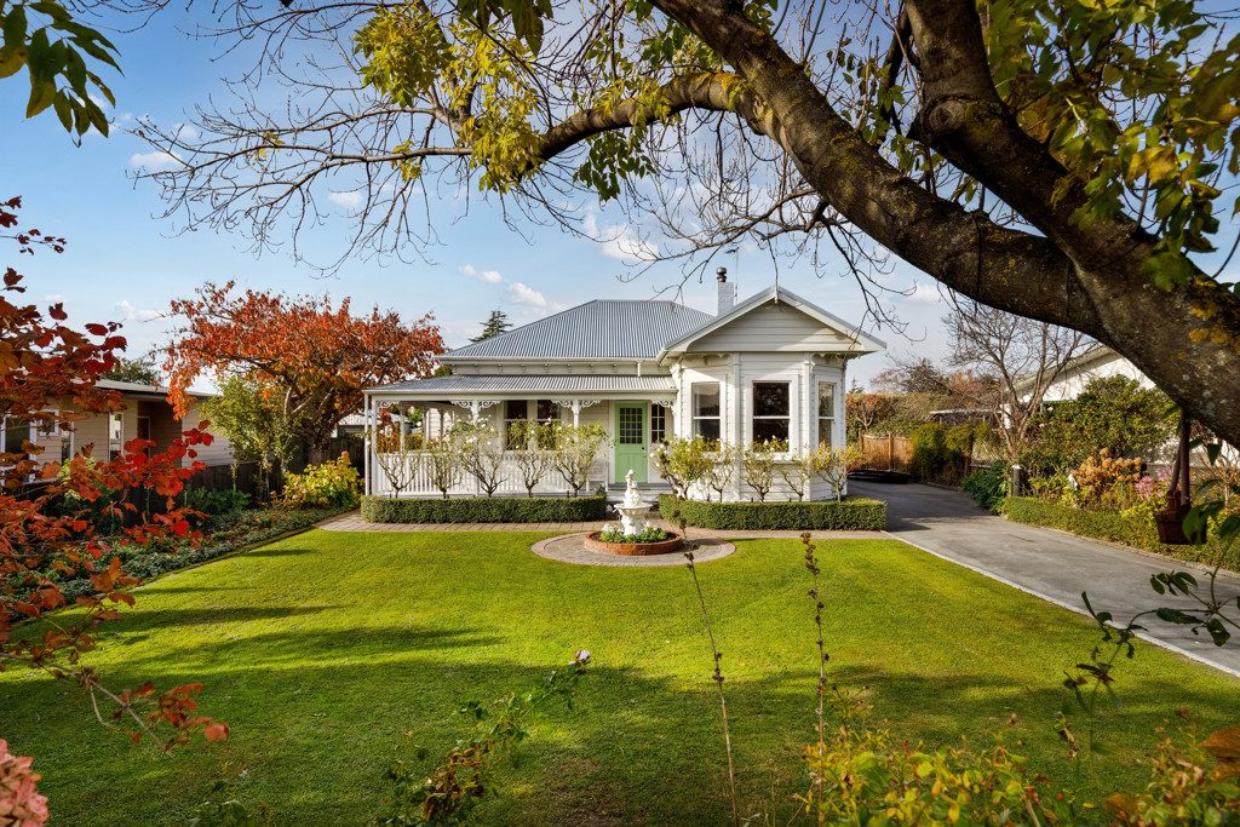
In Auckland, this villa would set you back $2m - in this town, it’s less than $700k
This beautifully updated Blenheim villa has all the charm of Ponsonby – for under $700,000.

They rescued a fading coastal landmark. It’s now the suburb’s priciest home
A once-tired Piha property has become the suburb's most expensive home listing at $11 million.


Search
Other articles you might like