Explore
New Zealand character homes: California bungalows and Art Deco
Discover California Bungalows and Art Deco Kiwi homes, enduring appeal a century on.


AI summary
Discover two iconic New Zealand character homes from the 1920s-40s: the California bungalow and the Art Deco house.
California bungalows offered a new, casual lifestyle. Key features include:
- Low-pitched roofs with deep porches
- Dark rimu panelling and leadlight windows
Art Deco homes, popular after the Hawke's Bay earthquake, represented modernity. Look for:
- Flat roofs and smooth stucco finishes
- Geometric motifs and curved corners
These distinct styles remain highly sought-after for their unique architectural charm.
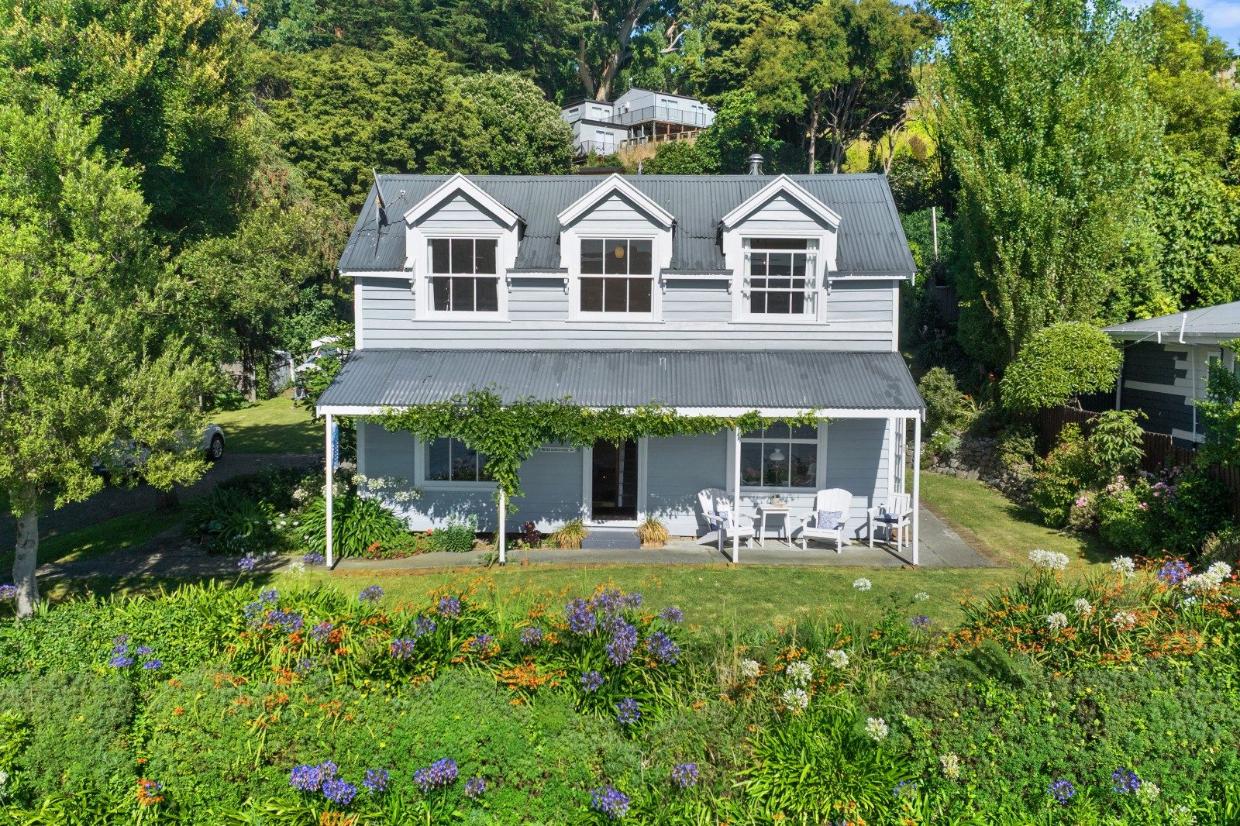
As New Zealand moved into the 1920s and 30s, housing architecture shifted away from the formal villa toward a more casual, lifestyle-oriented design. This era birthed two distinct styles that still define many of Aotearoa’s classic suburbs: the California bungalow and the Art Deco home.
A hundred years on and these styles remain popular, with search volumes on Trade Me for Art Deco properties up 15% year-on-year (June 2025 v June 2026).
Whether you're hunting for a character home with original timber details or looking for a classic of the period, here is what makes these styles unique.
The California bungalow (1910s–1930s)
The bungalow introduced a completely new way of living to New Zealand. Designed for comfort, warmth, and indoor-outdoor flow, these homes stepped away from the grand, formal proportions of the Victorian villa.
Key Features to keep an eye on.
Exterior: Low-pitched rooflines, wide overhanging eaves, deep front porches supported by thick pillars, and decorative timber shingles are commonly seen in properties that defined the 1920s and 30s.
Interior: Lower, cozy ceilings and more integrated living spaces, a departure from the preceding decades where living and dining areas were often more formal, and distinctly separate.
Character details: Rich dark oiled rimu panelling, leadlight windows, and built-in window seats that create a warm, crafted and homely feel.


Two examples of the time include this renovated California bungalow in Remuera, and Glen Aros, an enduring Hawke’s Bay country estate offering heritage on a grand scale. Both are currently for sale.
The Art Deco home (1930s–1940s)
Emerging strongly after the 1931 Hawke's Bay earthquake, Art Deco and Moderne styles represented a bold, modern break from timber-framed traditional homes. They brought a touch of glamour and remain in high demand today.
Key Features seen in properties of the period.
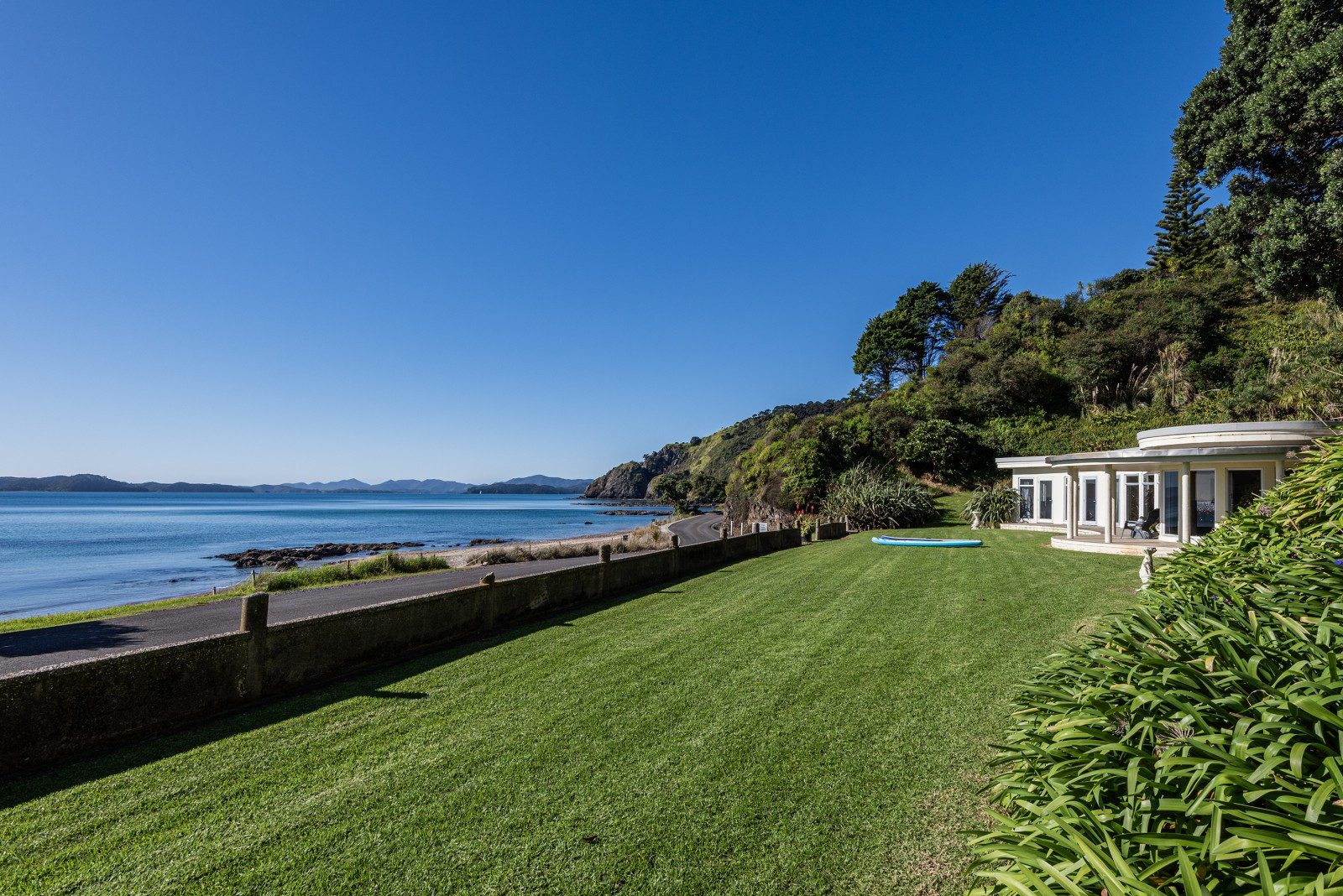
Exterior: Flat roofs, hidden parapet walls, smooth stucco finishes, and geometric motifs such as parallel horizontal or vertical bands synonymous with Art Deco properties.
Materials: Solid concrete or brick finished with stucco cladding or plaster made for smooth surfaces, moving away from traditional timber cladding.
Design details: Curved corners, horizontal "speed lines," and vibrant interior accents designed to signal progress and modern living.


Prime examples of Art Deco, an apartment in Hawke's Bay, and a 3-bed beauty in One Tree Hill, Auckland.
Author




Search
Other articles you might like