Buying guide
How Much Does Re Roofing Cost in Auckland, NZ?
An award-winning Auckland roofer explains what drives the cost of a reroof & how to ensure your quote covers everything.


AI summary
Replacing a roof in Auckland typically costs between $15,000 and $65,000+. The final price depends on factors like roof size, complexity, pitch, and your chosen material, with Colorsteel being a popular, cost-effective option.
A comprehensive quote from a Licensed Building Practitioner (LBP) should include scaffolding, disposal, and warranties. Be wary of quotes without a site visit. Re-roofing is an ideal time to address hidden issues like rotten timber or upgrade insulation for better home performance.
Most re roofing jobs on Auckland homes cost somewhere between $15,000 and $65,000. A straightforward single-storey home with a long run steel roof usually sits toward the lower end, while larger, two-storey or more complex roofs can sit at the top of that range or beyond.
That’s a wide range, and for good reason - no two roofs are quite the same. Your home’s size, shape, access and what’s under the old roof all play a part.
To find out what really drives the cost of a new roof, we talked to Steve Huntingford, Director and Owner of Accredited Roofing & Coatings, an award winning, family-owned Auckland roofing company with over 25 years in the trade.
The team are experts when it comes to roof replacement services across Auckland. They also won the 2026 RANZ Residential Roof of the Year award for their Oban project, with judges recognising the precision installation and attention to detail in their workmanship.
In our roof replacement cost guide, we cover what affects the price, how to compare materials, and what to look for in a quote so there are no surprises.
How much does a roof replacement cost in NZ?
For an average Auckland home, expect a full reroof to cost from around $15,000 to $65,000+. Where your roof lands in that range depends on its size, the material you choose and how complex the job is.
The only way to get a real number is a site visit. A good roofer will look at your existing roof, measure it, check access and assess everything before they put a price on it.
“If a roofing company provides you with a square metre rate without first consulting with you or carrying out a site visit, consider it a red flag. Every roof replacement is different and should be tailored to suit your home, its specific requirements and your needs.
Taking the time to get these details right from the outset allows us to provide a comprehensive, tailored package where nothing is overlooked. You'll have a clear understanding of exactly what is involved, what's included and what to expect, helping to avoid unexpected costs further down the line,” explains Steve.
What affects the price of a new roof in Auckland?
Two houses with the same floor area can get very different quotes. When roofers price a reroof, they look at:
- Roof size - usually the biggest single factor.
- Your existing roof - what it’s made of and how easily it comes off.
- Shape and complexity - hips, valleys, dormers, skylights and split levels all add time and flashings.
- Pitch - steeper roofs take longer and need more safety equipment.
- Height and access - two-storey homes and tight sites need more scaffolding.
- Your new roofing material, profile and brand - see the comparison below.
- What’s underneath - Insulation, old underlay, sometimes another layer of roofing is found under old decramastic roofs, rotten structural timber.
“One of the biggest unknowns in any roof replacement is what lies beneath the existing roofing. Depending on the age and condition of your home, there can sometimes be hidden surprises that may affect the overall cost of the project. Two of the more common issues we encounter are insufficient insulation and rotten structural timber.
When preparing your quotation, we talk you through these possibilities, explain what may be required and allow for potential additional costs where appropriate. This may include new insulation or timber repairs, particularly where the age or condition of your roof suggests a higher risk of deterioration. While some issues can only be confirmed once the existing roofing is removed, discussing these upfront helps you understand what to expect and reduces the likelihood of unexpected costs.,” Steve says.
| Roofing material | Upfront cost | Weight | Good to know | ||||
|---|---|---|---|---|---|---|---|
| Coloursteel | Coloursteel | Low | Low | Light | Light | NZ’s most popular reroof choice - long warranties | NZ’s most popular reroof choice - long warranties |
| Pressed metal tiles | Pressed metal tiles | Low | Low | Light | Light | A tiled look without the weight | A tiled look without the weight |
| Asphalt shingle | Asphalt shingle | Low | Low | Light | Light | Generally, don’t perform as well in New Zealand’s climate as other materials. Requires a heavier structural foundation. | Generally, don’t perform as well in New Zealand’s climate as other materials. Requires a heavier structural foundation. |
| Concrete tiles | Concrete tiles | Moderate to high | Moderate to high | Heavy | Heavy | Premium look, but heavy | Premium look, but heavy |
| Clay tiles | Clay tiles | Highest | Highest | Heav | Heav | Premium look, long lifespan | Premium look, long lifespan |
Long run and Colorsteel roofing
Long run steel, usually Colorsteel, is one of the most popular choices for NZ reroofs. It’s lightweight, quick to install and available in a wide range of colours and profiles. Here’s how the main profiles compare:
| Profile | Best for | Relative cost | |||
|---|---|---|---|---|---|
| Corrugated | Corrugated | Villas, bungalows, a classic look | Villas, bungalows, a classic look | Low | Low |
| Trapezoidal / 5-rib | Trapezoidal / 5-rib | Modern homes | Modern homes | Low | Low |
| Standing seam / tray | Standing seam / tray | Architectural homes and very low pitches | Architectural homes and very low pitches | High | High |
Colorsteel typically comes with a long warranty (up to 50 years). It’s worth asking your installer about this, Steve says:
“Tray profiles are the only roofing profiles that typically come at an additional cost, as the materials are more expensive and their installation requires a higher level of skill and experience.
When choosing your roofing profile, it's important to consider both the product and workmanship warranties. If opting for a more complex profile, make sure your roofing company has proven experience and is an established business. A product warranty generally covers the roofing material itself, not the quality of its installation. Having confidence in their workmanship and their ability to stand behind their work is just as important.”
What a good reroofing quote should include
When you’re comparing quotes, the headline price is only half the story. Some quotes leave out items that are needed on most jobs, which makes them look cheaper upfront but adds cost later.
A thorough re roofing quote should clearly cover:
- Removing and disposing of the old roof
- Scaffolding and edge protection
- New roofing materials
- New roofing underlay (building paper)
- Flashings
- Fixings suited to your site (especially near the coast)
- New spouting, downpipes or fascia, if needed
- Site clean-up
- Both the manufacturer’s material warranty and the roofer’s workmanship guarantee
It’s also worth asking two simple questions: what’s excluded, and which common issues the price already allows for. A good roofer will have factored in the most likely scenarios for a home like yours, so you’re not left budgeting for every possible what-if.
Other considerations: Decramastic roofs, Asbestos & more
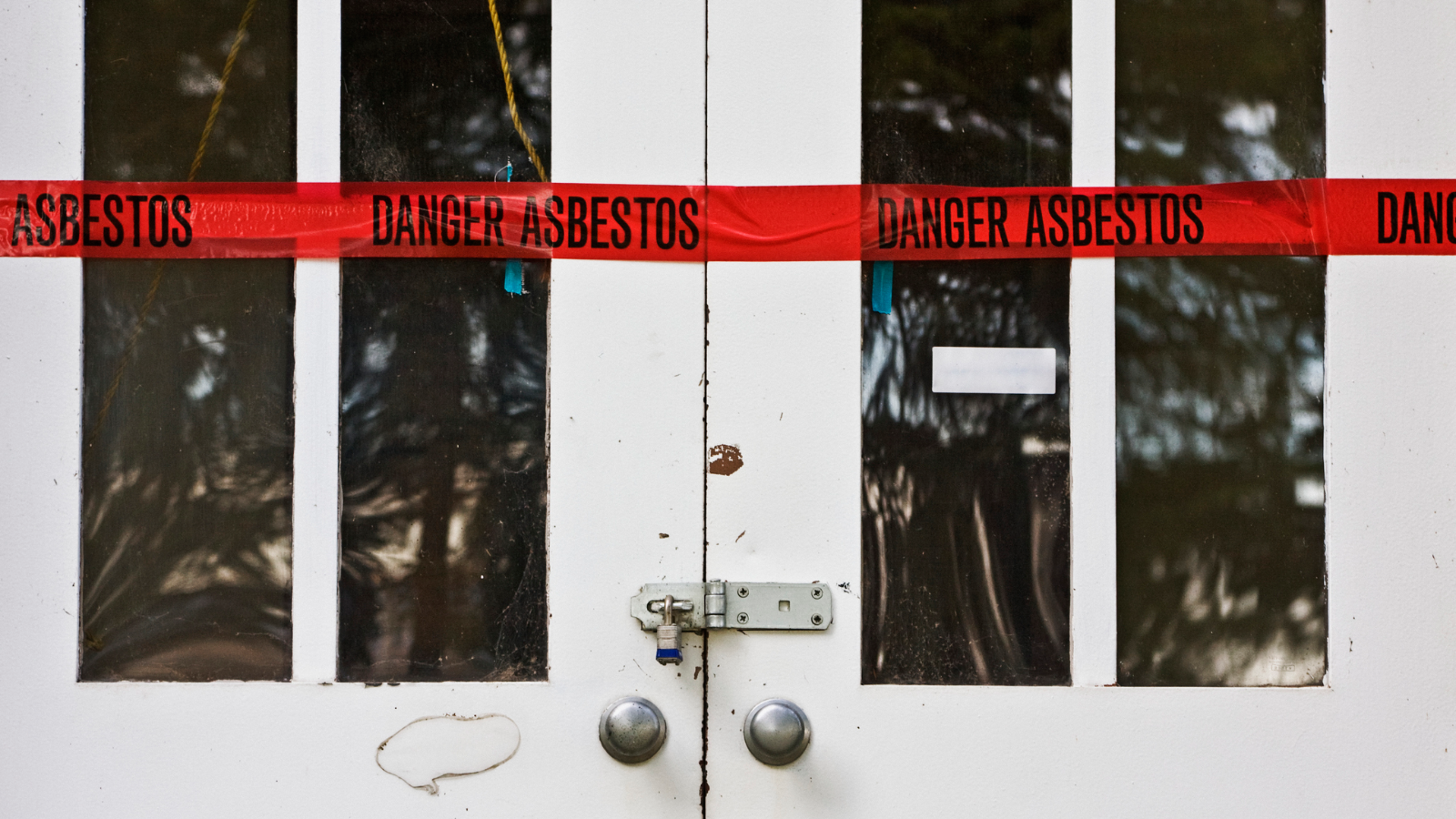
What do surprises typically look like when the roof comes off? For Auckland homes it could be rotten timber from an old leak, or asbestos in the roof tiles.
Steve says “a common issue to look out for is asbestos in Decramastic tiles - especially those installed in Auckland in the 1960s and 70s. Asbestos roofs require a specialised removal process, including appropriate removal procedures and clearance certification before a new roof can be installed. A more cost-effective alternative solution is to overlay the existing roof with a specialised, low-profile lightweight metal tile system designed specifically for this purpose. This option is often preferred by homeowners as it avoids the need for full asbestos removal.
If you suspect your roof contains asbestos, don't attempt to remove or disturb it yourself. Have your roof professionally tested before deciding on the best approach.”
“When it comes to asbestos roofing, some roofing companies manage the entire process, while others use multiple contractors for testing, removal, clearance and new roof installation.
Ideally, look for a company that can coordinate the full service, from asbestos testing through to removal, clearance and installation of your new roof. A reputable and experienced roofing company should also talk you through alternative options, such as a CF overlay, which may provide a more cost-effective solution
Don't assume full removal and replacement is your only option. The costs of asbestos removal, clearance and installing a new roof can quickly add up,” Steve says.
Roof performance improvement options
Once the old roofing comes off, the underlay will be replaced and insulation levels can be checked. Ask your roofer what needs replacing, what could be improved, and which costs are already included in your quote.
| Performance improvements | Typical cost for average home | ||
|---|---|---|---|
| New spouting and downpipes | New spouting and downpipes | $2,600 - $8,000+ | $2,600 - $8,000+ |
| Spouting Conversions (Internal to External) | Spouting Conversions (Internal to External) | $6,000 - $25,000+ | $6,000 - $25,000+ |
| Roof Underlay Replacement | Roof Underlay Replacement | $750 - $1,000 | $750 - $1,000 |
| Insulation and performance options | Insulation and performance options | $1,500-$5,000+ | $1,500-$5,000+ |
For advice on improving what’s underneath your roof, we spoke to Jon Davies from Pro Clima, specialists in roofing underlays, airtightness and moisture management.
“Replacing your roof is a good opportunity to look at what’s underneath it too. While the roofing is off, you can assess the underlay, bump up insulation levels and even consider improvements to airtightness and moisture management. That’s especially useful with skillion roofs, or where access from inside is limited.”
Pro Clima’s SOLITEX MENTO roofing underlay provides weather protection while allowing moisture vapour to escape, and then there are options for improving thermal insulation performance like DASATOP, a retrofit airtightness and vapour control membrane that can be installed from outside during roof renovations.
Your roofer or designer can recommend the right combination of underlay, insulation, airtightness and ventilation before the new roofing goes on.
Replace or restore?
Not every tired looking roof needs replacing. When you’re getting an expert opinion it’s always best to speak to Auckland based roofers who do both replacements and restorations - that way they’ll give you an honest opinion on what’s needed (instead of just recommending their service).
A restoration may be enough if:
- The roofs surface is faded, mossy or chalky but structurally sound
- Leaks are isolated and fixable
- Tiles or sheets are mostly intact and corrosion is limited.
It's probably time for re roofing if:
- Rust is coming through the steel, not just sitting on the surface
- Tiles are cracked, porous or breaking up
- You're dealing with repeated leaks in different places
- Fixings and flashings are failing across the roof
Steve explains: “If the roof structure is still sound, restoration can be a great way to achieve a fresh, like-new appearance for a fraction of the cost of a full replacement. A quality restoration involves a two-stage cleaning process, repairs tailored to your roof type and its condition, followed by the application of a protective coating backed by a 10–15 year product warranty.”
“Don't leave it too late, though. Once rust, cracking or significant deterioration sets in, restoration may no longer be a viable option and a full roof replacement could be your only solution.”
Do you need building consent for a roof replacement?
Usually not. The Building Code requires a roof to last at least 15 years. If yours is older than that, replacing it with a like-for-like or similar roof generally doesn't need building consent (MBIE).
Building consent may be required if your roof replacement involves structural changes. If you're switching from heavy tiles to lightweight steel roofing, there may be specific requirements and procedures that need to be followed. An experienced Licensed Building Practitioner (LBP) roofer will be able to advise you on what's required and ensure the work is completed to the appropriate building standards.
How to choose a roofer in Auckland
A new roof is a big investment, so it pays to choose your re roofing specialist carefully:
- Check credentials. Look for a Licensed Building Practitioner (LBP) and membership of the Roofing Association of New Zealand.
- Get it in writing. A proper quote should spell out removal and disposal, scaffolding, underlay, flashings, spouting and fascia. If stuff is not included in writing always ask - never assume.
- Ask about warranties - both the manufacturer's material warranty and the roofer's workmanship guarantee.
- Read the reviews and ask to see examples of similar jobs.
- Check how long they’ve been in business: the longer the better usually.
“A big red flag is receiving a quote that is significantly cheaper or more expensive than the others. Chances are a particularly low quote means they’re cutting corners or adding extra costs after you accept, while a high price doesn't necessarily mean better quality. They could simply be throwing out a number without having the experience or knowledge to accurately price the job.
So don't automatically go for the lowest or highest price. Take the time to compare what's included and the experience of the company quoting. Ultimately, go with the company you can trust to get the job done right,” says Steve.
Roof replacement FAQs
How long does re roofing take?
Around one to three weeks for a typical home, depending on size, weather and what's found under the old roof.
Is long run cheaper than concrete or clay tiles?
Yes, Colorsteel long run typically costs less than concrete or clay tiles, though installation costs will vary.
How long should a roof last?
The Building Code requires roofing to last at least 15 years (MBIE), though a well-installed, well-maintained roof should last much longer. Some Colorsteel roofs come with up to a 50-year warranty and metal tile roofs up to 30 years.
How much does it cost to replace roof flashings?
It depends on how many flashings need replacing and where they are - a single chimney or skylight flashing is a small repair, while replacing ridge and barge flashings across the whole roof is a bigger job. Failing flashings can be a common cause of leaks, so it’s worth fixing them early. If they’re failing all over the roof, it may be a sign the whole roof is near the end of its life.
Are roof underlay and insulation upgrades worth it when reroofing?
Yes, especially in older homes. Approximately 30–35% of heat loss in uninsulated NZ homes occurs through the roof. EECA estimates that improving insulation throughout your home could save up to $330 annually on power bills.
Upgraded roof underlay helps manage weathertightness and airtightness, while better insulation improves heat retention and comfort. If you're already paying for re roofing, it's a good opportunity to make these improvements, particularly on skillion roofs where access is limited.
Author
Discover More
Every day could feel like a holiday at this Hawke’s Bay home for sale
A luxury Hawke’s Bay retreat with river views, an infinity pool and room for 13 is for sale.
The tiny ‘off-the-wall’ cabin that stunned House of the Year judges
A quirky Queenstown cabin wins a national House of the Year award for its clever design.