Discover
Tāmaki Makaurau-Auckland’s tale of two markets:
Auckland property splits: Central apartment prices surge 26% while luxury homes cool amid buyer affordability shifts.


AI summary
Auckland's property market is a tale of two markets, driven by shifting buyer affordability. Central city apartment asking prices have surged 26% year-on-year, while prices for large 5+ bedroom homes have dropped 9%.
This trend sees first-home buyers and investors targeting more affordable apartments, creating high demand. Meanwhile, sellers of high-end homes face a cooler market and need to set realistic price expectations to attract cautious buyers in this changing landscape.
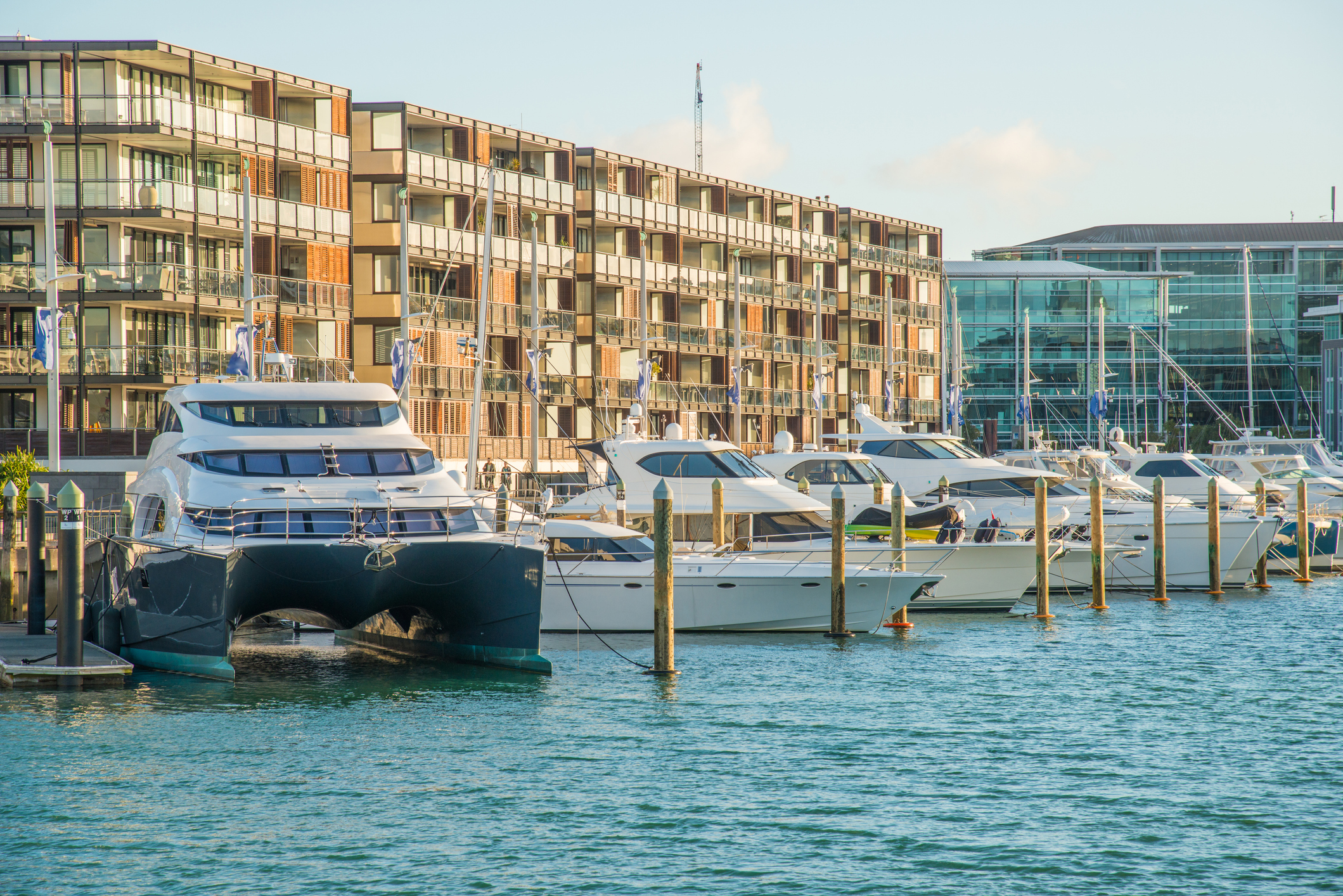
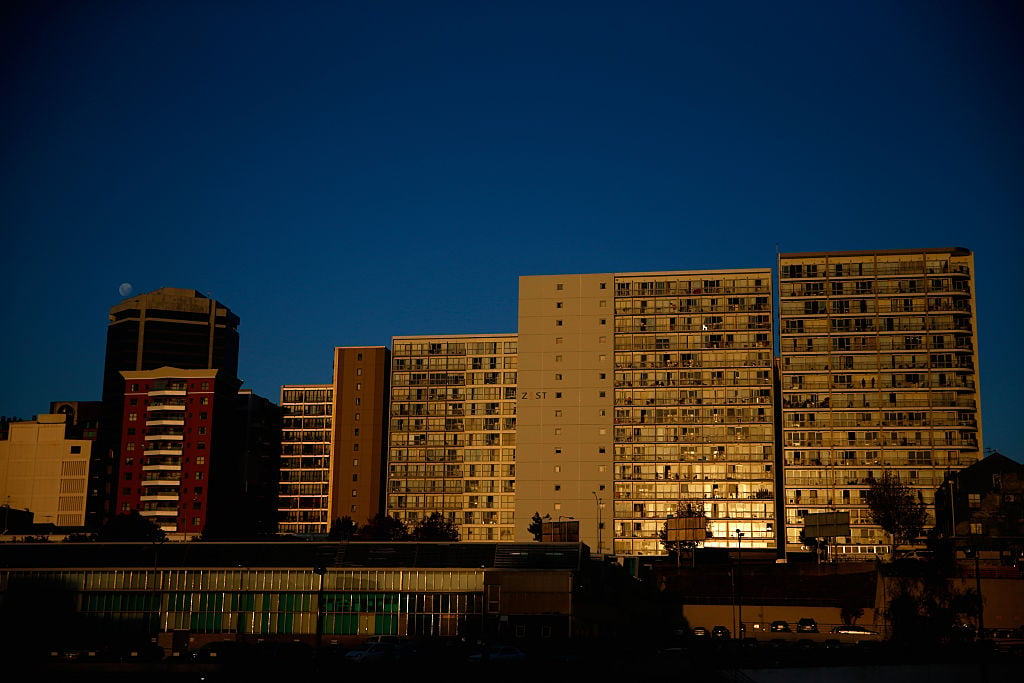
Auckland's property market appears split down the middle, while top-end family homes are experiencing a quiet cooling period, central city apartments have recently seen a massive surge in demand as affordability constraints reshape what Kiwi buyers want.
Recent data shows Tāmaki Makaurau’s overall average asking price climbed 6.4 per cent year-on-year to $1,120,650. However, looking beneath the headline average reveals two completely different stories playing out across property types.
The numbers: Apartments surge while luxury homes soften
The standout story of July, the most recent full month of available data, is the central Auckland apartment market. Asking prices for apartments in Auckland City surged by 26% year-on-year, bringing the average asking price to $715,750.
At the same time, the top end of the residential market is feeling the heat. Asking prices for large family homes (5+ bedrooms) in Auckland City dropped by close to 9% over the same period, sitting at $2,141,100.
Auckland City Property Breakdown (July 2026 YoY)
Apartments: $715,750 (+26%)
Townhouses: $958,550 (+2%)
Units: $651,800 (+4%)
3–4 bedroom homes: $1,420,950 (+5%)
5+ bedroom homes: $2,141,100 (-9%)


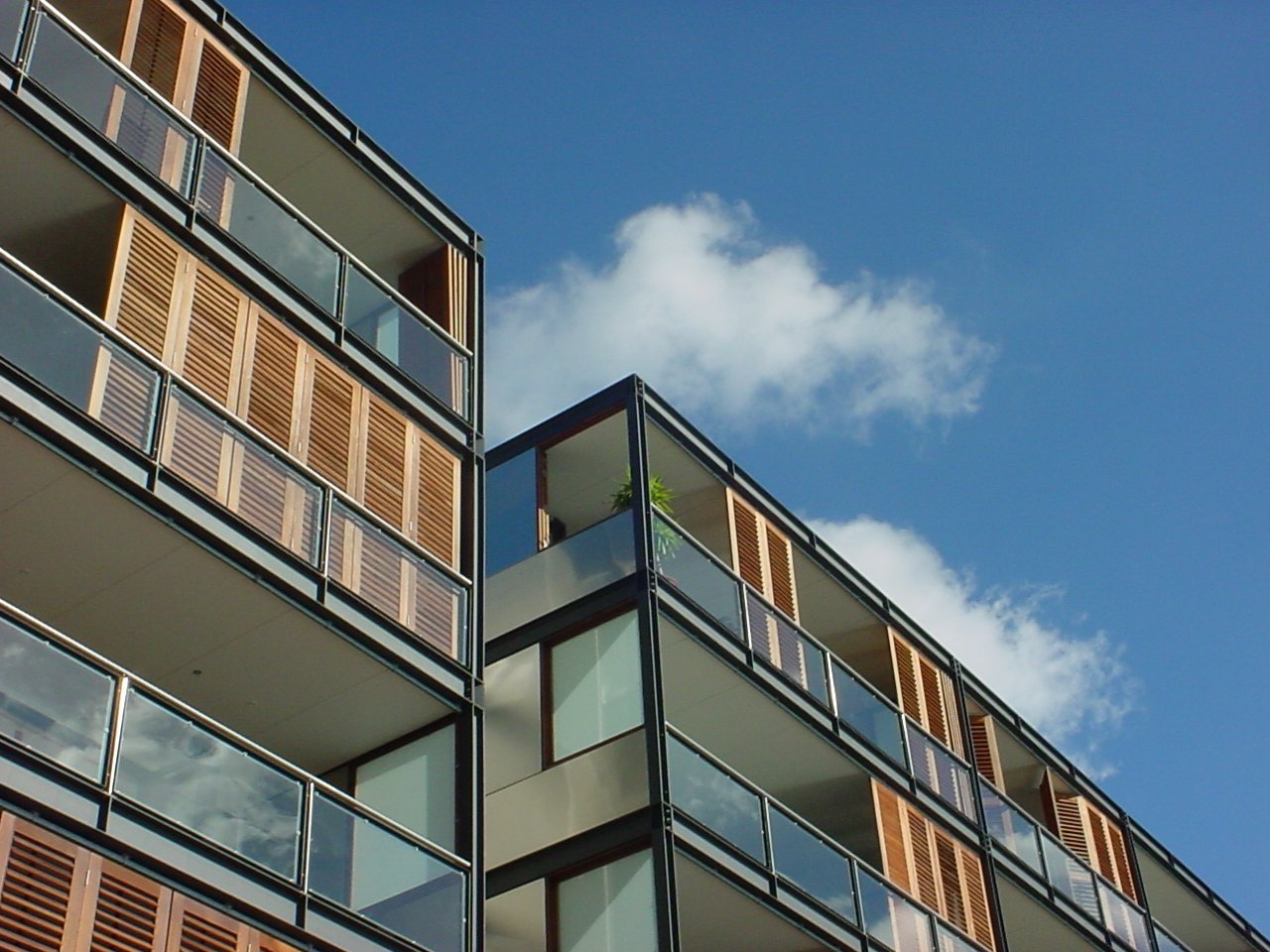
Higher density living in Auckland, with apartments, townhouses and units all recording increases in the average asking price.
Affordability appears to be reshaping buyer demand
With interest rates and general cost-of-living pressures top of mind for households, buyers are adapting their expectations to secure a manageable mortgage.
Trade Me Property Customer Director Gavin Lloyd says affordability is doing the heavy lifting in driving these market trends.
"Auckland is a tale of two markets with apartments having a moment as first-home buyers and investors chase a foothold in the city, while the big family homes at the top end are currently doing it tough. Affordability is reshaping what buyers want," says Lloyd.
For first-home buyers and investors, entry-level urban dwellings offer a way into the Auckland market without the hefty price tag attached to standalone houses, while buyers targeting multi-million dollar properties are facing less competition, they are taking a more cautious, measured approach.
What this means for buyers and sellers in Tāmaki Makaurau-Auckland
First-home buyers: Apartments and urban units offer a central lifestyle at a significantly lower entry price compared to standalone homes. However, with prices rising fast in this sector (+26%), acting decisively is key.
For property investors: Yield-focused investors are pivoting toward higher-density urban properties where buyer activity is strong and entry capital is lower.
For sellers of larger homes: High-end vendors need to set realistic price expectations. With fewer buyers currently looking to stretch their budgets into the $2M+ range, properties priced accurately for today's market are those attracting serious interest.
Practical checklist for apartment buyers
For those considering jumping into the Auckland apartment market, keep these steps in mind before making an offer.
Check the body corporate rules and fees: Ensure you understand annual levies, maintenance sinking funds, and pet or car parking policies. Like with any property purchase, it’s important to do your due diligence, and understand some of the additional costs associated with apartment living.
Review building integrity and IEP ratings: Confirm the building's earthquake rating and check for any historical weather-tightness work or upcoming maintenance projects. The more you know, the better.
Confirm bank lending criteria: Banks often have specific minimum square meterage rules (typically 40–45sqm) for apartment mortgage approvals. A mortgage advisor can help to guide you through some of the additional complexities.
Evaluate location vs. rental yield: If buying as an investment, look for proximity to public transport hubs, universities, and major employment zones to maximise tenancy appeal.
Author




Search
Other articles you might like


