Discover
Unplugged Aotearoa: five off-grid retreats redefining self-sufficient living
Explore five off-grid retreats combining sustainable, self-sufficient living with unique architectural flair.


AI summary
Discover five stunning off-grid retreats in Aotearoa that prove self-sufficient living can be architecturally stylish. These unique properties swap utility bills for incredible natural settings.
Highlights include a Motueka ecovillage with thermal mass walls, a boat-access Waitata Bay home, and a Whanganui River retreat reached by private cable car. While liberating, buyers must be prepared to manage their own power and water, making remote logistics and DIY skills essential for this lifestyle.
Ditching monthly power bills and town supply no longer means living in a drafty shack with a longdrop. Active listings across New Zealand prove you can swap power poles and water mains for serious architectural style in some of the country's most dramatic corners.
Motueka river valley ecovillage (Motueka, Tasman)
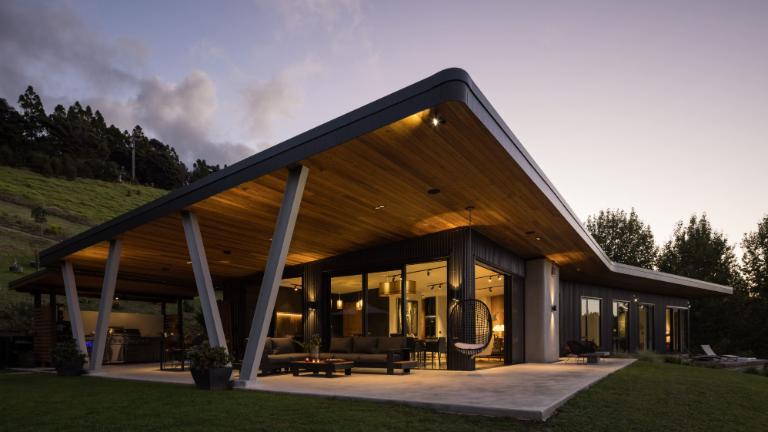
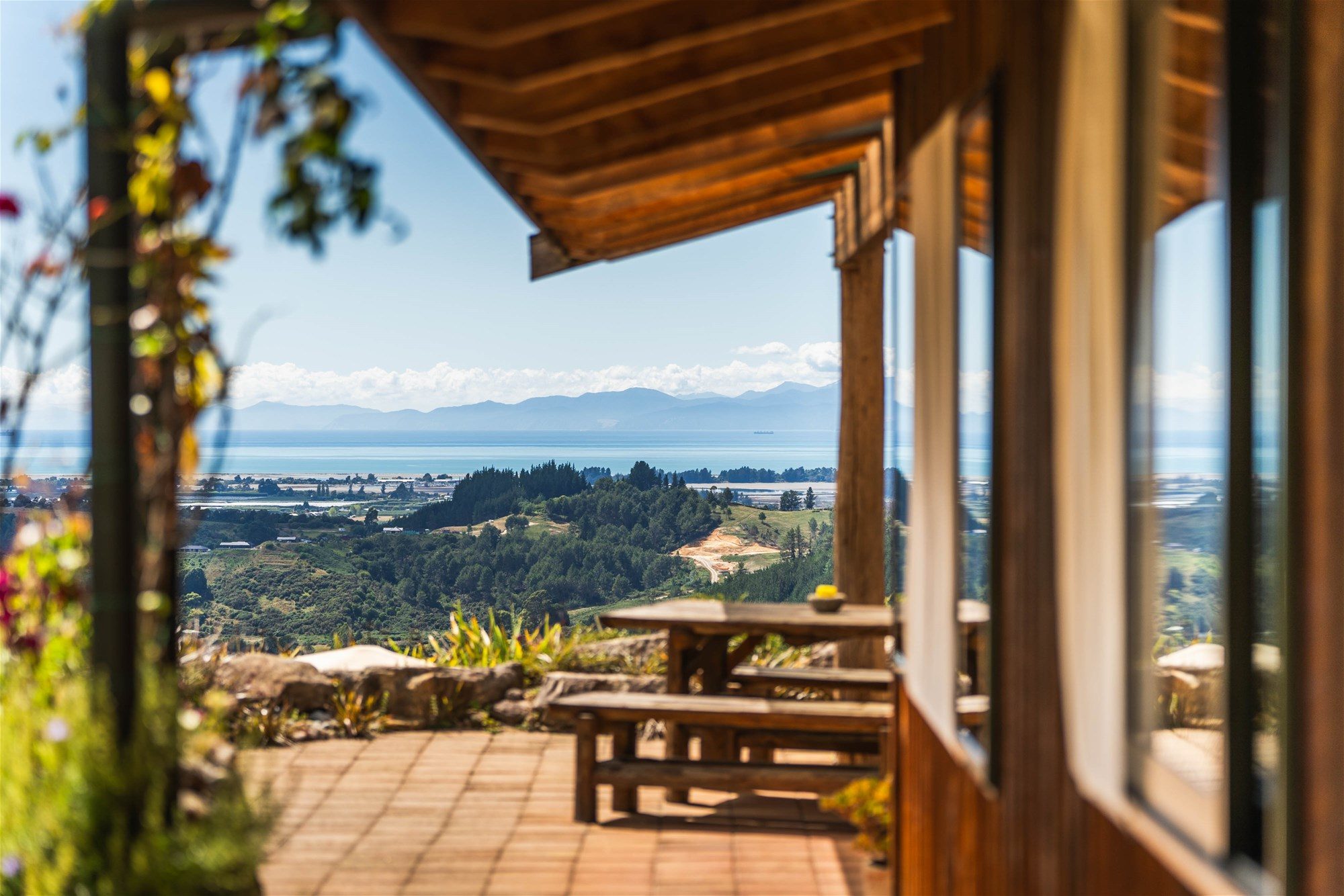
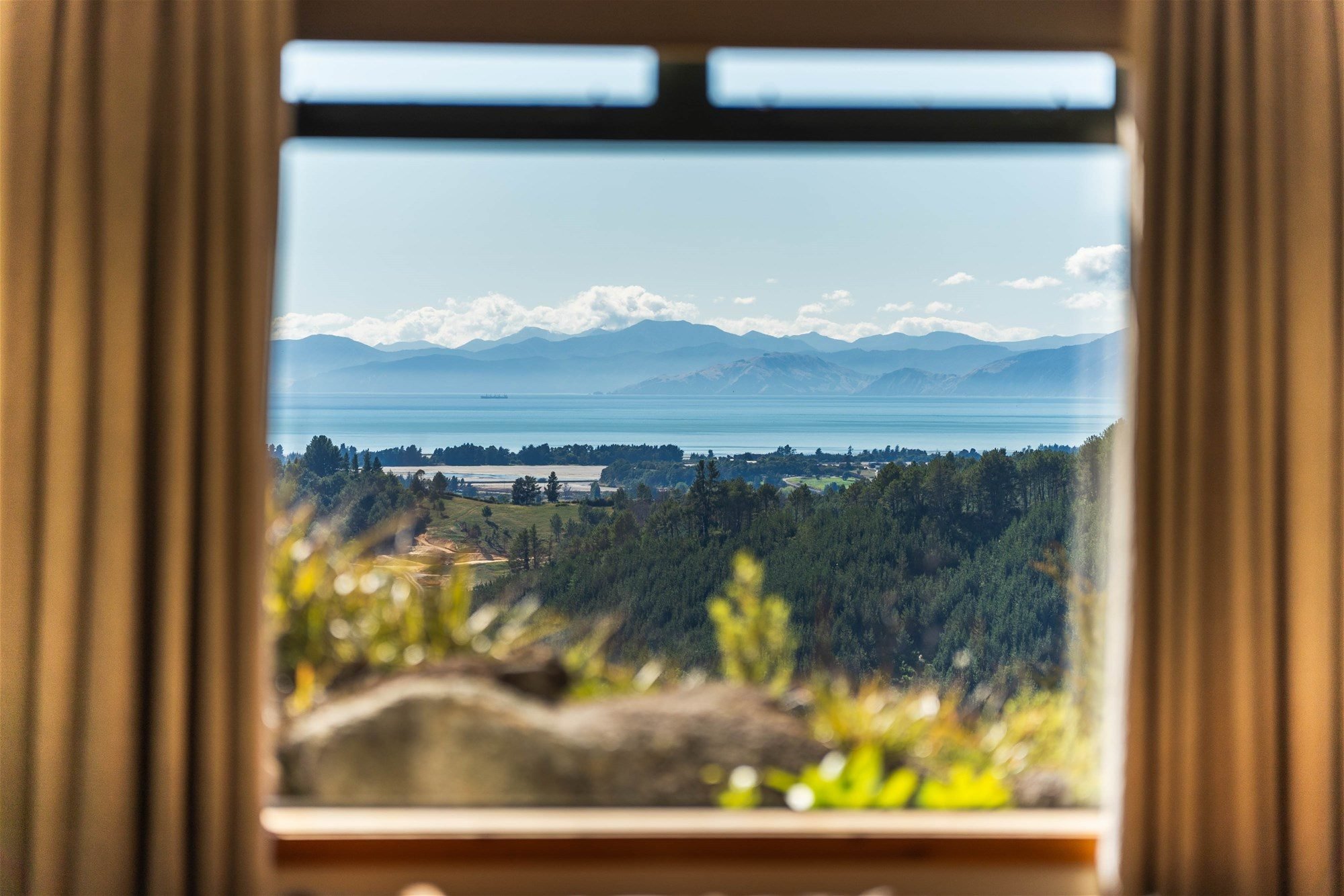
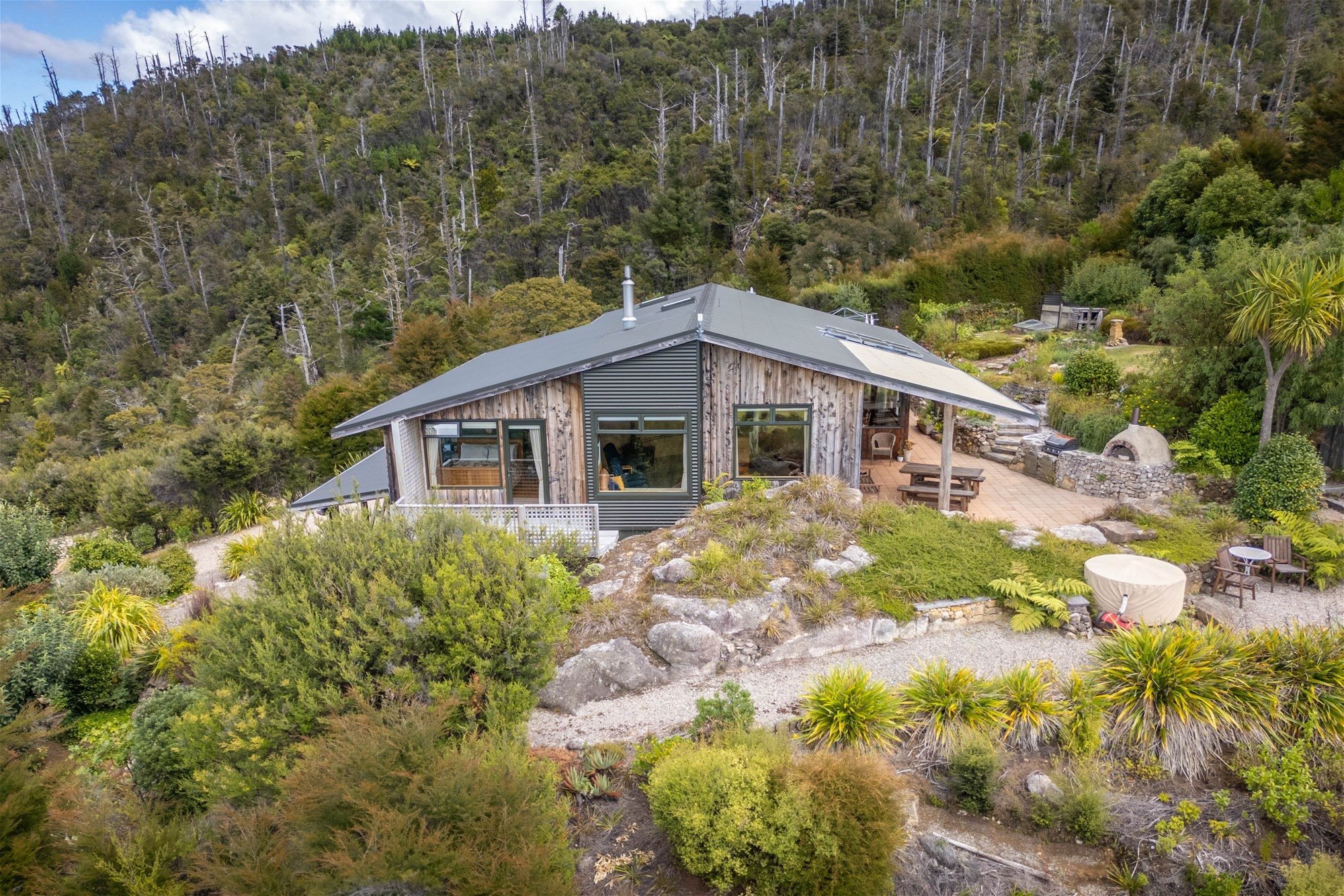
Perched high above the Motueka River, this elevated eco home relies on an earth-mud thermal mass wall to regulate internal temperatures naturally through every season. Completely independent from power and water lines, the sanctuary features three consented guest cabins alongside shared ownership in 58 hectares of surrounding native bush reserve.
Waitata Bay retreat (Marlborough Sounds)
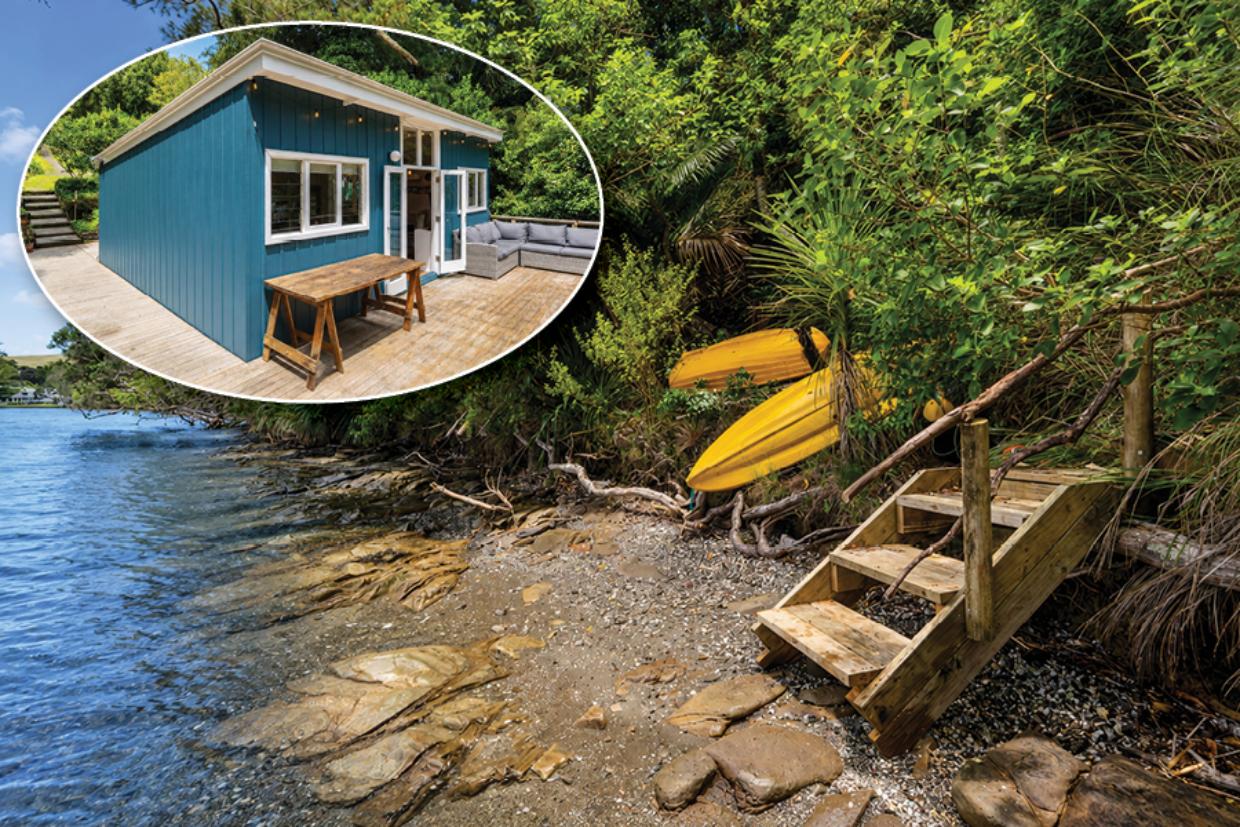
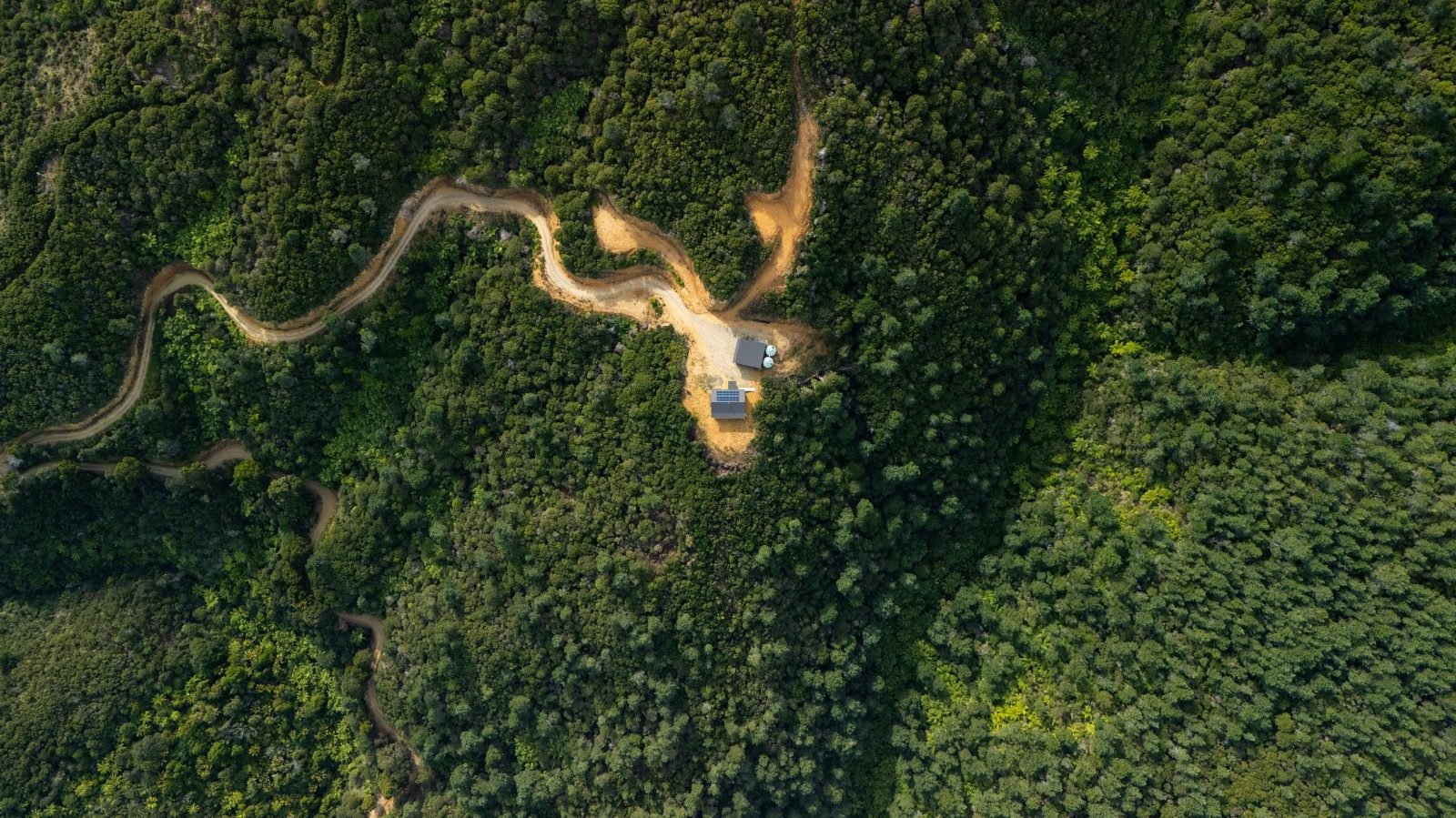
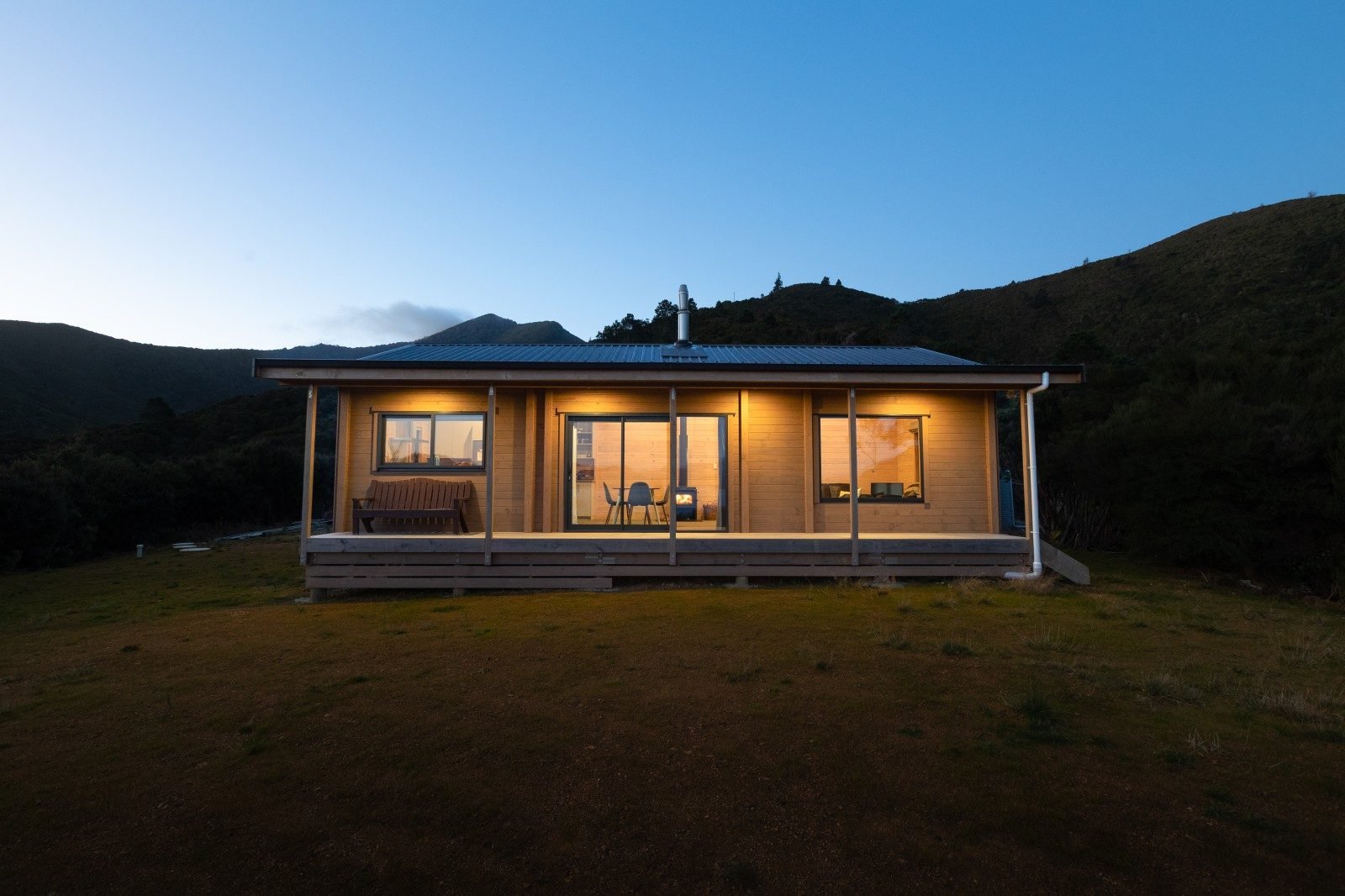
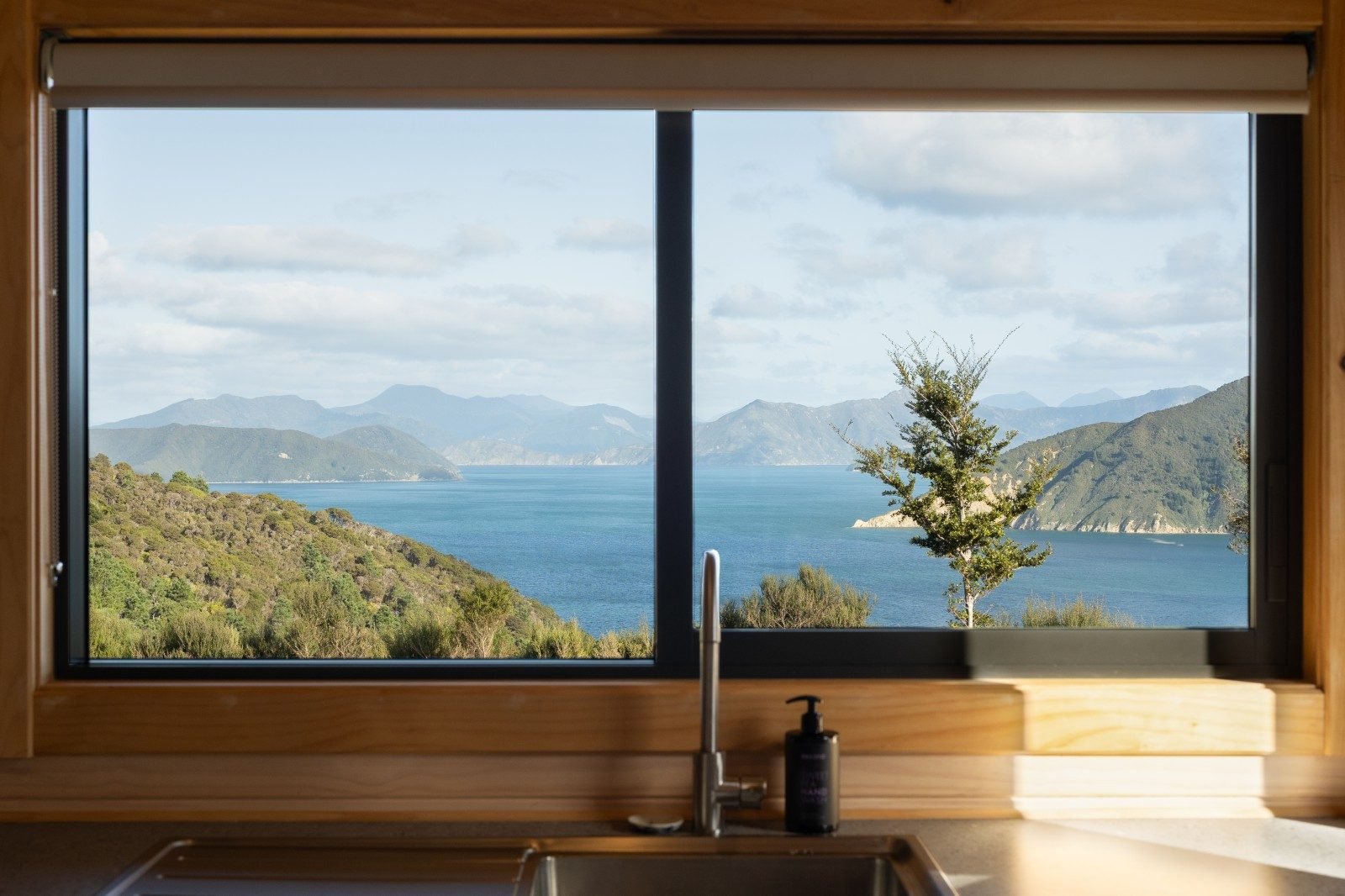
Accessible predominantly by boat, this 8.8 hectare landholding offers front-row access to the Marlborough Sounds shoreline. The near-new timber residence perches directly above the water, operating via a standalone solar system. A private boat mooring accommodates vessels right off the beach.
Oceanfront fortress (Haast, West Coast)
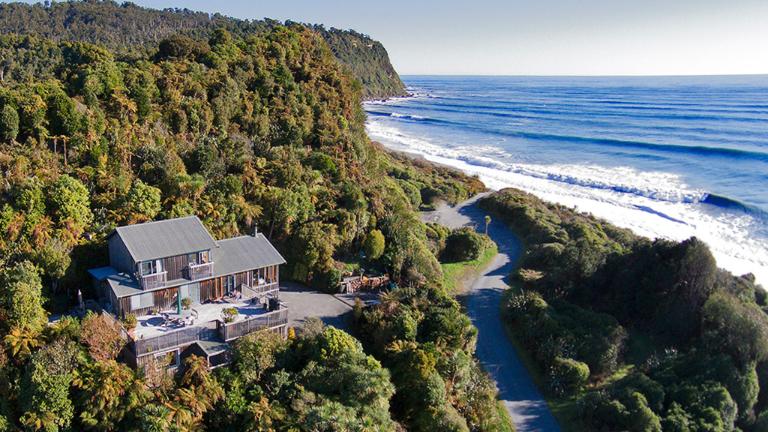
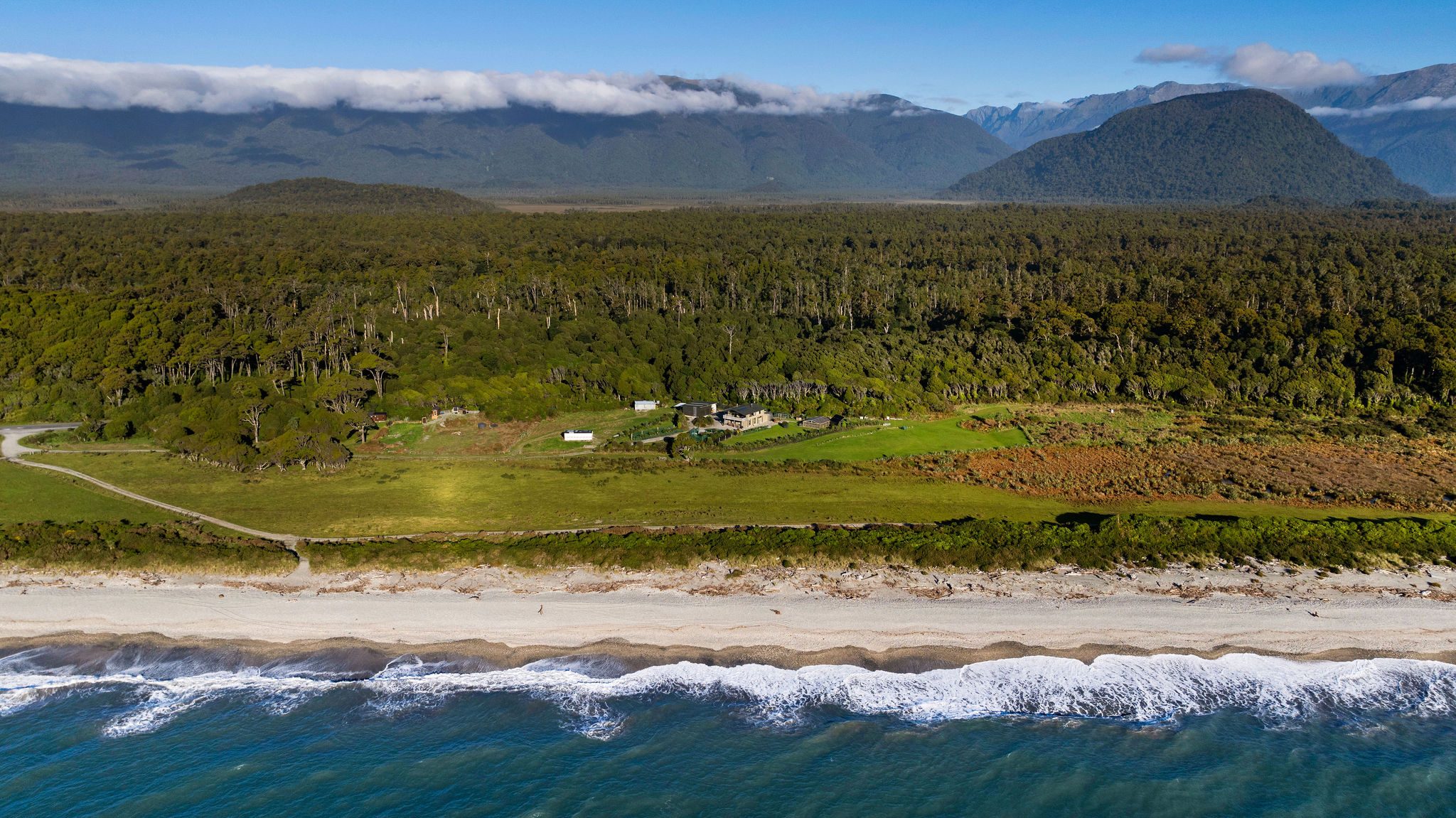
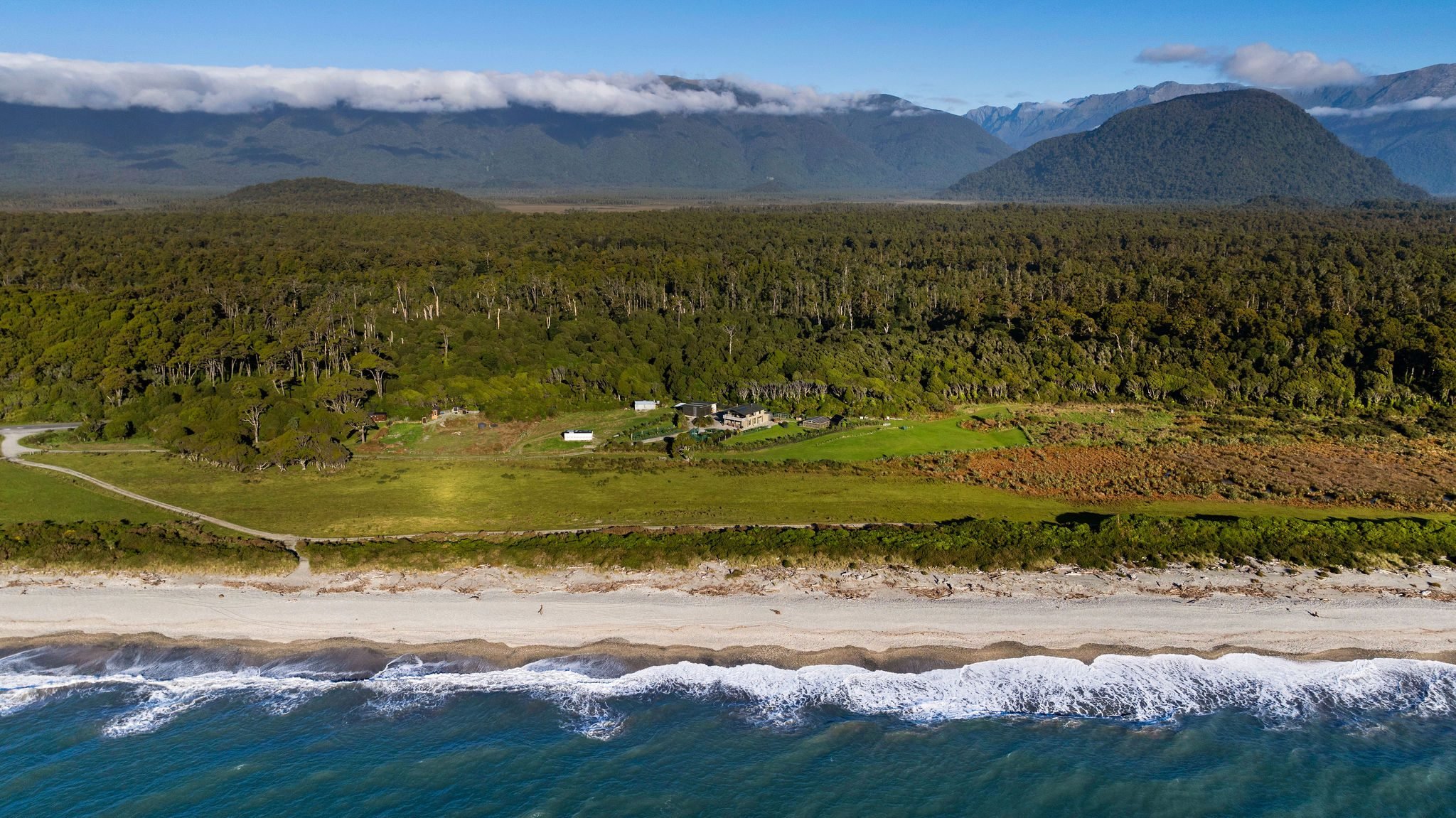
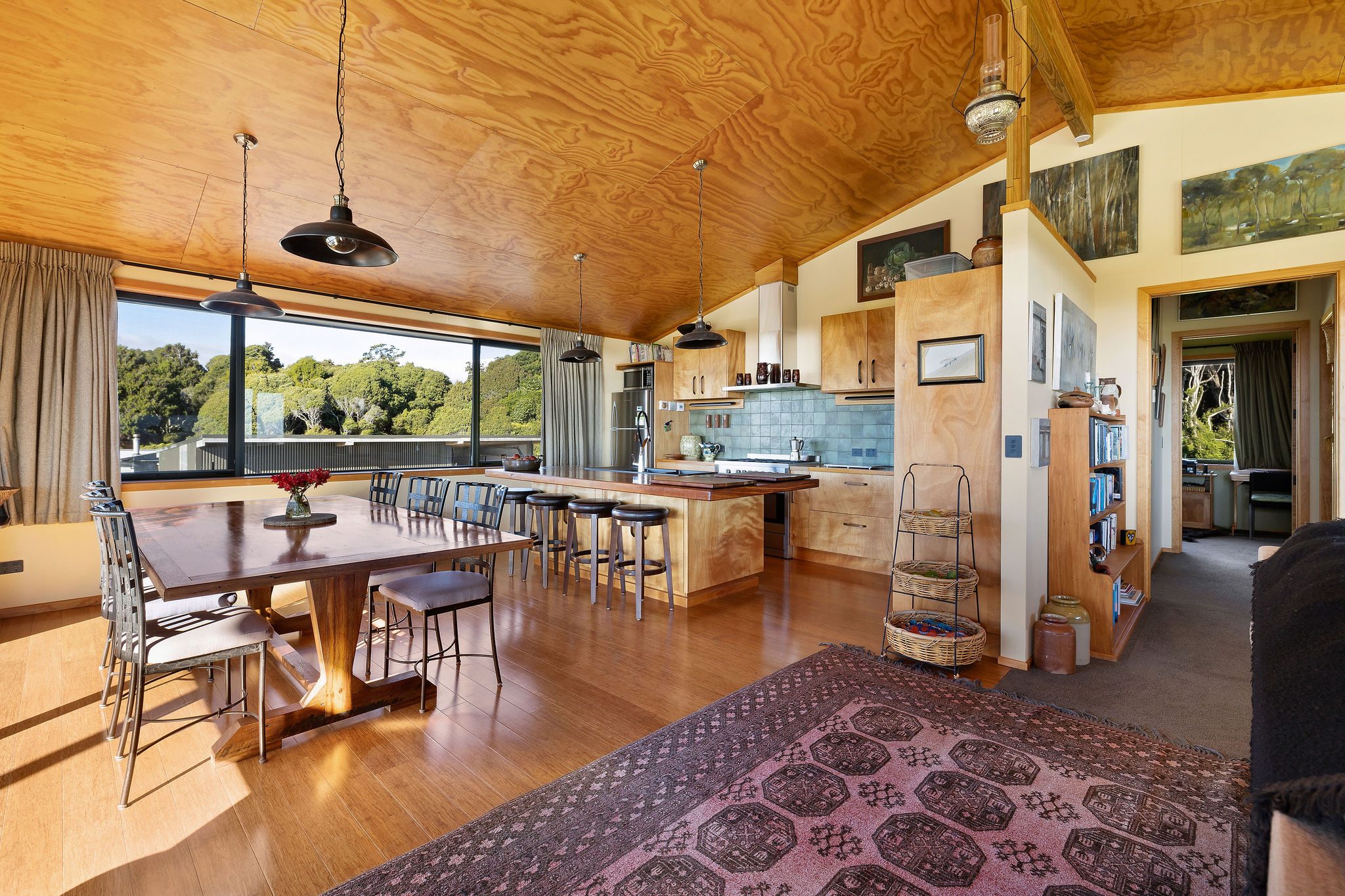
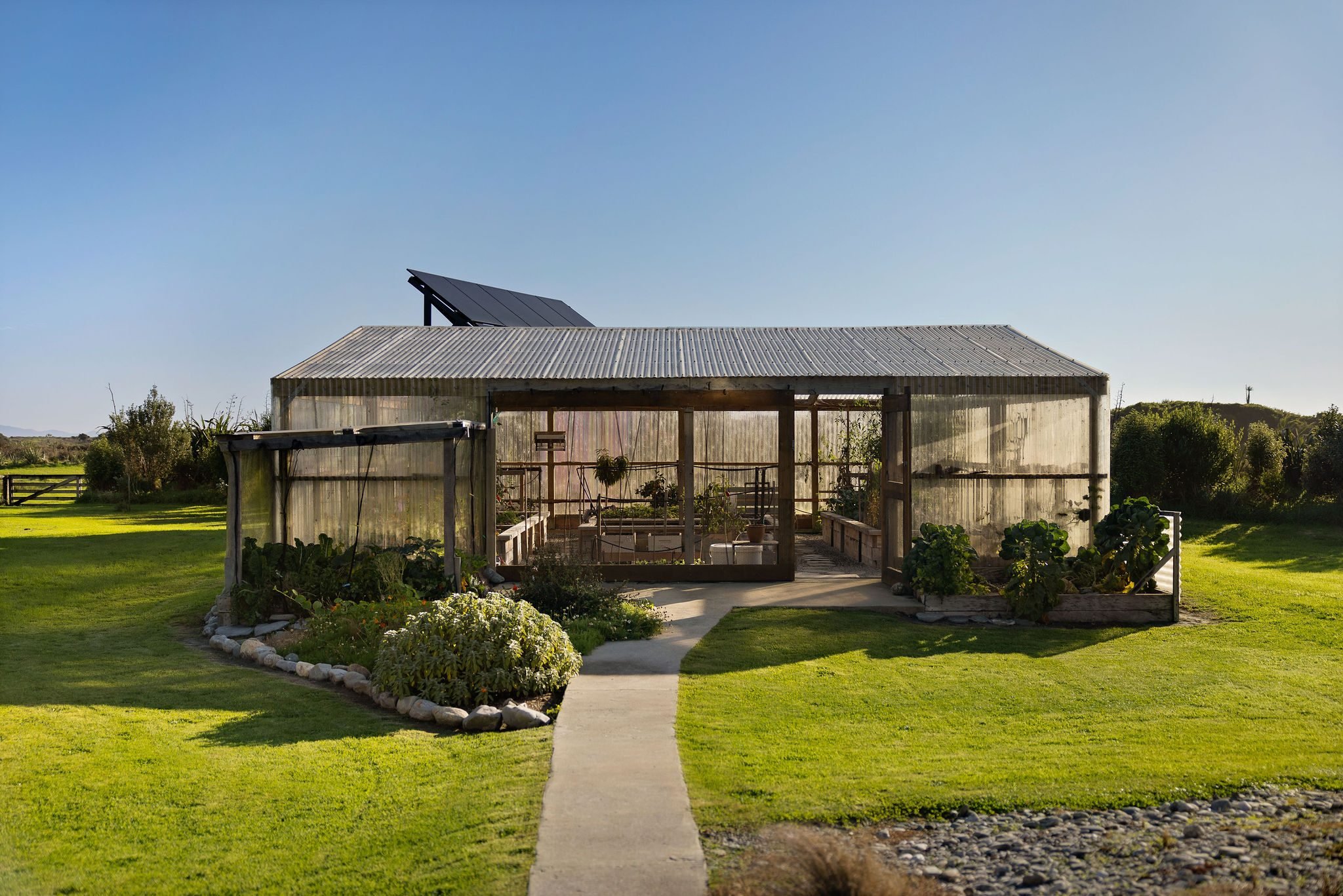
Sandwiched between the wild Tasman Sea and dense West Coast rainforest, this 5,000 square metre property is engineered for extreme environmental resilience. Running on a high-capacity solar bank with no need for a generator, the retreat includes an expansive greenhouse, established orchards, and a large five-bay garage for heavy adventuring gear
Rainforest haven (Karamea, Buller District)
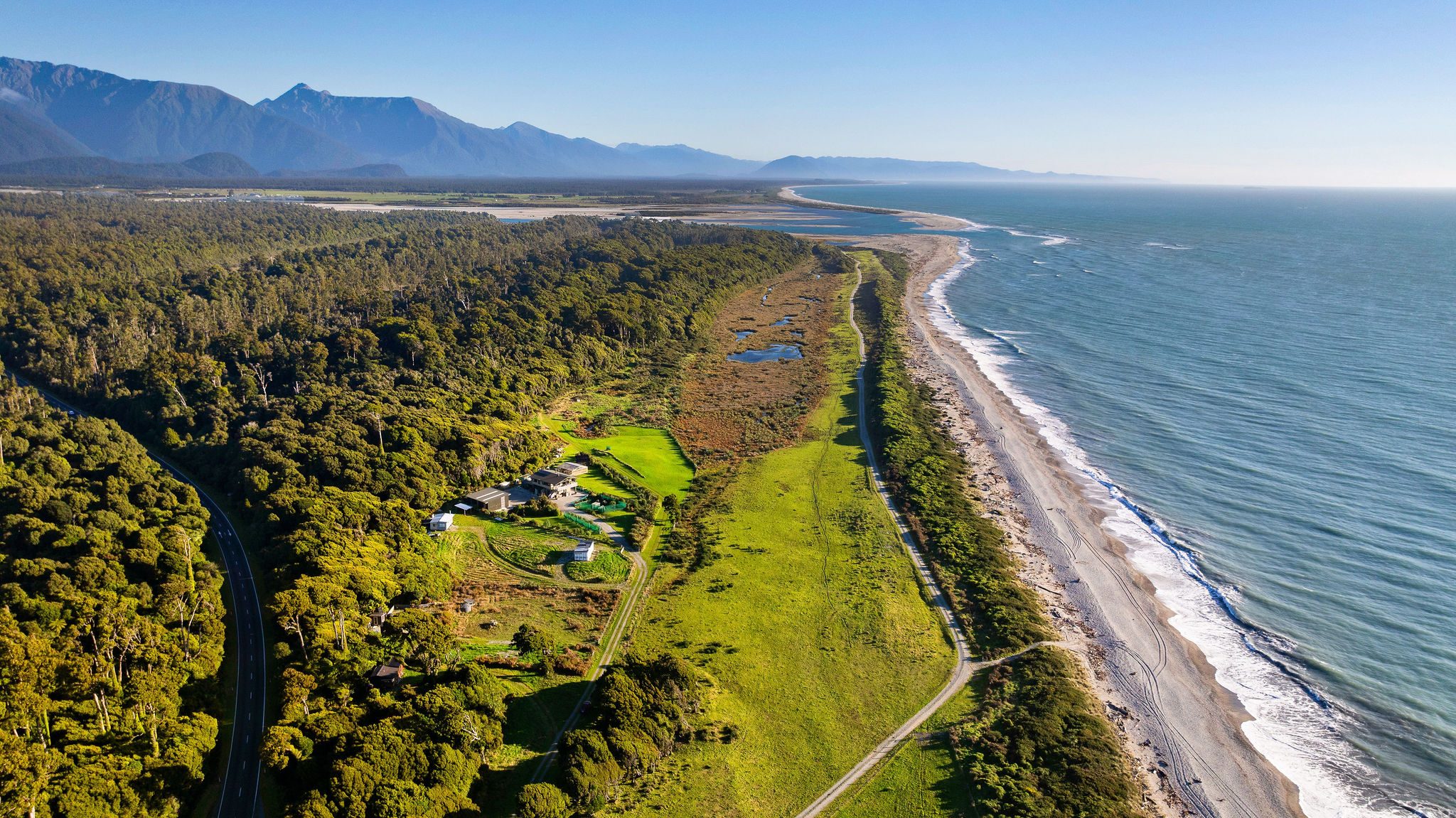
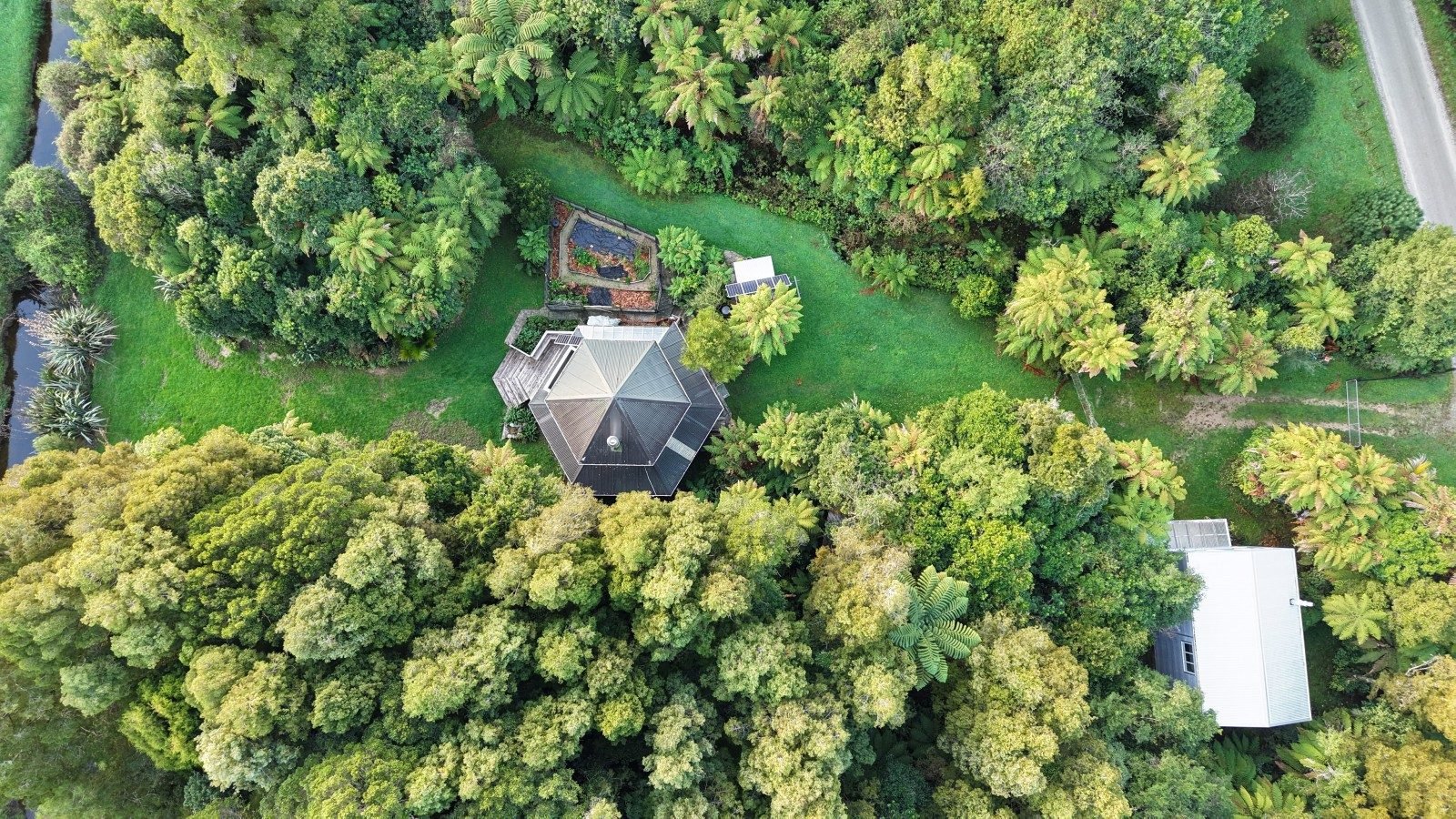
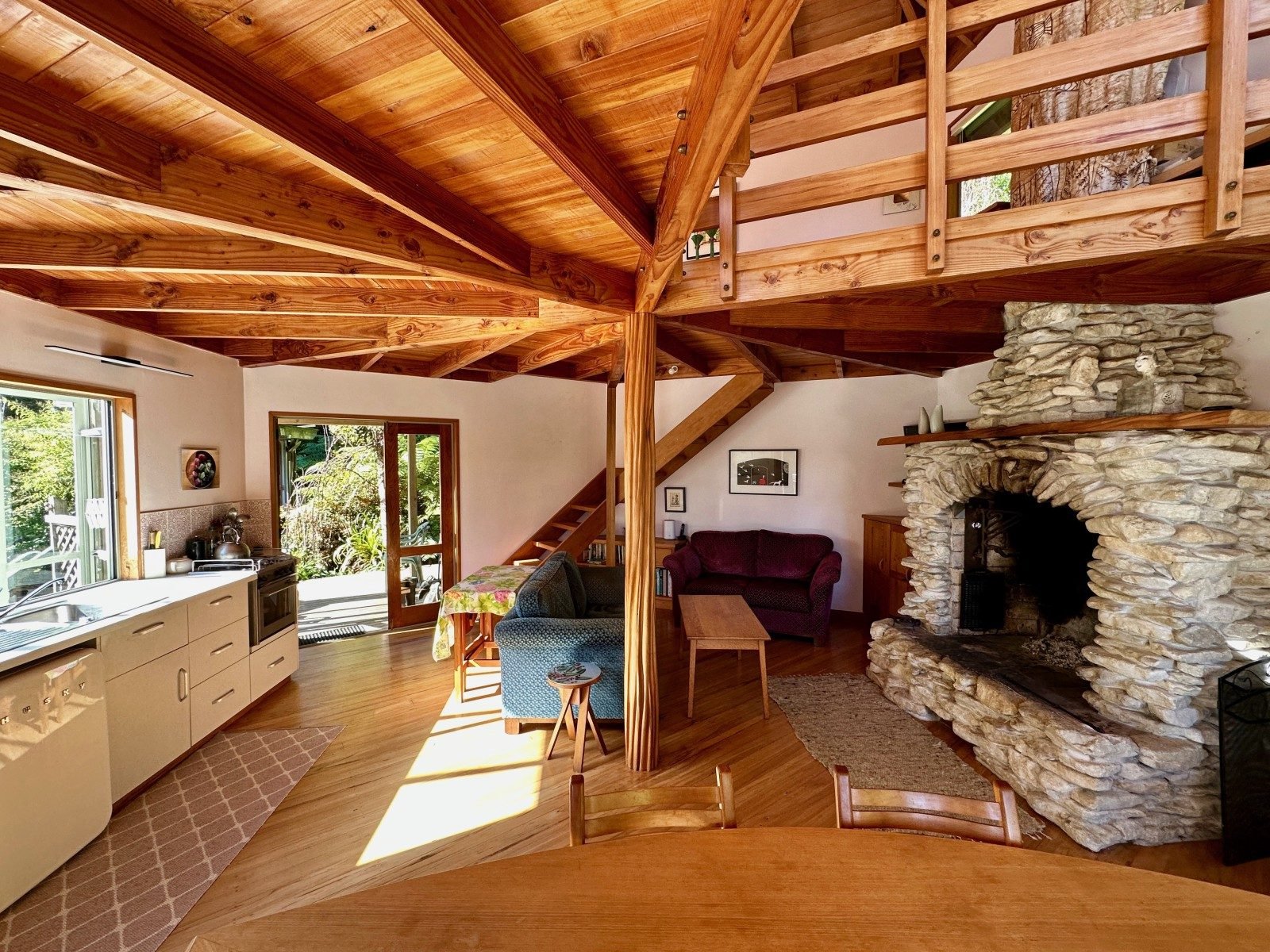
Set deep within 25 acres of native forest near the Heaphy Track, this timber-built sanctuary runs on continuous solar power and a creek-fed water supply. The main residence features an open fireplace fitted for stovetop cooking, a wood-fired sauna, an outdoor bush shower, and a standalone two-storey workshop building.
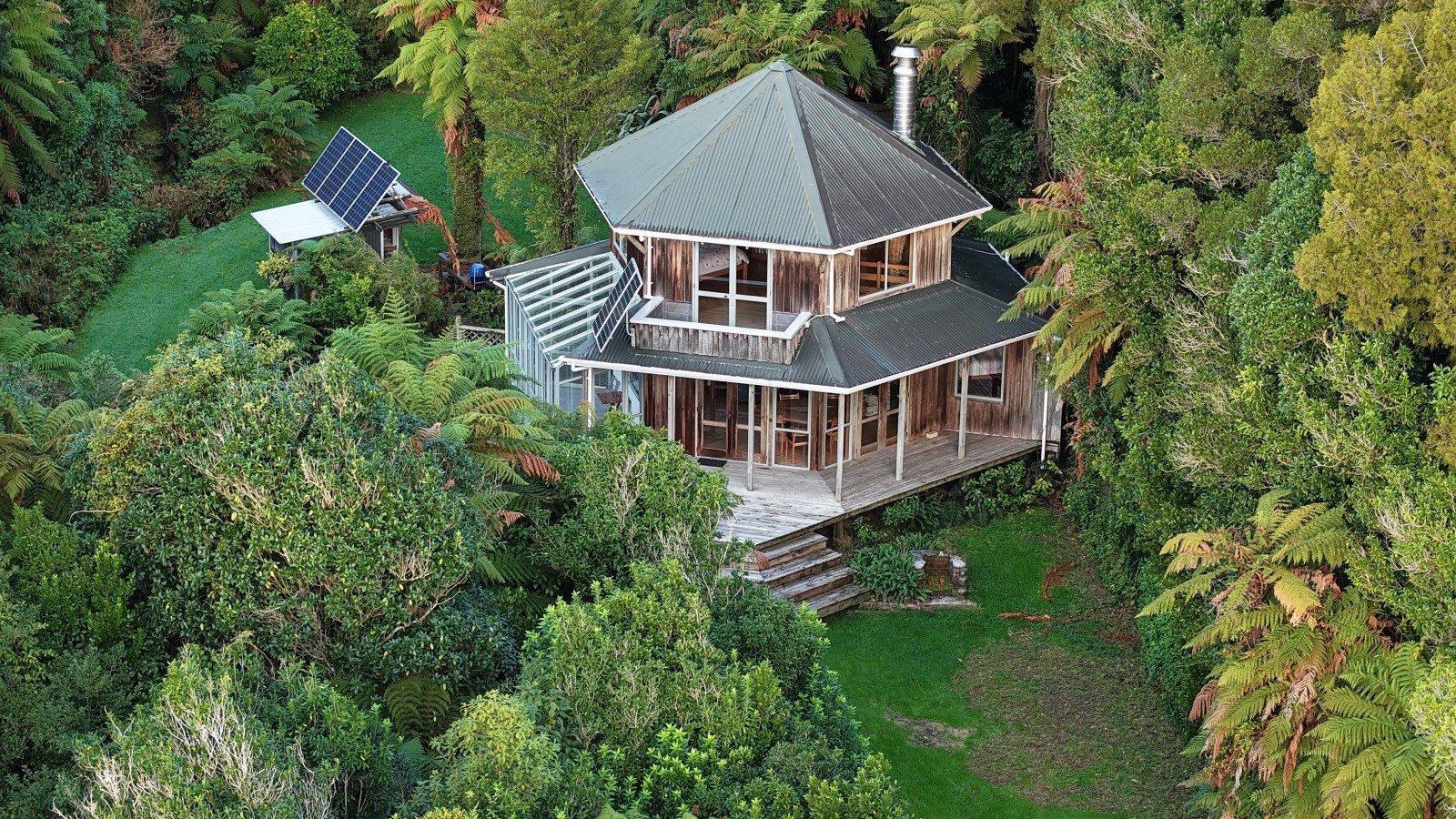
The Flying Fox river retreat (Whanganui River, Manawatu)
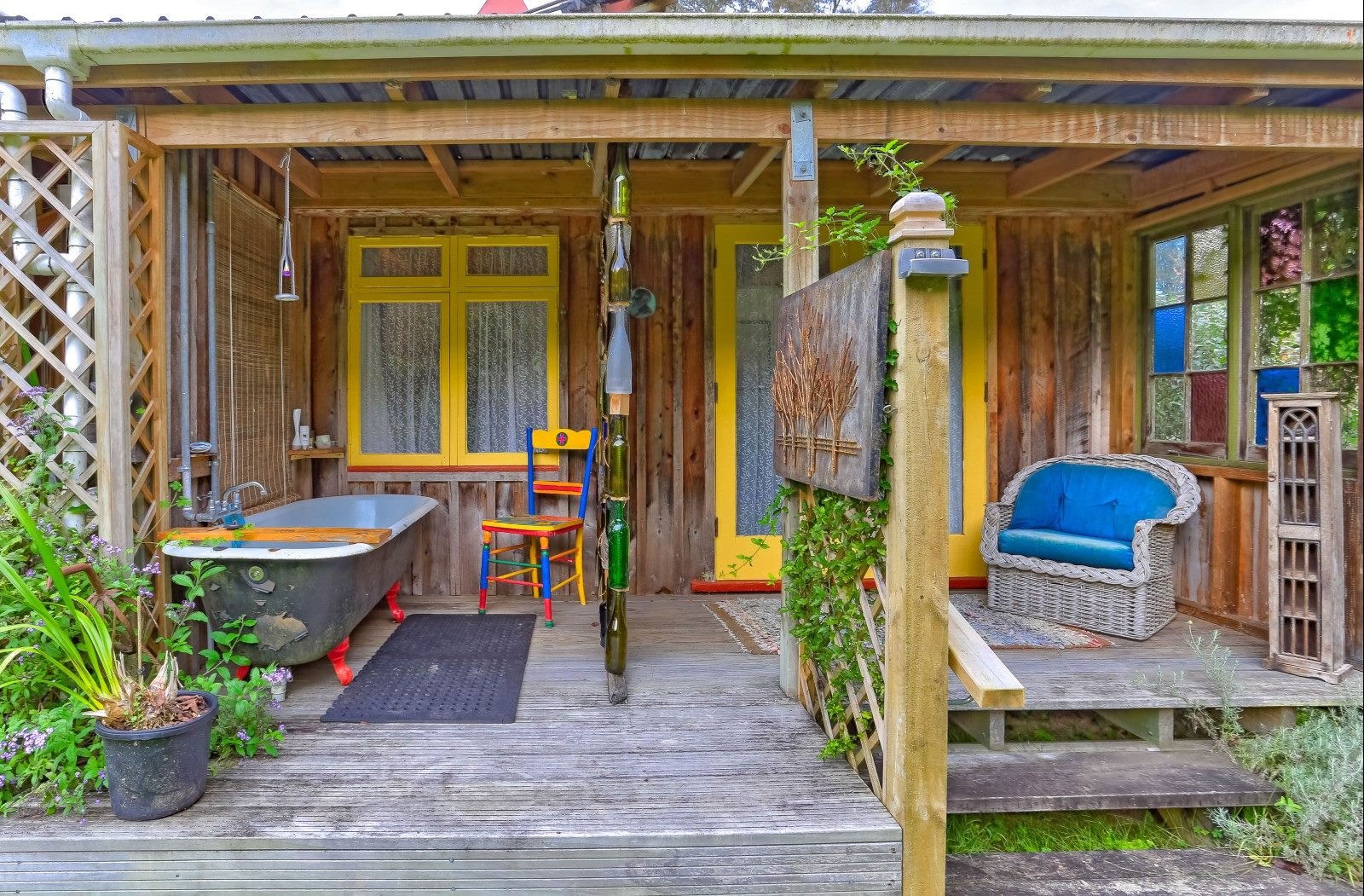
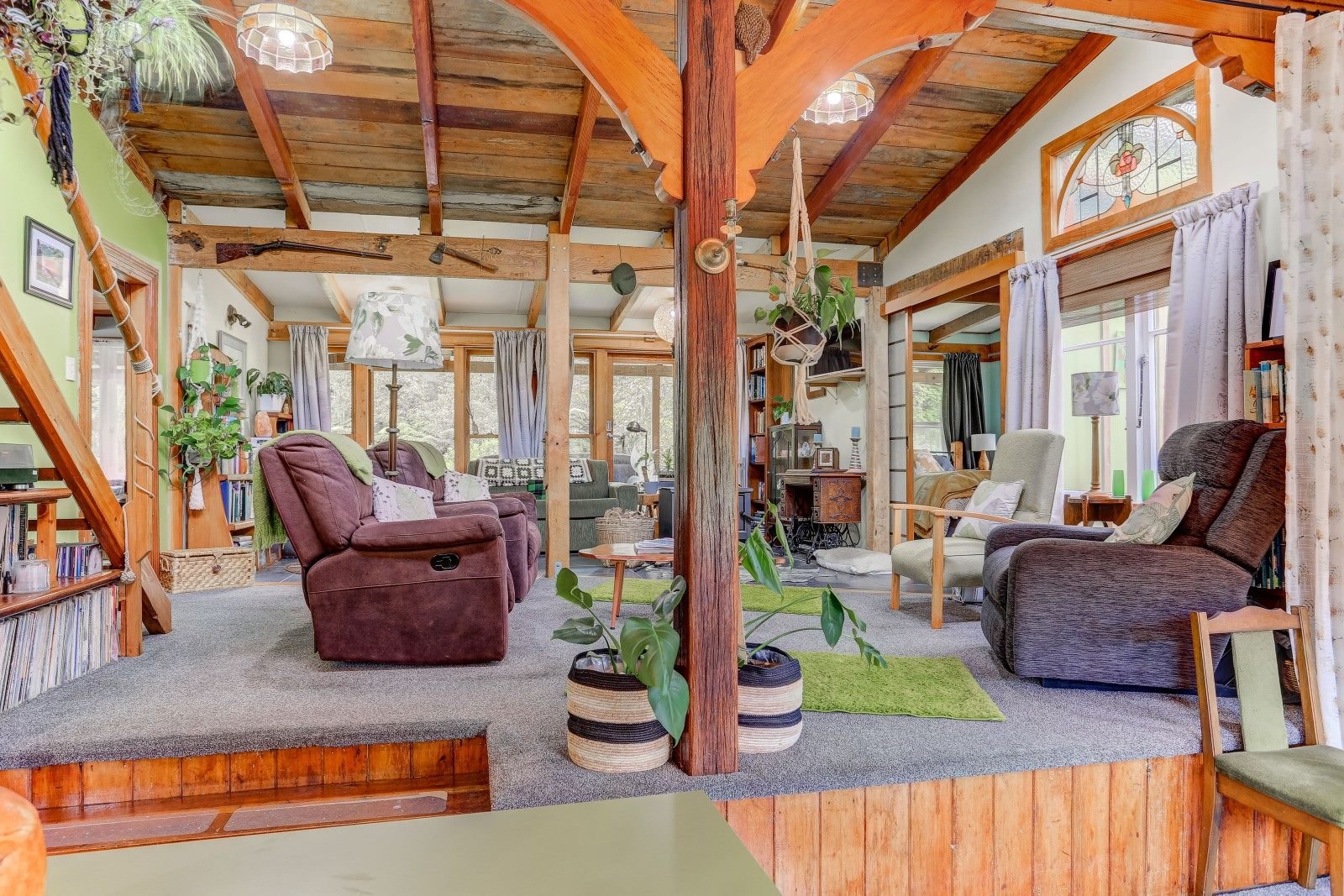
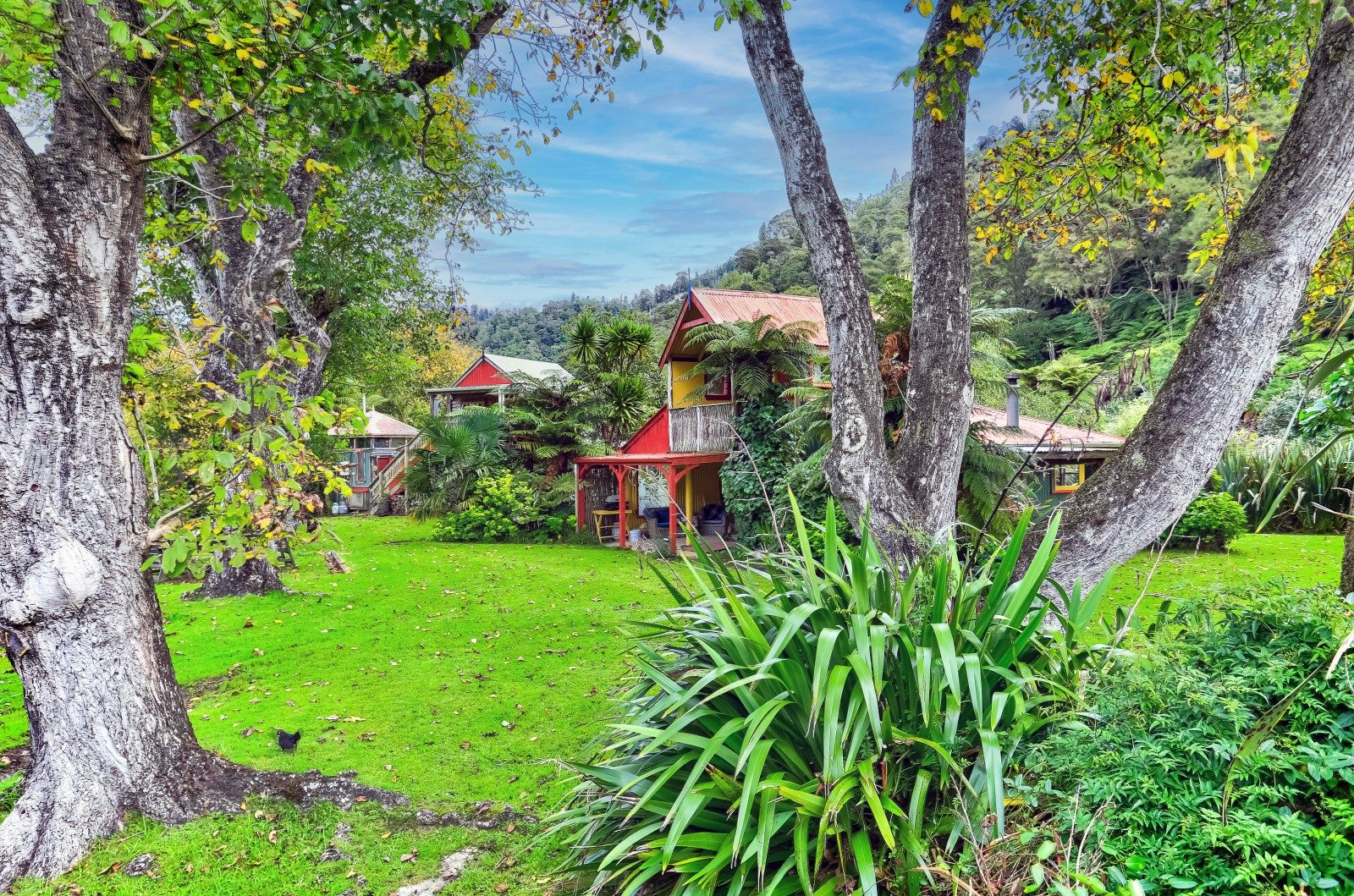
Positioned across 12.8 hectares along the Whanganui River on the edge of Whanganui National Park, this isolated compound is reached via a private aerial cable car operating over the river water. The eco-property features hand-built off-grid cottages, a tiny house, and a primary residence, all running on independent solar and rainwater infrastructure.
Reality check for buyers
Living off-grid is liberating, but stepping away from town supply means taking total charge of your own setup. You essentially become your own utility company, which means keeping tabs on battery banks through dark winter stretches and managing water tanks through dry summers.
Remote logistics can also require extra planning, making a backup generator, satellite internet, and a solid set of DIY skills just as essential as the sanctuary itself.
Author




Search
Other articles you might like