Feature article
Why January is a smart time to hire in New Zealand
January brings New Zealand's biggest surge of job hunters. Here's why recruiting early gives employers a sharp edge.


Many employers assume recruitment shuts down over summer, but the reality is quite the opposite. January is the single most active month of the year for New Zealand job hunters, offering businesses an unmatched window to capture top-tier candidates while competitors are still away on leave. In this guide, you'll learn why summer resolution-makers drive massive candidate volume, how early listing slashes your time-to-hire, and how to execute a streamlined January recruitment strategy.
Trade Me Jobs internal data confirms that January consistently sees the highest number of active job hunters searching for work of any month in the year. While office desks sit quiet in mid-January, candidate engagement soars as Kiwi reflect on their careers during summer breaks and actively seek fresh opportunities.
Why January is the peak month for candidate search activity in New Zealand
January delivers the highest candidate search traffic of the year in New Zealand because summer holidays give workers time to reassess their career goals and search for new roles. As Kiwi return from beaches and family gatherings, the combination of New Year resolutions and workplace reflection creates an immediate surge in active applicants. Employers who post roles early in January gain direct access to an eager talent pool before the wider market resumes full operations.
The psychology behind the New Year career reflection
The Christmas and New Year break is often the longest period of continuous leave Kiwi take all year. When people step away from their daily routine, they gain perspective on their professional lives. Whether someone is seeking better work-life balance, higher pay, or career progression, that mental break acts as a catalyst for action.
By the time the calendar turns to January, thousands of professionals are updating their CVs, polishing their digital profiles, and actively searching listing sites. They aren't just casually browsing; they're high-intent candidates ready to make a move.
Less competition from other hirers in early January
While candidate activity hits its annual high in January, many employers hold off on posting job ads until February or March. There's a common misconception that decision-makers need to be back in the office before launching a hiring campaign.
This creates a supply and demand imbalance that plays directly into your hands. By listing your vacancy in mid-January, your job ad faces far less competition on search result pages. Your listing gets prime exposure in front of candidate eyes when engagement is at its peak.
Reaching high-calibre candidates before they sign elsewhere
Top-tier candidates don't stay on the market for long. High performers who resolve to change roles in the New Year often start their search immediately. If your business waits until late February to begin recruiting, these proactive candidates may already be interviewing with your rivals or weighing up competing job offers.
Posting in January lets you start conversations with top-grade talent before other employers have even finalised their quarterly hiring budgets.

How early summer recruitment speeds up your hiring process
Recruiting in January significantly reduces your overall time-to-hire because candidates are responsive and decision-makers face fewer operational bottlenecks. With candidates readily available for phone screens and quick interviews, hiring managers can complete candidate selection weeks ahead of standard autumn timelines.
Unusually high candidate responsiveness
During late December and early January, candidates generally have more flexibility in their schedules. They aren't juggling back-to-back meetings or tight project deadlines at their current workplace, making them far easier to contact.
Phone calls get answered quickly, email replies come back within hours, and candidates are far more available for short initial interviews. Using tools like Jobsmart: Applicant tracking made easy allows you to organise and screen incoming applications instantly as candidates apply, keeping momentum strong.
Proactive talent sourcing via database search
You don't have to wait for applications to land in your inbox to start building a shortlist. Many professionals use the summer break to refresh their public career summaries.
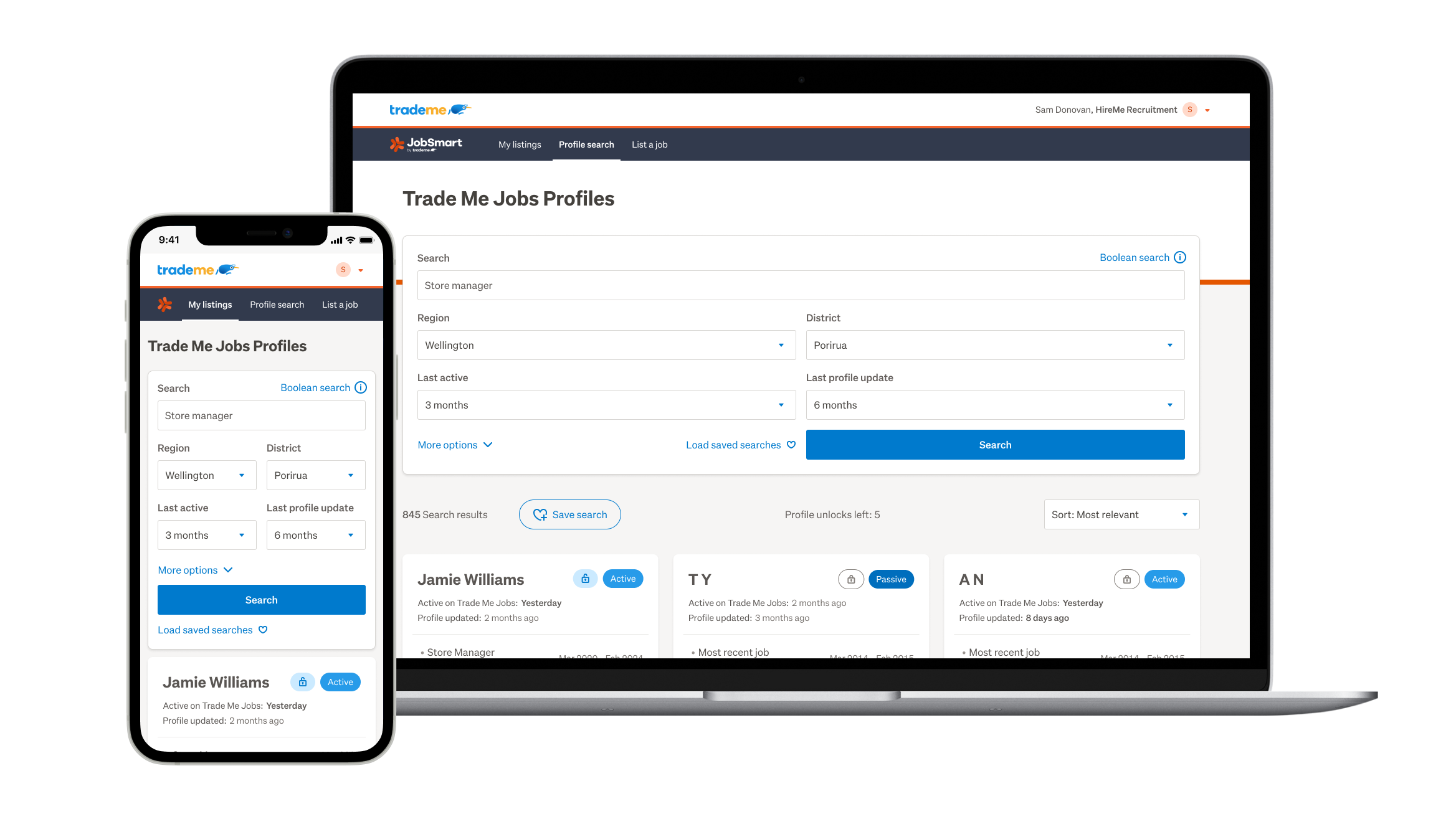
By browsing our extensive candidate database through Trade Me Jobs Profiles, you can proactively reach out to skilled candidates who match your exact criteria. Connecting with candidates directly while they're relaxing at home often leads to warmer, more receptive conversations than cold calls made during busy work weeks.
Hitting the ground running for Q1 projects
Starting a recruitment drive in March means your new hire probably won't be onboarded and fully productive until late April or May, once notice periods are factored in. That leaves a massive gap in your first-quarter productivity.
Hiring in January changes that timeline completely. A candidate secured in late January can wrap up their notice period and start by mid-February, ensuring your team is fully staffed right as peak annual workflows kick off. According to monthly employment metrics published by Stats NZ, filled job numbers regularly fluctuate around early-year seasonal shifts, underscoring how vital early workforce planning is for business continuity.
How to recruit top candidates in January
Executing a successful January recruitment drive requires clear job messaging, responsive communication, and a streamlined decision-making process. By preparing your job listings in late December or early January, you can capture high-intent job hunters before your competitors return to the office.
How to execute a high-performing January hiring strategy
- Prepare clear, benefit-focused job ads: Highlight what makes your workplace attractive, including flexible working arrangements, competitive pay, and clear development pathways. Review our detailed guide on how to write a job ad that gets the right people applying for practical templates and proven formatting tips.
- Publish early in the month: Target the first two weeks of January to capture early-bird job hunters who are actively searching while competitor ad volumes remain lower.
- Keep screening fast and mobile-friendly: Candidates browsing over summer are often using their mobile devices. Make sure your application process is straightforward and reply to inquiries quickly.
- Schedule concise initial interviews: Use quick phone calls or brief video interviews to verify fit before booking formal face-to-face meetings once key managers return.
- Issue employment offers without delay: Good candidates in January move fast. Follow our structured hiring staff checklist to ensure your contract processes run smoothly and stay legally compliant.

Strategic advantages of starting the hiring cycle before February
Starting your hiring process before February provides a distinct operational edge by securing key personnel before your competitors begin their first-quarter talent search. By onboarding new staff in mid-to-late January, your business maintains momentum and avoids the productivity lag that hits lagging recruiters in autumn.
A smoother, low-stress onboarding environment
Onboarding a new team member during a chaotic, deadline-heavy period can be overwhelming for both the new hire and your existing staff. Late January and early February offer an ideal environment for induction.
Because the general business pace is still ramping up, managers have more dedicated time to deliver structured training, answer questions, and facilitate proper team introductions. This sets your new employee up for long-term retention and higher job satisfaction.
Maximising your hiring budget efficiency
Running a recruitment drive when application volumes are high naturally lowers your overall cost per hire. When you receive a strong pool of relevant applicants from a single listing, you don't need to spend extra budget extending job ads or paying urgent recruiter placement fees.
Getting your listings live during peak candidate traffic ensures you get maximum ROI on your recruitment advertising spend.
Ready to find your next great hire?
January is your biggest opportunity of the year to attract top Kiwi talent. When you're ready to fill your next position, list your role on Trade Me Jobs to reach one of New Zealand's largest active pool of candidates. For more hiring strategies, workplace insights, and recruitment advice, head over to our Advertiser's advice hub.
Author
Other articles you might like