Careers advice
Civil construction career guide: How to build NZ from the ground up
Get your boots on and explore career paths, training and salary expectations in New Zealand civil construction.
Last updated: 7 August 2026

If you love building things, civil construction might be the career for you.
If you've ever driven on a smooth new highway, crossed a sturdy bridge, or poured a glass of clean tap water, you've benefited from the hard work of the civil infrastructure sector. This industry is the physical foundation of our daily lives, keeping Aotearoa connected and moving.
It's also one of the country's most active and critical fields, offering a massive variety of pathways for people who love hands-on work. Whether you want to operate a 20-tonne excavator, lead a site crew, or design the stormwater systems that protect our suburbs, there's a place for you here.
In this guide, we'll walk through the different entry points, what you can earn, the qualifications that'll help you progress, and how to get your foot in the door.
What is civil construction?
To put it simply, civil construction is all about building and maintaining our public environment. While vertical builders focus on residential homes and commercial office blocks, civil crews work on the horizontal infrastructure that supports them. This includes roading, tunnels, bridges, dams, airports, and the water networks hidden beneath our feet.
It's a sector that relies on teamwork, heavy machinery, and practical problem-solving. It's also an industry where you can genuinely see the results of your hard mahi at the end of every day. In New Zealand, civil infrastructure is constantly expanding to meet the needs of growing communities, making it an excellent choice for stable, long-term employment. If you're looking for rewarding, active work, our country's hands-on industries are always crying out for fresh talent.
Pathways into civil construction: From entry-level to qualified trades
You don't need a university degree to build a fantastic career in this sector. Many of the most successful managers and operators in New Zealand started on site with nothing but a Class 1 driver licence and a positive attitude. Let's look at the main practical career paths.
Labouring and entry-level roles
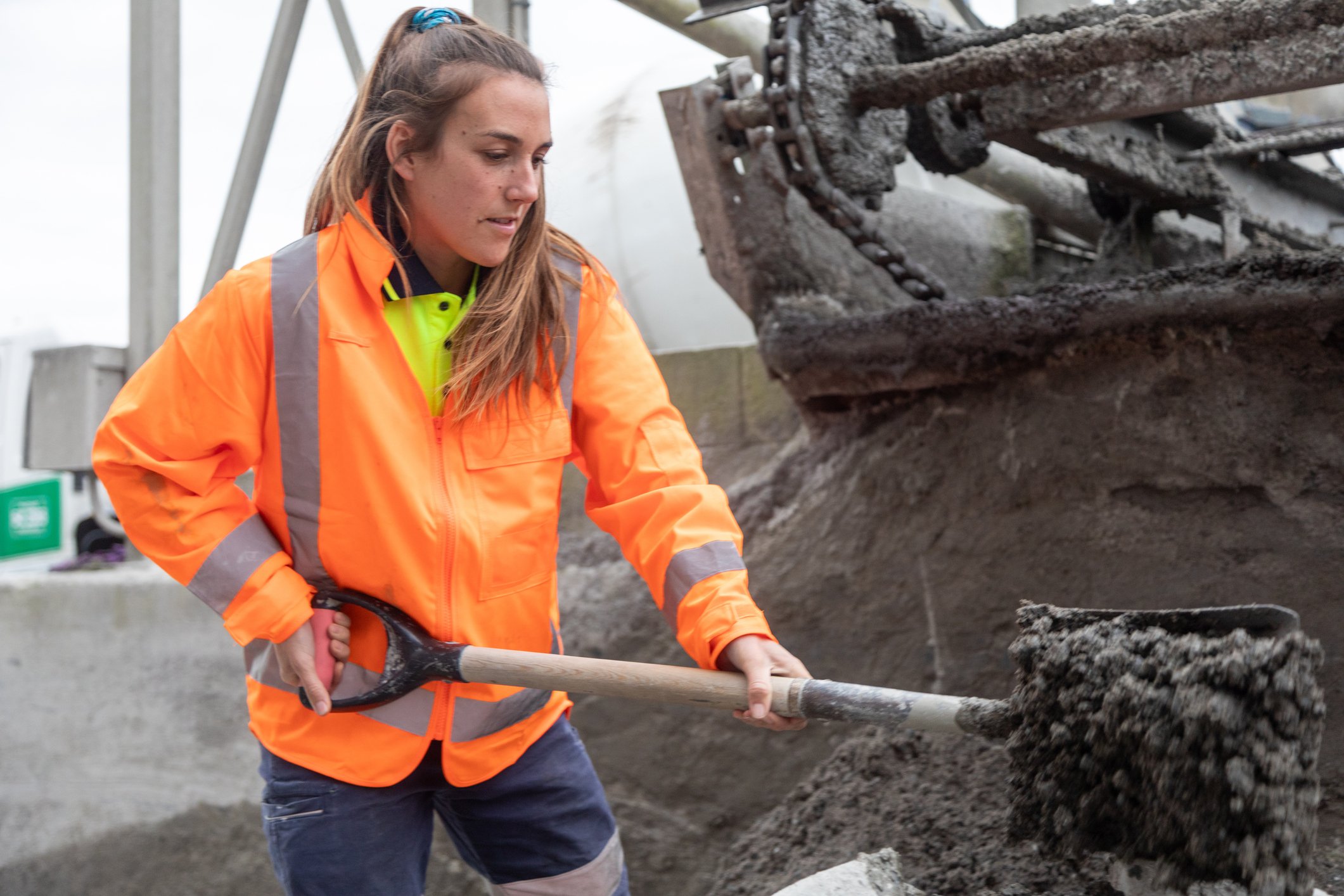
Starting as a civil labourer or traffic controller is the fastest way to get your start. You'll learn how a site operates, get comfortable working around heavy machinery, and build your physical fitness.
The absolute minimum qualification you need is a clean Class 1 driver licence. It makes getting to different work depots easier and allows you to drive basic work vehicles. Most employers will provide your personal protective equipment (PPE) (like boots, high-vis vests, and hard hats) from day one, so you don't need to worry about a massive upfront cost.
The average hourly rate for a civil labourer in New Zealand is around $28.43, with annual salaries typically sitting around $55,000–$65,000 depending on your experience and region. It's a great way to earn decent coin while figuring out which part of the industry you enjoy most.

Machine operation is another career pathway in civil construction.
Civil apprenticeships and Civil Trades Certification
If you want to turn your hands-on experience into a recognised trade, a civil apprenticeship is the way to go. Just like building, plumbing, or electrical work, civil construction has its own structured, work-based training pathway.
You can complete a Civil Infrastructure Apprenticeship through Waihanga Ara Rau (the construction and infrastructure workforce development council, which supports training providers like Connexis). These apprenticeships let you earn while you learn, combining practical on-the-job work with structured assessments. You can specialise in areas like:
- Bitumen surfacing construction: Preparing sites and laying the asphalt that keeps our roads smooth.
- Pipeline construction: Installing and maintaining the massive pipes that carry our drinking water and wastewater.
- Civil earthworks: Operating heavy machinery to reshape land for subdivisions and major transport projects.
Completing your apprenticeship and gaining a Level 4 New Zealand Certificate is the key stepping stone to getting registered as a certified civil tradesperson through Civil Contractors New Zealand (CCNZ). This certification gives you a portable, industry-recognised qualification that proves your skills to any employer across the country.
Heavy machinery and operator roles
If your dream is to operate massive diggers, bulldozers, or road rollers, you'll want to focus on machine operator roles. Most operators start as labourers and show a keen interest and a safe attitude around the gear.
To legally operate these machines on public roads, you'll need special endorsements on your driver licence. These are known as the WTR endorsements:
- W (Wheels): For vehicles running on wheels (like loaders or graders).
- T (Tracks): For vehicles running on tracks (like excavators or bulldozers).
- R (Rollers): For road rollers.
Skilled machine operators and heavy truck drivers (holding Class 2, 4, or 5 licences) are in high demand. Experienced excavator operators can expect to earn hourly rates of $30–$38, with highly specialised operators commanding even more on complex infrastructure projects.
Civil engineering: The planning and design pathway
If you love maths, physics, and digital design, but still want to be involved in shaping the physical world, the engineering side of civil construction is a fantastic option. Engineers work closely with construction crews to plan, design, and supervise the projects that keep our country running.
Civil engineering technicians
Don't want to spend four years at university? Becoming a civil engineering technician is a brilliant, highly practical alternative. Technicians help professional engineers with site surveys, drafting digital plans using computer-aided design (CAD) software, and testing building materials like soil and concrete.
To get started, you can study for a two-year New Zealand Diploma in Engineering (Civil) (Level 6). This practical qualification is offered by regional providers across the country, such as Otago Polytechnic in Dunedin and Ara Institute of Canterbury in Christchurch.
Civil engineering technicians are in high demand, with typical annual salaries ranging from $63,000 for graduates to $103,000 for highly experienced technical officers.
Professional civil engineers
If you want to lead the design of major projects like bridges, highway bypasses, or massive water reservoirs, you'll need to become a professional civil engineer. This path involves a four-year Bachelor of Engineering (Honours) degree, specialising in civil engineering.
This degree is offered by several top-tier universities across Aotearoa, including the University of Canterbury in Christchurch, the University of Auckland, and the University of Waikato in Hamilton.
Once you graduate, you'll start in a graduate programme where you'll gain hands-on experience under the mentorship of senior engineers. After at least five years of industry practice, you can apply to become a Chartered Professional Engineer (CPEng) through Engineering New Zealand, which is the gold standard for professional recognition in the industry.
The average annual salary for a civil engineer in New Zealand ranges from $95,000 to $115,000, with graduate roles starting around $60,000 and senior project engineers earning upwards of $130,000.

If you're a planner with some design flare, look into civil engineering.
Key skills you need to succeed in the civil sector
Whether you're holding a shovel or designing a bridge, certain personal qualities will help you thrive in this fast-paced industry:
- A safety-first mindset: Civil sites can be hazardous, with heavy vehicles, deep trenches, and high-pressure utilities. You must be alert, follow health and safety rules, and look out for your workmates.
- Strong communication: Clear communication is vital to make sure tasks are done correctly and safely. You'll need to listen well to instructions and speak up if you spot a hazard.
- Problem-solving skills: Weather changes, unexpected ground conditions, and tight deadlines mean plans often have to change on the fly. Being adaptable and finding practical solutions is a huge asset.
- Reliability and punctuality: Construction schedules are tightly coordinated. If one person is late, it can delay the entire crew and cause costly setbacks. Showing up on time and ready to work is the best way to earn respect.
How to land your first civil construction job
Ready to get started? Here are some simple, practical steps to make your application stand out:
- Get your Class 1 driver licence: As mentioned, this is the single most important asset for entry-level roles. If you can drive a manual vehicle, that's an even bigger bonus.
- Obtain a Site Safe card: Many civil employers require you to have a Site Safe Foundation Passport before you can step onto their sites. Completing this basic safety course shows employers you're serious.
- Build a clean CV: Keep it simple, clear, and focused on your practical skills, physical fitness, and reliability. If you've done any outdoor work, farm work, or manual labour, make sure to highlight it.
- Create a Trade Me Jobs profile: Set up a job profile so employers can find you and you receive better matches to civil construction roles.
Ready to take the next step?
The civil infrastructure sector is the driving force behind our country's growth, and there's never been a better time to join. Explore current listings for Construction & roading jobs to find a role that fits your goals, and sign up for our job alerts to keep your career moving forward with Trade Me Jobs today.
Author

Other articles you might like