Careers advice
Your ultimate guide to labouring and hammerhand jobs in New Zealand
Learn how to land a labouring gig in NZ, level up your skills, and build a lifelong trade career.
Last updated: 29 June 2026
If the idea of sitting behind a desk all day makes you stir-crazy, the New Zealand construction and trades sector wants you. You do not need a fancy university degree, a mountain of student debt, or even years of experience to get started.
Taking on a labouring or hammerhand job is one of the absolute best ways to break into the industry, get paid to stay fit, and set yourself up for a massive future.
Whether you want to earn some quick cash over the summer or find a reliable gateway into a high-paying trade, starting from the ground up is a proven path to success.
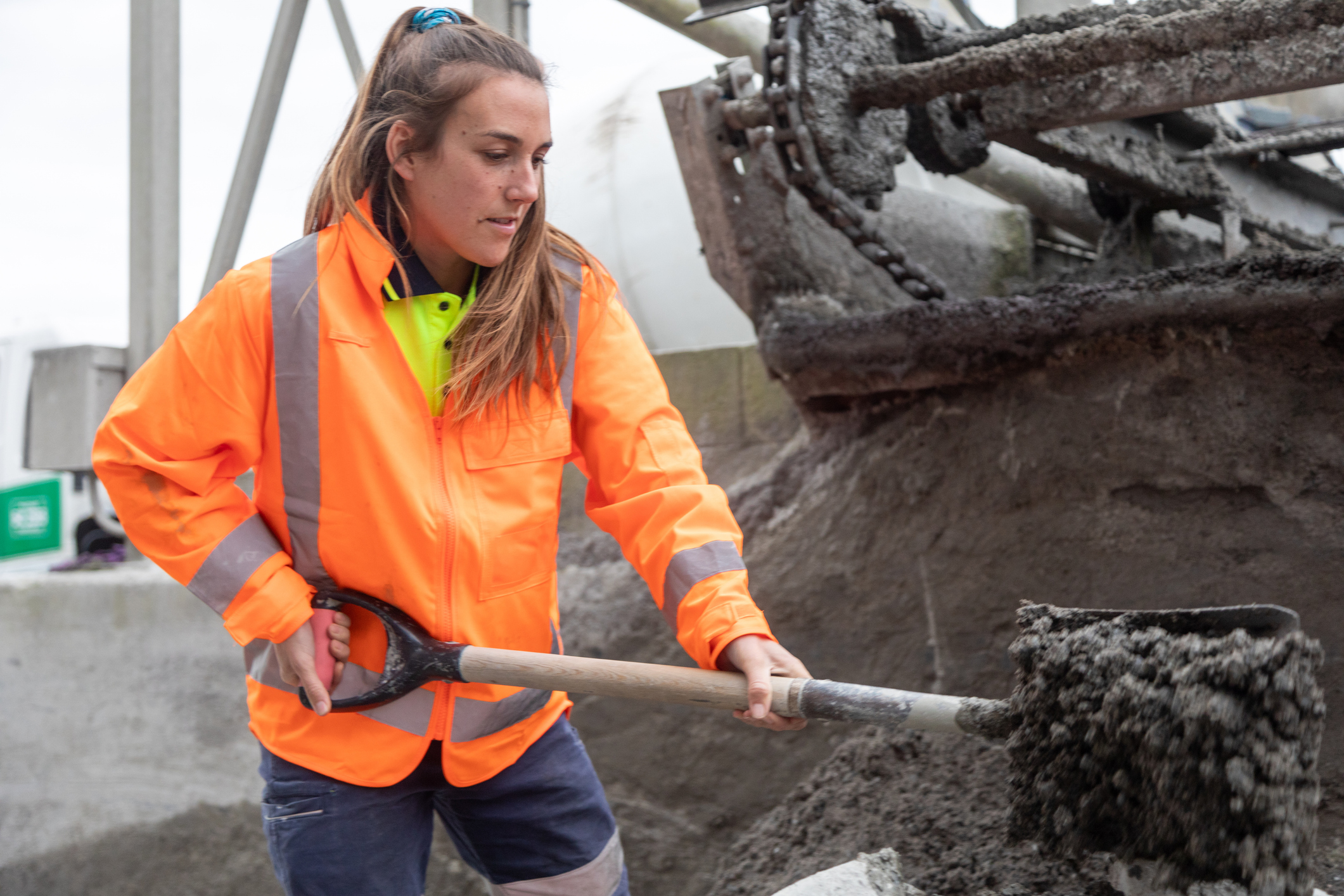
Understanding the roles: who does what on a Kiwi site?
No two days on a Kiwi site look exactly the same, which is half the fun. While the words "labourer" and "hammerhand" get thrown around a lot, different jobs require different levels of tool experience and focus. Understanding where you fit helps you target the right roles on Trade Me Jobs.
| Job title | Main industry | What you'll do on the job | |||
|---|---|---|---|---|---|
| Building labourer | Building labourer | Residential construction | Residential construction | Helping residential builders, moving timber, digging footings, cleaning up housing sites, and prepping areas for framing. | Helping residential builders, moving timber, digging footings, cleaning up housing sites, and prepping areas for framing. |
| Construction labourer | Construction labourer | Commercial building | Commercial building | Working on large-scale commercial developments, setting up scaffolding, pouring concrete, and assisting specialised subcontractors. | Working on large-scale commercial developments, setting up scaffolding, pouring concrete, and assisting specialised subcontractors. |
| Civil labourer | Civil labourer | Infrastructure & roading | Infrastructure & roading | Laying pipes, earthworks, trenching, managing site drainage, and assisting with roading developments and heavy machinery prep. | Laying pipes, earthworks, trenching, managing site drainage, and assisting with roading developments and heavy machinery prep. |
| Hammerhand | Hammerhand | Carpentry & building | Carpentry & building | Working directly under qualified carpenters, doing basic framing, fixing cladding, using power tools, and reading basic building plans. | Working directly under qualified carpenters, doing basic framing, fixing cladding, using power tools, and reading basic building plans. |
| Trade assistant (TA) | Trade assistant (TA) | Specialised trades & engineering | Specialised trades & engineering | Partnering with a specific tradesperson (like an electrician, plumber, or welder) to handle tool prep, clean-up, and basic trade installation tasks. | Partnering with a specific tradesperson (like an electrician, plumber, or welder) to handle tool prep, clean-up, and basic trade installation tasks. |
How much can you earn as a labourer or hammerhand in NZ?
Your earning potential in the trades depends heavily on your experience, the tools you own, and the specific type of environment you work in. Because these roles are physically demanding and essential to keeping New Zealand building, employers are willing to pay competitive rates to reliable workers.
Here is what you can generally expect to bring home:
Entry-level labourers: If you are completely new to the industry and starting out as a general building or commercial labourer, pay rates typically start between $24 and $27 per hour. This is an excellent starting point while you learn site basics and build up your physical stamina.
Experienced labourers and trade assistants: Once you have a couple of years of experience under your belt, understand site safety, and can work with minimal supervision, your rate can quickly climb to $27 to $32 per hour.
Hammerhands: Because hammerhands bring specific tool skills and basic carpentry knowledge to the job, they command a premium. If you have your own basic tool kit and can assist a carpenter efficiently, you can expect to earn between $28 and $36 per hour.
If you step into civil or infrastructure construction, working on large-scale roading projects or commercial developments, you may also get options for penal rates, overtime, or weekend allowances that boost your weekly take-home pay even further.

The massive perks of starting your trade journey here
Do not make the mistake of thinking labouring is a dead-end job. Look at it as your ultimate career launchpad. Many of New Zealand’s most successful building company owners, project managers, and site foremen started out exactly where you are standing now, holding a shovel or carrying timber.
Starting out as a labourer lets you test-drive the industry before you commit to one specific path. You will see exactly what different trades do every single day. If you decide you prefer working with wires over pipes, you can pivot easily.
Best of all, showing up every day with a great attitude is the number one way to secure a formal apprenticeship. Employers love to hire apprentices who have already proven they can handle the physical realities of the job. If you want to explore how these entry-level paths connect to bigger goals, check out our comprehensive guide on the types of apprenticeships available in NZ or take a look at trade assistant jobs in New Zealand: how to get started.
Top New Zealand courses to fast-track your career
While you can often walk onto a site with nothing but a good work ethic and a pair of steel-cap boots, getting a basic qualification puts you at the front of the hiring queue. It shows employers you take your future seriously and understand site safety.
Consider these top Kiwi training providers to give your CV a massive boost:
Whitireia and WelTec: They offer excellent, hands-on certificates in construction trades. These programmes teach you essential tool handling, basic building techniques, and workplace safety. You can check out their upcoming intakes directly at Whitireia WelTec.
BCITO (Te Pūkenga): If you want to earn money while you learn, BCITO coordinates work-based training and apprenticeships all across Aotearoa. They help turn your on-site experience into a fully recognised qualification. Learn more on the BCITO website.
Site Safe New Zealand: This is a non-negotiable for most commercial building sites. Completing a foundational health and safety course earns you a Site Safety Card (or "Site Safe Passport"), which many employers require before you can even step foot on site. Book a course through the Site Safe website.

How to write an impressive trades or construction CV (even with no experience)
You do not need a twenty-page document detailing every job you have ever had. Instead, Kiwi hirers want to see that you are reliable, physically fit, and eager to learn.
When you frame your skills, make sure to highlight practical things like having a reliable car, a clean driver's license, or any experience using basic tools at home. If you are feeling stuck on how to present your background, read our expert guide on how to make an impressive CV with no experience.
Tailor your wording to show you understand the fast-paced nature of a building site. You can pick up specific industry pointers and layout ideas from our article on tips for writing a great construction and roading CV. Once your CV is looking sharp, make sure you create a Trade Me Job Profile so local employers can find you when new projects kick off.
Nailing your first week on site
Landing the job is only the first step, how you handle your first week sets the tone for your entire trade career. Construction sites move fast, and reputations are built quickly.
First, always show up fifteen minutes early. Punctuality is everything in the trades because if you are late, you hold up the entire crew. Second, keep your phone in your lunchbox. Nothing frustrates a site foreman faster than seeing a labourer scrolling social media when there is timber to be moved.
Finally, do not be afraid to ask questions. If you are not sure how to use a tool or carry out a task safely, speak up. Employers respect a worker who wants to get the job done right the first time over someone who guesses and makes a costly mistake.
Your future starts on the tools
Labouring and hammerhand roles offer an incredible, direct path to a secure and financially rewarding career in New Zealand's booming construction sector. By turning up on time, keeping your eyes open, and putting in an honest day's work, you can easily turn an entry-level job into a lifelong trade career.
Start searching for your next role on Trade Me Jobs today and get your trades or construction career moving!
Author

Other articles you might like