Careers advice
Environmental jobs in NZ: A guide to careers in nature
These roles really make a difference.
Last updated: 7 May 2026
Thinking about a career where your office is the great outdoors and your work helps protect Aotearoa for future generations? You’re not alone. With a growing focus on sustainability and biodiversity, environmental and conservation roles are in high demand across New Zealand.
Whether you want to work deep in the bush for the Department of Conservation (DOC), help businesses reduce their carbon footprint, or protect our oceans, there’s a path for you. This guide covers the top environmental roles, what you’ll need to get started, and how to land your first job.
Why work in the environmental sector?
New Zealand’s economy and identity are tied to our natural world, meaning there is a consistent need for people to manage, protect, and restore our land and water. These roles offer incredible variety, the chance to work in some of the most beautiful spots in the country, and the satisfaction of knowing you’re contributing to a greener future.
Want to work with our amazing native species?
Working for the Department of Conservation (DOC)
When most Kiwi think of environmental jobs, they think of DOC. As the government agency in charge of protecting New Zealand’s natural and historic heritage, they are a major employer in the sector.
DOC ranger
Rangers are the face of conservation in New Zealand. The role is incredibly diverse - one day you might be maintaining tracks and huts, and the next you could be monitoring an endangered bird population or managing a community volunteer event.
- Best for: People who love variety, are physically fit, and enjoy working with the public.
- Qualifications: While some entry-level roles provide on-the-job training, a certificate or diploma in conservation or resource management is highly recommended.
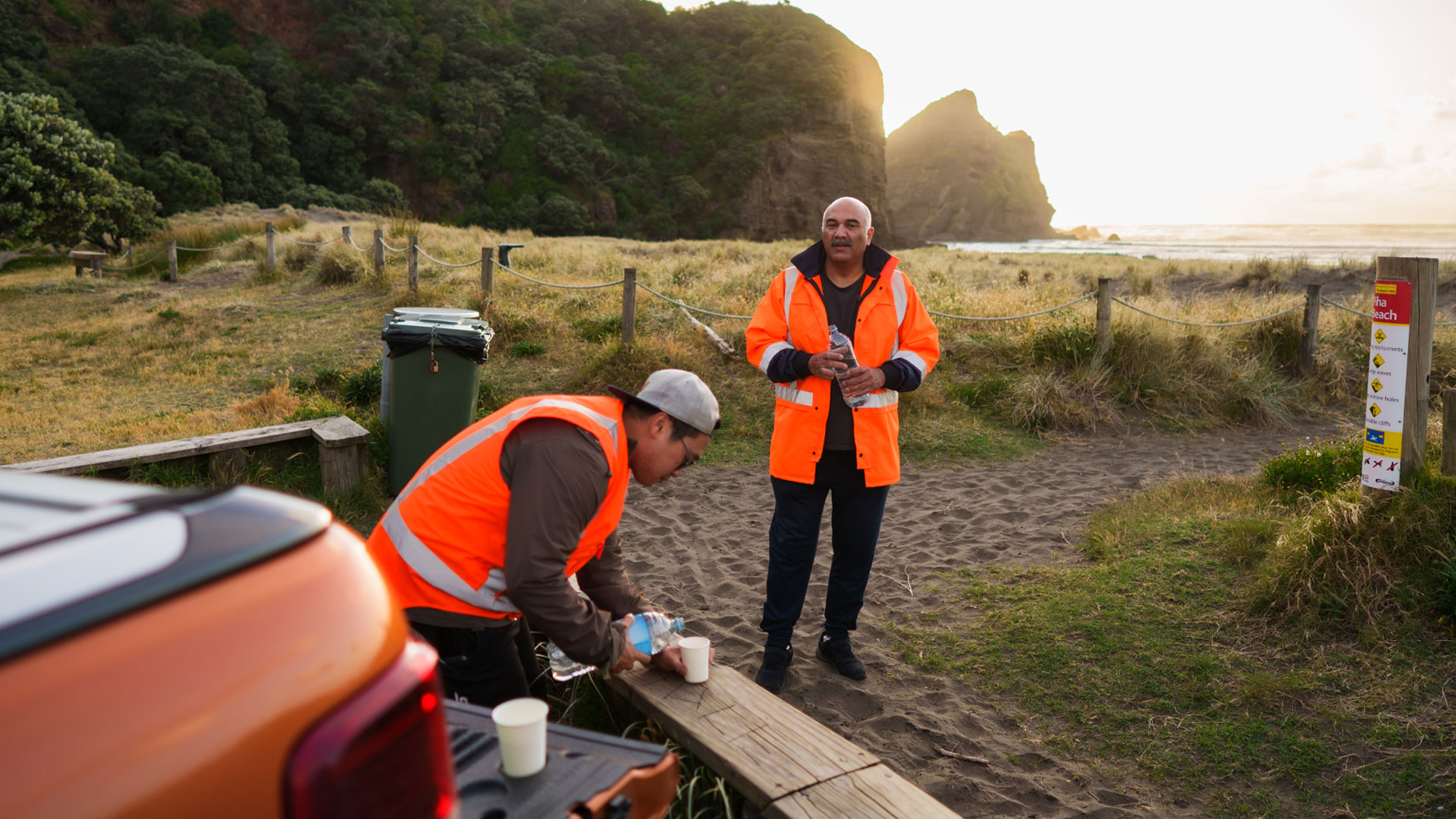
Conservation jobs will get you out into some of the country's most beautiful places.
Top environmental and conservation roles
Beyond DOC, there are hundreds of roles available with regional councils, private consultancies, and non-profit organisations.
1. Environmental scientist
Environmental scientists study the environment to identify, control, or eliminate sources of pollution or hazards. You might spend time in the field collecting water or soil samples and then head to the lab to analyse the data.
- Best for: Analytical thinkers who enjoy science and problem-solving.
- Qualifications: Usually requires a Bachelor of Science (BSc) majoring in environmental science, ecology, or a related field.
2. Biosecurity officer
Biosecurity is about protecting New Zealand from pests and diseases that could harm our environment or economy. This involves inspecting goods, monitoring for invasive species, and managing eradication programmes.
- Best for: People with a sharp eye for detail and a passion for protecting native biodiversity.
3. Sustainability consultant
4. Arborist
Arborists (or "tree surgeons") are responsible for the health and safety of trees in urban and rural environments. It’s a highly skilled, physical role that involves climbing, pruning, and planting.
- Best for: Active people who aren't afraid of heights and love working with their hands.
- Qualifications: A Level 3 or 4 Certificate in Arboriculture is the standard entry point.
5. Ecological restoration
This hands-on role focuses on fixing damaged ecosystems. This usually involves large-scale planting of native trees, weed control, and pest trapping to allow native wildlife to return.
- Best for: Those who want a physical job with immediate, visible results.
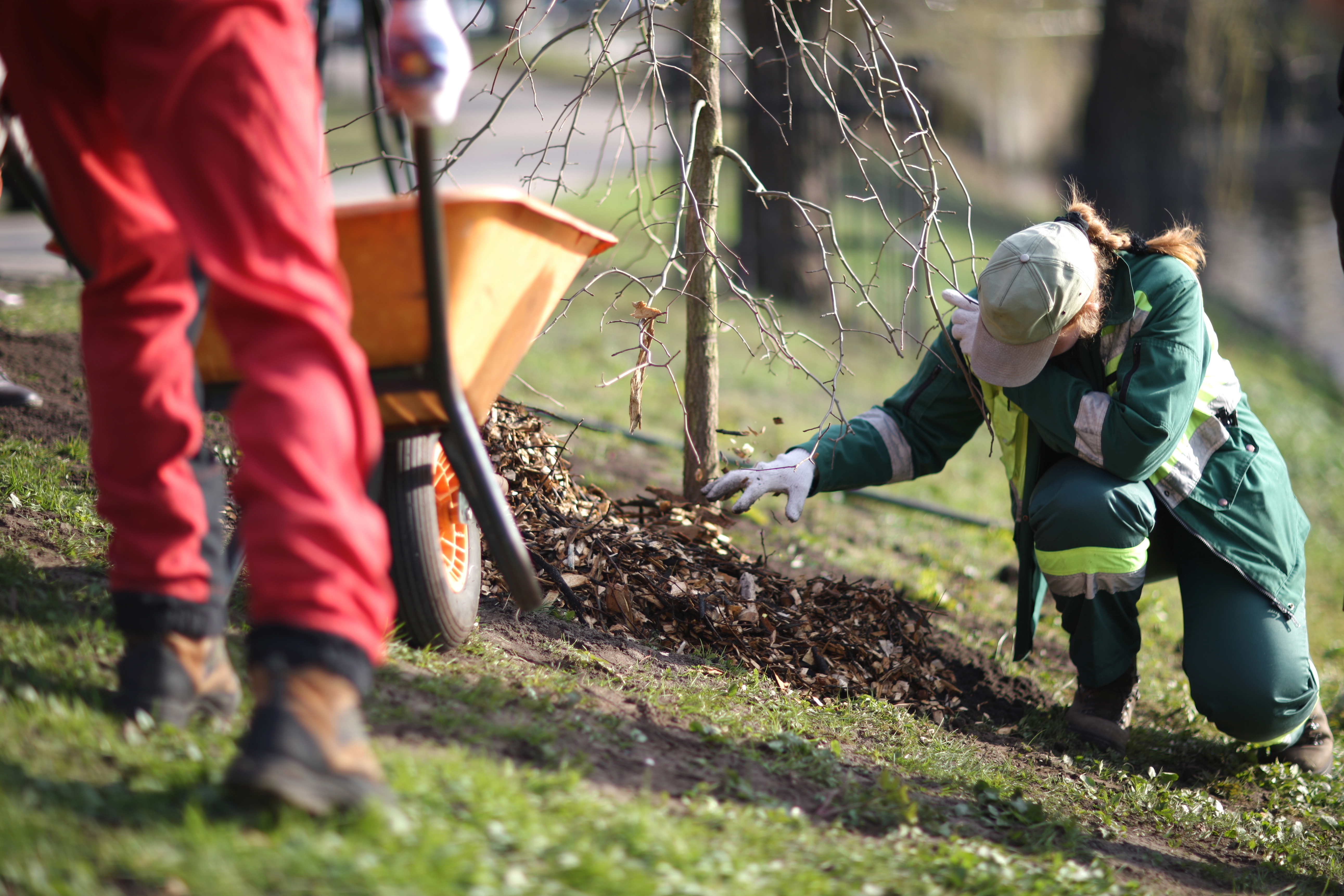
Working in conservation offers the hands-on opportunity to nurture and protect our local ecosystems.
Where to study environmental and conservation courses
If you’re keen to get qualified, New Zealand has some fantastic training providers. A mix of practical skills and theory is usually the best way to stand out to employers.
- University of Auckland: Offers undergraduate, postgraduate, and doctoral studies in Environmental Science.
- Toi Ohomai: Known for hands-on conservation and environmental management programmes in the Bay of Plenty.
- Nelson Marlborough Institute of Technology (NMIT): Offers specialised courses in aquaculture and conservation and environmental management.
- Lincoln University: A top choice for those looking for degrees in land and water management or environmental policy.
Key skills you’ll need
While specific roles require different technical knowledge, most environmental employers look for these core soft skills:
- Resilience: You’ll often be working outdoors in all kinds of weather.
- Communication: Whether you’re writing a report or talking to a farmer about pest control, clear communication is vital.
- Cultural awareness: Understanding Te Ao Māori and the importance of kaitiakitanga (guardianship) is central to conservation work in Aotearoa.
- Problem-solving: Nature doesn't always follow a plan, so you need to be able to think on your feet.
How to get your foot in the door
You don't always need a degree to start your green career. Many people begin by volunteering for local planting groups or pest-free initiatives. This builds your CV and connects you with people already working in the industry.
When you’re ready to apply, make sure your Trade Me Jobs Profile is up to date. Highlighting any volunteering or outdoor experience is a great way to show your passion for the environment.
Ready to make a difference?
A career in the environment is your chance to protect the places we love and build a sustainable future for Aotearoa.
Start searching for your next environmental job on Trade Me Jobs today.
Author
Other articles you might like