Careers advice
How to become a dental assistant in New Zealand: your step-by-step guide
Looking to start a career in dentistry? Here's how to become a qualified dental assistant in New Zealand.
Last updated: 19 August 2026

Becoming a dental assistant is a great entry to dentistry and healthcare in New Zealand.
If you're looking for a rewarding role in dentistry working directly with people, becoming a dental assistant is a brilliant choice. It's an accessible entry point offering a mix of hands-on patient care, clinical support, and teamwork.
You don't need years of university to get started, as many New Zealand dental practices hire entry-level assistants and train them on the job. This guide breaks down what the job involves, what qualifications help, pay expectations, and how to land your first role.
What does a dental assistant do?
Dental assistants are the heartbeat of any dental practice. You're the person who keeps the clinic running smoothly, ensures strict infection control standards are met, and helps patients feel comfortable before, during, and after their treatment.
On any given day in a clinic, your mahi might include:
- Chairside support: Passing instruments to the dentist, dental therapist, or hygienist during procedures, operating suction equipment, and mixing filling materials.
- Sterilisation and infection control: Cleaning, sterilising, and packaging reusable medical instruments according to strict health standards, as well as disinfecting treatment rooms between appointments.
- Patient care: Welcoming patients, easing their nerves, explaining basic oral hygiene procedures, and making sure they're comfortable in the chair.
- Clinical preparation: Setting up instrument trays and preparing equipment specific to each patient's planned procedure.
- Administrative support: Booking appointments, updating electronic patient records on practice management software, taking payments, and managing clinic stock levels.
It's a fast-paced environment where no two days are identical. If you enjoy hands-on work and helping people, you'll feel right at home.
Do you need a qualification to start working?
The short answer is no. Dental assisting isn't a legally regulated profession in New Zealand. You don't need to register with a governing board or hold a formal degree just to get hired.
Many private dental surgeries and community clinics hire trainees based on their personality, communication skills, and willingness to learn. You'll receive practical, hands-on training right at the chairside under the guidance of an experienced dentist or senior assistant.
However, if you want to boost your hiring prospects, command a higher starting wage, or progress your career faster, completing formal industry training is a smart move.
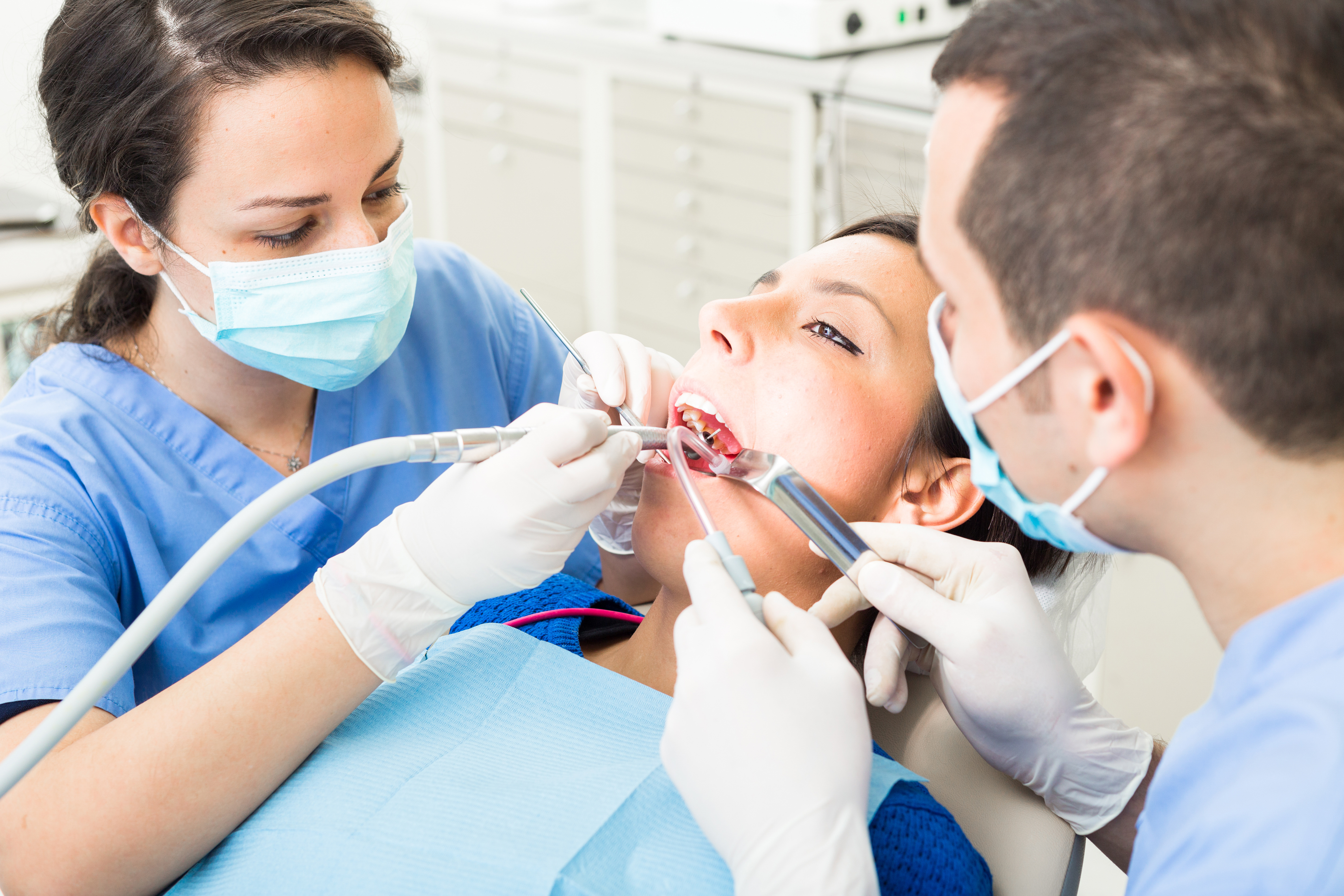
Formal training isn't a must to become a dental assistant in New Zealand.
Formal training: the NZDA Certificate in Dental Assisting
The primary industry-recognised qualification in Aotearoa is the NZDA Certificate in Dental Assisting, delivered directly by the New Zealand Dental Association.
This course is specifically designed so you can learn while you earn. Here's how it works:
- Structure: It's a one year, correspondence-based online distance programme running from February to November each year.
- Workplace requirement: You must be employed in a dental practice for at least 20 hours per week under the supervision of an NZDA member dentist who oversees your practical workplace assessments.
- Practical hours: You'll complete a minimum of 820 practical working hours throughout the year, recorded in a workplace logbook.
- First aid requirement: Before completing the certificate, you must gain a current resuscitation certificate by completing an approved CORE Immediate training course through the New Zealand Resuscitation Council.
Because you need to be working in a clinic to enrol in the NZDA certificate, many job hunters secure an entry-level trainee assistant position first, then apply for the course with their employer's backing.
Key skills and qualities employers look for
While clinical tasks can be taught on the job, dental practices look for specific personal qualities when hiring new team members:
- Empathy and communication: Many patients feel anxious about visiting the dentist. Being warm, reassuring, and clear when speaking with patients makes a huge difference to their experience.
- Attention to detail: Sterilisation protocols, infection control, and accurate patient record-keeping require absolute accuracy.
- Hand-eye coordination and manual dexterity: You'll be handling small instruments and assisting in delicate procedures within tight spaces.
- Ability to stay calm under pressure: Clinics can get busy, especially when emergency appointments crop up. Staying composure under pressure keeps the day running smoothly.
- Team spirit: You'll work closely alongside dentists, hygienists, therapists, and reception staff every single day.
Dental assistant salaries in New Zealand
Pay rates for dental assistants vary depending on your experience, whether you hold the NZDA qualification, and the region where you work.
- Starting pay: Entry-level or trainee dental assistants without prior experience generally start between $24 and $27 per hour.
- Qualified or experienced pay: Qualified assistants holding the NZDA certificate or those with several years of chairside experience typically earn between $28 and $33 per hour (roughly $58,000 to $68,000 per year for full-time work).
- Specialist roles: Assistants working in specialised practices (such as oral surgery or orthodontics) or senior practice coordinators can earn above $34 per hour.
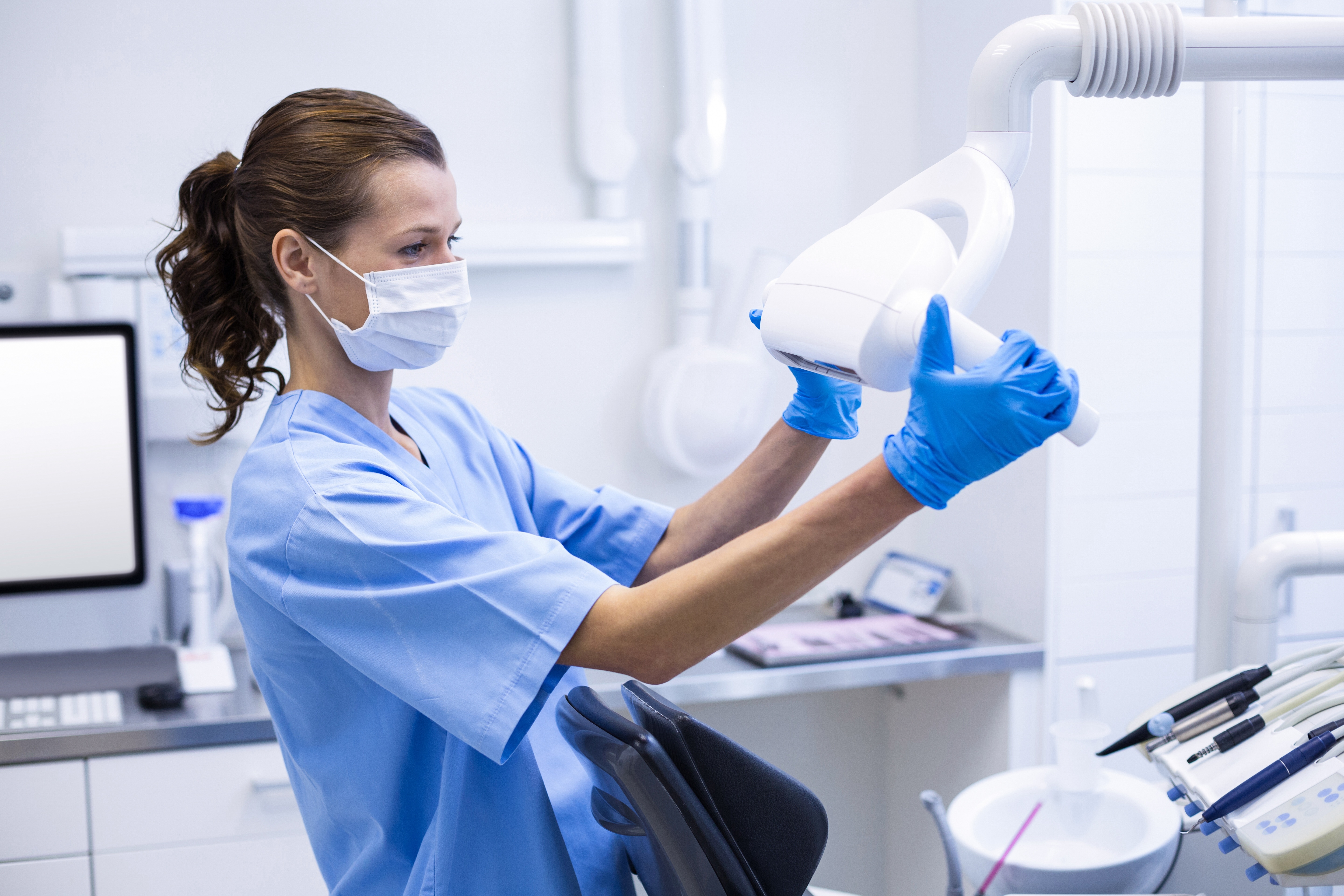
A great starting point for your dentistry career.
Career progression: where can dental assisting take you?
A role at the chairside offers a great foundation for a rewarding dentistry career. Once you've established yourself in a clinic, several clear pathways open up:
- Orthodontic auxiliary: With further clinical experience and training approved by the Dental Council of New Zealand, you can become an orthodontic auxiliary, working alongside orthodontists to place and adjust braces and aligners.
- Practice management: Experienced assistants often move into clinic administration, practice management, or reception management, running the daily operations of a busy surgery.
- Dental hygiene or dental therapy: If you want to perform clinical treatments independently, you can use your clinic experience to apply for university study, such as the Bachelor of Oral Health at the University of Otago or Auckland University of Technology.
- Public health and community care: You can work within Health New Zealand Te Whatu Ora school dental services or mobile dental units servicing rural communities across Aotearoa.
How to land your first dental assistant role
Ready to get started? Here are three practical steps to help you land your first job in a dental clinic:
- Tailor your CV for customer care and reliability: If you don't have clinical experience yet, highlight transferable skills from retail, hospitality, customer service, or admin work. Employers care deeply about how well you interact with people and whether you're reliable.
- Express interest in training: In your cover letter, make it clear that you're eager to learn chairside skills on the job and keen to enrol in the NZDA Certificate in Dental Assisting once eligible. Dental practices love candidates who show long-term commitment.
- Approach local clinics directly: Beyond responding to listed job ads, drop off your CV at local dental surgeries in your neighbourhood. Private practices frequently keep promising CVs on file for when a trainee position opens up.
Ready to take the next step?
Take the next step in your career journey today. Explore available roles across Aotearoa on Trade Me Jobs, search open dentistry jobs, and set up a job alert so you're notified the moment a local dental practice starts hiring. While you're at it, setting up a Gold Job Profile means clinic managers and healthcare recruiters can find you directly.
Author

Other articles you might like


