Careers advice
Machine operator jobs and career guide
Your guide to starting a career as a machine operator in New Zealand, from training to top-tier earnings.
Last updated: 25 May 2026
If you’re the type of person who’d rather be shaping the landscape or managing a production line than sitting behind a desk, machine operating could be your calling. It’s one of the backbone industries in New Zealand - without operators, our roads wouldn't be built, our food wouldn't be packaged, and our houses wouldn't be standing.
Whether you’re looking to jump into an entry-level role or you’re a seasoned pro looking to level up, this guide breaks down everything you need to know about building a career in machine operation in NZ.
What does a machine operator actually do?
The term "machine operator" is a bit of a broad brush. In New Zealand, this role generally falls into two camps: industrial/manufacturing and construction/civil infrastructure.
In a manufacturing setting, you might be managing a bottling line, a timber mill saw, or a CNC machine that cuts precision parts. Your day involves setting up the machinery, monitoring its performance, and performing basic maintenance to keep things humming.
In construction or civil works, you’re more likely to be driving a digger, a bulldozer, or a crane. Here, the job is about precision - moving materials safely, digging to exact specifications, and working closely with a ground crew.
No matter the environment, the core of the job is the same: safety, precision, and a bit of mechanical feel for how your machine is behaving.
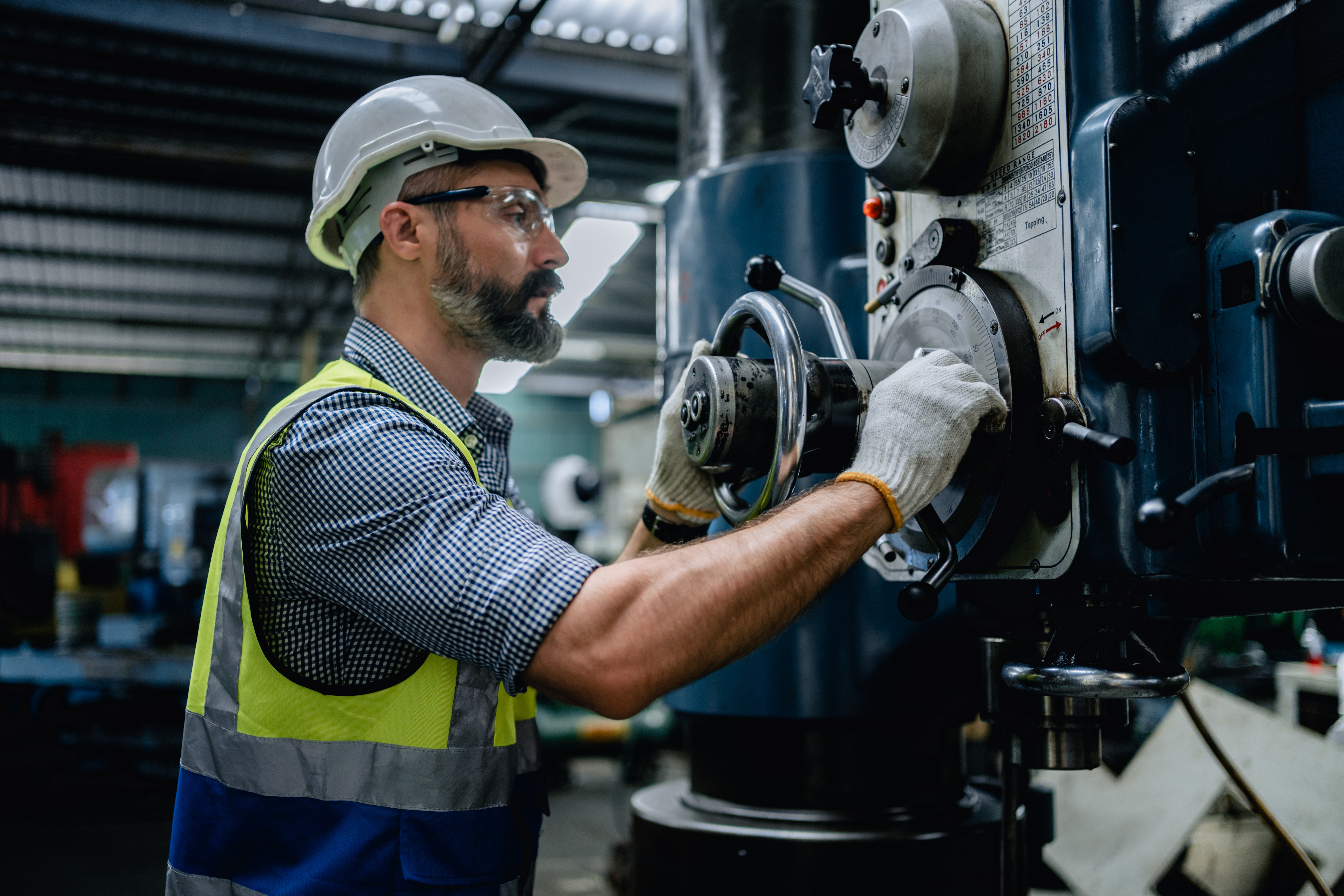
Machine operation can be a lucrative and rewarding career.
How much can you earn as a machine operator in NZ
Money matters, and the good news is that machine operating offers a solid wage with plenty of room to grow.
- Entry-level: You can expect to start around $24 to $27 per hour. Many of these roles come with opportunities for overtime, which can bump up your take-home pay significantly.
- Experienced: Once you have a few years under your belt and specific tickets (like your WTR or Class 2/4/5 licences), wages typically sit between $30 and $40 per hour.
- Specialised Roles: Highly skilled operators (working with heavy cranes or specialised directional drilling equipment) can earn $45+ per hour or six-figure annual salaries in the private sector.
Many employers also offer benefits like tool allowances or transport to and from worksites, which are worth factoring into your total package.
Essential skills for success in the cab or on the floor
You don’t need a university degree to be a great operator, but you do need a specific toolkit of soft and hard skills:
- Mechanical aptitude: You don’t need to be a mechanic, but you should have a "feel" for machinery. If a bearing is squealing or a hydraulic line is sluggish, you need to notice it before it becomes a breakdown.
- Spatial awareness: Especially in construction, you need to know exactly where your bucket or boom is in relation to power lines, underground pipes, and your teammates.
- Patience and focus: Operating a machine for eight to ten hours a day requires high levels of concentration. It’s about doing the job right the first time, every time.
- Safety first: In NZ, we take Health and Safety seriously. Being a good operator means being a safe one who respects the site rules and their equipment.
How to get started: training and qualifications
While some people start as labourers and learn on the job (the classic Kiwi way), getting a formal qualification can fast-track your career and your pay rate.
If you’re looking to get into the industry, check out these top-tier New Zealand training providers:
- WelTec / Whitireia: They offer excellent certificates in infrastructure and mechanical engineering that give you hands-on experience.
- Manukau Institute of Technology (MIT): Great for those in Auckland looking to get into manufacturing or heavy fabrication.
- Southern Institute of Technology (SIT): Offers various trades and technology courses with campuses across the country.
- Connexis: This is the Industry Training Organisation (ITO) for infrastructure. They help arrange apprenticeships while you’re working.
For those in civil construction, your WTR (Wheels, Tracks, Rollers) endorsement is the gold standard. It’s an addition to your driver's licence that proves you can safely handle heavy machinery.

You can work in different industries as a machine operator.
Where the jobs are: in-demand industries
The demand for operators fluctuates, but right now, a few sectors are on the lookout for talent:
- Infrastructure & roading: With ongoing repairs and new developments across the country, roading crews are always looking for roller and excavator operators.
- Warehousing & logistics: The rise of online shopping means huge distribution centres need forklift and reach-truck operators 24/7.
- Food & beverage production: From dairy factories to wineries, production line operators are essential to NZ's export economy.
Career progression: where can machine operating take you?
You don’t have to stay in the cab forever if you don’t want to. Many of New Zealand’s most successful site managers and business owners started as operators.
The typical path looks like this:
- Operator to Lead hand: Taking responsibility for a small team or a specific part of a project.
- Site supervisor: Managing the whole site, including health and safety, scheduling, and staff.
- Operations manager: Moving into the office to manage the logistics, budgets, and high-level planning for the company.
Because you understand how the work actually gets done on the ground, you’ll be a much better manager than someone who has only ever seen a site from a spreadsheet.
Ready to get behind the controls?
Machine operating is a career that offers variety, solid pay, and the satisfaction of seeing a job well done at the end of the day. If you're ready to start, the jobs are waiting for you.
Start searching for your next machine operator role on Trade Me Jobs today.
Author

Other articles you might like