Feature article
Powering up: Where to find EV charger stations in New Zealand
Find out where to plug in your EV. Our 2026 guide covers NZ’s growing charging network, costs, and home setup tips.

Electric vehicles are no longer a niche sight on New Zealand roads. In 2026, electrified models, including hybrids and pure EVs, now make up more than half of all new passenger car registrations. For most, the decision to go electric hinges on charging.
Ideally, you want a dedicated charger at home. This allows you to wake up to a 'full tank' while taking advantage of off-peak power rates. These rates are significantly cheaper than petrol and will save you good money. But owning an EV shouldn't limit them to their home base. Whether they are heading to the Coromandel or traversing the Desert Road, they need to know their options.
If you are ready to make the switch to electric, check out the latest EV listings on Trade Me Motors. Whether you are after a city runabout or a long-range SUV, we have thousands of options to plug into.
Free EV charging station
In the early days of EVs, some power companies installed free DC chargers to kickstart infrastructure. As more Kiwi took to the road, these spots became congested. A few free DC chargers remain, which you can find using resources like PlugShare. The free options are slower and designed for when your car is parked for longer periods.
EV charging station
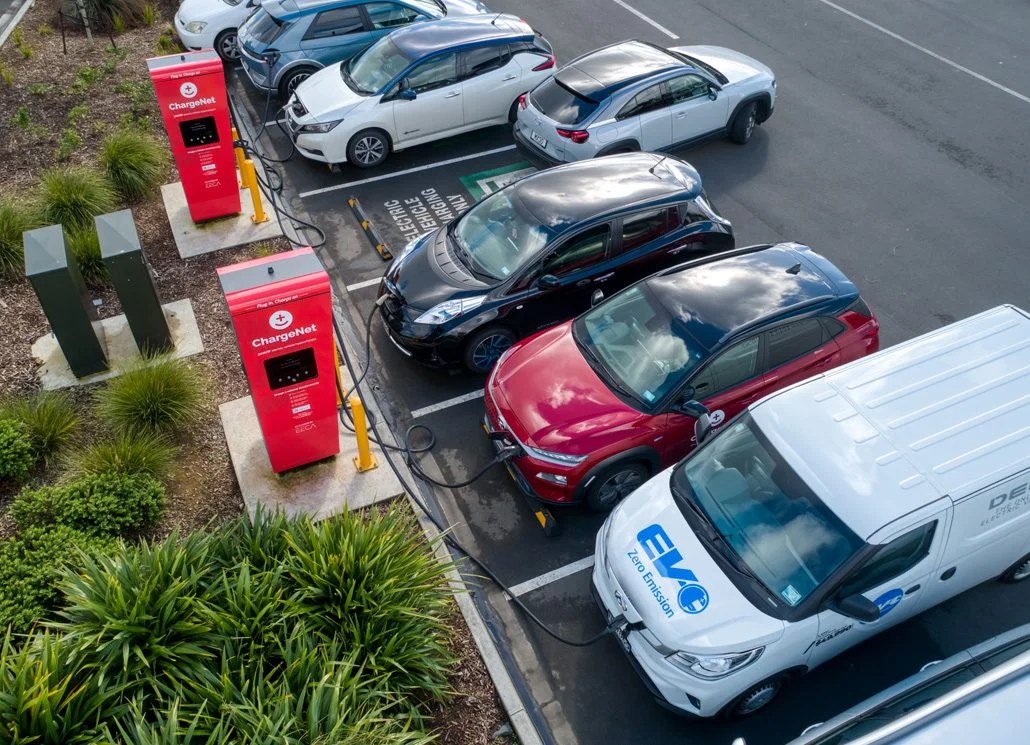
Several operators manage networks across New Zealand. ChargeNet is the largest with over 500 stations, followed by Meridian Energy (256), Tesla (126), Z Energy (111), and BP charge (55). NZ Transport Agency Waka Kotahi offers an EV charging stations journey planner.
But not all DC chargers are equal. Speeds vary, and your car may have its own charging limits. Most Kiwi chargers use the CCS plug, while the older CHAdeMO type is less common. Ultra-fast chargers are still rare, as 50kW units are the standard.
How many EV charging stations are in NZ?
EECA data shows 1,466 charging points in New Zealand: 976 in the North Island and 490 in the South Island. While Auckland (319) and Canterbury (328) are well-served, regions like Gisborne (11), Hawke’s Bay (20), and the West Coast (10) have much less coverage.
EV fast charging stations
Speed is a major factor. Currently, 5.3% of New Zealand stations are slow (3–10kW) and 18.4% are moderate (11–24kW). Fast chargers (25–74kW) make up 41% of the network with 601 points.
The best options are rapid (75–174kW) and ultra-rapid (175–475kW) stations. There are 518 of these nationwide, though 381 are in the North Island. You won’t find a rapid charger in Gisborne or on the West Coast.
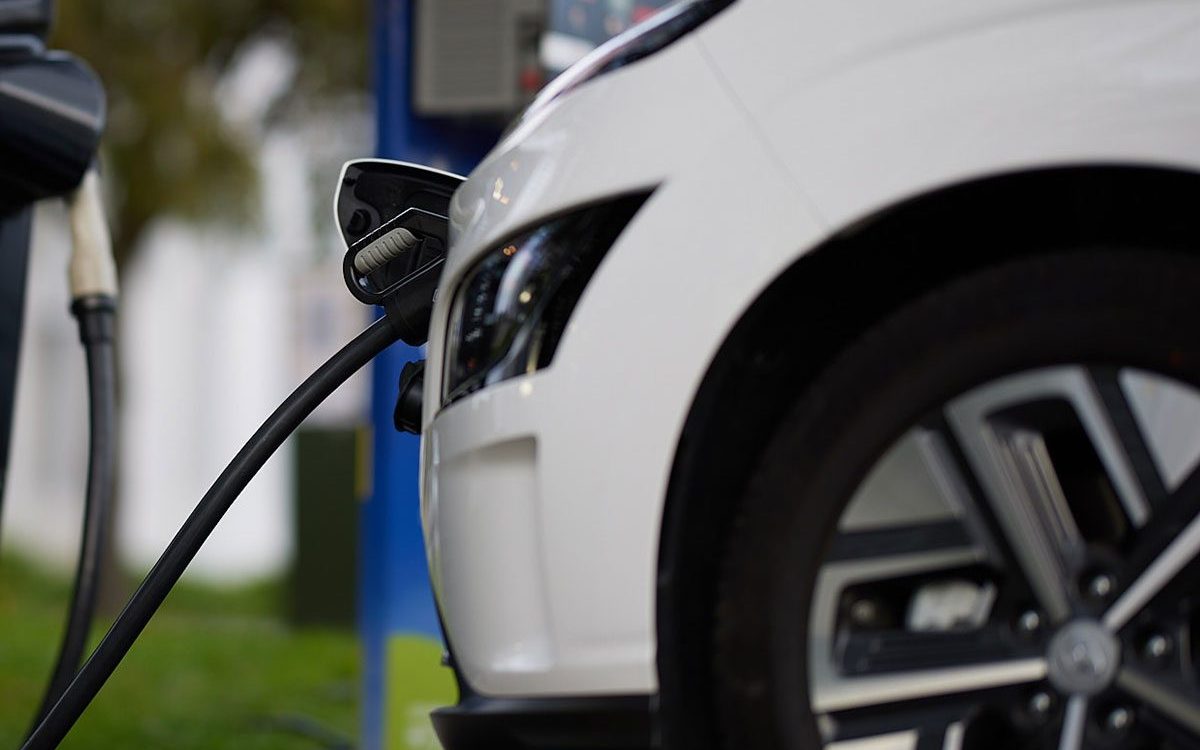
EV home charging stations
Installing a home station requires a qualified electrician to set up a dedicated 7kW (Type 2) unit. This involves a site survey and potentially a switchboard upgrade to ensure compliance.
We strongly recommend a wall-mounted unit. It is faster and safer than a standard three-pin plug, making it a wise investment. For details on the EV charging station installation cost, see our linked article.
EV charger stations FAQ
How much does it cost to charge at a public fast charger?
Public fast charging usually costs between $0.70 and $1.15 per kWh. A 30-minute session at a 50kW station typically costs $5–$15 and provides about 100km of range. It is dearer than home charging but cheaper than petrol.
How to pay at EV charging stations?
Payment is generally handled via a smartphone app, RFID fob, or contactless card. They usually need to register an account with the specific network provider first.
How to use EV charging stations?
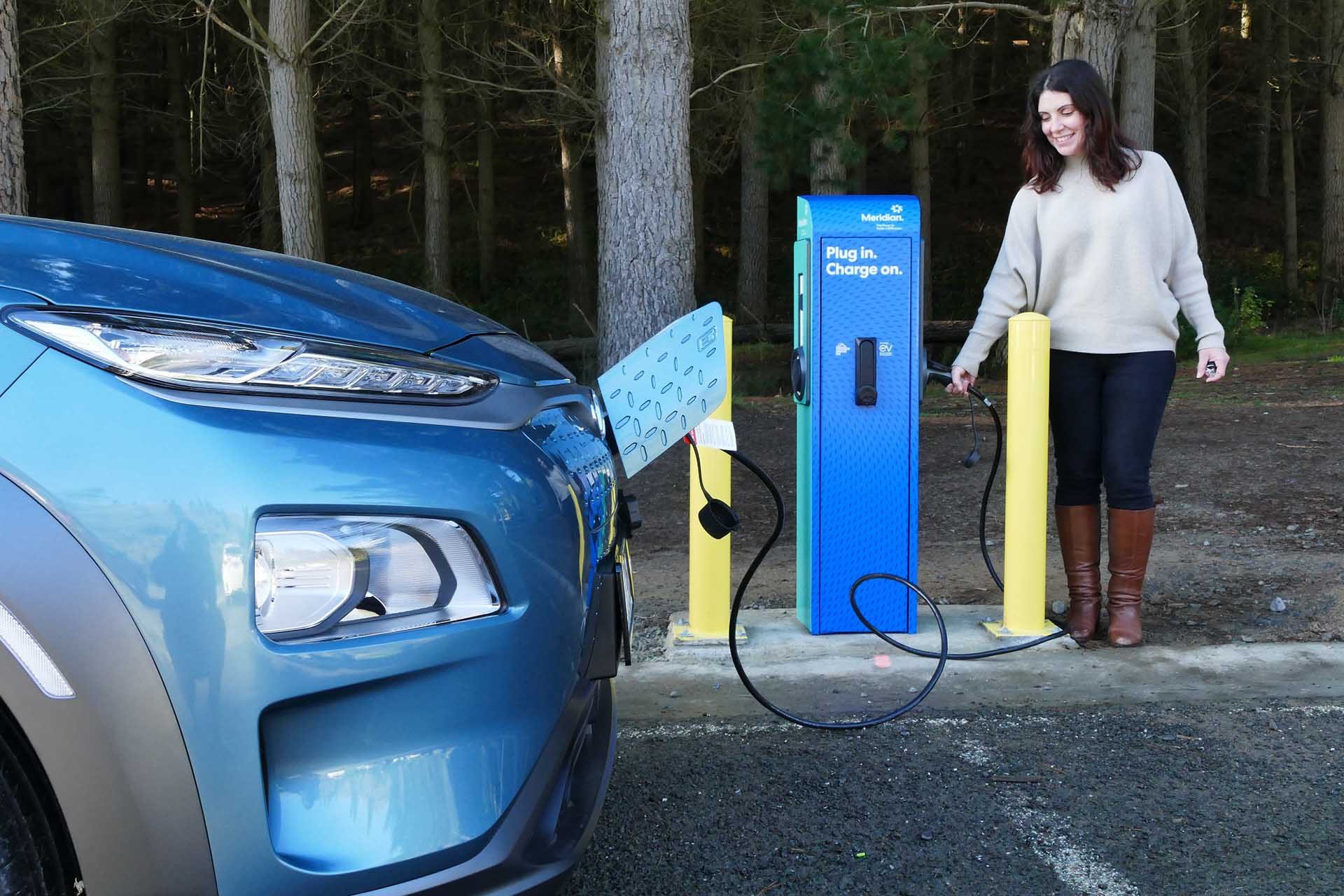
Park in the bay, plug in the connector, and start the session via an app or card. Fast DC chargers have cables attached, but slower AC units often require them to use their own cable. Unplug once the session finishes.
Are EV charging stations free?
Some are, but paid stations are now the norm. Free charging was a common incentive in the early days. As demand increases and the network expands, most providers now charge for the service.
Author
Other articles you might like