Buying guide
Boarding houses: Everything landlords & tenants need to know
Including boarding house tenancy agreements


AI summary
A boarding house has at least six tenants renting rooms for 28 days or more with shared facilities. A written boarding house tenancy agreement is mandatory, outlining rules, rent, and fire safety procedures.
Landlords must comply with Healthy Homes standards, can charge a bond up to four weeks' rent, and can only increase rent annually with 28 days' notice. While landlords can enter communal areas freely, they must give 24 hours' notice to inspect a tenant's room.
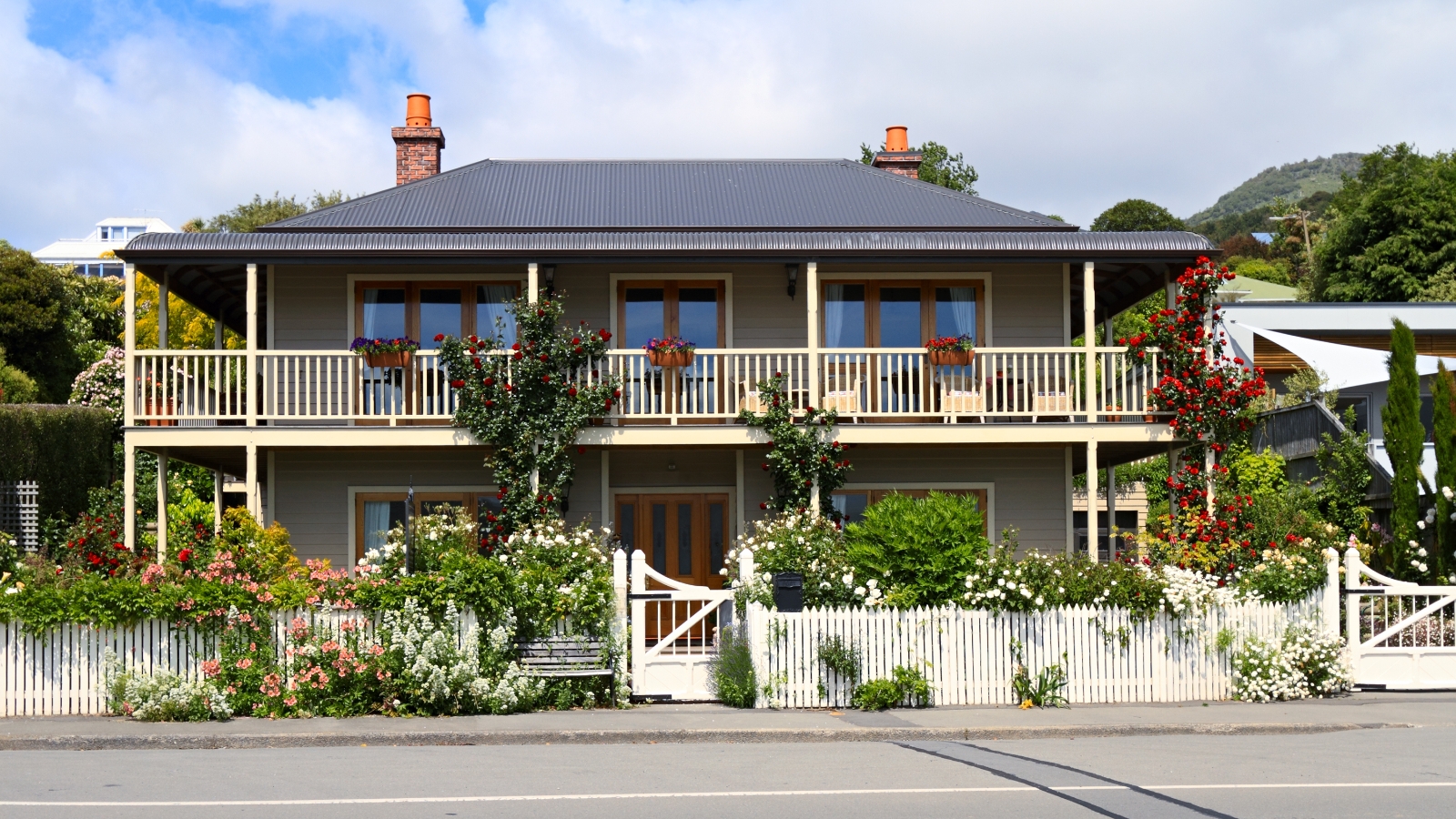
What is a boarding house?
Boarding house tenancy agreements
Boarding house laws
They must be Healthy Homes compliant

Boarding houses have similiar rules as normal residential tenances with a few key differences.
Boarding house landlords can charge bonds
Rent can be increased
Rules should be clearly communicated
Maintenance and inspection rules must be followed

Landlords can set rules for boarding houses as long as they don't contradict the Residential Tenancies Act.
Other boarding house rules
If there’s a dispute
Author
Discover More
‘God’s work’: From earthquake-damaged church to social housing, and the 1880s villa given new life
The Here Awards honour an 1880s villa renovation and a Christchurch church transformed into social housing.
Historic Tūrangi home built for Italian tunnelling director hits the market
A 1960s Tūrangi home linked to the Tongariro Power Scheme is on the market for $765,000.


Search
Other articles you might like


