Buying guide
Building inspections explained - How to find a qualified inspector in NZ
Moisture meter - check. Clipboard - check. Qualifications - worth checking.


AI summary
A building inspection is a crucial step, but the industry is unregulated in New Zealand. It's vital to check an inspector's qualifications before hiring.
Look for:
- A building background (LBP or BCITO)
- Adherence to the NZS 4306:2005 standard
- Professional indemnity insurance
A report identifies issues that can be used for negotiation. Always get your own independent report, especially for high-risk homes, to ensure you understand the property's true condition before you buy.
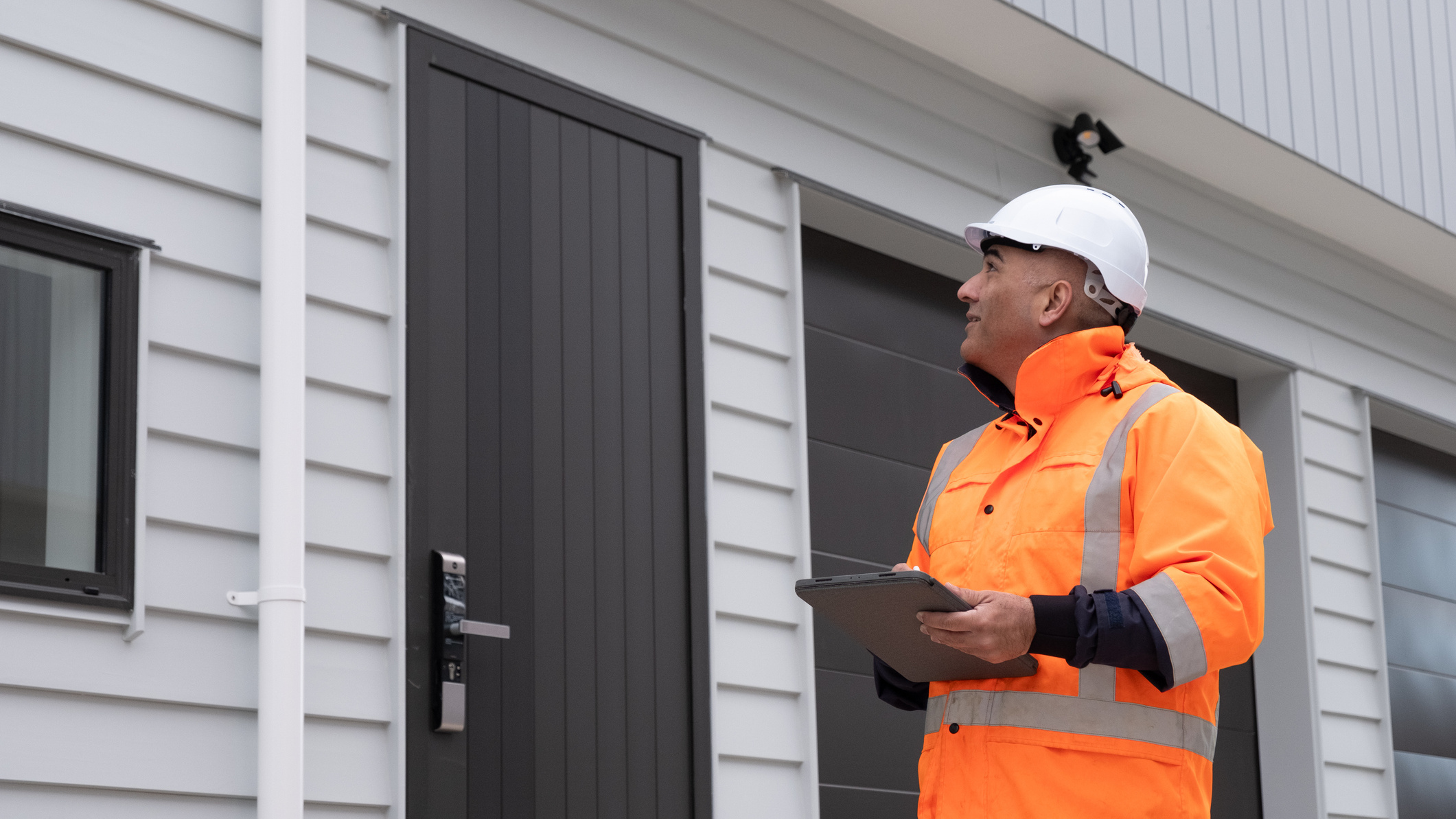
Here's something most home buyers don't know: anyone in New Zealand can call themselves a building inspector. Hell I could. You don't need a licence, a registration or even a background in building to turn up at an open home with a moisture meter and a clipboard.
That certainly doesn't mean you should skip the inspection. But it does mean you should closely inspect the inspector’s qualifications before choosing - here's how to tell a qualified pro from a cowboy, what a pre-purchase inspection should cover, and when to book one.
Does it matter which building inspector you use?
Building inspectors aren't regulated the way real estate agents are, so the quality of reports varies a lot. In 2025 Consumer NZ looked into the industry and told the story of a house sale that fell over because of a report a second inspector later couldn't back up.
Morgan Kircher, owner and director of Alert Building Inspections, says it pays to check who’s doing your inspection before you book. The company carries out building inspections nationwide, including in Auckland, Christchurch, and Wellington. Its team of trade-qualified builders and Licensed Building Practitioners has over 150 years of combined construction experience.
“The report you get is only as good as the person who writes it. Two inspectors can look at the same house and come back with completely different reports.”
Is your building inspector qualified?
With no licence to check, you have to look at a few things together:
- Look for a building background - ideally a Building and Construction Industry Training Organisation (BCITO) qualified builder or a Licensed Building Practitioner (LBP). You can check LBP status on the public register.
- Ask if they work to NZS 4306:2005, the NZ standard for residential property inspections, and make sure it's written in the report.
- Make sure they have professional indemnity insurance. It's what pays out if an inspector misses something major and you make a successful claim. If they don't have it, keep looking.
- Ask for a sample report. Any good inspector will show you one. Look for photos, plain-English explanations and findings ranked by how serious they are.
Morgan says the simplest test is to ask about their background:
"Ask them straight out what they did before inspecting. Someone who's spent years building houses knows where the problems hide. They've probably caused a few of them and fixed even more."
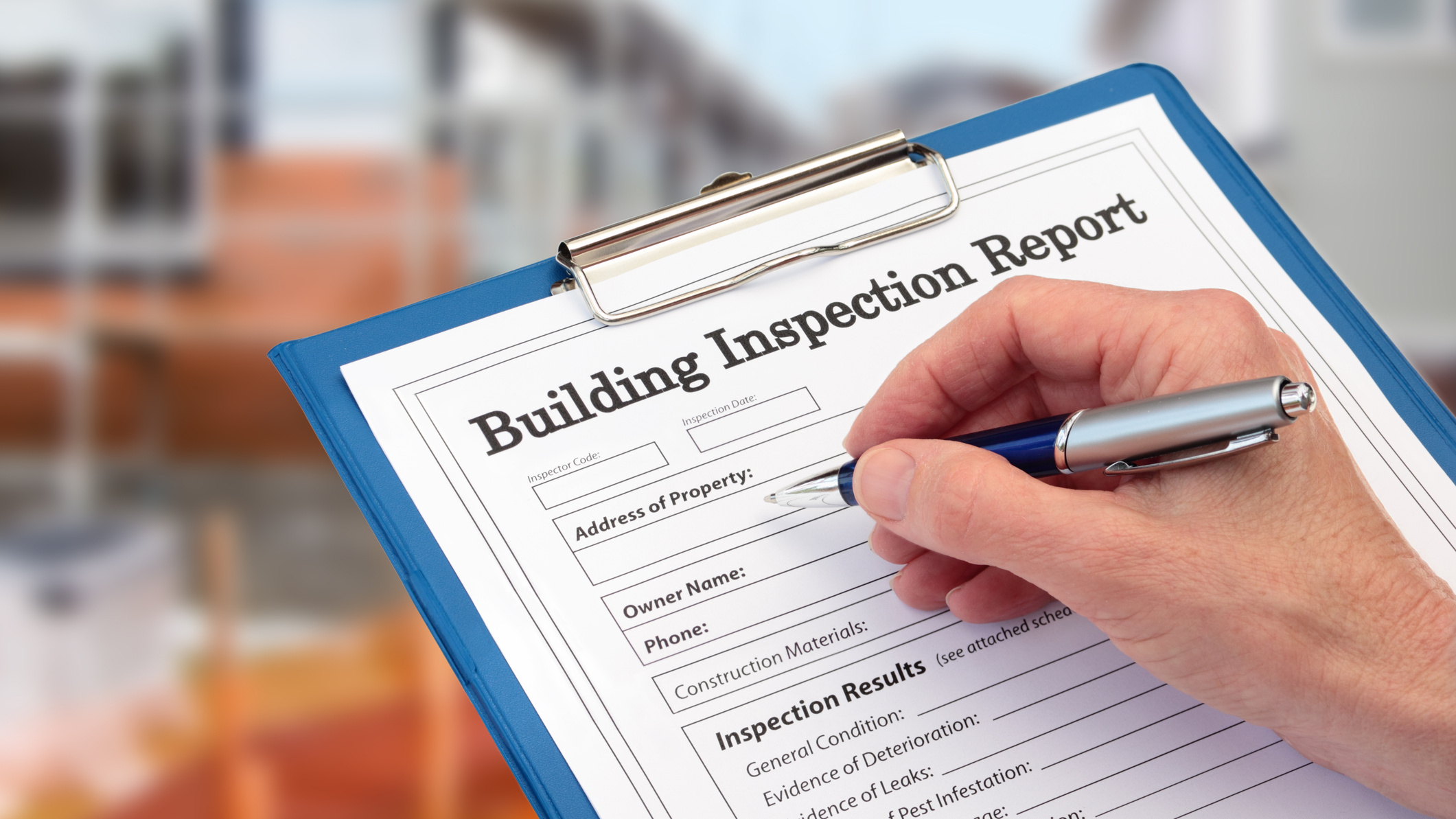
What does a pre-purchase inspection cover?
A standard pre-purchase building inspection is a visual, non-invasive check of everything the inspector can safely reach. It usually covers:
- Roof, gutters and roof space
- Cladding, windows and doors
- Subfloor, foundations and piles
- Interior linings, floors, bathrooms and kitchen
- Non-invasive moisture readings in high-risk areas
- Decks, drainage, fences and outbuildings
- Plumbing and electrical, where clearly visible (this isn’t a test to check these items work, just a visual inspection to uncover any obvious issues).
What a building inspector won’t do is lift carpet, cut into walls or remove fixtures. If the inspector finds something they can't fully assess, a good report will say so and recommend further testing, or a specialist like a structural engineer.
It also won't tell you whether work was consented - that's what the LIM is for, so it pays to get both.
Do some homes need a closer look?
Some eras and types of NZ housing need a closer look than others. The best-known example is the leaky home. Homes built roughly between the late 1980s and the mid-2000s, especially those with monolithic (plaster-look) cladding, are the classic risk.
Morgan says inspecting a potential leaky home takes time:
“With a 90s or early-2000s plaster home, we spend a lot more time on the cladding, the windows and the moisture readings. It takes around twice as long to complete the inspection, but it’s worth looking at closely because these problems cost a fortune to fix.”
Other homes that need extra attention include:
- Villas and bungalows (pre-1940s): an inspector will check the native timber, borer, subfloor ventilation and foundations. These homes have often had decades of alterations, and not all of them were done well or consented.
- 1940s-1980s homes: usually straightforward, but watch for tired roofing iron, original aluminium joinery, old wiring, and materials that may contain asbestos.
- Christchurch homes repaired after the earthquakes: repair quality varies. A good inspector will look for cosmetic fixes hiding structural problems, like plaster over cracks or re-piling that wasn’t done properly.
- Hillside homes: retaining walls, foundations and drainage all need a closer look, along with flashings and sealants on wind-exposed walls.
- Apartments and townhouses: the exterior and structure are usually body corporate property, so problems elsewhere in the complex can end up costing you. Ask your inspector what they think of the building as a whole, and read the body corporate records for any mention of leaks or big repairs.
How much do building inspections cost?
Alert says a pre-purchase inspection on a standard home typically costs between $299 and $800. Their written pre-purchase reports start from $499 + GST. What you’ll actually pay depends on:
- Size and complexity: this is the biggest factor. A two-bedroom unit is much quicker to inspect than a five-bedroom house with complex rooflines, a pool and a couple of outbuildings.
- Levels and layout: split levels, basements, multiple storeys and a second dwelling on the site all add time.
- Age: older villas and bungalows take longer, because there’s more to check - original timber, borer, foundations and decades of alterations.
- Cladding: weatherboard and brick are relatively quick. Monolithic plaster homes take around twice as long, because every junction and window needs moisture testing.
- Site and access: hillside homes with retaining walls and tricky access take longer than flat, easy sites.
- Add-ons: extras like a meth test cost more, but they’re done in the same visit.
Remember what’s at stake: you’re spending a few hundred dollars to learn about what may be the biggest purchase you ever make. Morgan may be biased, but he says it’s worth it:
“A building inspection could save you from financial ruin. It sounds a bit dramatic, but it’s true. Recladding a leaky home, for example, can cost hundreds of thousands of dollars. Getting a good, thorough inspection means you go into your purchase with full knowledge of what you’re buying - no expensive surprises.”
Can I use my building report to negotiate?
A building report doesn’t just tell you whether to buy. It can also change what you pay. If your offer is conditional on a satisfactory building report and the inspection turns up problems, you usually have three options:
- Ask for a lower price: use the findings to figure out the cost of the work the house needs, and negotiate that off the price.
- Ask for repairs before settlement: the vendor fixes the problem before you take ownership. If you go this way, put the agreed repairs in writing and check them before settlement day.
- Walk away: if the problems are too big, or the vendor won’t move, you can usually pull out within your conditional period.
It’s usually best to put any requests through your lawyer or conveyancer. They’ll contact the vendor’s lawyer and get whatever is agreed in writing.
When should I book my building inspector?
If you're buying at auction, the inspection has to happen before auction day, because auction sales are unconditional. Morgan's advice is to be there on the day:
"Come along if you can. You'll learn more in an hour walking around with the inspector than you will from any report, and you can ask about the things that have been worrying you."
Tip: get your own report, don’t rely on the vendor’s
A vendor's building report is a useful starting point, but don't treat it as your due diligence. The vendor paid for that report, so the vendor is the client, not you. If something's missing or out of date, you might not have much comeback. The Real Estate Authority says to budget for your own inspection, even if the seller provides one.
Check the inspector - then check the house
A building inspection is one of the cheapest bits of your due diligence and one of the most important. Spend ten minutes checking who you're hiring, book them early and tag along on the day. Then you can bid or go unconditional knowing exactly what you're buying.
Ready to start looking? Browse houses for sale on Trade Me Property.
Author




Other articles you might like


