Buying guide
Interior design ideas and inspiration NZ: An expert's guide
Ready to save the sofa and redeem the drapes?


AI summary
Refresh your home affordably with fabrics—a fast, low-cost alternative to renovating. Experts from Martha's Furnishing Fabrics suggest focusing on curtains, upholstery, and cushions to easily change a room's colour and texture.
Key tips include hanging curtains high and wide, choosing one "hero" pattern to build a room around, and layering textures. This approach offers practical, high-impact solutions for any space, including advice for renters and those styling a home for sale.
New kitchens, new bathrooms, and knocked-out walls are exciting. But if you want your home to look and feel different next week, fabric is the way.
Curtains, upholstery, cushions and bedding change the colour, texture and light in a room - for a fraction of the cost (and none of the mess) of a renovation. And unlike a flash new kitchen, you can take most of it with you when you move.
Whether you’re renting, renovating, or just ready for a change - here's a fabric expert's take on interior design ideas for NZ homes, room by room.
Start in the lounge: lounge interior design ideas
The lounge is where fabric works hardest. It's got the biggest windows, the most seating, and it's where you spend most of your time. A few easy places to start:
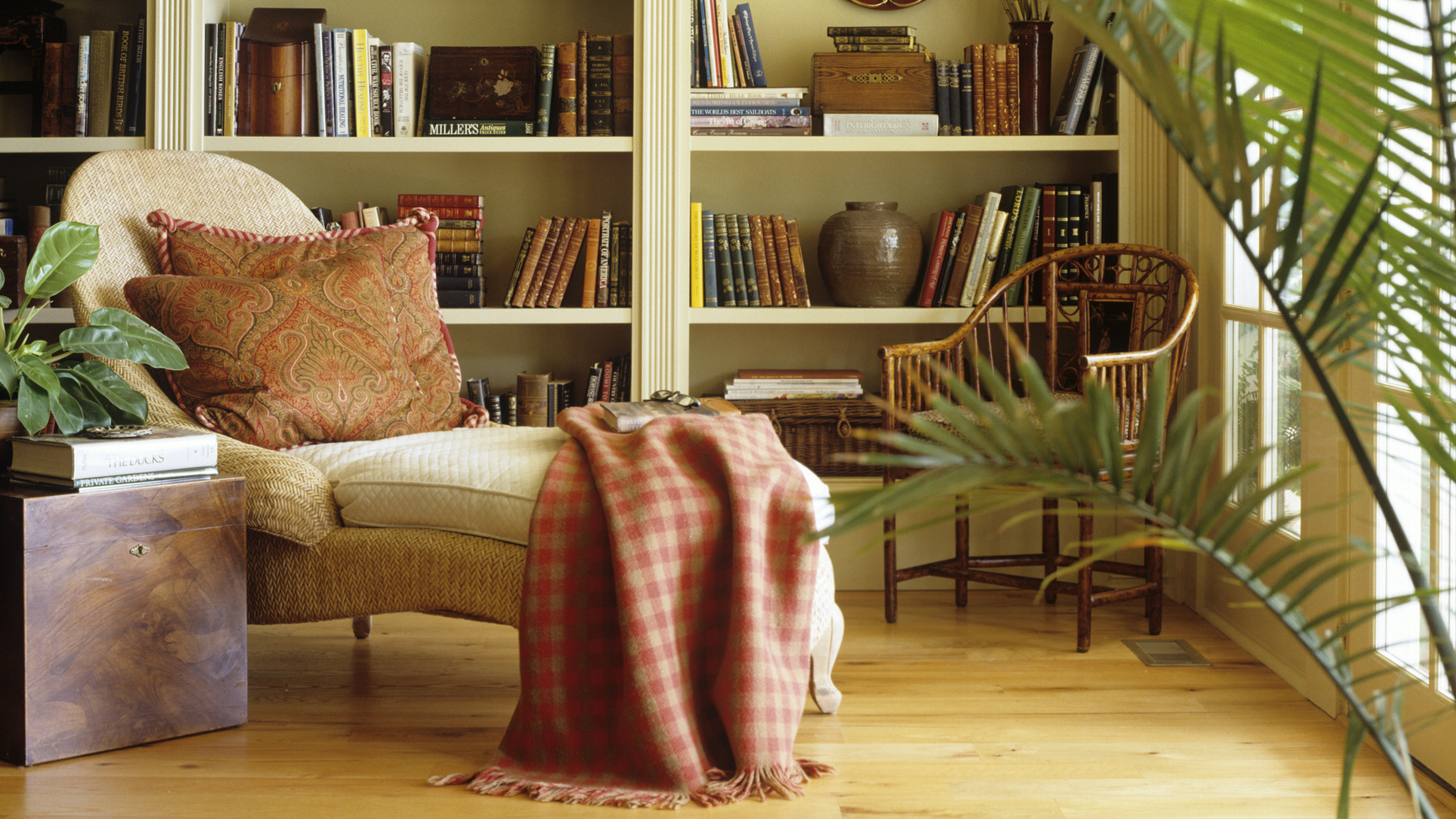
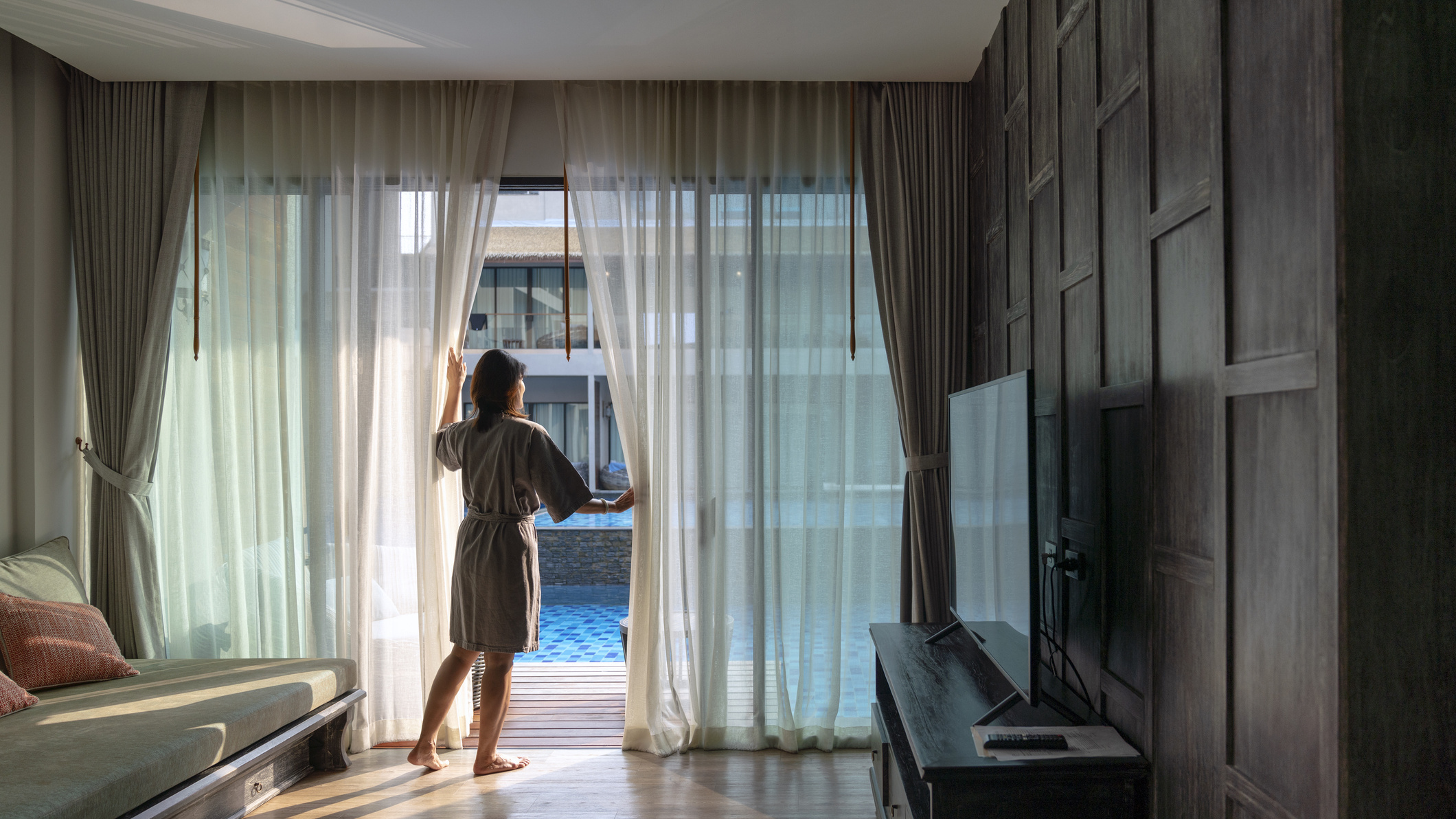
- Hang curtains high and wide. Move the track up towards the ceiling and out past the window frame, and let the curtains just touch the floor. The window (and the room) looks bigger that way, and the light comes through better when they’re open.
- Or if you’re feeling a little dramatic, hang curtains over entire walls to soften spaces, adding texture and movement.
- Reupholster furniture before you replace it - especially with quality, older pieces. If your sofa or armchair has a solid frame, recovering it is often a better buy than something new.
- Cushions are an easy refresh. Keep good inners and swap the covers - wool and velvet for winter, linen and cotton for summer. New cushion covers can really brighten up a room.
- Make one statement piece. Put your boldest fabric - a deep velvet or an oversized botanical - on a single armchair or ottoman, and keep the sofa quiet.
Linda from Martha's Furnishing Fabrics - an Auckland fabric store with more than 1,400 upholstery and curtaining fabrics - says curtains are the first place most people should look.
“For beautiful curtains that look full and generous rather than skimpy, you want about one point eight to two point two times the width of the track. Choose your fabric before your paint colour. Paint changes the colour of a room - fabric changes the colour, the texture, the light and even the sound."
How to decorate with pattern and colour
Modern home interior design doesn’t mean beige everything - it means being deliberate. Instead of mixing several prints, pick one pattern you love and let it do the talking:
- Choose your hero piece - a bold geometric on an armchair, an oversized botanical on curtains or a striped Roman blind.
- Pull your colours from it - use one or two shades from the pattern for cushions, throws and plains around the room.
- Back it with texture, not more pattern - linen, wool and velvet in those colours add interest without competing.
Linda explains that people are nervous about using patterns in their design, but done carefully it can really bring a space to life:
“Start with the piece you love most and build the room around it. If there’s a bit of mustard in your botanical, that’s your cushion colour sorted.”
Interior design trends you can try with fabric
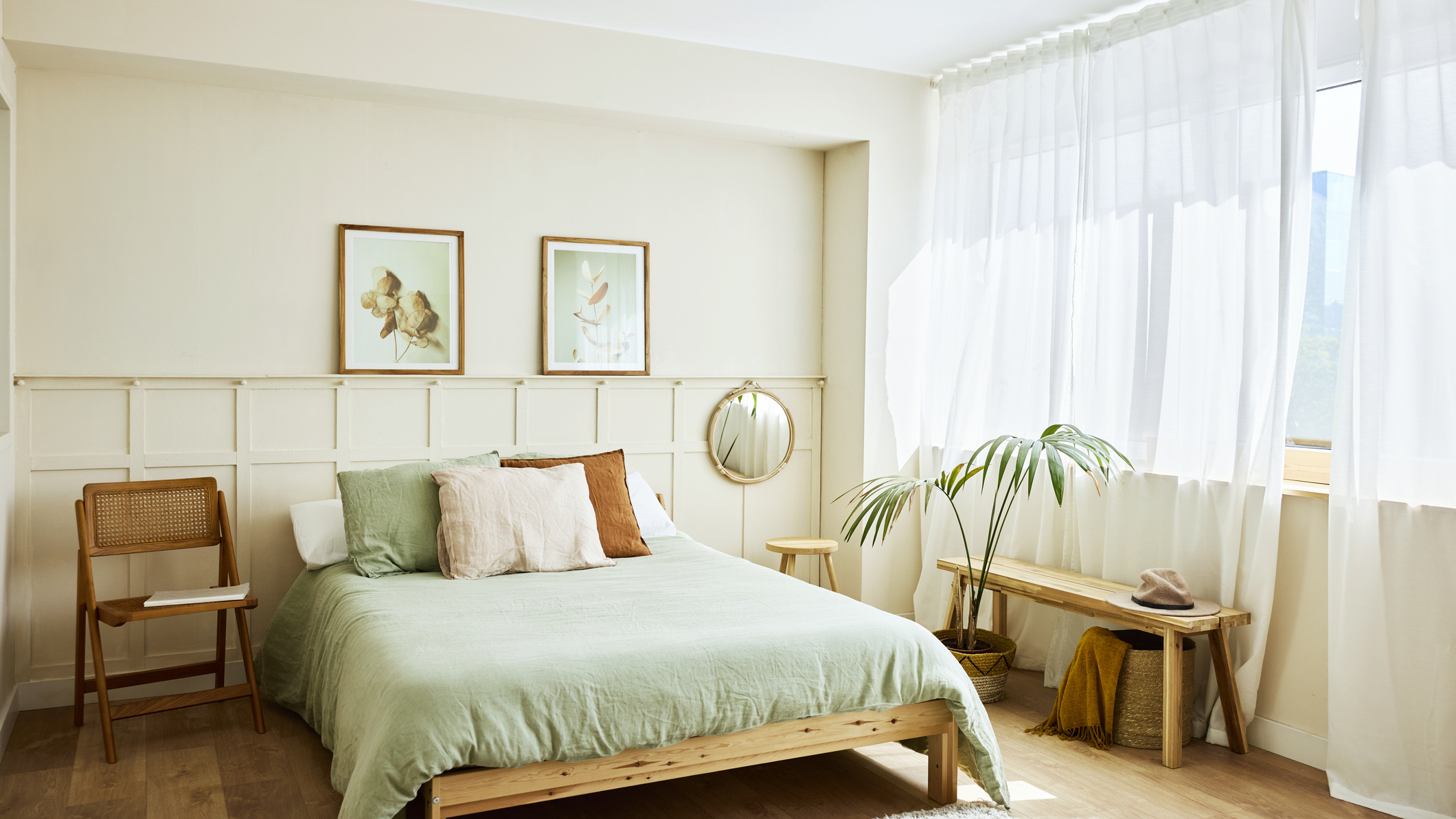
Rich colours and layered textures are two interior design trends you can try with the furniture you already have. If your lounge is mostly neutral, try an olive velvet cushion on a cream sofa or a rust-coloured wool throw over the arm of a grey chair.
If you’d like to bring in a pattern, a striped Roman blind is a good place to start. Pick one colour from the stripe and repeat it somewhere else in the room, like a cushion or the seat of a dining chair. It’s a small detail that makes the room feel pulled together.
Easy bedroom decorating ideas
- Add an upholstered headboard. It's one big panel of colour or texture, and it's far nicer to lean against than a bare wall.
- Layer linen bedding. Linen breathes, gets softer with every wash and looks relaxed even when it's creased.
- Line your curtains. Blockout linings help with early summer sunrises, and thermal linings help keep the heat in over winter.
- Get the fit right. Lined curtains that sit close to the window and reach the floor do a much better job of keeping the cold out.
Linda says if you’re going to take a risk, the bedroom’s the place to do it:
“The bedroom is where people play it safest, but it’s the room you can be the most adventurous in. Only you and your partner see it - so if you’ve always wanted that velvet headboard, or patterned curtains - this is the place.”
Small interior decorating ideas you could try this weekend
You don’t need a design degree (or a big budget) to get started. Some of the easiest interior design ideas start with a bit of leftover fabric. These are small, low-risk ways to try a fabric before you commit to curtains or a sofa:
- Re-cover your dining chair seats. Most drop-in seats come off with a few screws. Wrap new fabric over the top and staple it underneath - it’s an afternoon job that changes the whole dining area.
- Hunt for remnants. Ends of rolls are cheaper and often enough for a cushion, a footstool or a couple of chair seats. They’re a great way to try a bold fabric you’re not sure about.
- Dress the table. A runner or tablecloth in a fabric you love is the easiest way to bring colour into a kitchen or dining room, and you can swap it whenever you like.
- Add a bit of trim. Fringing or a contrast edge on a plain cushion or lampshade makes something shop-bought look custom-mad
“You don’t need to know anything about design to start,” says Linda. “Find a remnant you love, re-cover a stool and live with it for a while. If it works, go bigger. Try things, have a little fun with it. Why not?”
Outdoor decorating ideas for decks and patios
Your deck is about to become the busiest room in the house, but it’s so often neglected and under-designed. "Outdoor fabric has come a long way," says Linda. "You can get the look and feel of an indoor fabric that will handle the sun and the odd downpour."
- Carry your indoor palette outside. Use the same colours on your deck cushions as in the lounge, so the deck reads as an extension of the room.
- Turn a bench into a sofa. Add a pea mattress - a long padded cushion made for bench seats and daybeds - then throw a few cushions on top. A hard outdoor bench becomes somewhere you actually want to sit.
Selling? Style your home for listing photos
Most buyers see your home in listing photos before they ever walk through the door, and they scroll fast. Faded cushions, tired curtains and bare windows make a home look older than it is.
- Match your curtains. Different curtains in every room make a house feel pieced together. Simple, light-coloured curtains throughout make it feel calm and connected.
- Add colour in small doses. A couple of new cushions and a throw give the sofa a focal point in photos, without being so bold that they put buyers off.
- Make the bed the hero. The main bedroom is usually one of the first photos. Crisp bedding and a throw folded across the end make it look like a hotel room.
- Don’t leave windows bare. Empty windows look cold in photos and echo at open homes.
“Buyers aren’t really looking at your cushions,” says Linda. “They’re looking at whether the house feels loved. A few good fabrics tell them it’s been looked after.”
Renter-friendly interior design ideas you can take with you
Renting doesn’t have to mean living with someone else’s taste. Start with interior design ideas you can take with you. Soft furnishings are one of the few things you can change without asking, and they come with you when you move.
- Hide a tired sofa. In a furnished rental, a loose cover can make a dated sofa look like a new one.
- Go freestanding. An upholstered headboard that sits behind the bed doesn’t need to be screwed into the wall.
- Build your look around cushions and throws. Pick two or three colours you love and stick to them, so everything works together in the next place too.
Many renters assume you can’t make changes to more permanent fixtures. If you’re staying long term it’s often worth asking your landlord if you can change curtains and other fixtures to your tastes - just be sure to take the existing ones down carefully and store them somewhere safe.
Make it yours, one room at a time
You don’t have to do it all at once. If you’ve got a few interior design ideas saved and can’t pick one, start with the room you spend the most time in, change one thing, and live with it for a while. The best homes come together slowly, one fabric at a time.
Author




Search
Other articles you might like