Feature article
Built from the ground up: Inside Poroti’s unique stacked earth home
Discover how one couple turned a rugged volcanic landscape in Poroti into a stunning eco-friendly home.


AI summary
Discover a unique stacked earth home in Poroti, now on the market for the first time. Built using the adobe-in-situ method, this sustainable house was a practical solution for the rugged volcanic landscape.
The thick earth walls provide exceptional thermal mass, keeping the home naturally cool in summer and warm in winter. This four-bedroom residence also features a handcrafted kitchen from windblown rimu, showcasing unique craftsmanship and a deep connection to its three-hectare setting.
When building restrictions prevented Murray Ruffell and Jan Shanks from moving a classic character bungalow onto their land, they refused to settle for a standard modern build. Instead, they took a radically different path, one they discovered during a strawbale house-building workshop.
They turned to "adobe-in-situ," commonly known as stacked earth.
Now, their home at 46 Kahikatea Drive, Poroti is on the market for the first time.
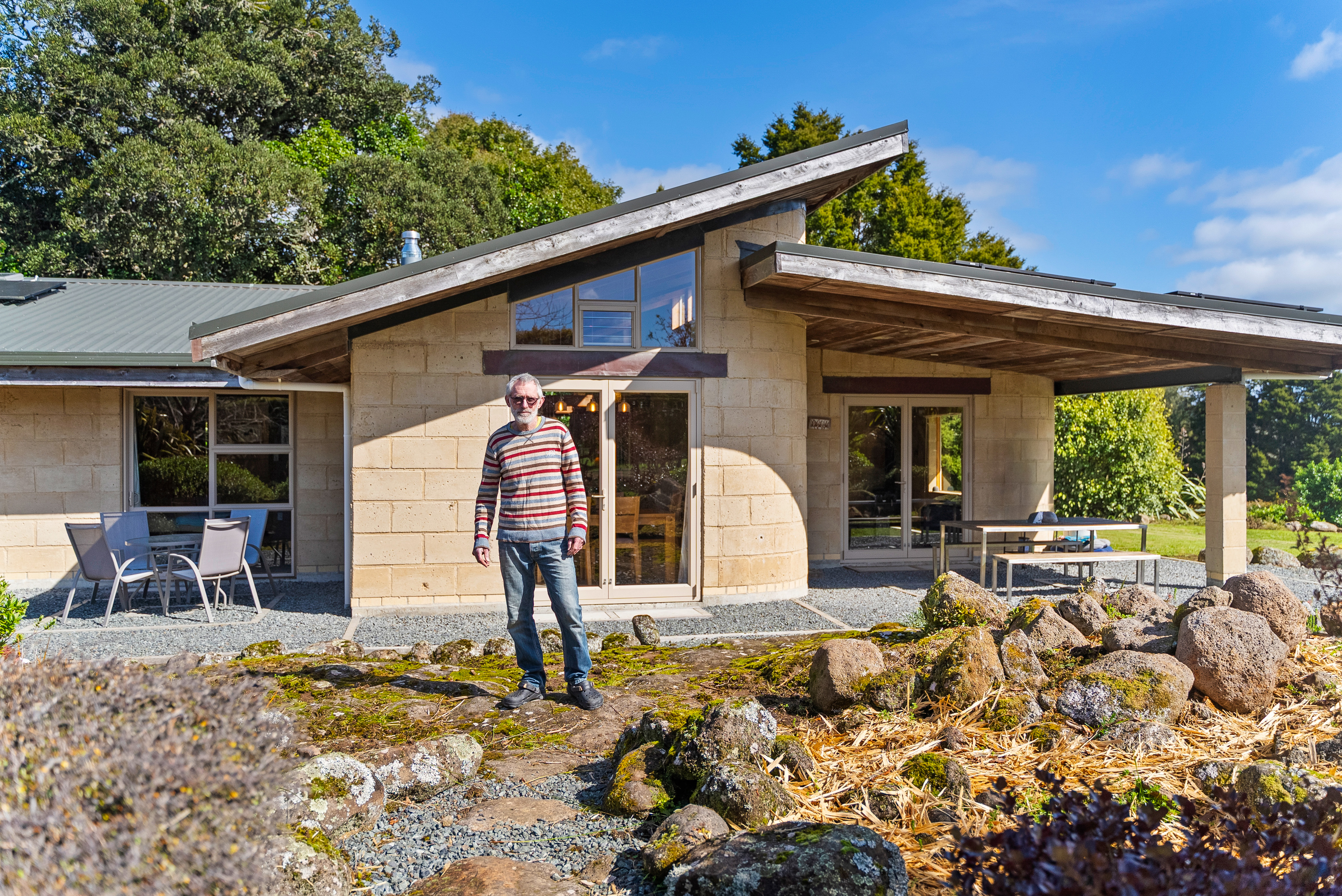
Murray Ruffel outside his Poroti home
A masterclass in natural craftsmanship
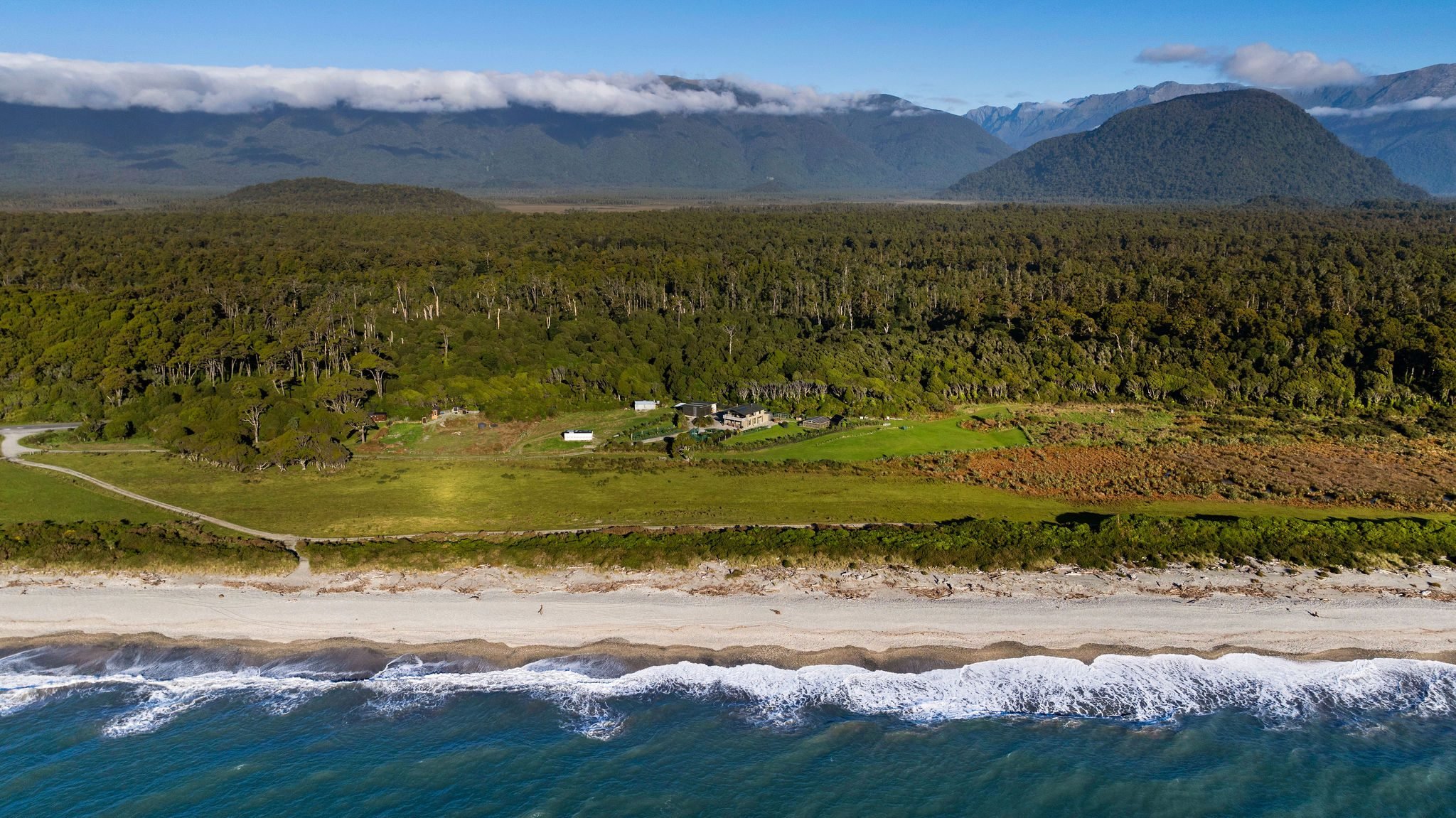
Situated on more than three hectares of volcanic land shaped by Whatitiri Maunga, the property reflects a thoughtful approach to sustainable architecture, balancing raw craftsmanship with modern efficiency.
For Murray and Jan, the choice of materials was driven by a desire to tread lightly on the earth while building something designed to last.
“We chose this style of house because it is solid, durable, environmentally friendly, and more sustainable than other modern building styles,” says Murray.
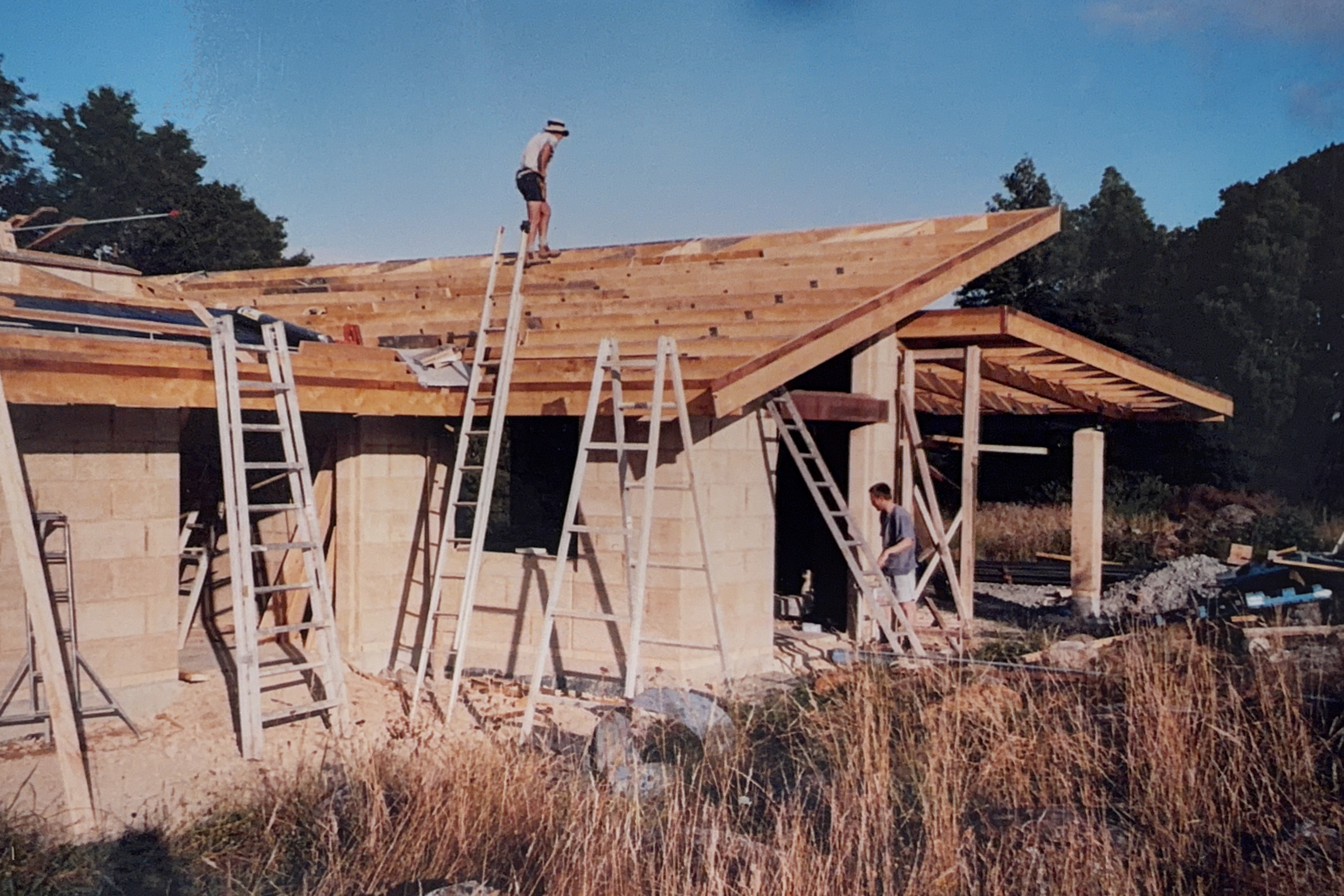
The walls of the house were poured layer by layer over 14 weeks
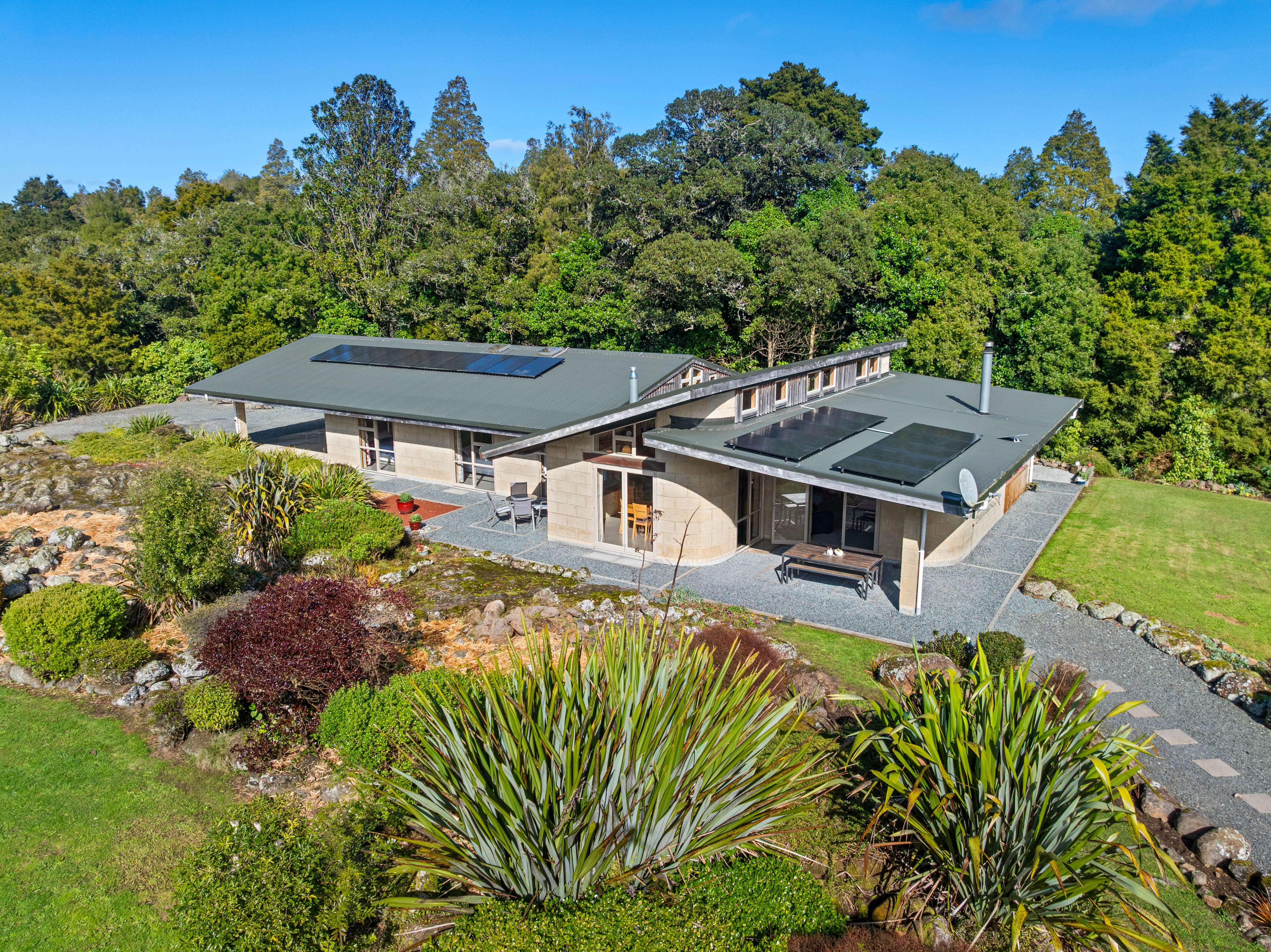
The result is a masterclass in sustainable architecture that combines raw natural craftsmanship with modern efficiency.
Overcoming the elements
The decision to build a stacked earth home was not just born out of a desire for sustainability; it was also a practical solution to the unique challenges of their terrain.
“We wanted a house that was easy care and low maintenance, but built on top of a lava flow, we were restricted in our choices of building sites,” Murray explains.
The adobe-in-situ method proved to be an ideal fit for the ground, resulting in a residence that feels organically tied to the land.
The house is cool in summer and warm in winter
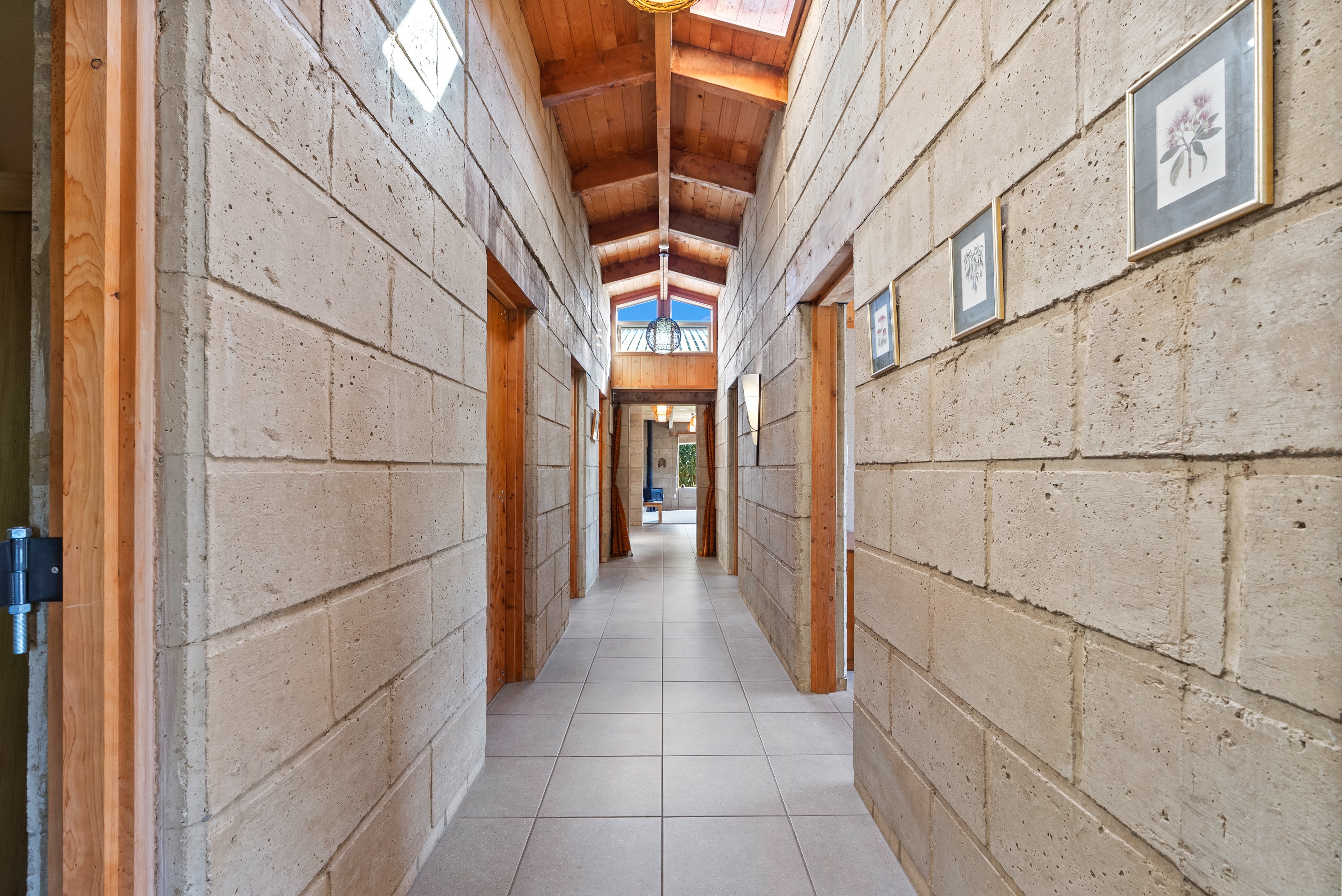
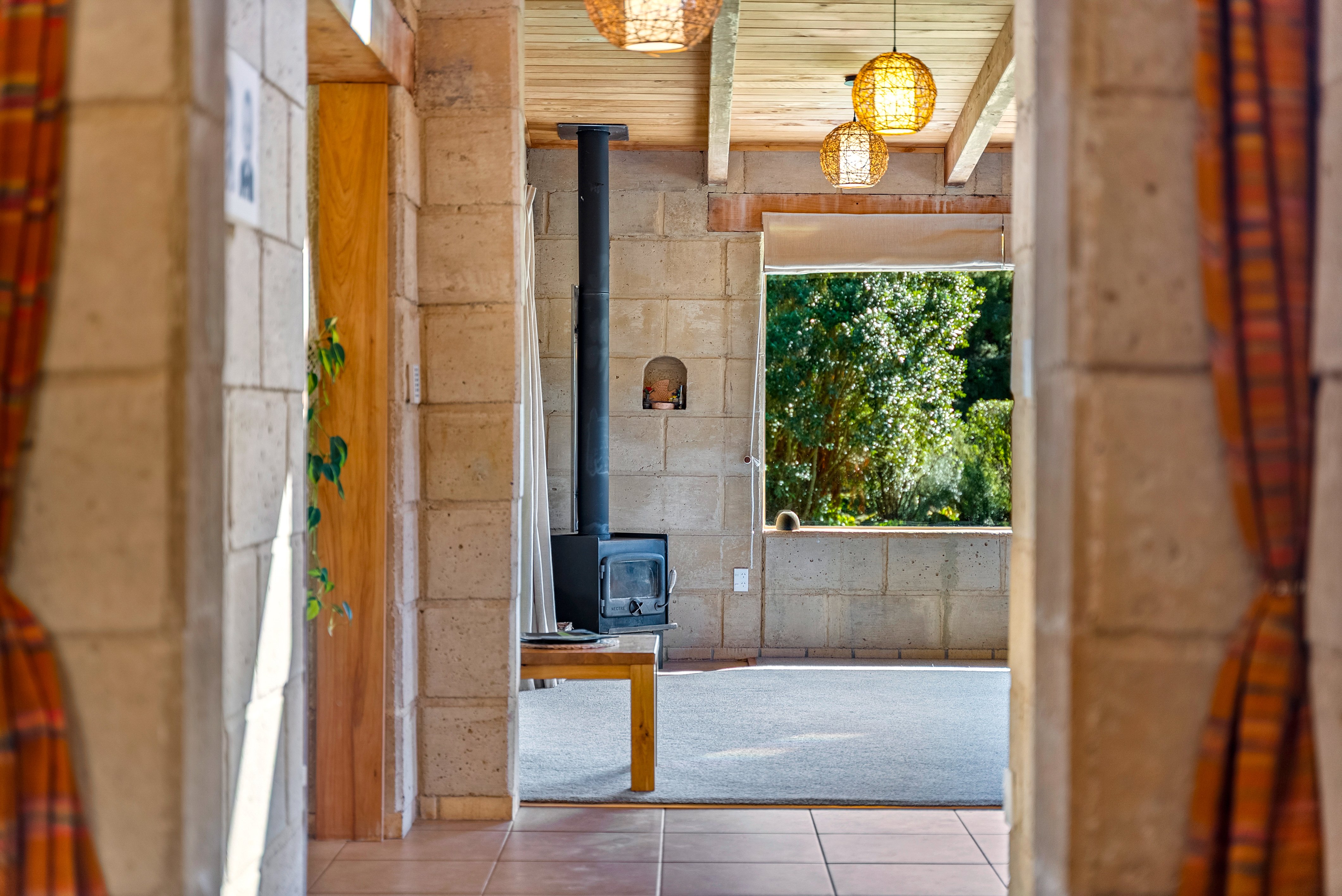
Naturally regulated living
The thick earth construction creates a natural thermal mass, absorbing the sun's warmth throughout the day and releasing it slowly overnight to maintain a remarkably stable indoor climate.
“In the summer the house is cool and in the winter warm. Sunny days heat the walls, and in winter the wood burner does the same thing when there is no sun,” says Jan. “This is the only heating we have ever used or felt we needed.”
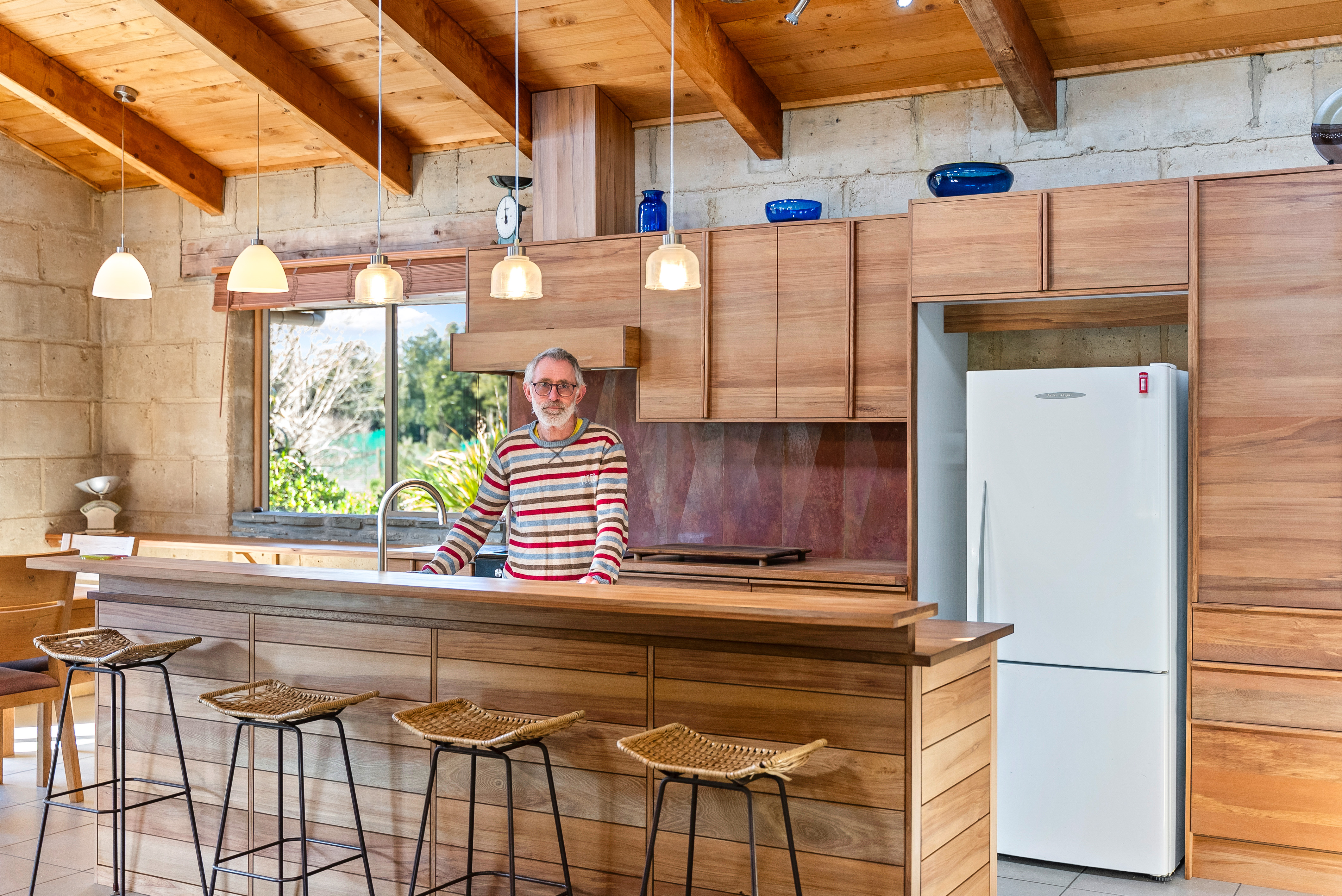
Murray in the kitchen he built from windblown kauri
A labour of love
The home stands as an example of architecture designed to work in tandem with its natural environment. Ray White Whangarei listing agent Rae Ocean says the craftsmanship sets the property apart from modern alternatives.
“Every wall was poured, not framed, and every board was chosen,” she says. “There is nothing else quite like it on the market. It offers a rare sense of permanence and presence that most new builds never get close to.”
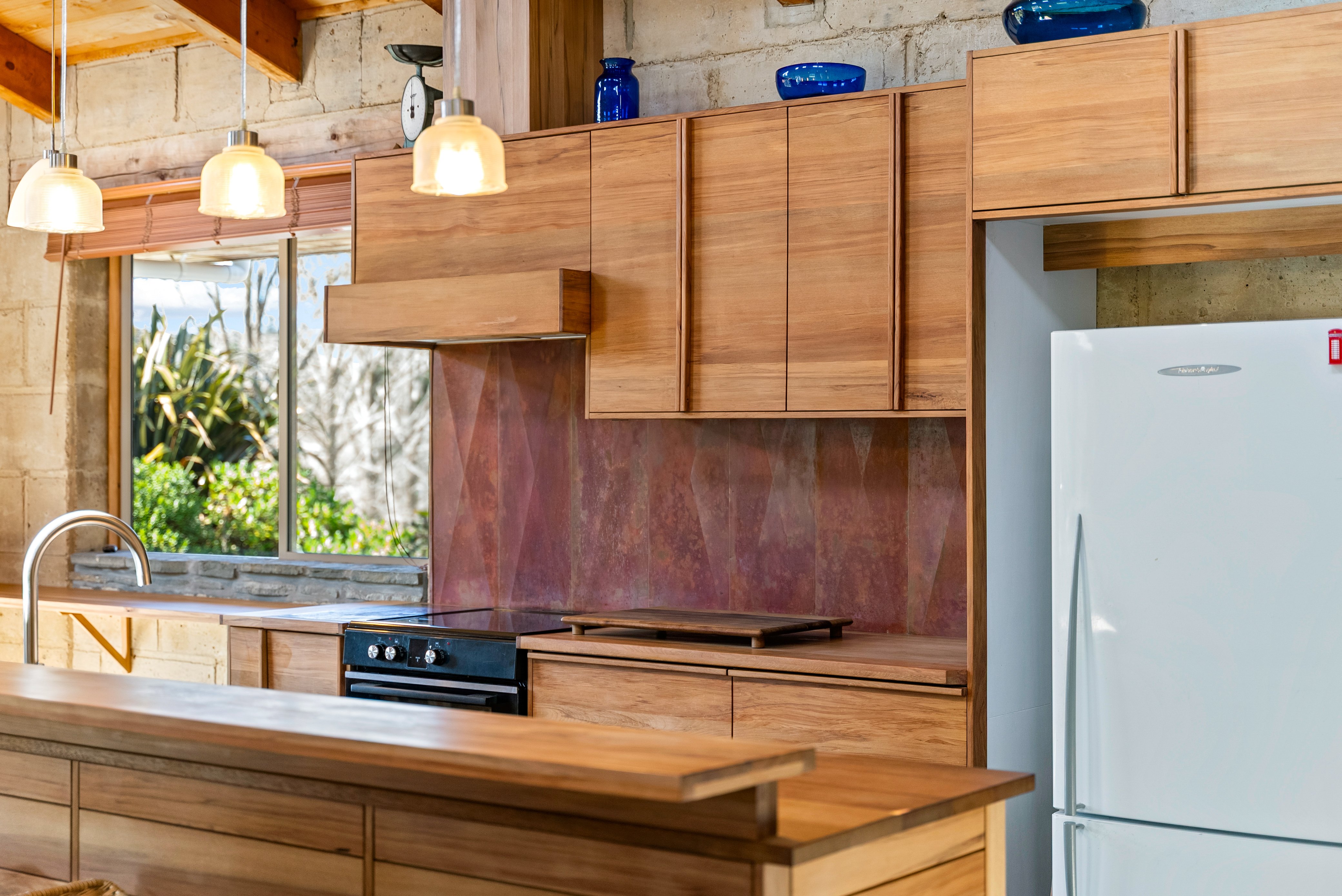
And the craftsmanship isn’t limited to the house itself. The four-bedroom home features a handcrafted kitchen built by Murray from windblown rimu, an atrium hallway lit by glass and louvres, and dual verandahs for morning coffee and evening drinks.
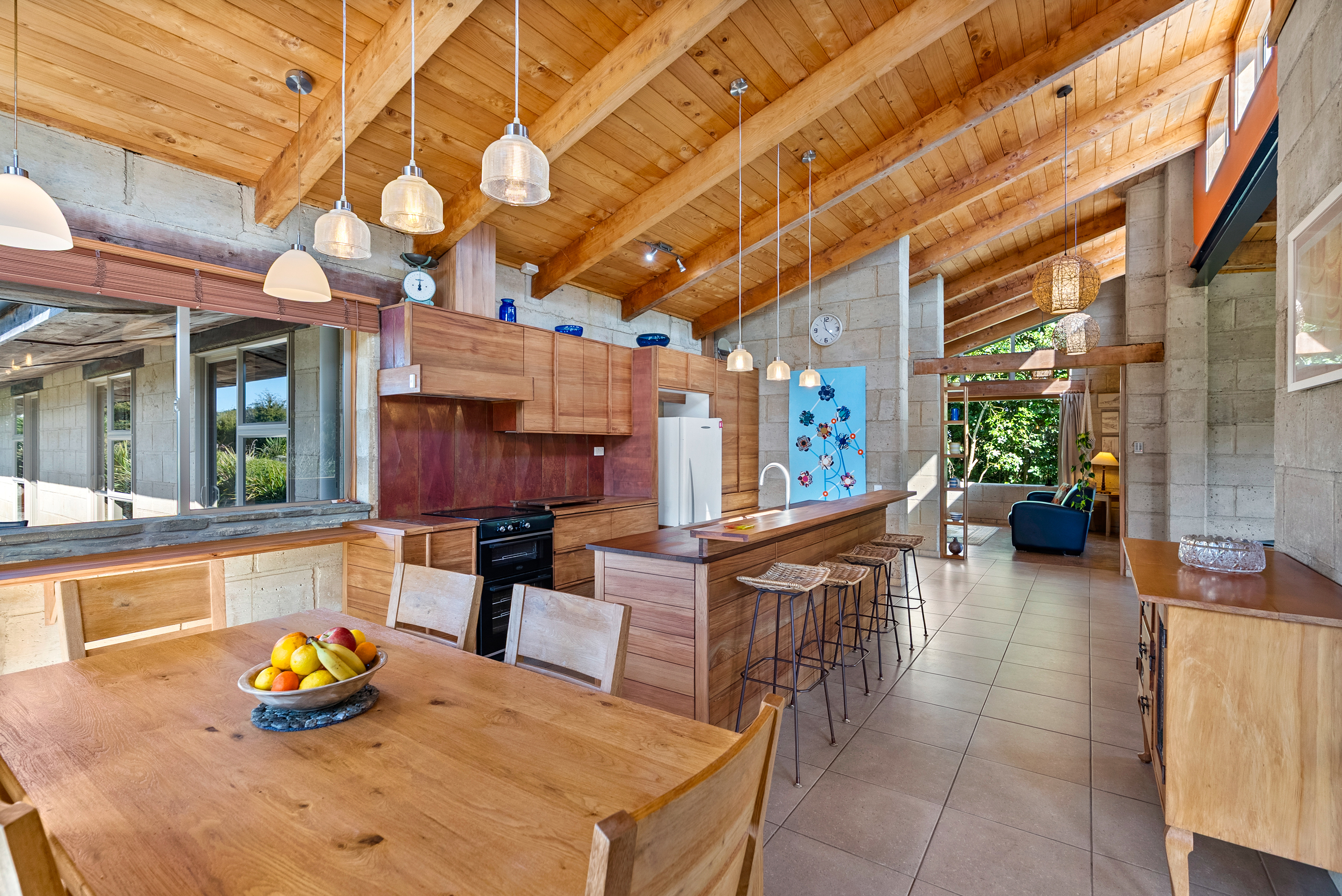
The handcrafted kitchen and dining room.
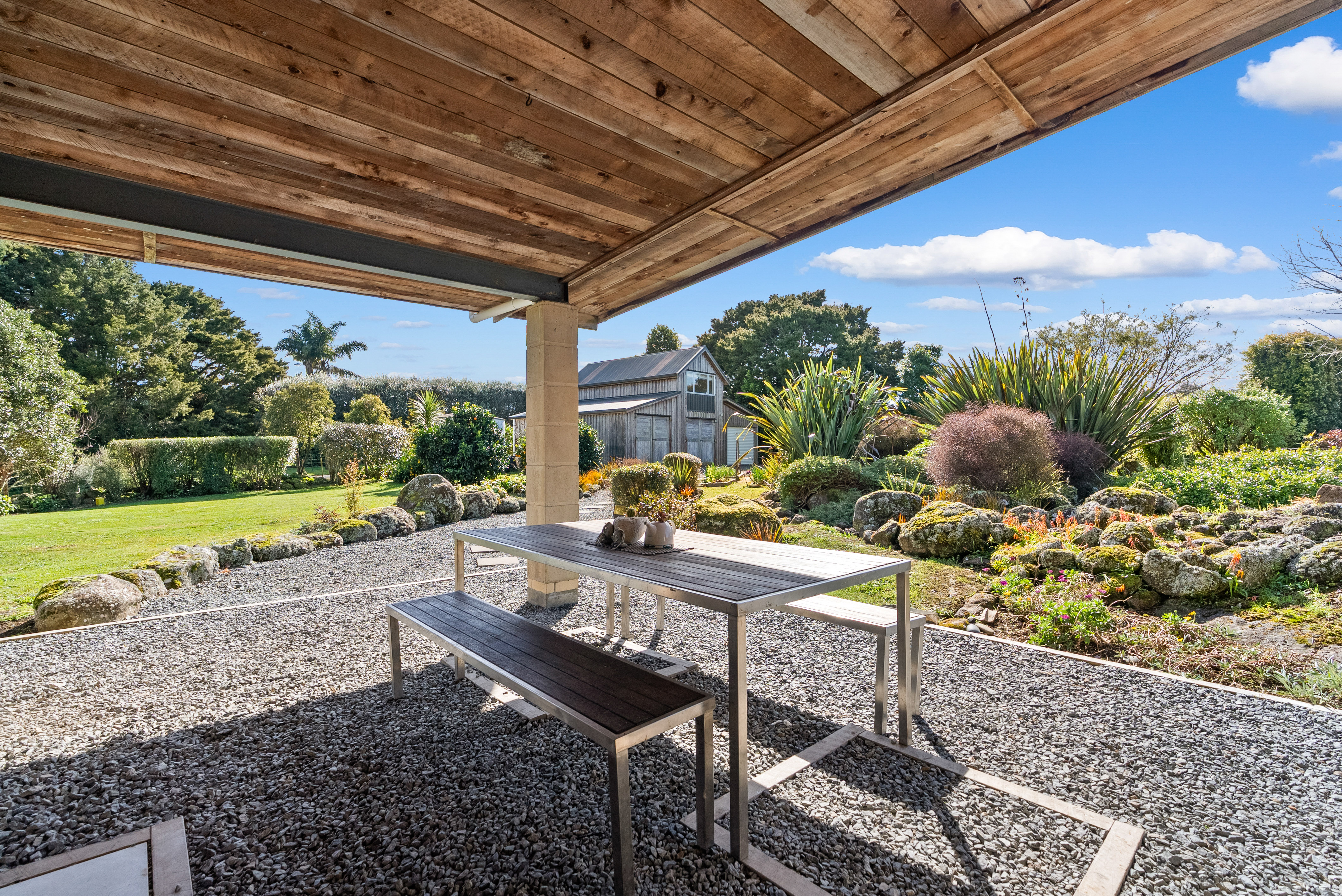
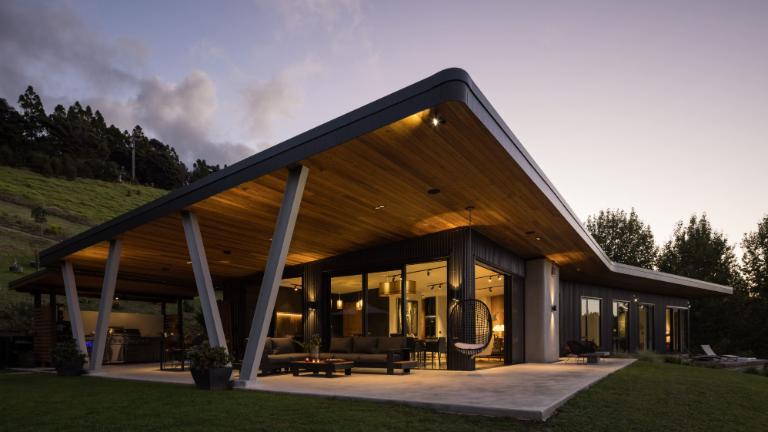
The home boasts dual verandahs for morning coffee and evening drinks.
Ready for its next chapter
After more than 20 years, Jan and Murray are ready to pass this exceptional home to its next owners.
“This property will always hold many special memories for us,” Jan says. “Apart from special family memories of fun, laughter, and adventures, we will always remember the birdlife.
Seeing kereru and tui feeding on the native trees, and hearing our resident ruru calling after dark has been a huge part of daily life.”
Author
Discover More

Wellington property market: agency heads say confidence is back
Wellington’s two biggest agencies say offers, listings and first home buyers are up, and early 2027 looks busy.
Vice City, Aotearoa: Homes for sale with serious Miami energy
We've rounded up palm-fringed, boat-out-the-back homes for sale that could pass for Vice City, as GTA VI fever builds.


Search
Other articles you might like