Feature article
Garden design and landscaping in NZ: A simple guide
Digging in? Where to begin.
30 January 2026


AI summary
This guide helps Kiwis plan a successful garden landscape by focusing on practical steps. Start by understanding your site’s unique sun, wind, and soil conditions. Budget for "invisible" costs like earthworks and retaining walls on sloping sections.
Design a space that suits your lifestyle, whether for entertaining, kids, or low maintenance. A phased approach makes projects manageable:
- First, tackle foundations and drainage.
- Then, add hardscaping like decks.
- Finally, focus on planting.
Consider DIY for simple tasks but hire professionals for complex structural work.
Landscape design in New Zealand can feel like a game of chance. Sun one minute, wind the next. Throw in some salt air, clay soil and at times, very limited space. Tricky, huh?
The good news is that with the right approach (and some good old research), almost any space can work beautifully. This guide will help you make confident decisions that suit your site, lifestyle and budget.
Currently in the midst of a landscape renovation myself, I’ve quickly learnt that what looks good on paper can be trumped by the reality of a toddler, a dog, and a sloping section, all competing for your budget.
What we’ll explore:
- Understanding the site-specific basics
- Mastering a sloping section
- Landscaping for your lifestyle
- Low-maintenance strategies
- A phased approach to budgeting
- DIY vs. using professionals
Where to begin: Garden landscape design basics
Understand your space
Before you jump into plants, materials, or layouts, it pays to step back and really consider your space. Ask yourself:
- How does the sun move across the site throughout the day?
- How does wind flow through the space?
- How does water behave after heavy rain?
- What type of soil are you working with?
- What existing structures need to be factored in?
- How would we like to use the space day to day?
Getting these basics right early lays the foundations for easy decision making down the track. You’ll end up with a space that not only looks good, but works well in the long term.
The cost of a view: Dealing with slopes
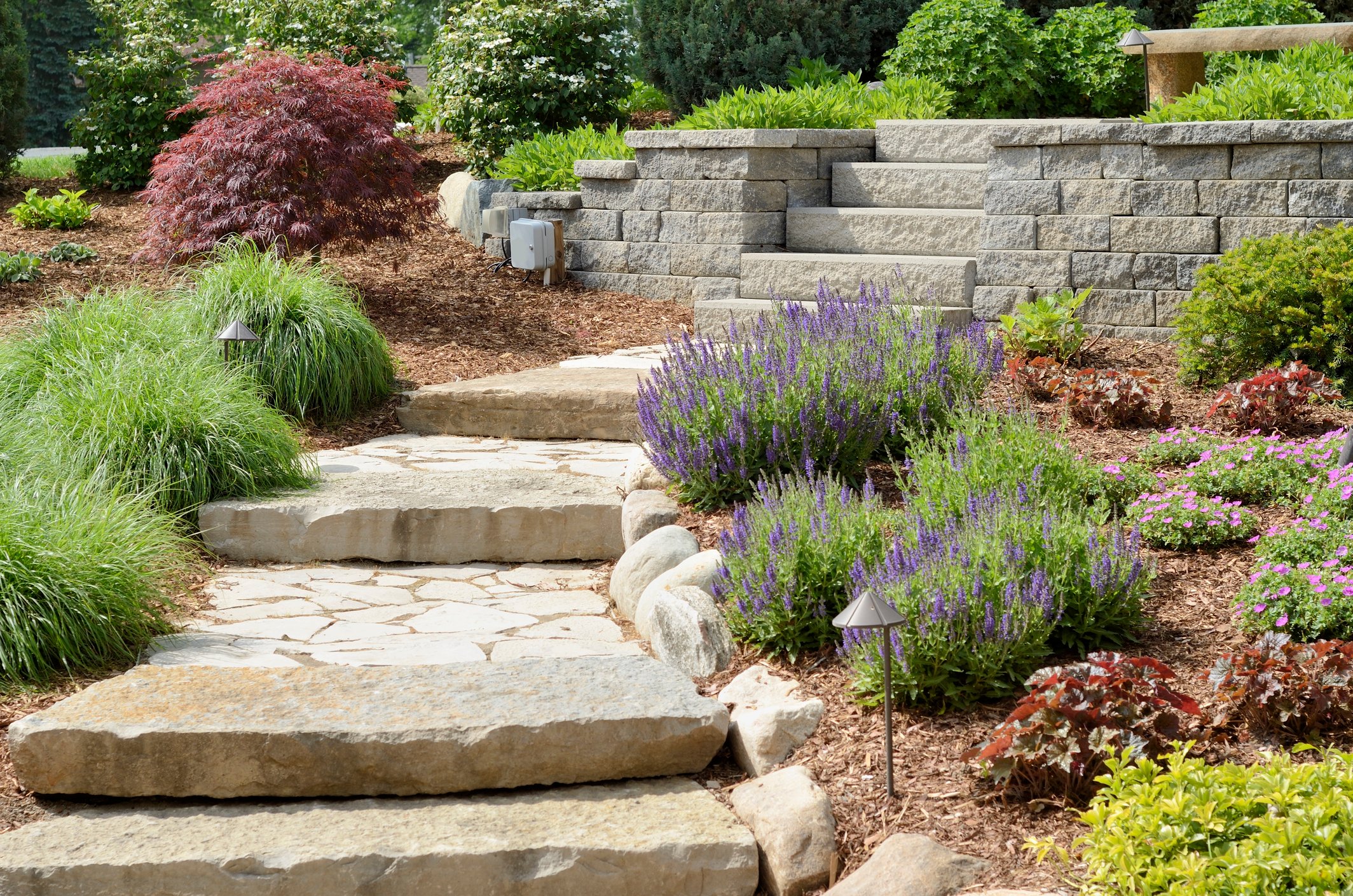
If you have a sloping section, factor in extra budget for the 'invisible' costs. We learnt the hard way that earthworks and retaining walls are where the money goes before you start thinking about which hydrangea you’re going to use. However, the payoff is worth it. Turning our overgrown slope into a flat, fenced-in lawn was the best thing we ever did for our toddler and the dog, while adding value to our property.
Match your garden to your lifestyle
A great garden is about more than just street appeal; it’s about how it works for you. Before you get too deep into Pinterest's lavish landscaping ideas, take a moment to think about how you’ll actually use the space. Are you looking for a spot to entertain, a safe run-around for the kids, a low maintenance retreat, or a bit of everything?
Be realistic about the time you want to spend on upkeep. Manicured lawns and clipped hedges look a treat, but they’re high-maintenance. If your weekends are already packed, consider simpler planting, hard landscaping, and automated irrigation. However, if you find a Saturday morning with a spade in hand therapeutic, then perhaps you can afford a more hands-on garden.
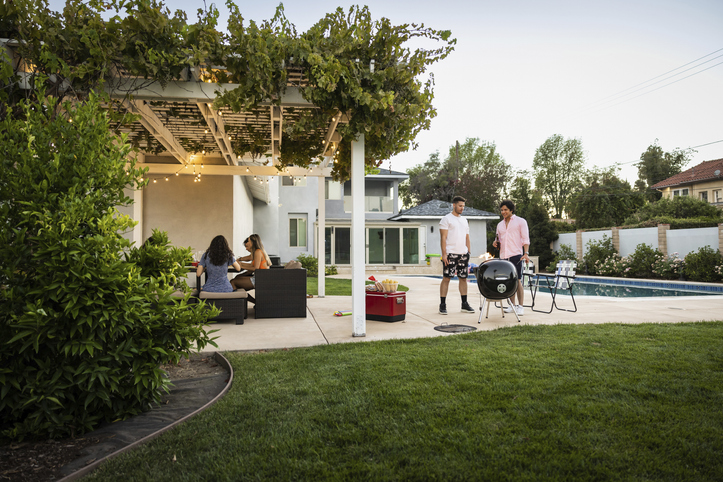
If you're the entertaining type, you'll want to prioritise outdoor dining areas and zones for gathering.
Landscaping to suit your life
- Kids and pets: Prioritise safety, durable lawns, and secure fencing.
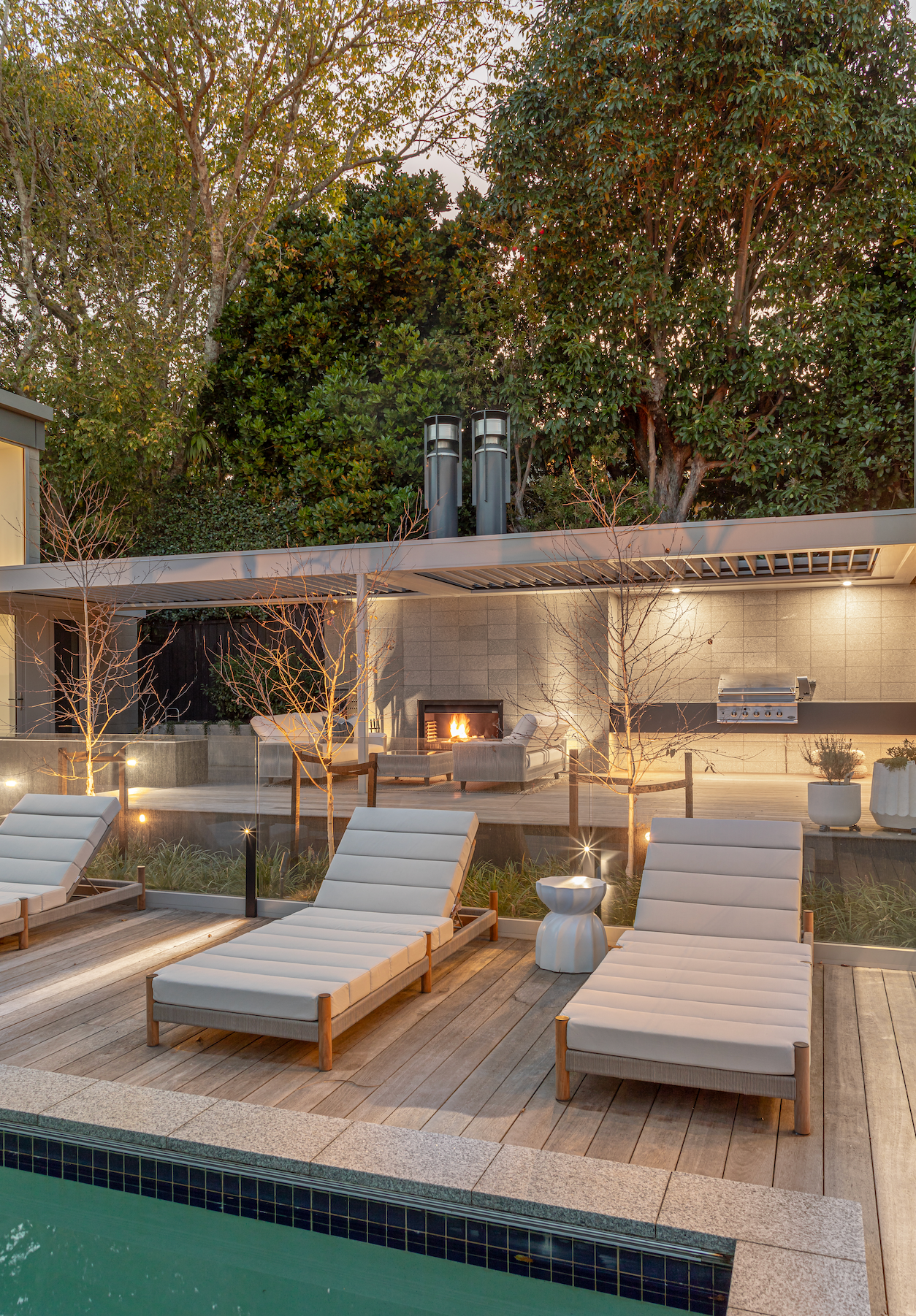
- Outdoor living: Designate zones for the BBQ, dining, and late-night gatherings.
- Privacy: Use clever planting or screening to block out the neighbours or the street.
- Low maintenance: Focus on hardy natives and mulch to keep the weeds at bay.
- Climate control: Plan for the midday sun, evening shade, and those pesky wind tunnels.
- Practical storage: Don’t forget a home for the bins, bikes, tools, and firewood.
Landscaping for lifestyle: Lessons I learnt
- If you need privacy fast, look into pleached trees (hedging on stilts). They give you instant height without taking up too much of your garden's footprint.
- If you're time-poor, limit your plant variety. A garden with 50 different types of plants requires 50 different types of care. Sticking to a smaller palette of hardy natives makes maintenance far more predictable.
Budget and timeline considerations
Remember, Rome wasn’t built in a day, and a great landscaped garden won’t be either. Before you get stuck into design ideas, it’s worth setting a realistic budget and thinking about priorities. A general rule of thumb in New Zealand is to budget around 10% of your property's value for a full landscape overhaul, though you can achieve a great ‘refresh’ for much less.
Some elements are best tackled early, even if the finishing touches come later. Earthworks and drainage might not have the visual impact, but they are the ‘bones’ of your garden. Tackling these first prevents expensive rework later on.
How to stage your project:
- Phase 1: The foundations. Get your earthworks, retaining walls, and drainage sorted.
- Phase 2: Hardscaping. Lay the ‘bones’ like decks, patios, or fences.
- Phase 3: Planting and softscaping. This is the most flexible stage. You can save money here by choosing smaller plants that will grow into the space over time. Smaller plants actually tend to grow faster than those more established, so it’s a win-win.
Working in stages helps spread costs and makes the project more manageable. It also lets you live with the space for a season or two to see where the sun falls and the wind blows, before you commit to the final touches.

Everyone can get stuck in.
DIY vs hiring a professional
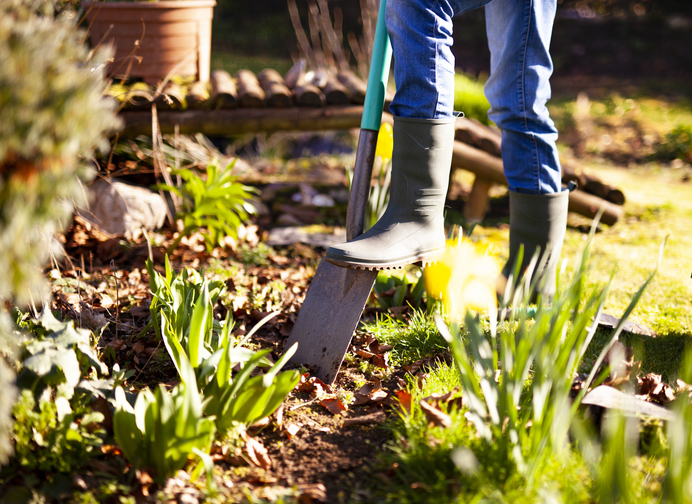
Deciding whether to roll up your sleeves or call in the experts usually comes down to two things: your confidence with a literal sledgehammer and the complexity of your site. If you’re just looking to plant out a garden bed, lay some mulch, or build a basic planter box, DIY is a great way to keep costs down and get some dirt under your fingernails.
However, for the 'big' stuff, like retaining walls, complex drainage, or large-scale paving, hiring a professional landscape builder or designer often pays for itself. If your project involves structural changes or tricky levels, getting a pro to handle the 'bones' while you take care of the planting is often the best middle ground for most Kiwi homeowners.
Leaving it to the professionals? Here are the 10 best landscapers in Auckland.
From dirt to dream
Landscape design in New Zealand is more than moving dirt and planting, it’s about extending your home’s footprint to make the most out of your unique environment. While it comes with challenges, a well-planned landscape can be so rewarding.
But getting the foundations right, and ensuring it’s designed to suit your lifestyle, you’ll avoid the common trap of creating a space that feels like a chore.
Author




Search
Other articles you might like