Buying guide
Getting a mortgage if you’re self-employed
Experts explain why it can be more difficult to get a mortgage if you're self-employed.


AI summary
Securing a mortgage when self-employed presents unique challenges. Banks require at least one year of financial records and base lending on on-paper income, which is often lowered by business expense write-offs, reducing your borrowing power.
An effective alternative is using non-bank lenders like Resimac. They offer more flexible, case-by-case assessments and may accept business bank statements for income verification. While initial interest rates can be slightly higher, they may decrease as you build a strong repayment history.

What you’ll learn:
What mortgage advisers say about options for self-employed
Taking the alternate lender route
Q & A with Luke Jackson, General Manager of Resimac NZ

Luke Resimac anwers questions on lending for the self employed
Will more lenders be catering to self-employed people as they become a bigger part of the workforce?
How do you assess a self-employed borrower?
Are mortgage rates higher for self-employed people?
Would you be more confident about a loan if, in a couple, one of the borrowers was on a salary and the other was self-employed?
Any other pieces of advice for self-employed home buyers?
Author
Discover More
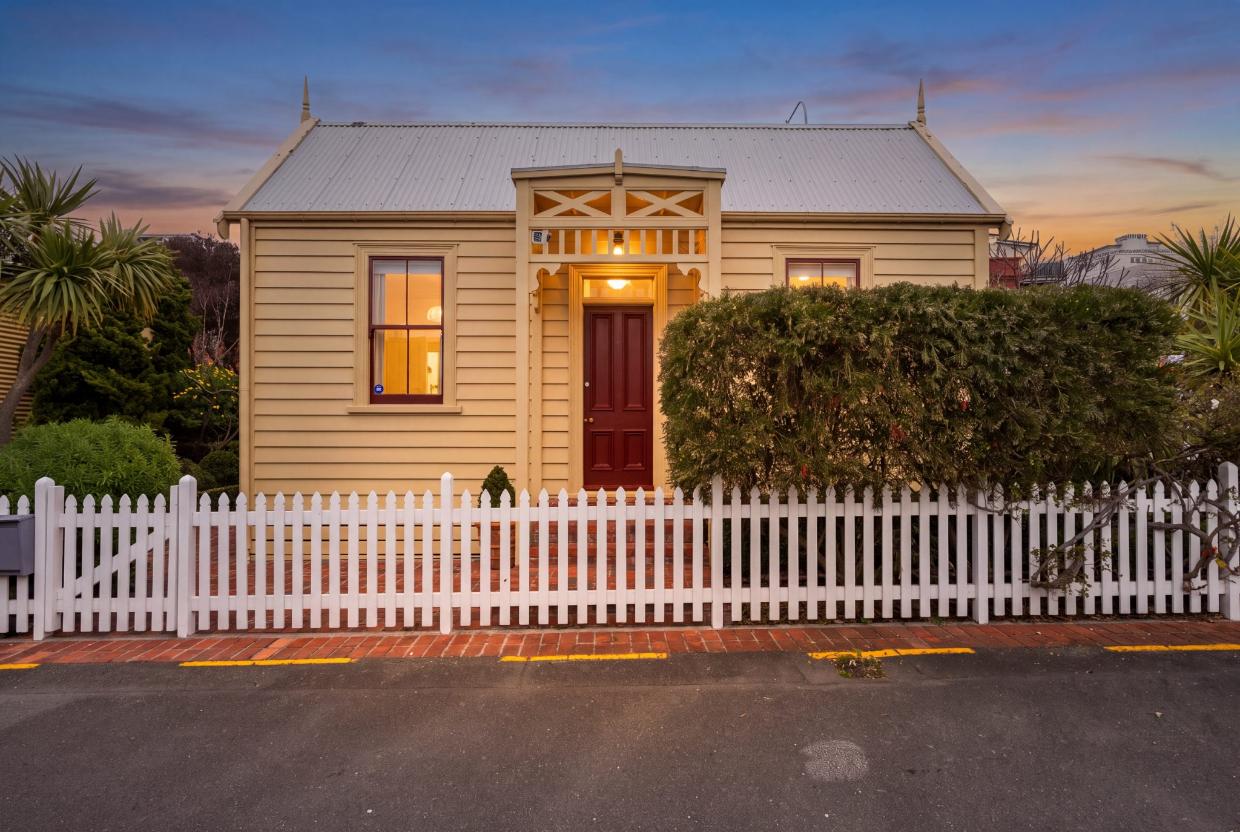
She’d never owned a home before buying this cute 1870s cottage. There was just one catch
A first-home buyer transformed a historic 1870s Wellington cottage into a character-filled home.

They found their dream home by accident. Now a devastating diagnosis is forcing them to sell
A dream Whanarua Bay home is being sold after a devastating cancer diagnosis changes their plans.


Search
Other articles you might like


