Feature article
How many sheds can I have on my property in NZ? Rules & limits
Thinking of adding a shed? Here’s what you need to know.
25 February 2026


AI summary
Thinking of adding a shed? In NZ, the number you can have isn't fixed. It’s determined by your local council’s District Plan and its site coverage rules, which typically allow 35-50% of your land to be covered by buildings.
Sheds under 10m² generally don't need building consent, while those 10-30m² have conditions. Rural properties may allow sheds up to 110m² without consent. Always check with your local council before starting your project.

Whether you’re looking for a spot to stash the lawnmower or dreaming of a DIY workshop, adding a shed is a classic Kiwi way to level up your property. But before you head to the hardware store, it’s worth checking the rules so you don’t end up with a "notice to fix" from the council.
In Aotearoa, the rules around sheds recently became more homeowner-friendly, meaning you can often skip the paperwork for smaller projects.
Can I have more than one shed?
When it comes to the number of sheds you can have on your property, there isn’t a single national rule that says “stop at three”. Instead, the limit is determined by two things:
- the Building Act (what you can build without consent)
- your local District Plan (how much of your site can be covered by buildings)
Recent national rule changes mainly affect building consent requirements, but councils still control how many sheds fit on a site through planning rules.
The general rule: Site coverage
Every council sets a site coverage limit in their District Plan. This is the percentage of your land that can be covered by buildings, and usually ranges between about 35% and 50%, depending on your zone.
So, you can generally have as many sheds as you like, provided the combined footprint of your house, garage and all sheds stays within that percentage.

Rule and restrictions can depend largely on where you live, and the type of property you own.
What are the rules in your area?
District Plans can be complex (to say the least). We've done the heavy lifting and trawled through different regional plans. Here’s a quick look at how the rule works across several major councils.
Note: always check with your local council before building, as overlays like flood zones, heritage areas or hazards can change what’s permitted.
Auckland Council
Auckland follows the national building exemptions, but planning controls still apply through the Unitary Plan.
- The limit: There is no set number of sheds, but most Single House Zone sites allow 35% building coverage.
- Boundary rules: National rules now remove the building-consent setback trigger for sheds under 10m², but Auckland’s height-in-relation-to-boundary controls may still require clearance from boundaries.
- Proceed with caution: Volcanic hazard areas, coastal zones and heritage overlays can require consent even for small sheds.
Christchurch City Council
In the Christchurch District Plan, sheds are classed as ‘accessory buildings’ on residential land.
- The limit: No set number, but many residential zones cap building coverage at about 40%.
- The catch: While national rules remove the building-consent setback trigger for sheds under 10m², Christchurch still applies height-in-relation-to-boundary controls through its District Plan. This often means small sheds still need some clearance from boundaries.
- Local advice: Your specific residential zone makes a big difference, so check with your local council before building.
Wellington City Council
Wellington’s District Plan controls the percentage of a residential site that can be covered by buildings.
- The limit: Building coverage varies by zone: General Residential Zone is 35%, Medium Density Residential Zone is 50% and High Density Residential Zone is 60%.
- The catch: Because Wellington is a high-wind region, sheds must still be designed and anchored to meet Building Code wind-loading requirements, even if no building consent is needed.
Hamilton
The District Plan allows buildings in the General Residential Zone to cover up to 45% of a site. Sheds are treated as ‘accessory buildings’ and are generally permitted as long as they remain incidental to the main dwelling and the site stays within coverage and setback rules.
Tauranga
The City Plan allows up to 50% building coverage in Medium Density Residential Zones and up to 60% in High Density Residential Zones. It also requires at least 20% landscaped area, meaning you can’t simply pave the section and fill it with structures.
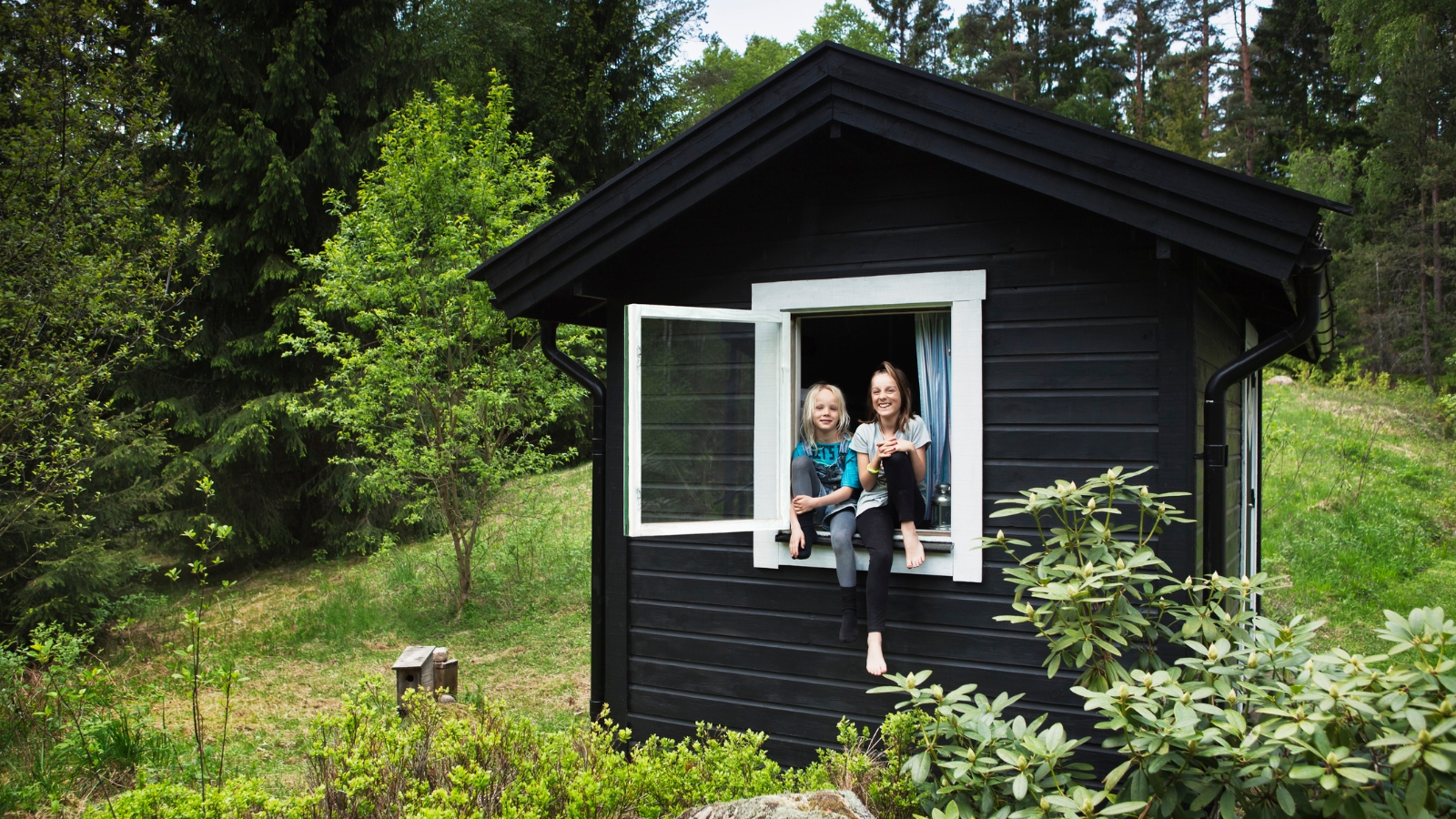
Once you cross the boundary into rural-zoned land, the rules for how many sheds you can have start to look a lot more generous.
What about rural properties?
On a rural property, you have much more freedom than in the city. The rules are designed to support farming and lifestyle living, meaning you can often build significantly larger structures without needing a building consent.
Rural property shed summary
- The 110m² exemption: In rural zones, you can build a single-storey pole shed or hay barn up to 110m² (roughly the size of an average house) without a building consent.
- Design requirements: For these larger rural sheds, the design must be carried out or reviewed by a Chartered Professional Engineer or a Licensed Building Practitioner.
- Boundary setbacks: Generally, the shed must be set back from any boundary, public road, or residential building by a distance at least equal to its own height (e.g., a 4m tall shed must be 4m from the fence).
- Site coverage: While rural zones are generous, lifestyle blocks often have a site coverage limit of 10% to 35%. Large farms may have no specific percentage limit, provided the buildings are incidental to farming.
- Prohibited uses: These "no-consent" rural sheds cannot be used for housing, storing hazardous substances, or be accessible to the public.
The magic measures: 10m² and 30m²
The main thing to keep in mind is the total floor area of your shed. This determines whether you need building consent.
Sheds up to 10 m²
You generally don’t need building consent for these small detached garden sheds, however, local District Plan boundary setbacks may apply in some areas.
Sheds between 10 m² and 30 m²
These larger sheds can also be exempt from building consent, but there are extra conditions:
- They must be at least one metre from any boundary or residential building
- They must be built from lightweight materials, be a manufacturer-designed kitset, or be constructed/supervised by a Licensed Building Practitioner (LBP)
Sheds over 30 m²
If you’re planning a larger shed over 30 m², you will almost certainly need building consent before you start.
MBIE’s “Can I Build It?” tool is a useful way to double-check your specific shed proposal.
Add sheds without the headache
Adding sheds can be a brilliant way to make your property work harder for you, but the key is thinking about your section as a whole. While the Building Act determines whether a shed needs consent, your District Plan ultimately controls how many structures can fit on your site.
Keep an eye on your site coverage percentage, and you’ll be well on your way to creating the ultimate backyard setup without a council headache.
Frequently asked questions
Q. Do I need a building consent for a small shed on the boundary?
A. Small detached sheds under 10 m² generally don’t need building consent. National rules no longer include a building-consent setback trigger (rules that determine how far your shed must be from the boundary), but local District Plan boundary rules may still apply depending on your council.
Q. How many garden sheds am I allowed to have?
A. There is no fixed number in New Zealand law. The limit is determined by your council’s site coverage rules, which usually allow about 35%–50% of your land to be covered by buildings including your house, garage and sheds.
Q. Can my shed have a toilet or kitchenette?
A. No. If a shed includes plumbing, drainage or facilities for cooking or drinking water, building consent is almost always required regardless of size. Exemptions apply only to simple, low-risk structures.
Q. Do I need to check anything else before building?
A. Yes. Even if no building consent is needed, your shed must still comply with the Building Code and your local District Plan. Always check for overlays such as heritage areas, flood risk or coastal zones that may require resource consent.
Author
Discover More
From armoury to Kaipara home: the Kaiwaka house with a spy story
A former armoury, clad in steel and lined with mataī, is now a three-bedroom home above the Kaipara Harbour.
The 6 best building inspectors in Auckland (according to reviews)
These are the guys you want looking at a property before you buy


Search
Other articles you might like