Discover
Inside the Hollywood mega-mansions nobody wants to buy
Why Hollywood mega-mansions struggle to sell, the staggering costs of holding them, and how Kiwi luxury differs.


AI summary
Hollywood mega-mansions, like the infamous "The One", often struggle to sell due to over-customisation and staggering holding costs. Annual property taxes and maintenance can run into millions, making them a financial burden.
In contrast, New Zealand's luxury market prioritizes privacy, land, and natural landscapes over sheer size. As noted by Trade Me Property, Kiwi buyers value irreplaceable locations like a clifftop retreat or lakefront holding, which provide enduring appeal that a massive compound often lacks.
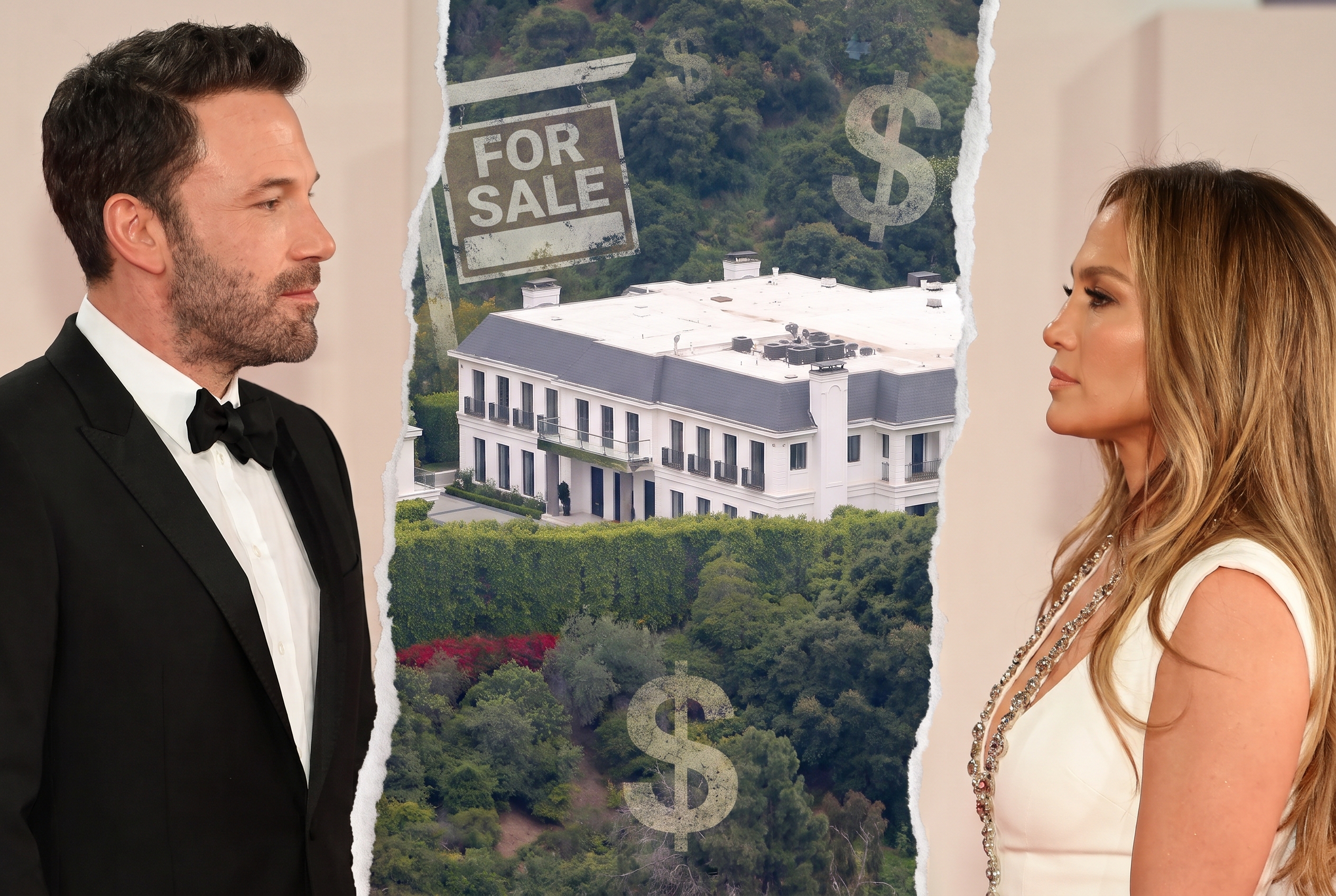
For the average Kiwi property hunter, a 4,270-square-metre compound complete with an infinity pool, indoor pickleball courts, and a 12-car garage sounds like the ultimate dream. In the stratosphere of Los Angeles luxury real estate, however, these trophy homes often turn into massive financial headaches.
When Jennifer Lopez and Ben Affleck bought their sprawling Beverly Hills estate for US$60.85 million in 2023, it was hailed as their forever family home. Fast-forward through a high-profile breakup and months on the open market, and the price tag was chopped from an optimistic US$68 million down to US$50 million as the bills piled up.
Across town in gated Beverly Park, Sir Rod Stewart hit the same wall with his 3,070-square-metre European-style manor. The listing bounced between US$70 million and US$80 million with no takers, while the rock legend packed up his famous, room-sized model train set to head back to Britain.


It is not the first time the singer has had a trophy property gather dust, either. Back in England, his 6.9-hectare Essex estate, Wood House, sat on the market for nearly three years. After originally listing it for £7.5 million, he watched it linger through round after round of price reductions before it finally sold for just over £4 million.
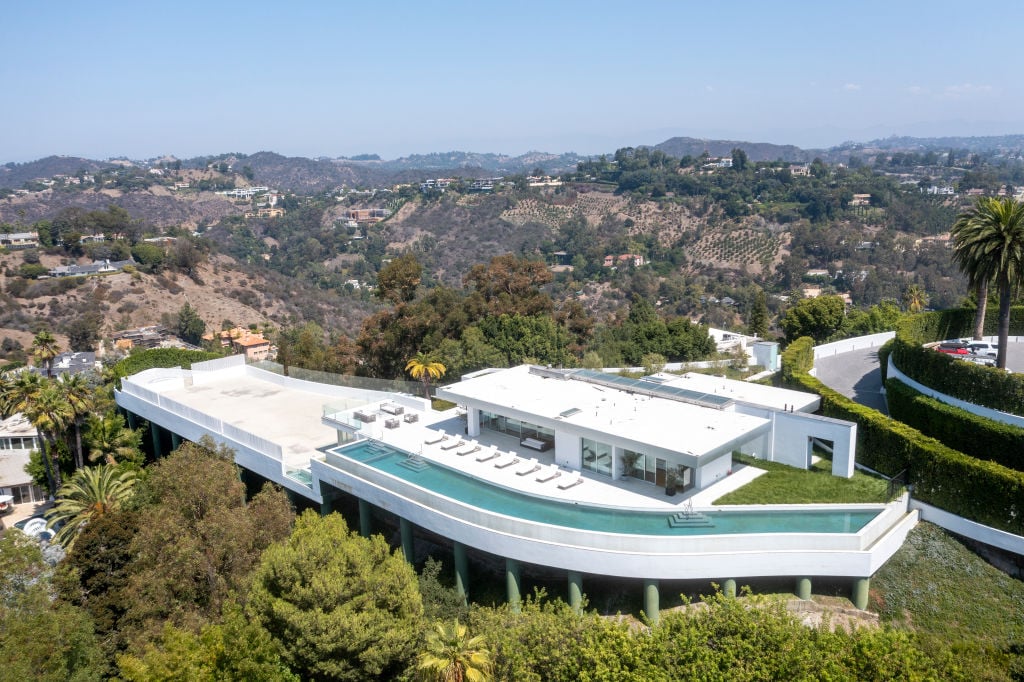
Then there is the undisputed king of Hollywood white elephants: the Bel-Air giant known as The One.
Developer Nile Niami spent a decade piecing together the 9,750-square-metre monster, complete with 21 bedrooms, 49 bathrooms, a 40-seat cinema, a bowling alley, and its own private nightclub.
Inside The One
At one stage, he boldly claimed it would fetch US$500 million. Instead of shattering global records, the project spiralled into bankruptcy and wound up on the auction block. It eventually sold for US$141 million (including the buyer's premium) to the founder of Fashion Nova, failing to even cover the debt piled against it and still lacking a certificate of occupancy.
So why do multi-million-dollar mega-mansions struggle so hard to find a buyer?
A big part of the problem comes down to over-customising. The very quirks that make a house paradise for one owner often scare off everybody else. The Lopez and Affleck compound was tailored around two A-list lifestyles, complete with a full glam salon, a private screening lounge for 100 guests, and an indoor sports arena. The Stewart estate leans heavily into hand-painted neoclassical ceilings and a private, floodlit football pitch.
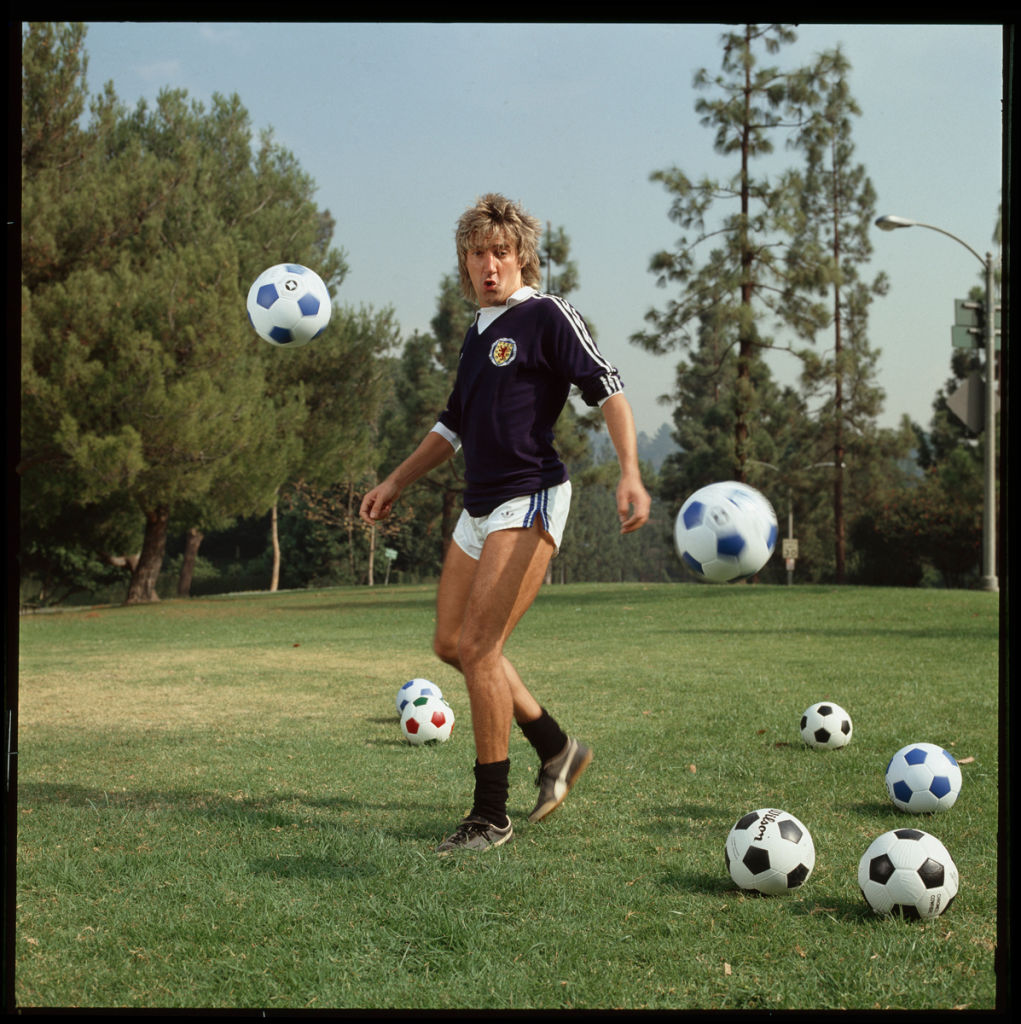
Rod Stewart has a kick about in LA
As for The One, very few buyers genuinely want a five-pool resort masquerading as a private family home. When someone has US$50–100 million to spend on a house, they rarely want to inherit another person's personal taste. At that price point, buyers want to build their own dream from scratch.
Then there is the staggering cost of simply holding on to these properties. In New Zealand, keeping an empty holiday bach ticking over usually means council rates, house insurance, and someone to mow the lawns once a fortnight. In prime Los Angeles, keeping an empty mega-mansion running while waiting for an offer takes real money.
One of LA's mega-mansions
Annual California property taxes chew through roughly 1.1 to 1.25 percent of the home's value. On a US$100 million estate, that is US$1.1 million to US$1.25 million every year. By comparison, Auckland Council rates on a top-end NZ$20 million Herne Bay waterfront home sit around NZ$50,000 to NZ$70,000. On top of that, round-the-clock private security details and gate guards easily top NZ$580,000 a year, while heating, cooling, groundskeepers, and pool teams can burn through another NZ$1 million. If an owner finally does land a buyer, the City of Los Angeles, which covers Bel-Air but not Beverly Hills, takes another 5.5 percent off the top through its mansion tax on deals over roughly US$10 million.
It is a world away from New Zealand's top-end market. While Beverly Hills and Bel-Air properties tend to smother their entire section in concrete, security walls, and endless wings, the biggest sales in places like Coatesville, Whitford, or Omaha trade on the land itself. Kiwi luxury buyers tend to care far more about private water access, native bush, and room to breathe than pure floor space.
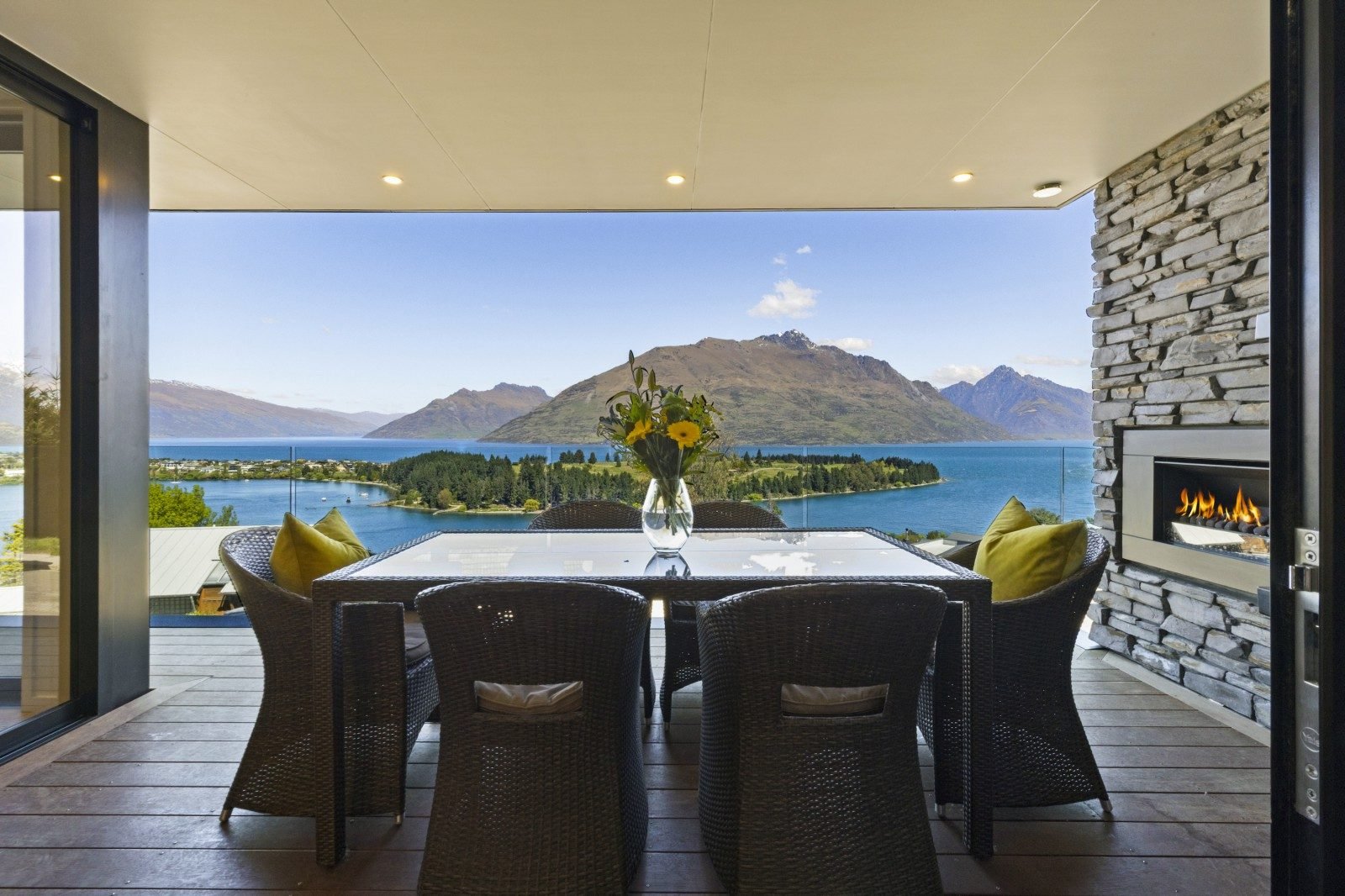
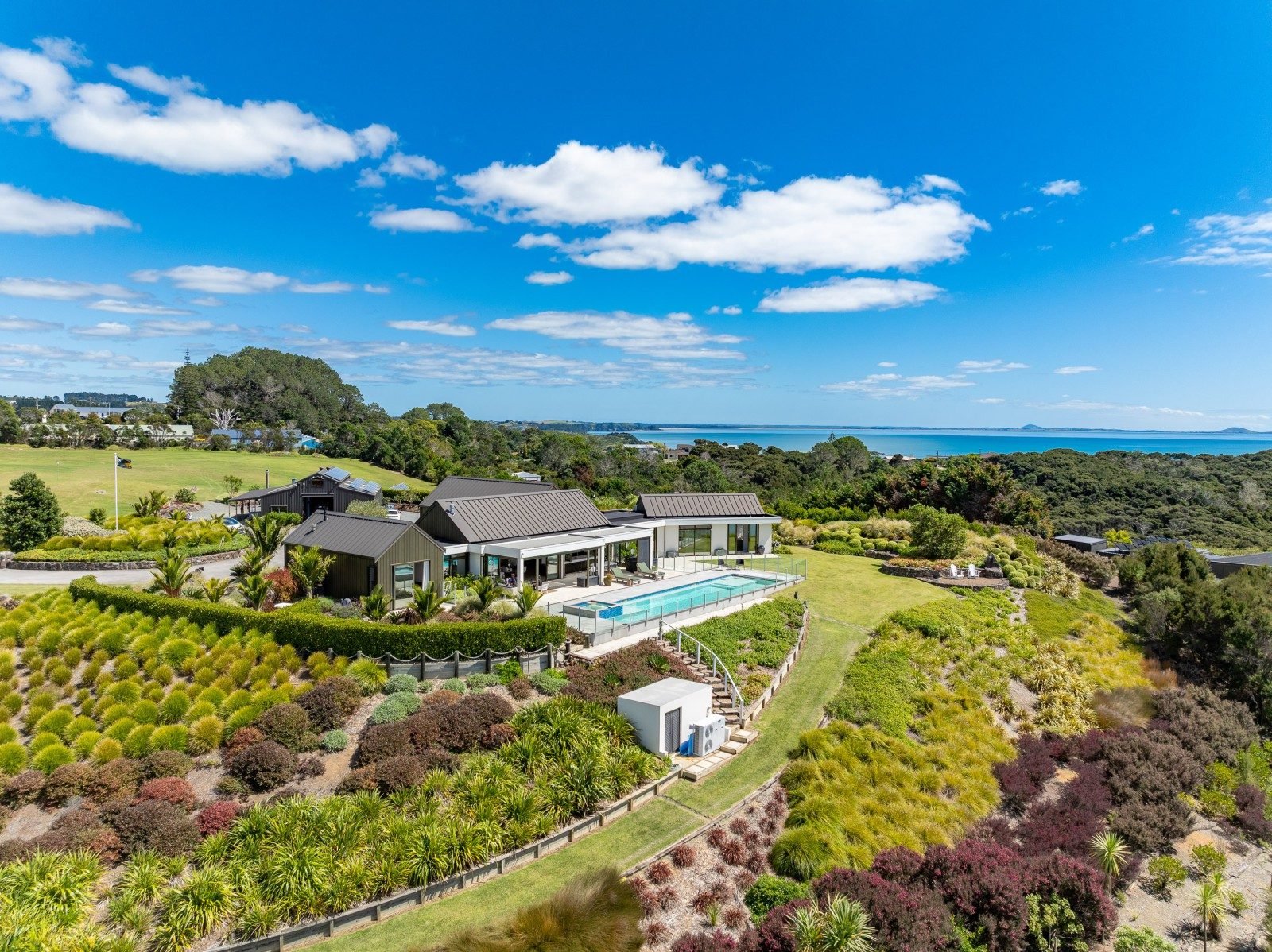
"While overseas mega-compounds often turn into gilded cages that cost a fortune just to keep the lights on, Kiwi buyers at the top end play a completely different game," says Trade Me Property Customer Director Gavin Lloyd. "In New Zealand, true luxury is not about out-building your neighbours with 2,800 square metres of concrete and a nightclub in the basement. It comes down to privacy, aspect, and a genuine connection to the landscape. A clifftop retreat in Northland or a lakefront holding in Queenstown carries enduring appeal because you simply cannot manufacture that kind of natural environment, no matter how big your budget is."
Ultimately, Hollywood's mega-mansion slump shows that bigger is not always better when it comes to long-term value. While California's trophy estates struggle under massive upkeep costs and over-tailored floor plans, New Zealand's prestige market thrives on understated design and irreplaceable locations. For high-end buyers, the ultimate luxury turns out not to be an endless chain of empty suites, but space, seclusion, and a view that speaks for itself.
Author
Discover More
She found her slice of paradise in Huia. So why is she leaving?
After nearly a decade in Huia, Diane is leaving her seaside haven to be closer to family.
‘It was our escape’: Five generations say goodbye to a family bach after more than 100 years
After five generations, a family is letting go of its much-loved Arthur’s Pass mountain bach.


Search
Other articles you might like


