Buying guide
Should I buy a monolithic cladding house? Understanding NZ leaky homes
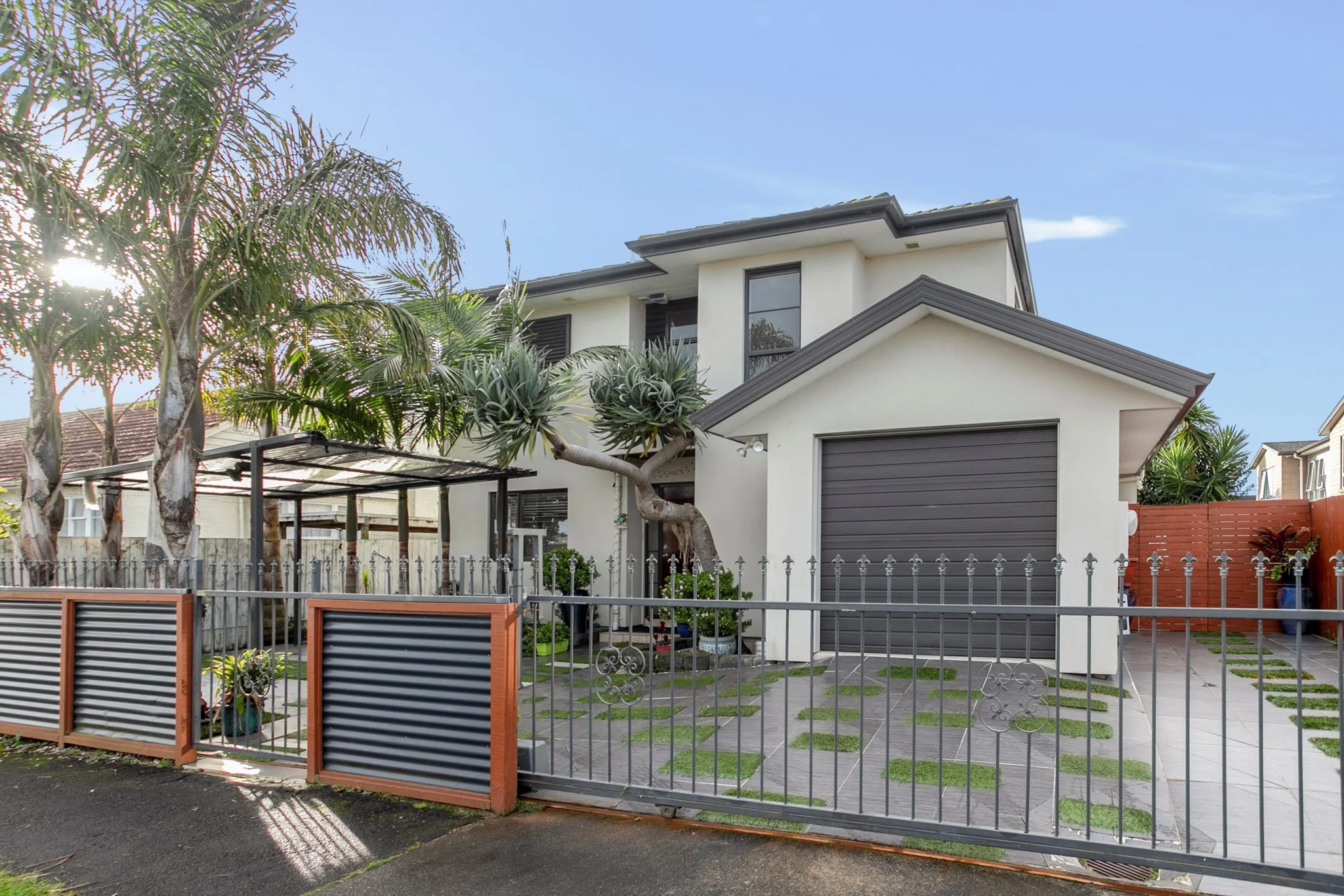
Properties with plaster or monolithic cladding can be risky purchases, but they're not all leaky.


AI summary
Buying a home with monolithic cladding requires caution due to its link to NZ's leaky homes crisis, especially in properties built between 1987-2005. Issues often stem from poor building practices and designs lacking a proper drainage cavity.
Be aware of warning signs like mould, sagging ceilings, or swollen materials. Repair costs can exceed $330,000, and securing finance or insurance can be difficult. Before purchasing, always get a specialised building inspection to assess moisture levels and understand the true risk.
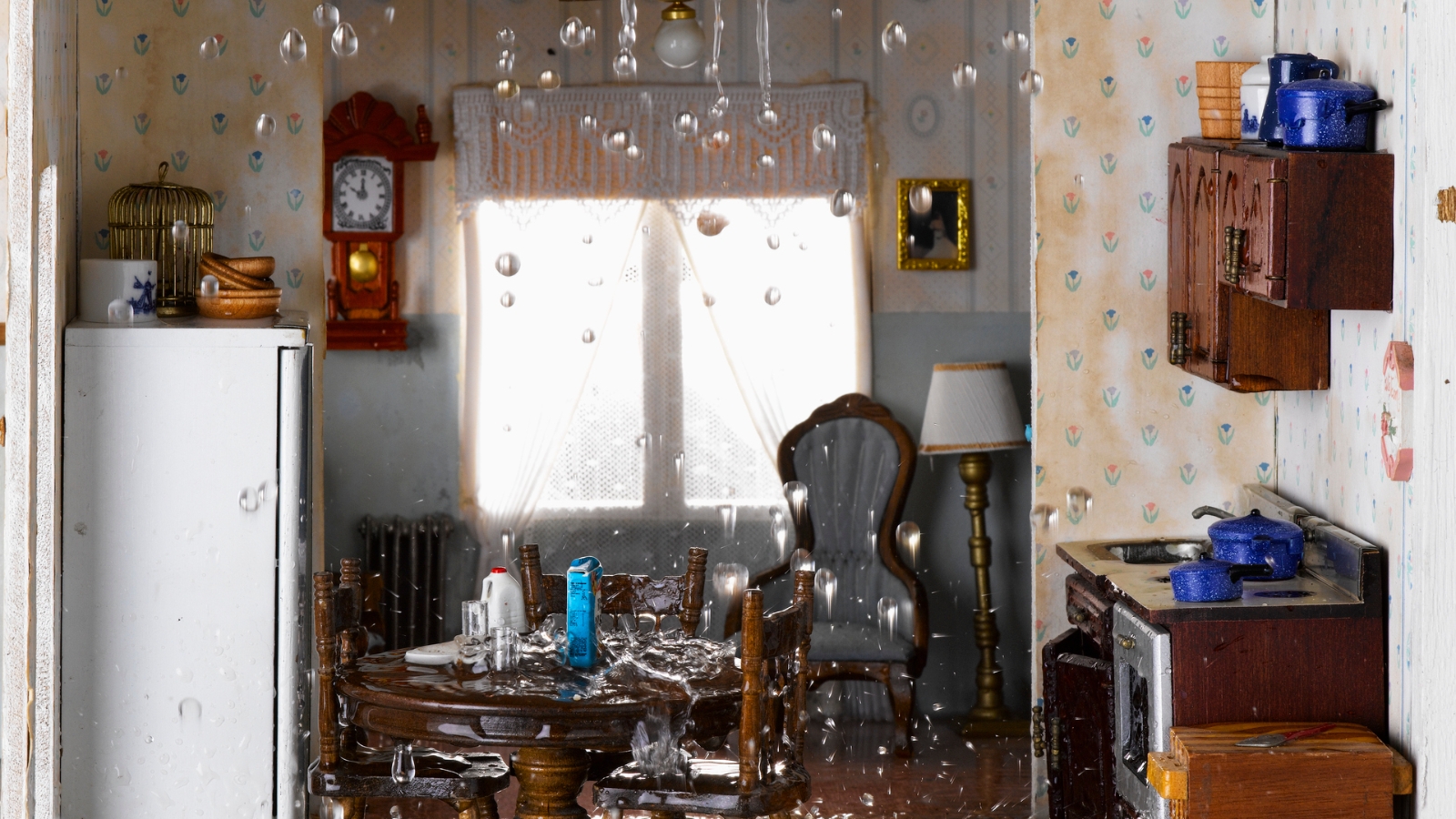
What exactly is a leaky home?
What caused the NZ leaky homes crisis?
Monolithic cladding — the main culprit?

Not all plaster homes leak, but they may be at a higher risk.
How can I spot a leaky home?
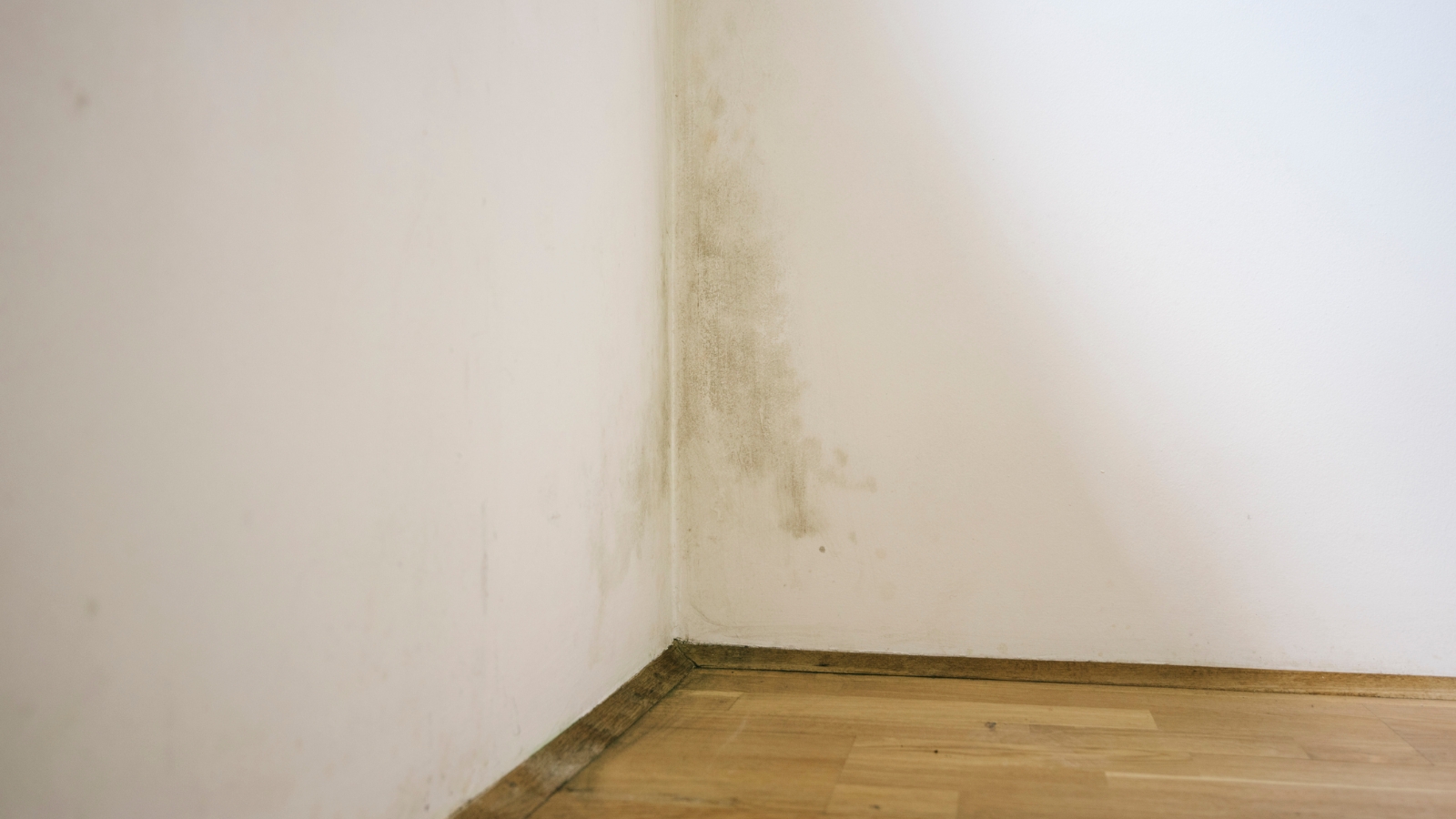
If you keep your eyes open during a property inspection you may be able to spot signs that a home is leaky.
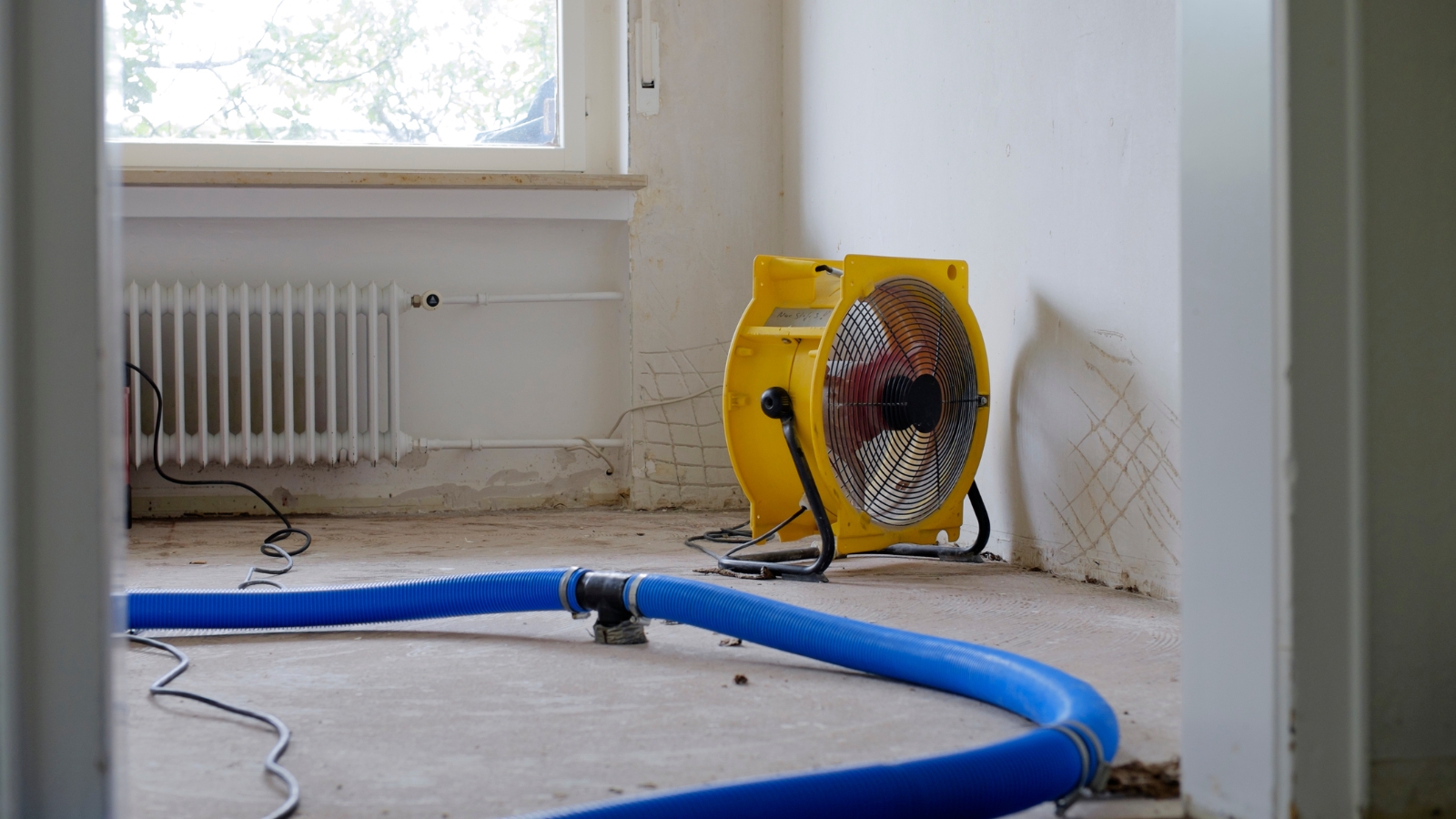
Not all plaster homes are leaky but they should be approached with caution.
The cost of fixing a leaky home
Should I buy a monolithic cladding house?
FAQs — Navigating leaky homes in NZ
Author
Discover More

Interest rate predictions from NZ economists: 2026 & 2027
We don’t have a crystal ball, but we’ve got the next best thing - the opinions of bank economists

WATCH: How The Curve's Sophie Hallwright Bought 2 Properties in 12 Months
The Curve co-founder Sophie Hallwright reveals the exact strategy she used to buy two houses in just 12 months.


Search
Other articles you might like