Buying guide
Should I buy a monolithic cladding house? Understanding NZ leaky homes
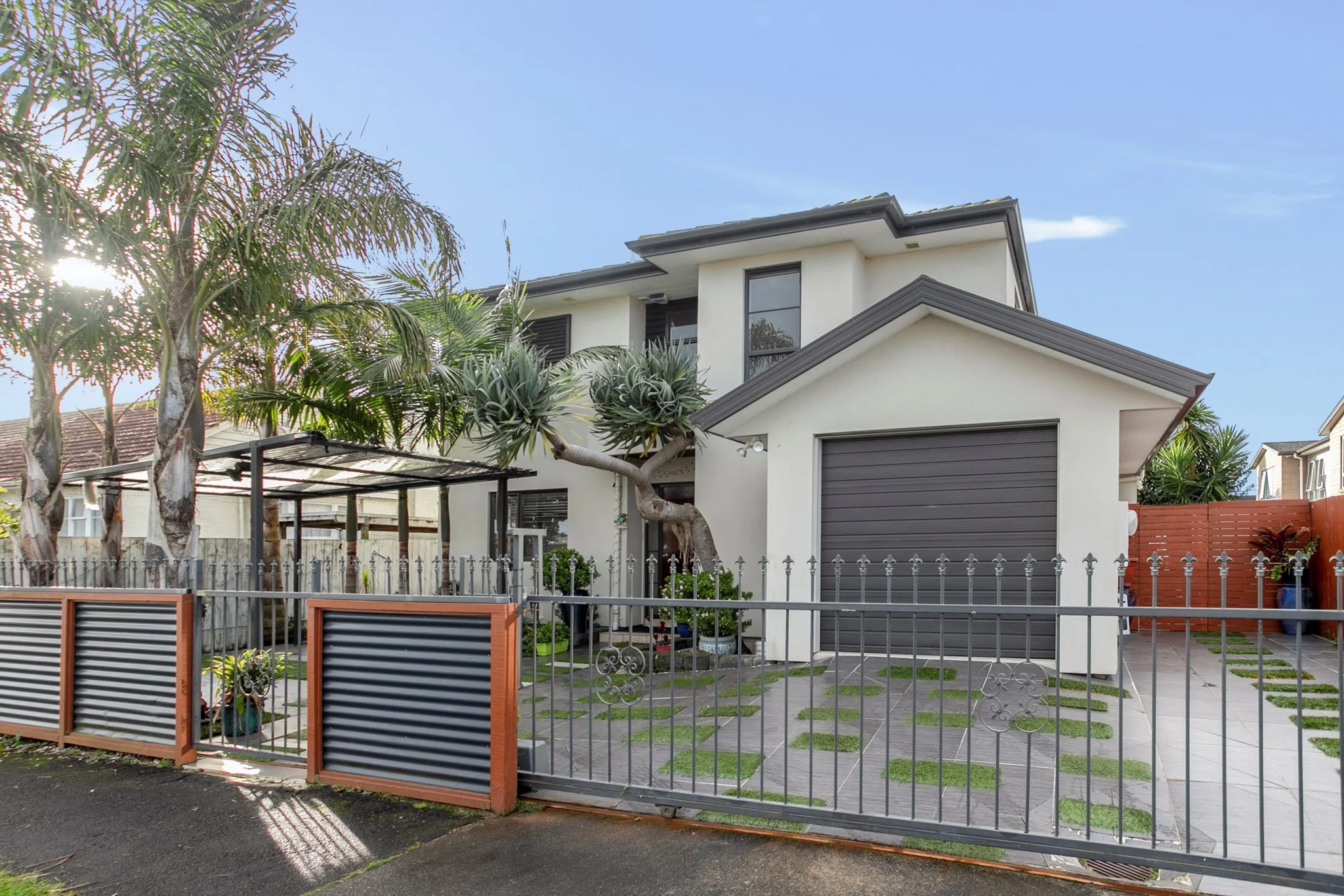
Properties with plaster or monolithic cladding can be risky purchases, but they're not all leaky.


AI summary
Buying a home with monolithic cladding requires caution due to the NZ leaky homes crisis, but not all are problematic. Issues often stem from homes built between 1987-2005 with poor design and no drainage cavity.
Warning signs include:
- Sagging ceilings
- Mould or fungi
- Swollen skirting boards
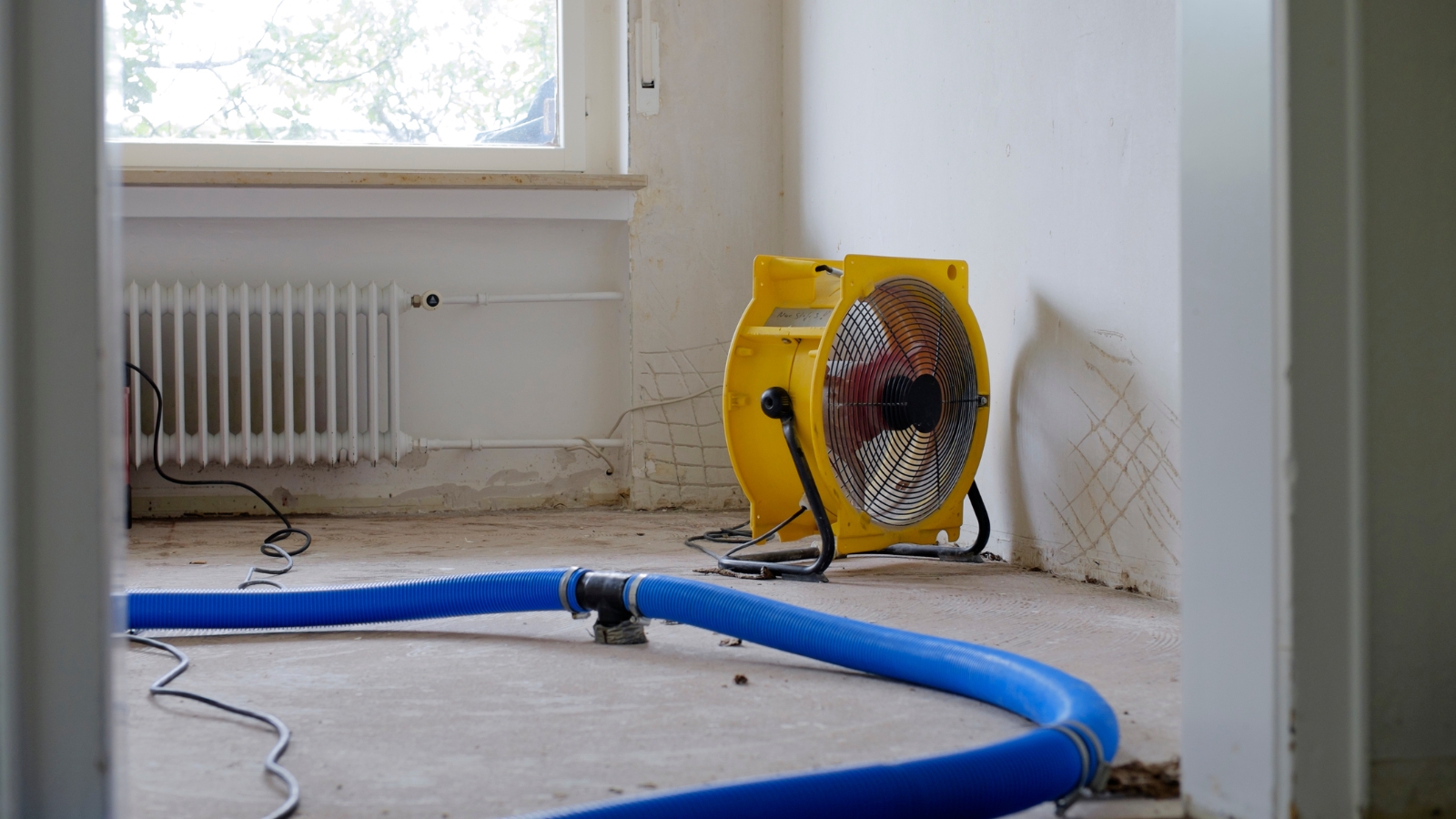
Repairs can exceed $330,000, and securing finance or insurance can be difficult. A specialised building inspection is essential to assess moisture levels and risk before you commit.
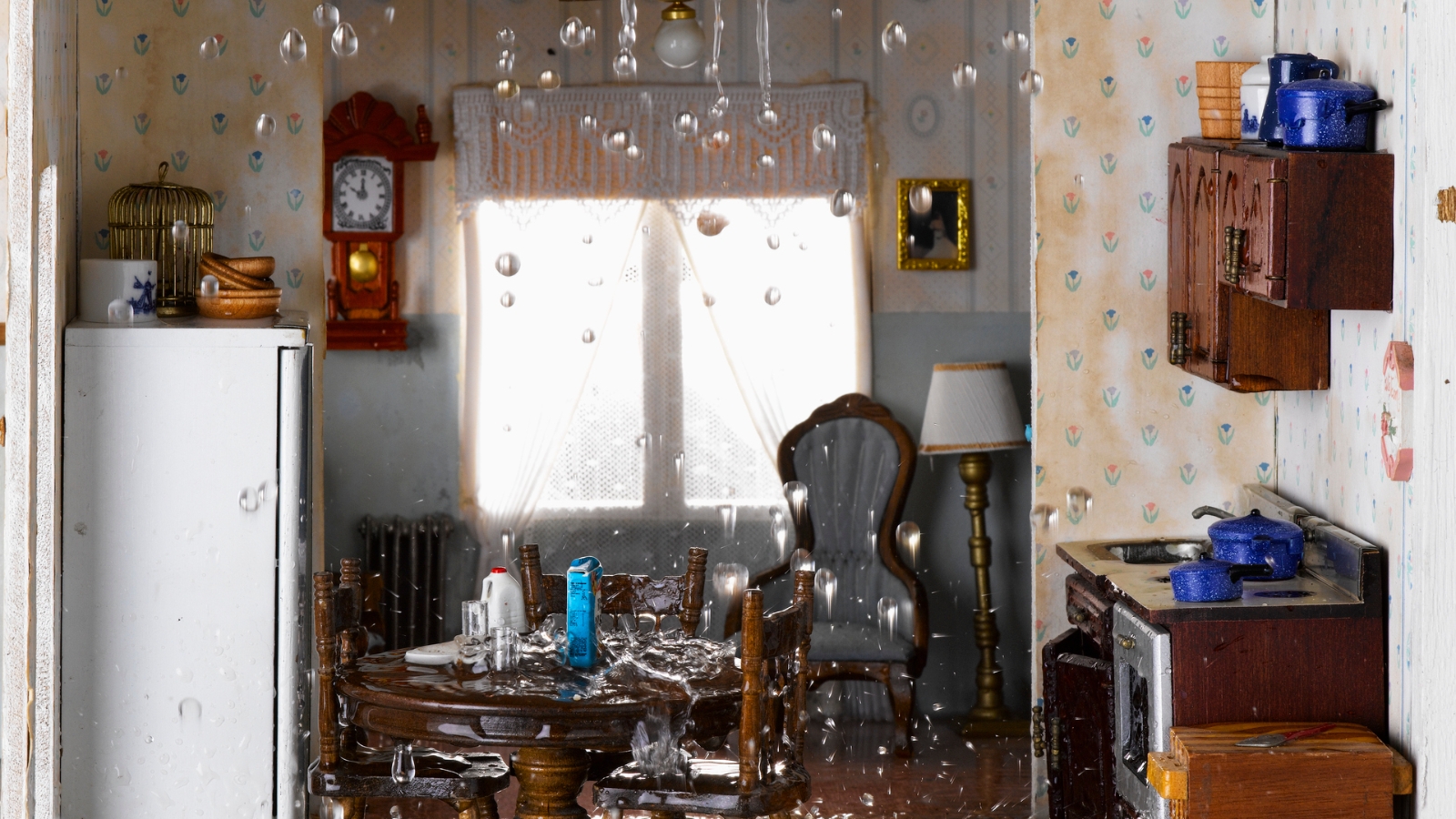
What exactly is a leaky home?
What caused the NZ leaky homes crisis?
Monolithic cladding — the main culprit?

Not all plaster homes leak, but they may be at a higher risk.
How can I spot a leaky home?
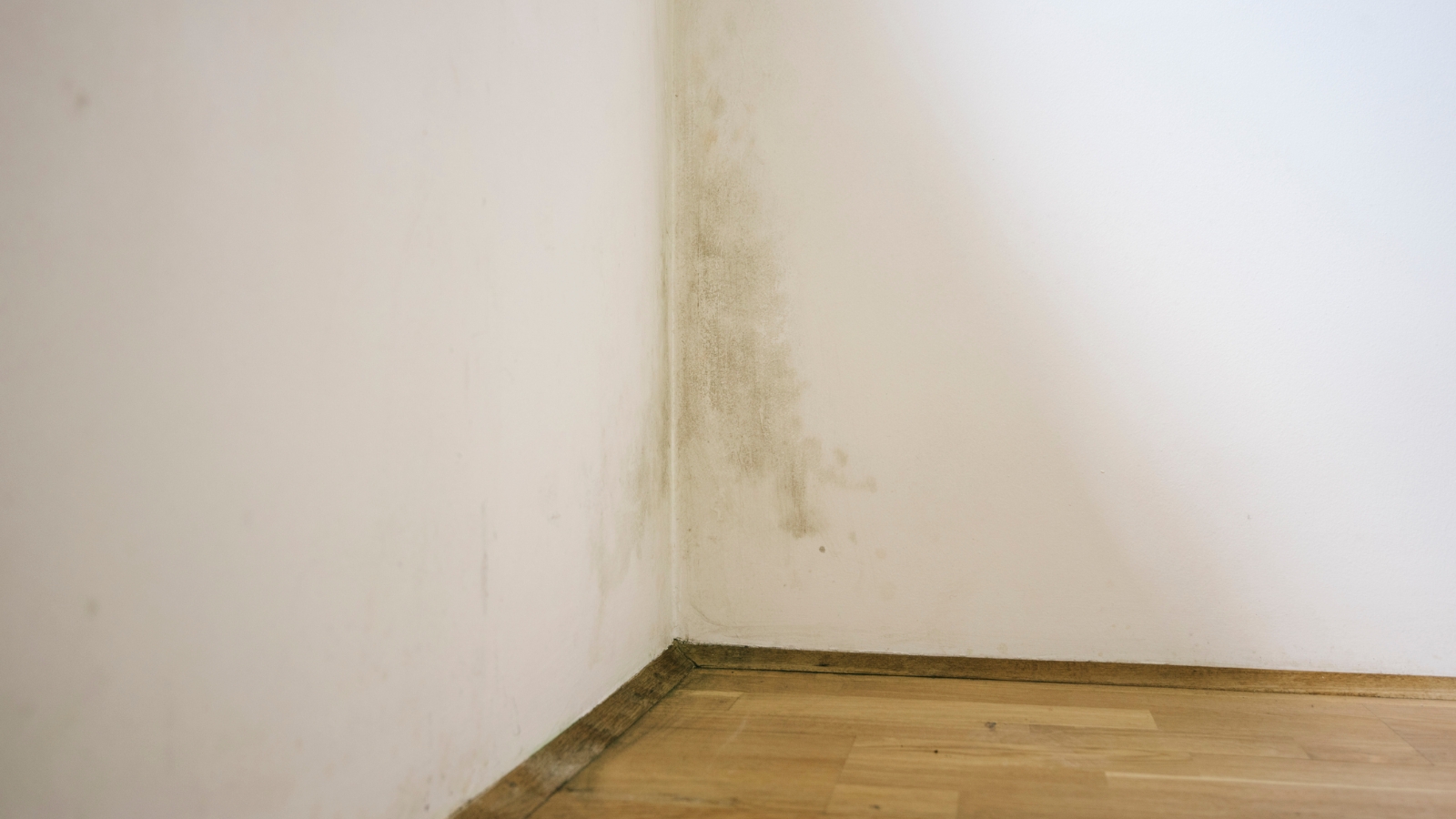
If you keep your eyes open during a property inspection you may be able to spot signs that a home is leaky.
Not all plaster homes are leaky but they should be approached with caution.
The cost of fixing a leaky home
Should I buy a monolithic cladding house?
FAQs — Navigating leaky homes in NZ
Author
Discover More

WATCH: Inside Alice Taylor's Eclectic Countryside Home
One of New Zealand's most-loved content creators built both her following and her home around keeping it real.

56% of buyers are ready to move this winter. Sellers just don't know it.
What the latest data reveals about the gap between buyer intent and seller confidence.


Search
Other articles you might like