Renting Guide
Market rent explained + How to calculate (2026)
Everything landlords and tenants need to know


AI summary
Understanding market rent—what tenants are willing to pay—is crucial for both landlords and tenants to ensure fair pricing and avoid vacancies.
Quickly estimate rent by:
- Using the Homes.co.nz RentEstimate tool
- Getting a professional rental appraisal
- Researching comparable listings on Trade Me Property
Key factors influencing a property's rental value include its location, number of bedrooms, and property type. Setting the right price is a balance between maximizing income and attracting quality tenants.

If you’re renting a home, or if you're a landlord, market rent is a concept you need to understand. You also need to have an idea of how to calculate market rent so you can ensure you’re paying a fair price as a tenant, or setting a reasonable price as a landlord.
What does market rent mean?
In practice, market rent is whatever tenants are willing to pay for your property. You can’t just pick whatever price you want. Prospective tenants may have limited budgets and plenty of options to choose from.
And if there are properties similar to yours that are cheaper, tenants may bypass yours and go for the more affordable option. If you raise the rent too much, current tenants can also ask the Tenancy Tribunal to review and lower it. They may also choose to leave and extended vacancies may follow.
That’s why it’s so important to calculate a fair rent for a property before you start looking for tenants.
In this article you’ll learn:
- What market rent is
- Why it matters
- Quick ways to work it out
- How to work it out yourself, the slow way
- What affects market rent
What is market rent ?
Market rent is whatever tenants are willing to pay for a property. Landlords can’t just set any price they want because prospective tenants usually have limited budgets and plenty of options. Those options and the comparison between them are what we call the market.

The only way to find out your property's market rent with 100% certainty is to rent it out!
Why does market rent in NZ matter?
If one property is priced higher than other similar ones, rational tenants will simply bypass it and go for a more affordable option. If a landlord raises the rent too much, current tenants can ask the Tenancy Tribunal to review it and lower it - or simply give their notice and leave.
That’s why it’s so important that landlords calculate a fair rent for a property before they start looking for tenants. Getting it wrong might make it impossible to find a tenant and increase vacancies - causing a drop in income.
And as a tenant it’s important to understand this so that you don’t end up paying more than you need to. Most tenants understand market rent intuitively when they’re searching for a property, getting an idea of what everything’s worth as they search.
The fastest way to get an idea of market rent
Use Homes.co.nz RentEstimate
Homes.co.nz computer generates a high and low rent estimate for all properties based on public data and comparable rental listings. This is a great starting point when figuring out what fair rent for a property might be
However, because this estimate is algorithmically generated it has limitations. It won’t take into account intangible factors and data that’s not publicly available, like renovations that didn’t require council consent, for example. This means it won’t always be perfect, and should only be used as an indication.
(That said, Homes RentEstimates median error is under 10% in every NZ region except for Queenstown Lakes, Hutt City, Dunedin, and Thames-Coromandel.
Get a rental appraisal
As a landlord the best way to get an idea of market rent is to get a rental appraisal from a real estate agent or property manager. They’ll follow a similar process to the one we’ve described below*, then provide an estimated range that they think your property could rent for (usually $100 or $50 - for example, $700 to $750). They may also show you which properties they compared yours to in order to arrive at their estimate.
Don’t be afraid to get a few rental appraisals to weed out any outliers - and make sure the estimates are accurate.
.jpg)
The best way to check market rent for your property is to look at what similiar properties are going for.
*How to work out market rent - DIY
- Visit trademeproperty.co.nz and click ‘for rent’.
- Input filter details to match your property including region, city, suburb, bedrooms, bathrooms and property type. For example, if you’ve got a two bedroom apartment in Auckland CBD, you should compare it to other two bedroom apartments in Auckland CBD.
- View properties similar to yours - you can do this in either map or list format. Map format makes it easy to view the properties closest to you, while list format is easiest for quickly scanning all the results.
Compare your property to other similar properties to figure out what a fair market rent might be. When comparing, consider everything that tenants may value, including the number of rooms, the age of the home, views, outdoor spaces, garages, and condition.
- Once you’ve compared similar properties, estimate a fair market rent based on your observations. If there are properties the same or similar to yours, you might be able to charge the same amount (this is often the case with apartments or townhouses).
TIP: Generally there’s a range in your area for types and sizes of properties. For example, three apartments in Auckland CBD might go for $900 to $1700 a month - where a property sits in that range will depend on how appealing it is to tenants.
What affects market rent in NZ? Ranked from most important to least
Location
Location affects rent more than any other factor. According to Trade Me, the average weekly rent for properties in Auckland is $660. In Southland, the average weekly rent for properties is only $430.
Prices in suburbs can also differ based on proximity to amenities like beaches, transport, schools, and restaurants. Location affects property value.
Number of bedrooms
Tenants generally care about bedrooms more than any other factor except for location when it comes to paying rent. As a general rule, if all other things are equal - more rooms equal more rent.
Type of property
If all other things are equal you can charge more for a standalone home than you can for a townhouse - and you can charge more for a townhouse than an apartment.
Appeal of the property
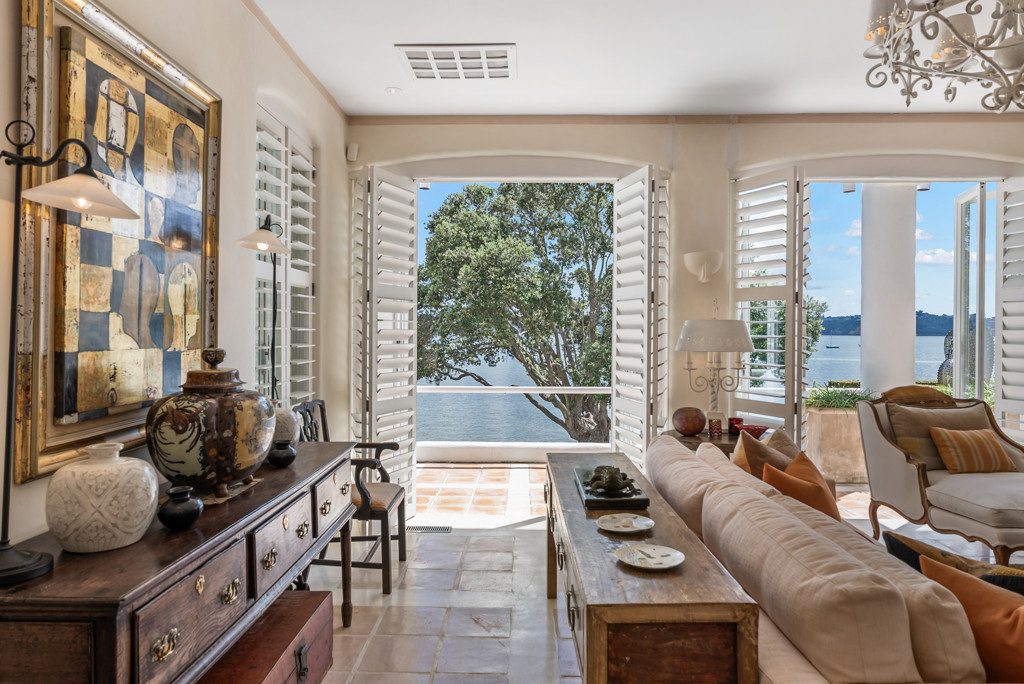
If your home has the x-factor you may be able to charge more rent for it. For example, beautiful architecturally-designed homes, or properties with sea views may command higher rents.

Always do your homework before setting rent.
Other factors that may influence rent
The above factors are the most important to note, but there are more, including:
- Condition of property
- Amenities and feature
- Allowing or not allowing pets
- Number of tenants permitted.
When deciding on your property's value, think logically and compare it to similar properties to determine a fair price. If you are planning on hiring a property manager, they can provide advice around what market rent is for your property.
Final tips for landlords and tenants on market rent
Ultimately market rent is whatever someone will pay. So landlords are free to charge more than what other similar rentals are charging - but tenants are equally free to skip properties in favour of better value listings.
For landlords it’s a balancing act between getting as much rent as possible, and not scaring away good tenants. Overcharging may mean longer vacancy, lower quality tenants, and shorter tenancies, all costs that might negate any extra rent earned.
For tenants, it’s all about doing your homework before applying for a rental. If you understand market rent, and know the rental market in your area you’ll be able to quickly find the best value rentals and avoid the overpriced ones. There’s no reason to overpay if you’ve done your homework.
Author
Discover More
How a $23 million Lotto jackpot influences Kiwi search behavior on Trade Me Property
Trade Me data reveals Kiwi engage in luxury window-shopping when Lotto jackpots

Stunning photos show Otago's best new architecture
Otago’s top new architecture projects include heritage restorations, rammed earth homes and striking modern retreats.


Search
Other articles you might like