Buying guide
Swimming pool renovation guide - Read this before diving in
How much will it cost? How long will it take? And what are my options?


AI summary
Planning a pool renovation? Key signs include cracks, leaks, cloudy water, or high power bills. Options range from simple resurfacing ($5k-$25k) and equipment upgrades to major structural work.
A full renovation can take 6-12 weeks, and council consent is often needed for structural changes or new fencing. To ensure a smooth project, get multiple fixed-price quotes from reputable contractors and confirm all agreements in writing before you begin work.
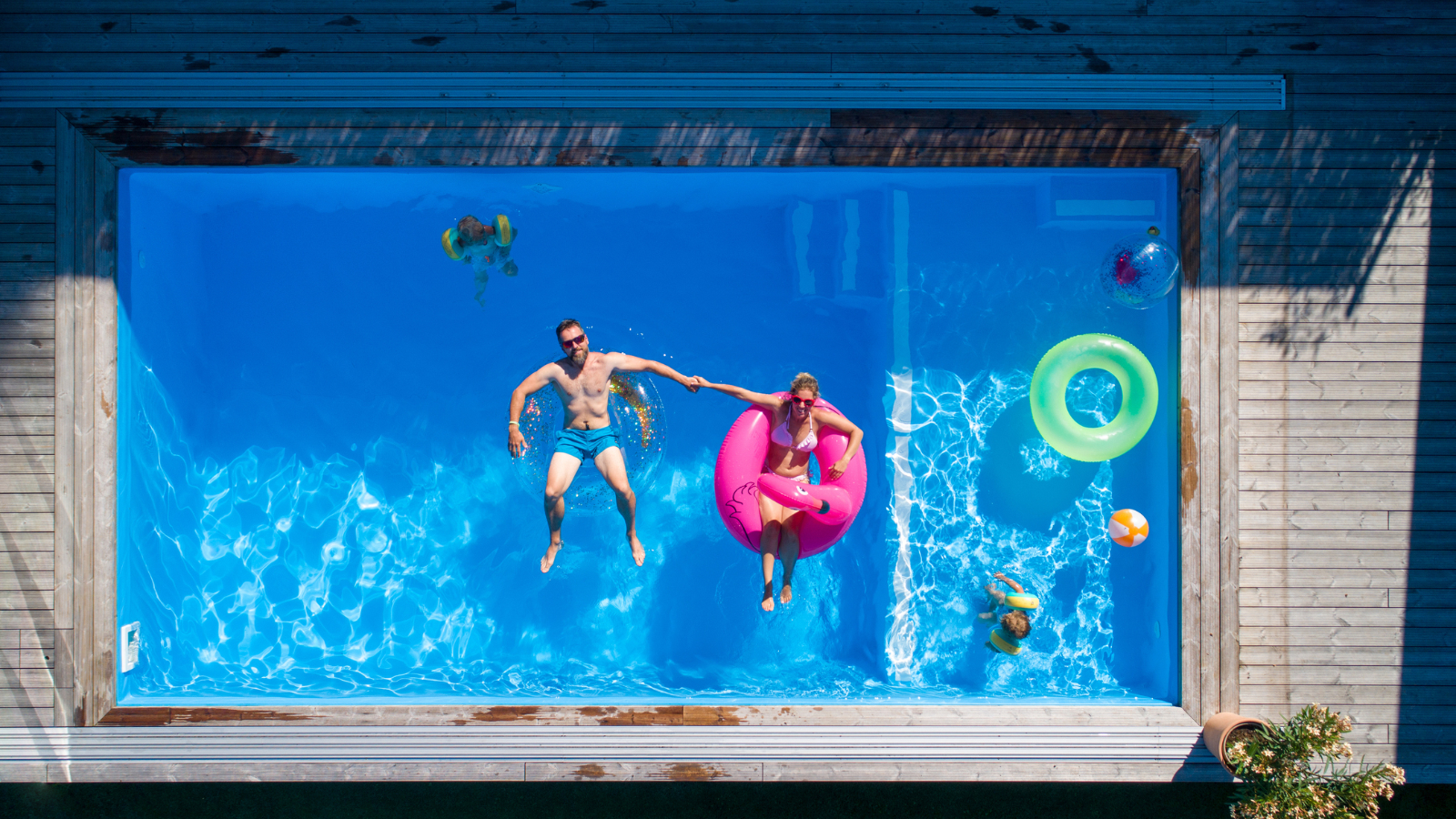
Pop your floaties back in the cupboard for now - if your pool needs a renovation, you need to stay dry and read this guide right away.
Regular maintenance of your pool should help extend its life, but over time, no matter what you do, materials will degrade, tiles will crack, and decks might warp. To help you get your pool renovation right, we’ve put together a guide covering the aquatic essentials.
In this guide we’ll cover:
- Signs your pool needs a renovation.
- Pool maintenance basics.
- Pool renovation options.
- Design inspiration.
- Choosing a contractor.
- Council consent - do you need it?
- How much will my pool renovation cost?
- How long will my pool renovation take?
Signs your pool need a renovation or fix
The clues that your pool needs a renovation or a fix will mainly be visual. Here are a few of the most common things to look out for:
Cloudy water or algae growth: most likely a problem with the filter, or the pool surface may have degraded allowing a foothold for algae growth.
Cracks or lifting tiles: it’ll be obvious if your pool tiles need replacing, as they’ll usually start cracking, or lifting. Concrete pools can be less obvious, but you’ll usually see hairline cracks, or feel a rough texture underfoot. All of this can indicate ground movement, or structural problems and should be investigated.
Leaking: if cracks or lifting tiles are left, they can sometimes result in a leak. If your pool is leaking the water level will drop quicker than usual, and wet patches may appear around the pool.
High power bills: if your pool filtration, pump, heating, and/or cleaning system is old and tired it might lead to scarily high power bills. If this equipment is old or broken, it should be replaced.
Safety problems: pool safety laws exist for a very good reason. If your pool was a DIY job, or if it’s more than 10 years old it might need an update to make sure it’s compliant. Signs it doesn't include fences under 1.2 metres (or fences with large gaps), climbable objects like trees within 1.2m of the fence, and gate latches that don’t automatically close.
It’s a good idea to write down a list of everything you’ve noticed to make sure you get detailed quotes when the pool pros come around to have a look.

Pools can be a lot of fun - but they're not cheap and they require maintenance.
Pool maintenance basics
If your pool is having problems there’s a chance it just needs clean and regular maintenance. Luckily this job is simple - all you need to do is regularly clean, test the water, and use the right chemicals.
Cleaning involves scooping out leaves and debris every few days, giving the pool a quick brush, and vacuuming every week or two. Cleaning filters monthly may also help. It’s a good idea to test the water every 6 weeks or so, then use the right amount of chlorine on a regular basis to make sure it stays clean. If you’re using your pool frequently, or it's autumn and leaves are dropping, you might need to clean more often.
Check out Mitre 10's guide to pool maintenance.
If you have a salt water pool, the process is a little different - You’ll need to monitor your pool’s PH levels, alkalinity, and calcium hardness, add acid regularly, inspect and clean the salt cell 4-5 times a year, and troubleshoot if algae appears.
Cleaning and maintenance is easy to DIY - for more major fixes, or problems you can’t solve, it’s worth calling an expert.
Check out Dolphin Pacfic's guide to saltwater pool maintenance
Pool renovation options
If a pool renovation is the way forward, here are a few of the main things you can do:
Changing the shape of the pool.
Replacing pool tiles.
Resurfacing the pool.
Replacing or repairing decking or tiling around the pool.
Landscaping, hardscaping, and planting around the pool.
Adding shading - including over the pool, and poolside.
Diving boards, water slides and other fun features.
Updating safety features like fencing.
Updating or fixing lighting.
Updating or fixing pool filtration, heating, circulation, and cleaning systems.
A full renovation might involve a bit of everything, but obviously the more you do the more it’ll cost. For example, changing the shape of the pool might involve serious structural work requiring council consent and could cost almost as much as a new pool. For most people, choosing a few key elements can make a huge difference without breaking the bank.
Pool design inspiration
Just like any renovation, when you’re fixing up your pool it’s a great idea to look at other pools for inspiration
Pinterest - possibly the best source of design inspo on the internet.
This Houzz NZ page on pool design ideas.
A quick Google search - like this one.
A look at the past work of local pool builders.
If nothing else, this inspo will give you an idea of what you like and what you don’t like - making it much easier to decide what work needs to be done.
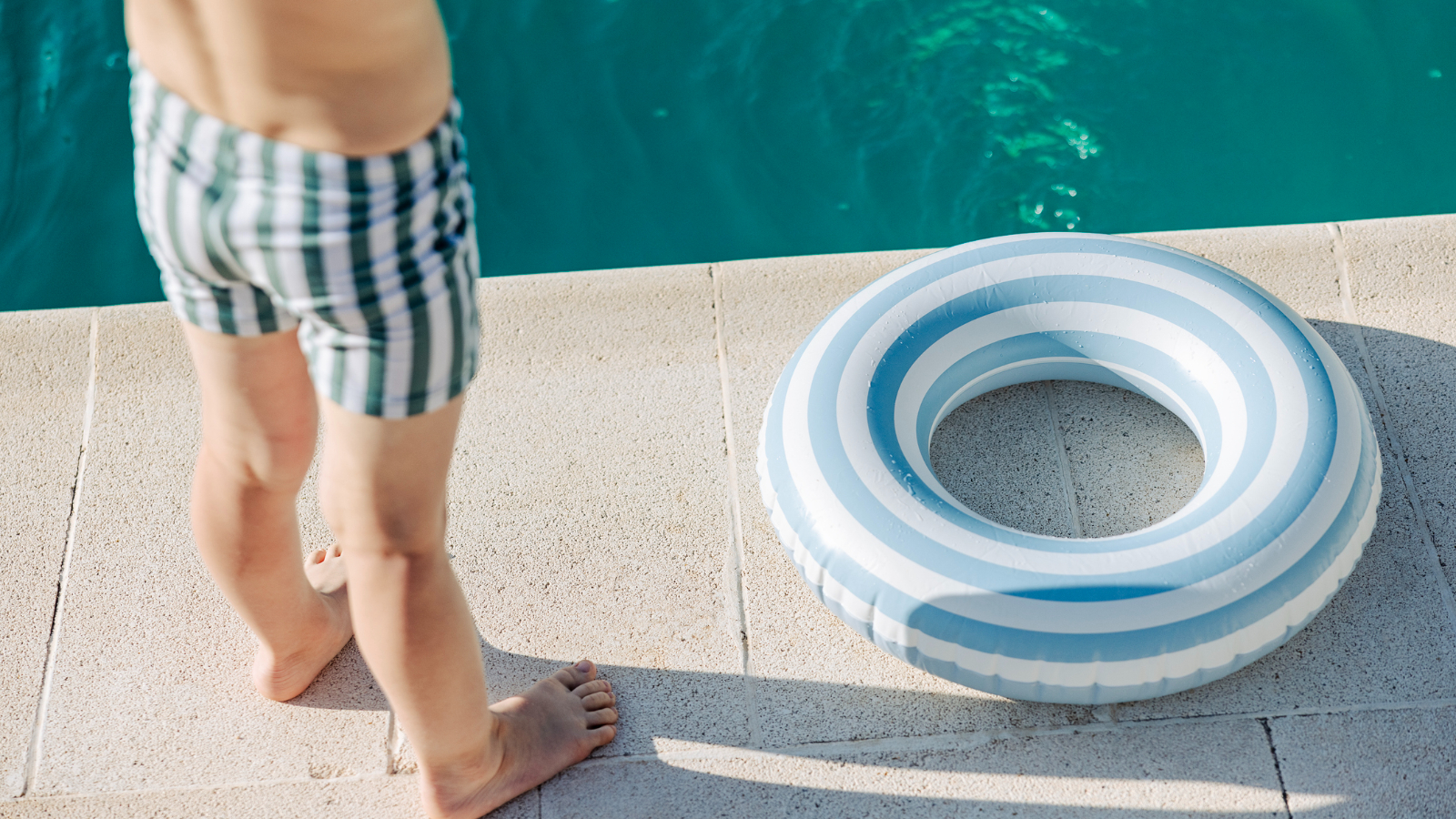
A good pool renovation takes in much more than the pool - everything around it should be considered too.
Choosing a contractor
The success or failure of your pool renovation depends on you choosing a quality contractor or pool building company to do the job. You want to find someone you know will do high quality, compliant work, and charge you a fair price - but how do you choose
Look at online reviews. If a pool builder has any poor reviews avoid them completely.
Test their communication. Look for someone who replies to enquiries quickly, in a professional manner, and answers all your questions.
Check out their past work, and make sure they’ve got experience fixing or renovating similar pools to yours.
Go for someone who’s been in business for several years and has a good reputation.
Make early enquiries about timelines to make sure they have capacity to fit you in.
When choosing a contractor, speak to at least three options and get fixed price quotes from each of them.
Council consent - do you need it?
No building consent needed
Minor repairs, like replacing existing equipment with similar models, or retiling/resurfacing.
Landscaping around your pool (in most cases).
Building consent needed
Major structural work.
Modifications to drainage, plumbing, or electrical systems.
New safety features often require consent.
Building a new fence, or significantly changing your existing one.
Resource consent needed
Pool impacts boundaries, or storm water systems.
Auckland based pool company, Royal Glass has an excellent consent checklist if you’d like more information. However, the best thing to do is ask the contractor you hire whether council consent is necessary - most pool companies will be able to handle the process for you.
How much will my pool renovation cost?
Your pool renovation could cost anything from a few hundred dollars to tens of thousands - this obviously depends on the size and depth of your pool and the extent of the changes you make. The type of materials you use, and the nature of the work will also play a part.
Here’s a rough breakdown of costs according to the Tool Belt NZ:
Resurfacing $5,000 to $25,000
Fibreglass and vinyl liner replacements are usually cheapest, while concrete resurfacing can be very expensive.
Minor repairs $500 to $5,000
Fixing tiles, regrouting, repainting, and sorting cosmetic issues tend to be cheap-ish and they’re best handled early before they become bigger problems.
Pool equipment and systems upgrades $3,000 to $15,000
Upgrading heating, filtration, pumps, and other pool systems can quickly become very expensive, but it may lead to lower energy bills long term.
Structural work $25,000 to $100,000
If you’re replacing plumbing, changing the pool’s shape, or otherwise making structural changes, expect to spend a lot.
Pools require a little ongoing work to keep them crystal clear.
Hot tips for locking down costs
Hot tip 1: Ask for fixed price quotes - not estimates.
An estimate is an educated guess and if the job takes longer than expected you’ll pay more. Fixed price quotes are fixed; meaning you’ll know the cost before you sign on the dotted line. Make sure your quote is as detailed as possible and be very clear on what’s included (and what is not).
Hot tip 2: Get all agreements in writing or sign a contract
Everything that you agree on with your pool builder or renovation contractor should be agreed on in writing - texts or emails are fine. That means timelines, costs, what the contractor will do, and what’s required of you. If the job is worth more than a few thousand dollars (and definitely if it’s over $30,000) it may be a good idea to prepare a contract for the work, both sign, and have your lawyer check it over.
How long will my pool renovation take?
A full pool renovation will usually take 6-12 weeks. Small jobs like resurfacing or adding a few new features can be completed in 1-7 days
Here’s a guideline from Barrier Reef Pools:
1-8 weeks pool design and council consent.
1 week for excavation.
1-2 weeks for routing the electrical and plumbing.
1-3 weeks for plastering.
1-4 weeks for adding custom features like decking.
To make sure your pool reno is as quick as possible, do it outside of busy times in spring and summer, agree on a timeline in advance with your contractor, and apply for council consents right away.
Author




Search
Other articles you might like