Buying guide
Villa renovation guide: Update yours without losing its charm
Modern luxury + Character = Gold


AI summary
Renovating a villa requires careful planning to blend modern updates with classic charm. Start with thorough due diligence before buying and engage an experienced architect early in the process.
To manage your budget, get detailed fixed price quotes and secure a 15% to 20% contingency fund for unexpected issues. Prioritise hiring a builder with specific villa experience, check for any heritage protections, and don't neglect "invisible" upgrades like wiring, insulation, and plumbing for long-term value.

A good villa renovation can preserve the character of an older property, while updating quirks and limitations to create a truly special home. The tricky part is that there are often unexpected costs, heritage controls, and other challenges that make villa renos challenging.
To make sure your reno goes smoothly, check out these 9 villa renovation tips from the experts.
1. Buy carefully
When you find the right villa it’s essential to do thorough due diligence and find out as much as possible about the property before committing. This will save you from any nasty surprises or budget blowouts down the track.
A building report should be the bare minimum, and it’s not a bad idea to get a plumber and electrician in to check everything either. If the building report identifies significant issues, you can ask the vendor if you can get quotes for fixes during the due diligence period - that way you can be certain of these costs before committing. You could even ask for a reduction in the price if you find anything unexpected.
While it’s not the norm, there’s no reason why you can’t get quotes for all the work as part of your due diligence too. Talk to a lawyer and the real estate agent about what conditions to include in your offer to make this possible.
2. Work with an interior architect or architect
The success of your villa renovation depends on the quality of your design, so it’s a good idea to engage an interior architect or designer early on. Go for someone who’s got lots of experience working on similar properties to yours, with past projects that suit your tastes. Sorting a very detailed design, figuring out any layout changes, and picking fixtures and finishes early will help ensure you can stick to your budget.
Check out a list of the best interior designers in Auckland.
3. Get at least three super-detailed fixed price quotes
When you renovate an older home costs can unexpectedly balloon when you start a project. That’s because nothing is standard or straight in these old buildings, and often you’ll discover stuff behind floor boards, ceilings, and walls.
The trick to avoiding these cost blowouts and surprises is to:
Do your due diligence in great detail (see tip 1).
Share your due diligence findings with your renovation team.
Specifically request fixed price quotes, not estimates.
Estimates are an educated guess on a price, whereas fixed price quotes are a promise to do a clearly defined scope of work for an agreed amount. To get a good fixed price quote you’ll need to provide a lot of detail to your renovation team, and they’ll need to spend some time at the property scoping everything out.
You’ll also need your designs sorted - preferably by an architect, or interior architect. The more detail you can provide at this stage of the process, the more likely you are to stick to your budget and avoid cost escalations.

Auckland's central western suburbs are full of villas, from Ponsonby to Avondale.
4. Sort your finance early
Unless you’re paying for your renos with cash (go you), talk to your lender or mortgage broker a month or so in advance of starting your project. They should be able to provide an indication of how much lending you will be able to access to renovate, and what conditions will apply.
Once you’ve got an indication you can use this as your rough budget. In most cases, you’ll then need to get a detailed fixed price building contract from your renovation team to get formal approval from your bank. Once you’ve got that and ticked all the other boxes, your lender will start increasing your lending - usually in pre-determined stages as the reno progresses.
5. Keep a 15% to 20% contingency fund
Even if you do everything right, budgets can be blown during villa renovations (and they often are). The worst case scenario here is that you run out of money half way through and can’t finish the project, leaving you with a house that may be unlivable or unsaleable.
To avoid this keep 15% to 20% of your total renovation budget aside and don’t tell your builder or project manager about it. If you’re lucky you won’t need it, but if you do it could save you significant stress.
6. Choose a builder with specific experience
Always go for a builder who has experience renovating older homes and villas. When choosing, look at past projects, testimonials and online reviews. Give the company name and director a Google,and a search via the companies office.
Check out our list of the best villa renovation builders in Auckland
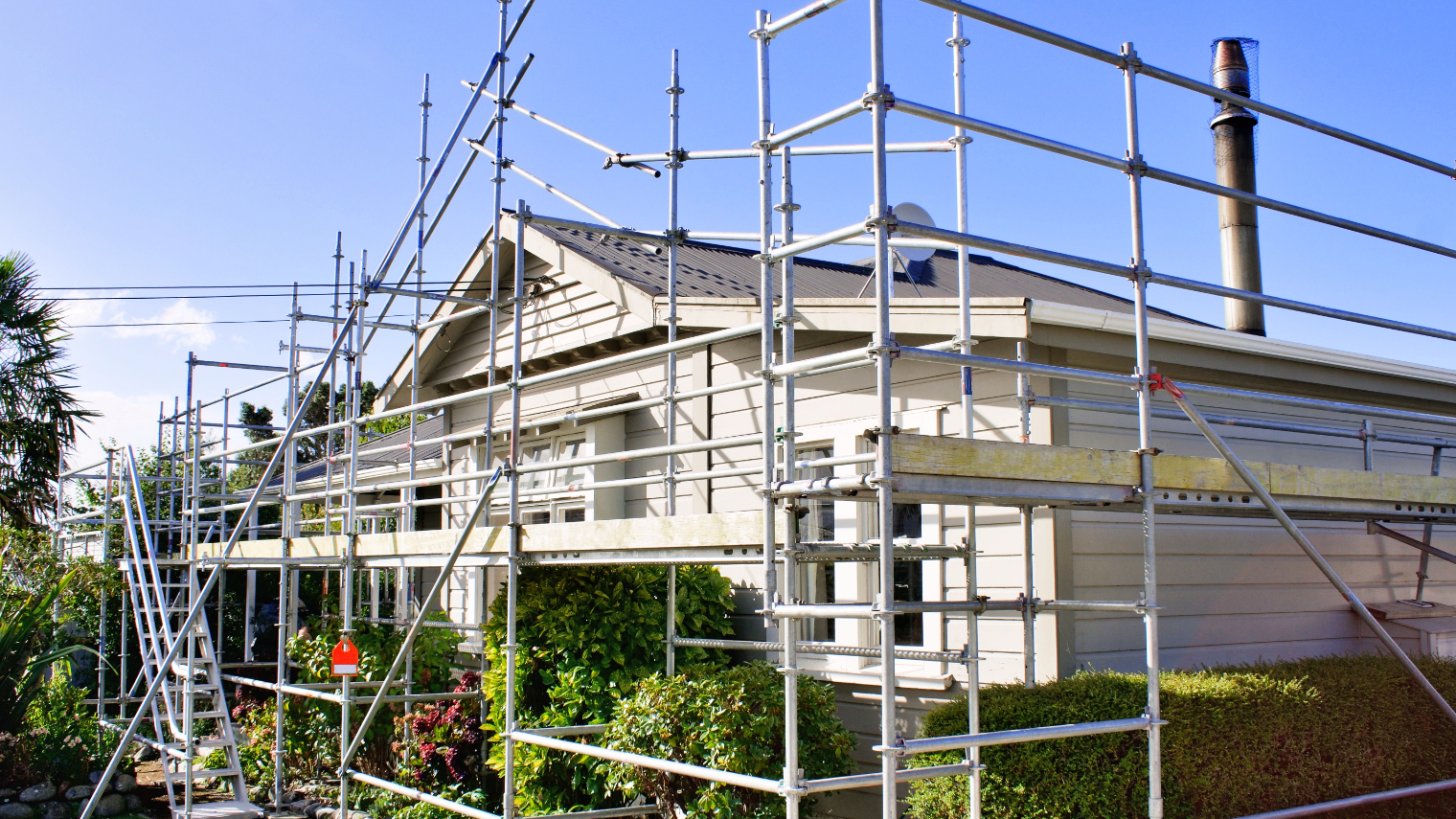
If your villa needs structural work, it doesn't come cheap.
7. Get consents and permits early + Check heritage requirements
If you’re making major, or structural changes to your home you’ll most likely need building consent. Some older villas and bungalows also have heritage protections, which limit the changes you can make during renovations.
When you first meet builders, speak to them all about council consent and heritage protections. They should handle most of the process, and ensure your changes stay within any heritage overlays that may exist.
8. Don’t skimp on the invisible stuff
It can be tempting to focus on the stuff you can see when you renovate an old villa - painting walls, a slick new kitchen, fancy tiles in the bathroom, or maybe new or refreshed timber flooring. But the stuff you can’t see is just as important.
A renovation is the perfect time to fix the invisible problems that old buildings like villas often have. For example, you could add insulation, redo old wiring, fix foundations, inspect and repair plumbing, retrofit double glazing, repaint or refresh your roof, and upgrade or repair boring stuff like moisture barriers, guttering, and drainage.
Doing this non-glamorous work will reduce maintenance costs long term, increase the life of your villa, and ultimately make it a more liveable home.
9. Sort a place to live (for longer than you think neccesary).
Villa renovations can be complex, with long timelines. They can also involve removal and replacement of flooring, ceilings, roofing, bathrooms, kitchens, and other bits that make a house livable.
Our advice? Don’t live in your villa while it’s being renovated if you can help it (especially if it’s a major reno). Living on a construction site every day can become stressful and all-consuming, with plenty of noise, dust, interruption, and general chaos. Instead, look for a short term rental that you can temporarily move to during your reno, or move in with relatives or friends if possible.
The best place to look for a new rental is Trade Me Property - start your search here.
Author
Discover More
How a $23 million Lotto jackpot influences Kiwi search behavior on Trade Me Property
Trade Me data reveals Kiwi engage in luxury window-shopping when Lotto jackpots

Stunning photos show Otago's best new architecture
Otago’s top new architecture projects include heritage restorations, rammed earth homes and striking modern retreats.


Search
Other articles you might like