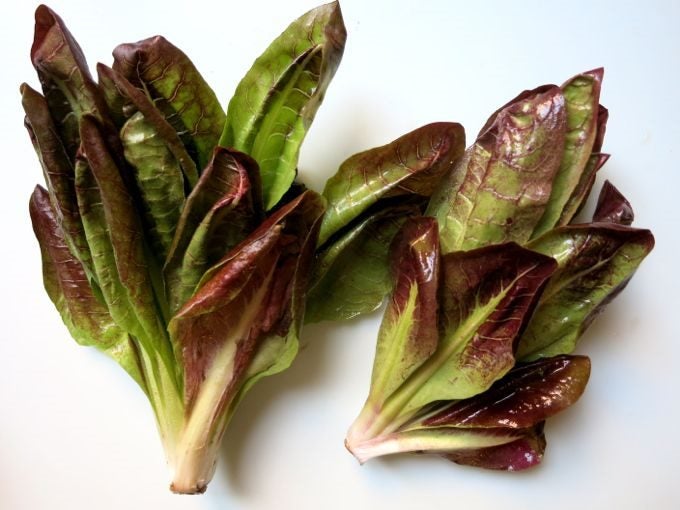

Description
Radicchio has been around for quite some time: Pliny mentions the marvelous red-veined lettuce; he says it was the Egyptians who bred radicchio from its more wild ancestor, chicory. In the Middle Ages it was especially popular among monks, who welcomed anything that would add zest and flavor to the simple, predominately vegetarian diets proscribed by their orders. Not that the plant was limited to monastic kitchens; it also figured prominently on the tables of nobles, both cooked and raw: In 1537 Pietro Aretino advised a friend who had a garden to plant it, saying he much preferred it to "aroma-free lettuce and endive." While tasty, this radicchio isn't the radicchio rosso we know today: the modern radicchio with its rich wine-red white-ribbed leaves was developed in the 1860s by Francesco Van Den Borre, a Belgian agronomist who applied the techniques used to whiten Belgian endive to the plants grown around Treviso. The process, which is called imbianchimento, is quite involved: the plants are harvested in late fall, their outer leaves are timmed and discarded, they're packed into wire mesh baskets, and they're stood for several days in darkened sheds with their roots bathed in steadily circulating springwater that emerges from the ground at a temperature of about 15 C (60F). As they bathe the leaves of the hearts of the radicchio plants take on the pronounced wine-red color that distinguishes them (the deeper the red the more pleasingly bitter the plant). At this point the farmer unties the bunches, strips away the outer leaves and, trims the root (the tender part that's just below ground level is tasty), and sends the radicchio to the market. Radicchio, like almost everything else in Italy,in the markets in late November and remaining throughout the winter; it's tastiest after the frosts begin. Radicchio's bitterness is due to intybin, which stimulates the appetite and digestive system, and acts as a tonic for the blood and liver.
Details
Shipping & pick-up options
| Destination & description | Price | |
|---|---|---|
| Combine with another item you've paid shipping on | $0.00 | |
| Nationwide 16-17 days, Economy | $7.80 | |
| Nationwide 16-17 days, Economy, Signature | $10.80 | |
| Nationwide 18-21 days, Rural Economy | $13.30 | |
| Nationwide 18-21 days, Rural Economy, Signature | $16.30 | |
| Shipping more than one item | No extra charge | |
| Pick-up available from Huntly, Waikato | Free | |
Estimated delivery times in business days
Payment Options
Pay instantly by card, Ping balance or saved bank account.
Four fortnightly interest-free payments.
Cash
Questions & Answers
RADICCHIO red-veined lettuce 20 seeds
Am I covered by Buyer Protection?
When you make a purchase using Card, Direct Debit, Ping balance or Afterpay we are able to protect your trade under our Buyer Protection policy, up to $2,500.
Learn more about Trade Me's Buyer Protection.