Careers advice
How to become a vet nurse in NZ: Everything you need to know
Find out what qualifications, clinical placement hours, and registration steps you need to become a vet nurse in NZ.
Last updated: 26 August 2026

To become a qualified veterinary nurse in New Zealand, you need to complete an NZQA-approved Level 5 certificate or Level 6 diploma in veterinary nursing, which includes at least 750 hours of practical clinical placement.
If you love animals and want a hands-on medical role where no two days are the same, becoming a veterinary nurse is one of the most rewarding career choices in Aotearoa. You're not just giving cuddles to puppies and kittens – you're assisting with emergency surgeries, monitoring general anaesthesia, performing diagnostic tests, and guiding pet owners through tough medical decisions.
In this guide, we'll walk you through the qualifications you need, where you can study across the country, what you can expect to earn, and how to land your first clinic job.
What qualifications do you need to become a vet nurse in NZ?
To work as a qualified veterinary nurse in New Zealand, the industry benchmark is the New Zealand Diploma in Veterinary Nursing (Level 6). While registration isn't legally mandatory under NZ law, most clinical employers expect you to hold a recognised Level 5 certificate or Level 6 diploma before you step into a nursing role.
New Zealand Certificate in Animal Technology (Level 5)
This one-year full-time programme is the foundational entry point into clinical animal care. It focuses on veterinary nursing assistant skills, animal handling, hygiene protocols, first aid, and basic clinic procedures. It's ideal if you want to get your foot in the door quickly or prepare for higher-level diploma study.
New Zealand Diploma in Veterinary Nursing (Level 6)
This two-year full-time programme (240 credits) is the standard qualification required for professional practice and registration. You'll study surgical nursing, pharmacology, diagnostic imaging, medical nursing, anaesthesia, and pathology. Crucially, it requires a minimum of 750 hours of supervised work placement in real veterinary clinics, giving you the real-world experience employers demand.
Bachelor of Veterinary Nursing or Technology (Level 7)
If you want to advance into research, university teaching hospitals, or specialist referral care, a three-year degree is an option. You can enrol directly or use a Level 6 diploma as a pathway to complete a third-year top-up degree at select institutes.

Entry prerequisites and high school subjects
To get accepted into a Level 5 or Level 6 vet nursing course, tertiary providers typically look for NCEA Level 2 or higher. You'll generally need at least 12 credits in Level 2 English, 12 credits in Level 1 Maths, and 12 credits in Level 1 Science (preferably Biology). Most providers also require a health declaration and a criminal history check to make sure you're fit for clinical practice.
Where can you study veterinary nursing in Aotearoa?
You don't need to move to a main centre to train as a vet nurse – tertiary providers across New Zealand offer NZQA-approved veterinary nursing courses, combining classroom theory with local clinic placements.
Upper North Island: Unitec in Auckland offers the Level 6 diploma on campus, while Vet Nurse Plus provides specialist private training in animal care.
Waikato and Bay of Plenty: Wintec in Hamilton features purpose-built companion animal facilities, and Toi Ohomai Institute of Technology delivers hands-on clinical training across the Bay of Plenty.
Wellington and Central North Island: Whitireia and WelTec offer diploma options at their Petone campus, while Massey University in Palmerston North provides veterinary technology degree options alongside its world-class veterinary teaching hospital.
South Island: Otago Polytechnic in Dunedin offers both diploma and bachelor-level pathways, while the Southern Institute of Technology in Invercargill offers veterinary nursing under its Zero Fees scheme for eligible domestic students.
Distance and flexible study: If you're balancing work or family commitments, Open Polytechnic offers online theory components paired with approved local clinic placements near your home.
What does a vet nurse do day-to-day?
A vet nurse combines medical care, surgical assistance, laboratory diagnostics, and client communication into a fast-paced daily routine. You'll work closely alongside veterinarians to keep patients safe and comfortable throughout their treatment.
Here are the core tasks you'll tackle on a typical shift:
Preparing surgical theatres, sterilising medical equipment, and prepping animal patients for surgery.
Monitoring general anaesthesia, vital signs, and intravenous fluid therapy during operations and recovery.
Taking diagnostic X-rays, collecting blood or urine samples, and running in-house laboratory tests.
Administering prescribed oral and injectable medications, vaccinations, and fluid therapy under veterinary supervision.
Running nurse-led clinics to advise pet owners on nutrition, weight management, dental care, and flea or worm treatments.
Managing clinic admissions, maintaining accurate patient medical records, and handling emergency triage when distressed pets arrive.
How much do vet nurses earn in New Zealand?
Pay rates for vet nurses in Aotearoa reflect your qualification level, clinical experience, and specialised skills. As you gain expertise and take on clinic management or surgical responsibilities, your earning potential increases.
Trainee and assistant vet nurses: Entry-level roles or veterinary nursing assistants holding a Level 5 certificate typically start between $50,000 and $55,000 per year.
Qualified and Registered Vet Nurses (RVNs): Experienced nurses with a Level 6 Diploma generally earn between $60,000 and $75,000 per year, depending on clinic location and emergency call-out rosters.
Senior nurses and specialists: Head nurses, clinic supervisors, practice managers, or surgical specialists at university referral hospitals (such as Massey Vets) can earn $75,000 to $85,000+ per year.
If you're exploring pay trends across different regions and hands-on sectors, check out our salary guide to compare animal care income expectations.
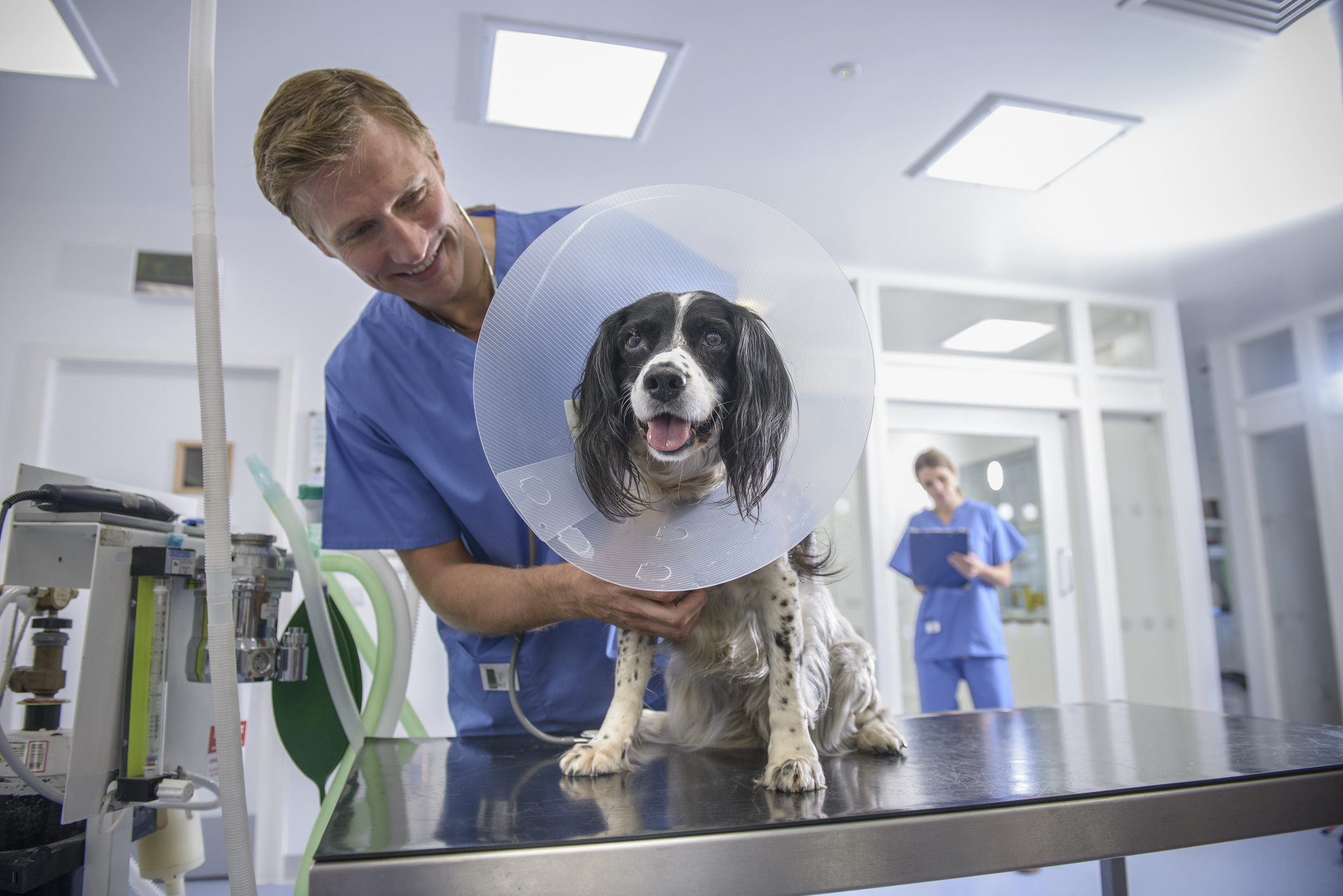
How do you become a Registered Veterinary Nurse (RVN)?
While registration isn't mandatory under New Zealand law, becoming a Registered Veterinary Nurse (RVN) is the recognised mark of professional excellence across the industry. Registration proves to employers and clients that you meet rigorous national standards and keep your clinical skills up to date.
Registration in New Zealand is managed by the Allied Veterinary Professional Regulatory Council (AVPRC) in partnership with the New Zealand Veterinary Nursing Association (NZVNA). Once you complete your Level 6 diploma, you can apply to join the New Zealand Register of Veterinary Nurses. To maintain your registration each year, you'll complete Continuing Professional Development (CPD) hours through workshops, seminars, and clinical training.
Frequently asked questions about becoming a vet nurse in NZ
- How long does it take to become a vet nurse in New Zealand? It takes one year of full-time study to earn a Level 5 certificate as a veterinary nursing assistant, or two years of full-time study to complete the Level 6 diploma required to become a fully qualified Registered Veterinary Nurse. If you choose to study part-time while working in a clinic, it typically takes three to four years.
- Can you work in a vet clinic without a qualification? You can work in non-clinical roles like clinic reception or animal care attendant without formal qualifications. However, to perform medical procedures, monitor anaesthesia, assist in surgery, or hold the title of vet nurse, employers almost always require an NZQA-recognised qualification.
- What soft skills make a successful vet nurse? Beyond a strong interest in medical science, top vet nurses need high emotional resilience, clear communication skills, and exceptional attention to detail. You'll often support anxious pet owners during emotional emergencies, so remaining calm and empathetic under pressure is essential.
Ready to start your career in animal care?
If you're ready to turn your passion for animals into a career, start exploring your study options and keep an eye on active clinic openings. You can browse current healthcare jobs or set up a search for vet nurse roles on Trade Me Jobs so you never miss an opportunity in your region. While you're at it, setting up a Gold Job Profile means employers can find you too – not just the other way round. You can also head back to our careers advice hub anytime for more tips on CVs, interviews, and industry pathways.
Author

Other articles you might like


