Careers advice
How to become a welder in New Zealand
Discover how to start a career in welding in New Zealand, from training and top courses to what you can earn.
Last updated: 26 June 2026
If you’re looking for a practical, active career that lets you build things with your own two hands, welding is a fantastic choice. New Zealand has a massive demand for skilled tradespeople, and welders are right at the top of that list. Whether it’s constructing commercial high-rises in Auckland, fixing agricultural machinery in the Waikato, or working on precision marine engineering down south, a welding career offers excellent job security and strong earning potential.
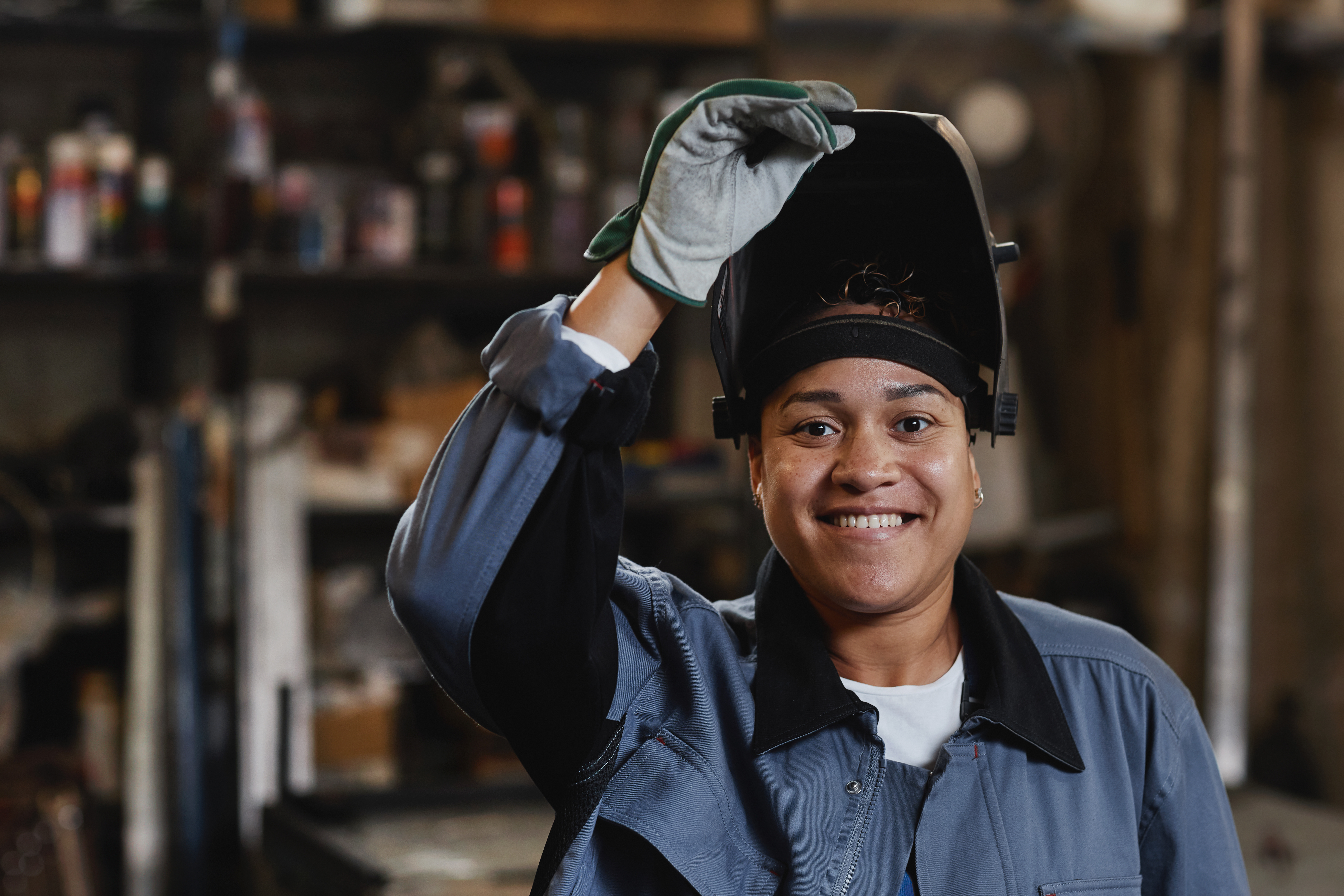
Welding is a highly skilled trade in New Zealand.
What does a welder actually do?
Welding is much more than just joining two pieces of metal together. It’s a highly skilled blend of science, engineering, and craftsmanship. In New Zealand workshops, you will generally specialise in one or more types of welding techniques:
- MIG welding (Metal Inert Gas): This is the most common form of welding used in manufacturing and general workshops. It is fast, efficient, and perfect for beginners to learn.
- TIG welding (Tungsten Inert Gas): This technique requires high precision and a very steady hand. Specialists use it for thinner metals like stainless steel or aluminium, which are often found in the Kiwi food, beverage, and dairy industries.
- Stick welding (Manual Metal Arc): This is a robust, old-school method used primarily for heavy structural steel and outdoor maintenance work because it can handle harsh environmental conditions.
You will also likely work as a welder-fabricator. This means you read technical blueprints, cut and shape metal components, and assemble structures from scratch.
How much can you earn as a welder in NZ?
Your paycheck in the welding industry grows quickly as you gain experience and certifications.
- Apprentices and juniors: When you are starting out or completing an apprenticeship, you can expect to earn between $25 and $30 per hour.
- Experienced welders: Once you have a few years of solid workshop experience under your belt and can work independently, your rate typically moves up to $30 to $40 per hour, translating to an annual salary of around $75,000 to $85,000.
- Specialised roles and supervisors: If you upskill into high-demand areas like pressure pipe welding or stainless steel fabrication, or move up to a leading hand or workshop supervisor role, you can pull in $45 to $55+ per hour.
Check out job listings on Trade Me Jobs to get up to date wage information.
Pathways to kickstart your welding career
You do not need prior experience to enter the trade, but you do need a solid work ethic and the right training. There are two main pathways to getting your foot in the door:
- The apprenticeship pathway: You can secure a job with an engineering or fabrication company as an apprentice. You will earn money while you learn on the job, working toward a New Zealand Certificate in Engineering Fabrication (Level 4). Industry organisations like Competenz help manage these trade apprenticeships.
- The pre-trade course pathway: If you want to build up your confidence and learn basic techniques before applying for jobs, you can enrol in a full time pre-trade course at a local polytechnic or private training provider. These typically award you a Level 3 Certificate in Welding and give you a massive advantage when looking for an employer.
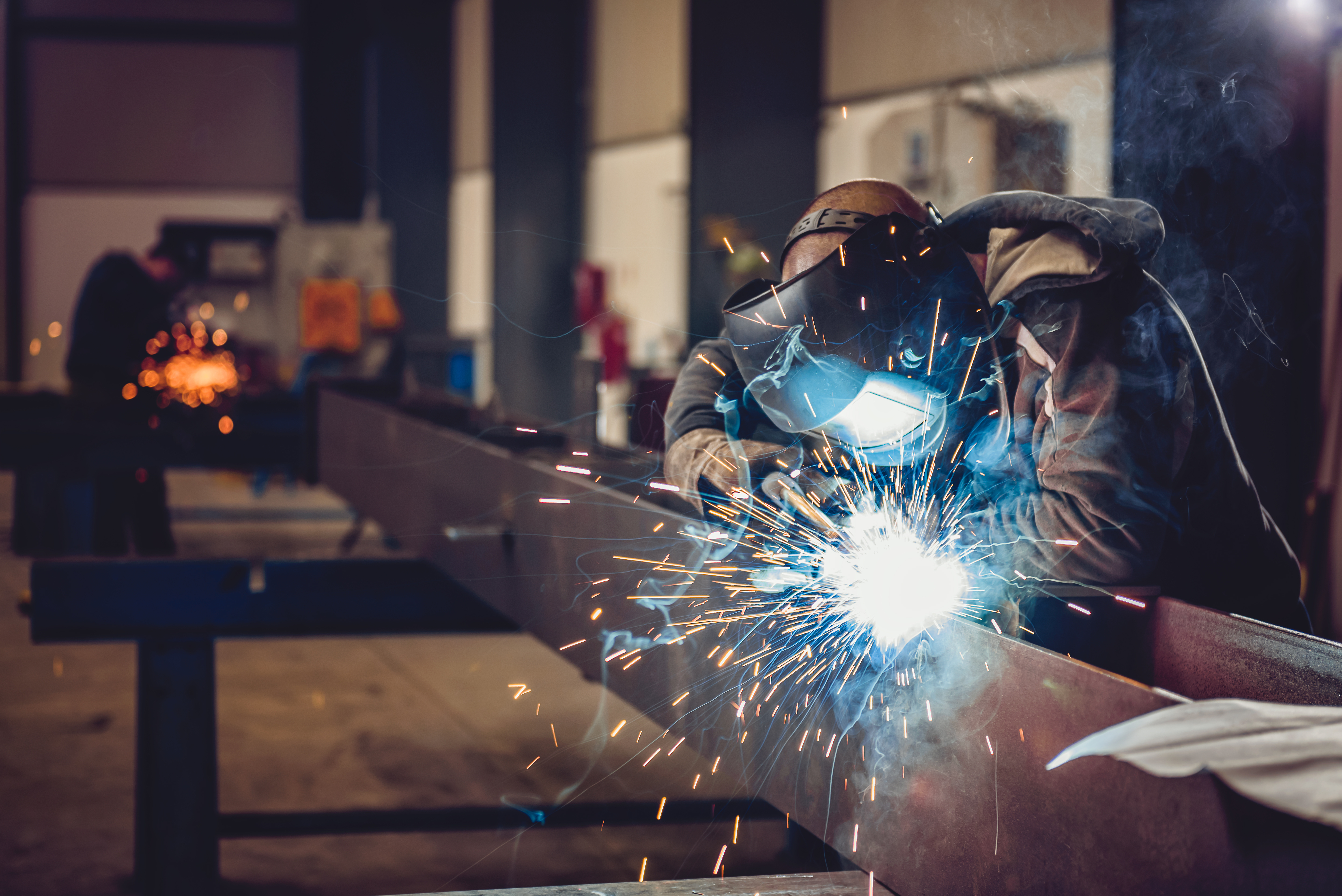
You can take dedicated welding courses to learn the tricks of the trade.
Top welding courses and training providers in New Zealand
To help you find the right place to train, here are some excellent training providers in NZ:
- NZ Welding School: Offers practical Level 3 certificates from their Auckland-based Wiri campus, which include free safety gear and dedicated job placement assistance.
- Welding Academy Christchurch: Delivers top-tier, Category 1 NZQA-approved full-time courses in Canterbury designed to get you completely work-ready.
- Southern Institute of Technology: Offers fantastic engineering and welding courses across their Southland and Otago campuses, keeping you close to thriving regional industrial hubs.
Essential skills you will build along the way
Entering the welding trade teaches you far more than just how to strike an arc. The skills you develop are highly transferable and globally respected:
- Technical precision: You will learn to interpret complex blueprints and engineering drawings, making precise mathematical calculations for cuts and angles.
- Material science: You will gain a deep understanding of metallurgy, knowing exactly how different metals react to heat and stress.
- Safety leadership: Welding involves working with extreme heat, gases, and heavy machinery. You will develop an uncompromising safety-first mindset that is highly valued by employers in any industry.
- Problem solving: No two fabrication jobs are exactly the same. You will constantly troubleshoot distorted metal, tricky angles, and unexpected equipment issues.
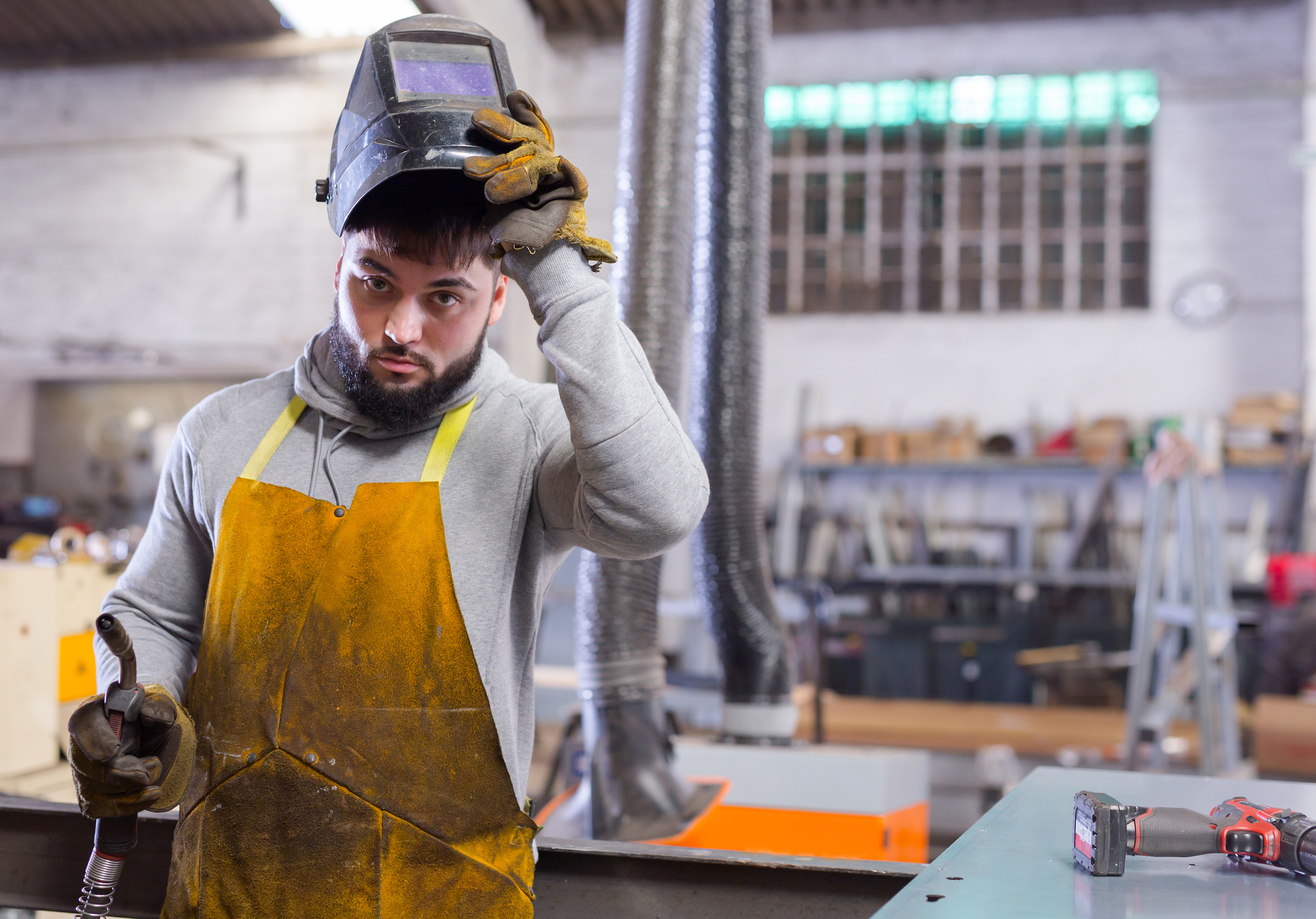
You can find welding jobs across the country.
Where the sparks are flying: in-demand regions
While welding jobs are available everywhere, certain regional hotspots offer massive opportunities:
- Christchurch: Major infrastructure works, structural rebuilds, and a booming manufacturing sector mean Canterbury is always shouting out for skilled fabricators.
- Auckland: Commercial high-rises, residential developments, and massive industrial workshops in South Auckland create a never ending stream of open roles.
- Regional New Zealand: Do not overlook regions like the Waikato, Taranaki, or Southland. These areas are powerhouses for the dairy, food processing, and marine engineering sectors, which rely heavily on high precision stainless steel and pipe welders.
Ready to fire up your new trade career?
Welding is a dynamic, rewarding career path that rewards hard work with great job security, solid pay, and the satisfaction of building tangible things that last. Whether you choose to jump straight into an apprenticeship or jumpstart your journey with a regional training course, there has never been a better time to get involved in the Kiwi trades.
Start searching for your next role on Trade Me Jobs today and secure your spot in a high demand industry.
Author

Other articles you might like


