Buying guide
Reverse mortgages: The retiree's guide
A reverse mortgage could be a great way to access funds later in life, but there are a few things to know first


Thousands of older Kiwis have the same problem. They own property and have plenty of equity but their cash savings aren’t enough to cover their living expenses in retirement.
A reverse mortgage is one possible solution.
If used wisely these loans can help people live a more comfortable retirement, if not they can quickly deplete home equity and cause serious financial difficulties later in life. Here’s everything you need to know to make sure you don’t get caught out.
How does a reverse mortgage work?
Reverse mortgages allow people over 60 to borrow cash up front against their home. Unlike a regular mortgage, reverse mortgages require no repayments at all until you pass away or sell your property - your loan will then be repaid with the proceeds of the property sale.
In the meantime, you’ll still own your home and you’re free to live in it for as long as you’d like.
Payments are usually received in a lump sum, but some lenders offer regular monthly repayments, or a line of credit (where you access funds as you need them). These loans can be for anything you like, but they’re often used for big ticket items like travelling, car upgrades, healthcare, home maintenance - or to simply cover everyday living costs.
Who can get a reverse mortgage?
To be eligible for a reverse mortgage you and your property must tick a few boxes:
Be 60 years of age or older.
Own a home mortgage free. Some lenders will consider borrowers with small mortgages (any existing mortgage will be paid off by your reverse mortgage).
The property must be worth at least $250,000.
The property must be a residential home of conventional construction, in good repair.
Some location restrictions apply to properties. The home may have to be in an area with a big enough population to ensure resale is possible.
The property you’re borrowing against can be either your primary residence or a secondary property, such as an investment. Different lending criteria may apply to investment properties.
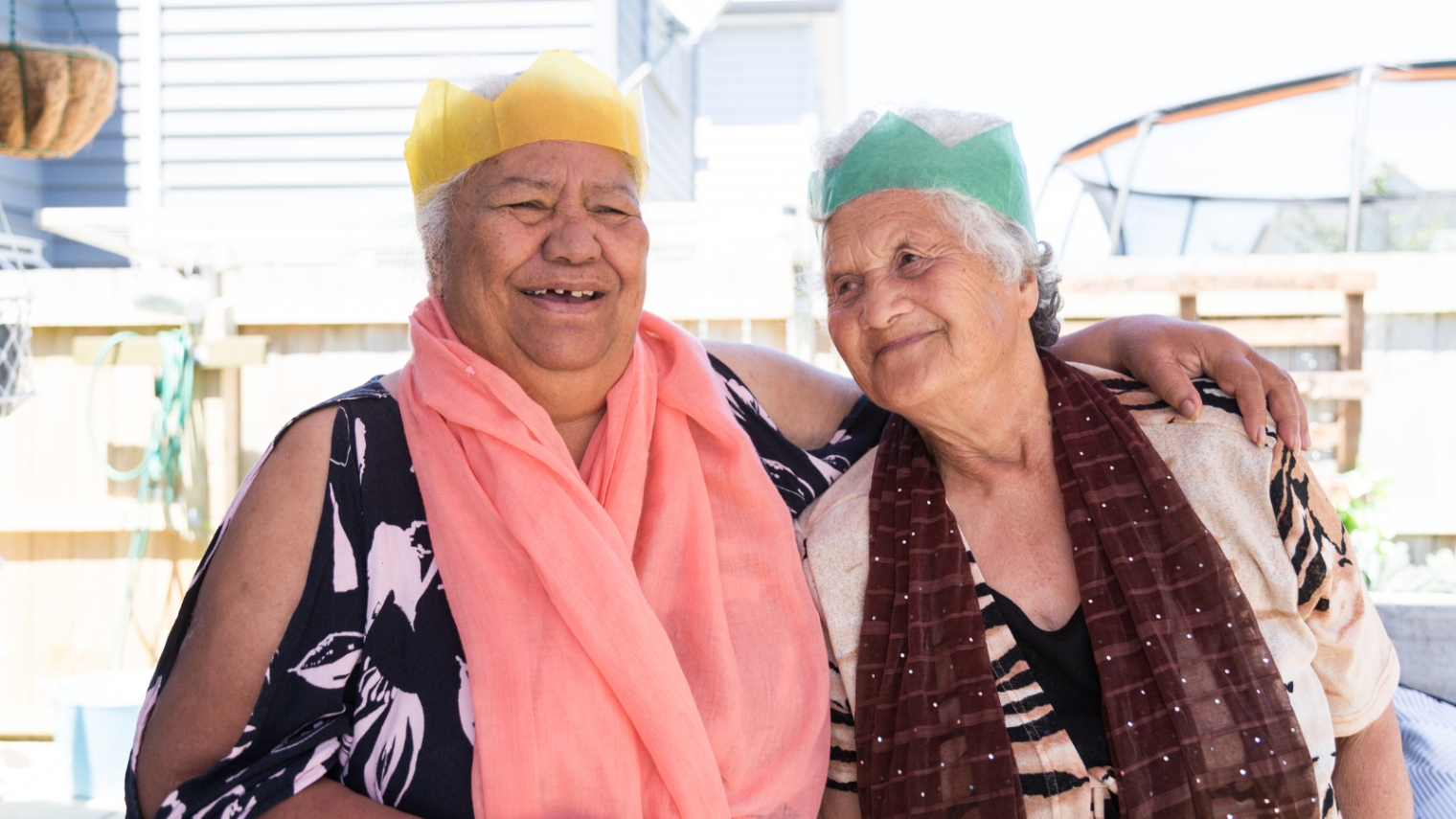
Reverse mortgages can be risky and expensive.
How much can I borrow with a reverse mortgage?
The amount that you can borrow with a reverse mortgage will depend on your age and the value of your property. Heartland Bank, which does a lot of reverse mortgages, estimates the maximum amount you can borrow like this:
Age of the youngest borrower is 60 - Up to 20% of home’s value available.
65 - 25%
70 - 30%
75 - 35%
80 - 40%
85 - 45%
90 - 50%
Using these guidelines, if you were 65 and owned the average property in New Zealand, worth $864,350 (Trade Me Property), then you’d be able to borrow $172,870, for example. If you applied 20 years later and your property was worth the same amount you’d be able to borrow $388,958.
How much do reverse mortgages cost?
Reverse mortgages don’t come cheap. If you secured a reverse mortgage with Heartland Bank, for example, you could be charged $1,750 for simply setting up the loan (that’s not including any optional fees you may be charged).
These loans also have high, floating interest rates that are often close to 9% and can change at any time. Interest is calculated daily from the day you draw down or access the loan, then added to the loan monthly. Because you’re not making any repayments, the amount of interest you owe can increase FAST.
Example of the interest cost of a reverse mortgage
Age of borrower | Value of home (3% annual growth rate) | Loan balance | Equity remaining |
60 | $864,350 | $150,000 | $714,350 (82%) |
70 | $1,161,614 | $354,795 | $806,819 (71%) |
80 | $1,561,112 | $729,906 | $466,253 (53%) |
90 | $2,098,004 | $1,799,596 | $113,055 (14%) |
In this example, if you were to borrow $150,000 at 60 the value of your loan would exceed the value of your house by the time you were 91 (assuming an interest rate of 8.64%, and an annual value growth rate of 3% for your home). In other words, if you took this loan and lived past 91 without paying any off you would have zero equity left - and no property to pass on to the next generation.

If they're used wisely reverse mortgages can be useful tools.
What are the downsides of a reverse mortgage?
Reverse mortgages can be a great way to unlock funds for retirement, but as demonstrated above, they can be expensive and risky.
Interest rates are high and interest compounds, so small loans can quickly balloon in size. This may make financing a care home or a comfortable lifestyle difficult later in life.
You may have to pay upfront costs to establish the loan, like valuation fees and legal fees. These may cost several thousands of dollars and can be added to the loan (but this should be avoided if possible).
You’ll have to continue to pay to maintain the home, which may be expensive. You’ll also have to continue paying insurance on your home.
These loans require you to occupy the home and the lifetime occupancy guarantee only applies to those named on the loan agreement, according to Consumer NZ. That means if you pass away or move into care, your partner may not be able to stay in the home if they’re not in the agreement.
If property prices decrease late in your loan term you could be left with negative equity in your home, which could limit your options.
Interest rates on these loans are usually floating, which means they could go up or down at any time. A 9% interest rate now could easily be 10% or 11% in time.
Owners won’t usually be able to rent out their home, to go travelling or visit family for long periods because the home must be sold as soon as the owner moves out.
All of these expenses can make it difficult to live comfortably later in life and may limit the size of the inheritance you can leave loved ones when you pass away. These risks should be considered in detail and you should always seek advice from an impartial financial advisor before securing a reverse mortgage.

A reverse mortgage may be able to help you unlock the lifestyle you want.
How to protect yourself when taking out a reverse mortgage
If you’re smart, don’t borrow more than you need and take a few precautions, a reverse mortgage can be a useful financial product. Here are a few ways you can protect yourself and ensure your loan doesn’t limit your options later in life.
Ensure your reverse mortgage contract includes the following:
Lifetime occupancy promise: this means that the bank cannot force you to sell your property unless you die or choose to move out.
Loan repayment promise: you are not required to make any repayments until the end of the loan (but you can choose to).
All of the property’s occupants’ names on the contract: if one occupant of the property passes away and the other is not on the loan contract, the bank may be able to force them to move out so they can sell the property. To avoid this, make sure all occupants of the property are on the loan contract.
No negative equity guarantee: this clause ensures that if the value of your loan exceeds the proceeds from the sale of your property, the bank cannot claim the rest of your estate (such as investments, bank accounts, cash etc). They are only able to claim the proceeds of the sale.
Some lenders also offer an equity protection option, which lets you protect a certain percentage of the equity of your home when it’s sold (up to 50% for Heartland Bank). When your loan is repaid you or your estate are guaranteed to receive the protected equity.
Don’t borrow more than you need
While it may be tempting to take whatever the bank will lend you, you should only ever borrow the bare minimum. If you need $25,000 to fix your home, or pay a medical bill don’t take $100,000 - even if your lender offers it.
It may also be a good idea to choose a progressive drawdown option, instead of a lump sum if possible. That’s because if you draw down a lump sum, interest will be calculated on the entire amount right away, whereas if you go with a progressive drawdown, interest will only be calculated on the money you’ve spent.
Seek independent legal advice
We highly recommend seeking advice before you sign a reverse mortgage loan contract. You should speak to a lawyer and a financial adviser with specific experience in reverse mortgages to make sure that you fully understand the implications of what you’re doing.
At any stage if you have a disagreement with your bank, or feel they’ve treated you unlawfully you can complain to the New Zealand Banking Ombudsman Scheme. They can provide advice to both you and your bank and recommend how your complaint should be resolved.

Always seek advice before taking out a reverse mortgage.
Alternatives to a reverse mortgage
A reverse mortgage should be a last option, when you’ve considered all other alternatives. Before you apply for a reverse mortgage Consumer NZ recommends that you consider:
Downsizing your home: purchasing a cheaper, smaller property to free up cash and reduce expenses.
Subdivide or cross lease your section to free up cash or provide an income.
Finding ways to make extra income, such as taking in a border, or renting a room out on Airbnb.
Selling part of your home to your family to free up cash. Make sure you seek legal advice before doing this.
As you approach retirement it’s always a good idea to seek independent financial advice before taking out any loans or reverse mortgages. A good financial advisor can help you figure out how much you’ll need for retirement, suggest investments and saving tips to help you get there.
How to apply for a reverse mortgage
If you’ve done your research, gotten independent financial advice and you’d like to apply for a reverse mortgage you can usually apply for them online, or by contacting your bank and filling out an application form. Reverse mortgages are a fairly new financial product in New Zealand, so Heartland Bank and SBS Bank are the main providers.
DISCLAIMER: The information contained in this article is general in nature. While facts have been checked, the article does not constitute a financial advice service. The article is only intended to provide general information about reverse mortgages in New Zealand. Nothing in this article constitutes a recommendation that any type of loan is suitable for any specific person. We cannot assess anything about your personal circumstances, your finances, or your goals and objectives, all of which are unique to you. Before making decisions about a reverse mortgage, we highly recommend you seek professional advice.
Author



Search
Other articles you might like


