Buying guide
Your Summer Home Maintenance Checklist | Tips From Auckland Experts
Pool - ready. Gutters - clean. Bugs - gone. House - sorted.


AI summary
Get your home ready for summer with this essential maintenance checklist. Start by cleaning your roof and gutters to prevent water damage from summer downpours and washing the exterior.
Prepare your outdoor living areas by washing decks, servicing the pool, and trimming overgrown trees. It's also a good time to service your heat pump for efficient cooling.
Finally, check for hidden water leaks and manage pests by keeping areas clean. Book tradies early to avoid the holiday rush.
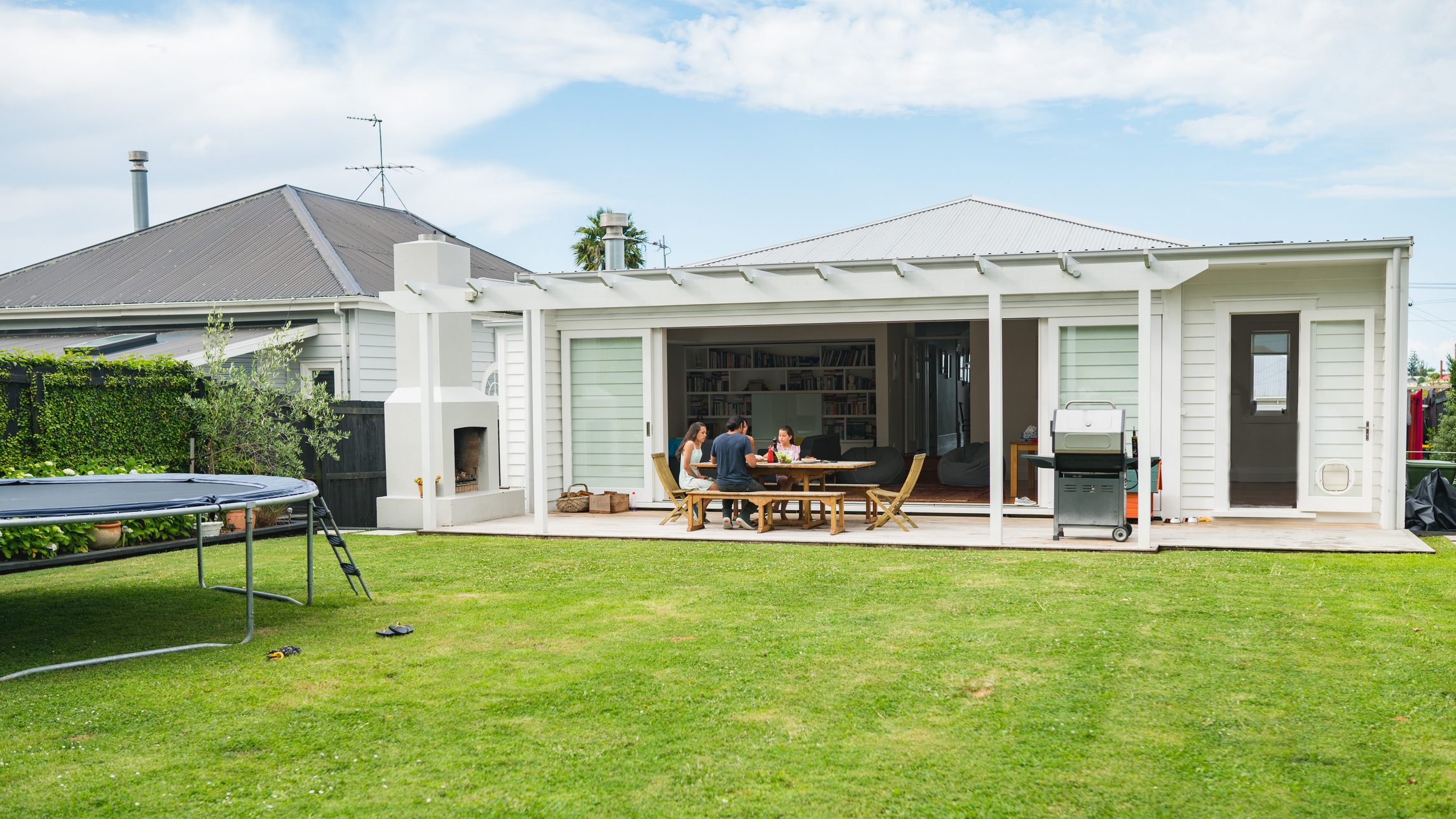
Summer’s for getting sunburnt at the beach and burning the sausages on the barbecue, not chasing tradies.
That’s why it’s worth sorting your home maintenance out in November and December - before cyclone season, summer sun, and holiday laziness hit. Do it right and summer will be even more chill and you could save several thousand dollars down the road. Here’s what you need to tackle, from roof and gutters down to the lawn.
Start at the top: Clean roof and gutters
Winter leaves its mark on the outside of your home. Moss, mould and lichen creep across roofs and cladding, and gutters fill with leaves. Luckily, it’s an easy fix:
- Clear gutters and downpipes so summer downpours drain away from the house, instead of onto exterior cladding (or into it).
- Look for cracked or lifted roof tiles, loose flashings and rust spots on iron roofs.
- Check paint and timber window frames. Summer is prime painting season, so book a painter early if you need one.
- Wash the exterior to remove grime and mould before it stains the paintwork.
- If you're not confident at height, stay off the roof. A fall from even a single-storey home can do serious damage.
- Booking a pro can help make sure the job is done right and save you hours or days (plus the cost of renting gear).
TJ, owner of Auckland exterior cleaning company Kleanfreaks, says professional soft washing is often a better option than grabbing the waterblaster out of the garage and trying to tackle the house yourself.
“People see mould and grime on the outside of their house and think a good blast with the waterblaster will sort it. If you don't know what you are doing, too much pressure can lift paint and force water behind weatherboards or in through window frames. With most house washes, it’s the cleaning solution that should be doing the hard work, not the water pressure. We adjust our cleaning methods to suit the cladding rather than just trying to blast everything off.”
Get your outdoor living sorted
Your deck is about to become the busiest room in the house, so give it some attention first:
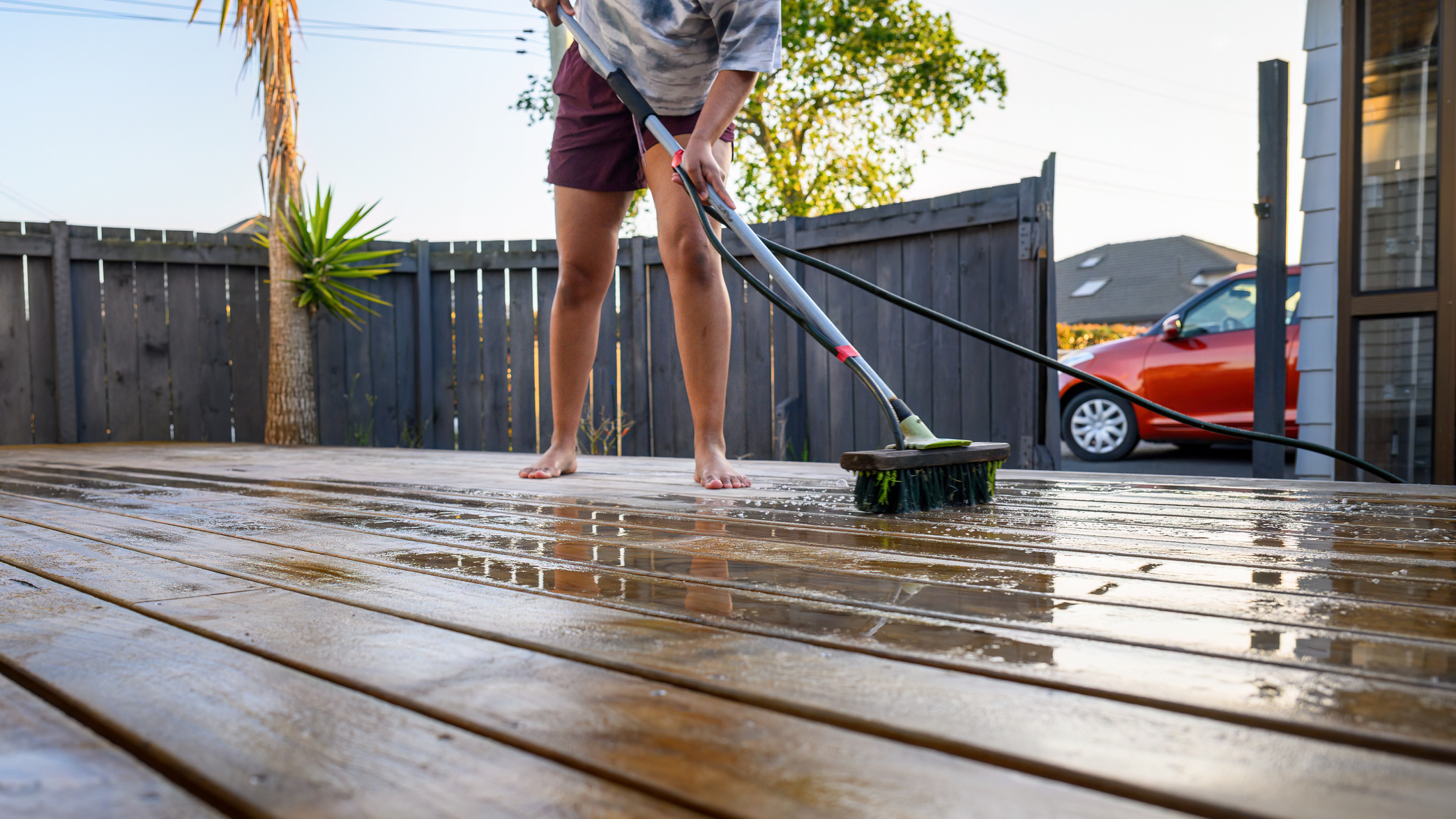
- Wash decks, then re-oil or stain the timber if needed.
- Check for loose or rotten boards, popped nails and wobbly steps.
- Give balustrades a firm push. They need to be rock solid with a crowd leaning on them.
- Clean outdoor furniture and check shade sails and umbrellas after the winter winds.
If you’re like me and haven’t serviced your lawn mower in years, it’s also worth looking at this. It’s easy to do it now - but if it stops going in the middle of summer you’ll be living with knee-high grass for weeks.

Get the pool swim-ready with pre-summer pool maintenance
It’s about to be 30 degrees and 100% humidity. Now’s the time to get the pool ready:
- Shock-dose (superchlorinate) the pool after winter and run the filter 8–10 hours a day once the weather warms up.
- If you’ve got a salt chlorinator, check the cell for scale and make sure it’s actually producing chlorine.
- Skim out leaves, brush the walls.
- Test and balance the water, including pH and chlorine.
- Clean the filter and check the pump and chlorinator are running properly.
- Check the fence and gate. Gates should self-close and self-latch, and nothing climbable should sit near the fence. Residential pools also need checking by an independently qualified pool inspector every three years so book one in ASAP if it’s been a while.
Ashleigh Jackson, Owner of Sparkling Pools, one of Auckland’s best reviewed pool cleaners, says timing matters: "Don’t wait for the first hot weekend. If the pool’s sat over winter, getting the water balanced can take a week or two, and that’s exactly when everyone’s ringing at once. A pre-season service picks up tired pumps, leaking seals and worn chlorinator cells before they fail in the middle of January"
Sort the garden and the lawn
A tidy garden isn't just about looks. Overgrown trees and plants can cause real damage when the weather turns.
- Trim branches overhanging the roof or near power lines before storm season.
- Pull plants and mulch back from your cladding to stop moisture and pests getting in.
- Check irrigation and set it to water early in the morning, when less is lost to evaporation.
- Raise your mower blades. Longer grass copes better with hot, dry spells.
For the patches that never grow properly, artificial turf is worth a look. Jared Schofield, director of Urban Turf Solutions (a business with NZ’s biggest selection of artificial grass) says most people need it in problem spots:
"Shady side yards, under the trampoline, where the dog's worn it bare - that's where people end up mowing dirt every summer. Premium artificial grass means no watering and no mowing, and it looks the same in February as it does in October."
“If you hate mowing the lawn you might want to go 100% artificial - lots of our clients do. It’s easier and it lasts - there’s a seven-year manufacturer’s guarantee.”
Service your heat pump
Your heat pump’s been working hard all winter - time to give it a little attention. You can do most of the service by yourself, including popping filters out and vacuuming them, then rinsing them in warm water - clearing leaves and weeds from your outdoor unit and checking it’s sitting level.
That said, it’s worth getting the pros in once every year or two. A technician will clean the coils and internal parts, check refrigerant levels and spot small faults before they turn into a breakdown on the hottest day of the year. If your unit smells musty, drips water inside or isn’t cooling like it used to, book one now - before the summer rush.
Check stormwater, gas lines, and water usage
Summer is a great time to keep an eye on your water use, pipes and drainage. Heat and dry ground can cause ground movement, putting stress on underground water and gas pipes and potentially creating hidden leaks, high water bills or property damage. Summer storms can also bring heavy rainfall, increasing the risk of surface flooding and putting pressure on stormwater drains. A little preventative maintenance now can save a lot of trouble later!
Joel Eddington, Director at Your Local Plumber, one of Auckland’s most trusted plumbers, says that there are a few simple things you can do yourself to check and maintain gas and water fittings:- Clear the leaves and debris off your stormwater grates, then run a hose into them. If the water’s slow to drain or backs up, there’s a blockage - it’s always best to fix this before cyclone season to stop your house flooding.
- To find hidden water leaks, turn off every tap, note your water meter reading and check it again an hour later. If it’s moved - you’ve got a hidden leak and it’s time to call a plumber that specialises in leak detection & repair.
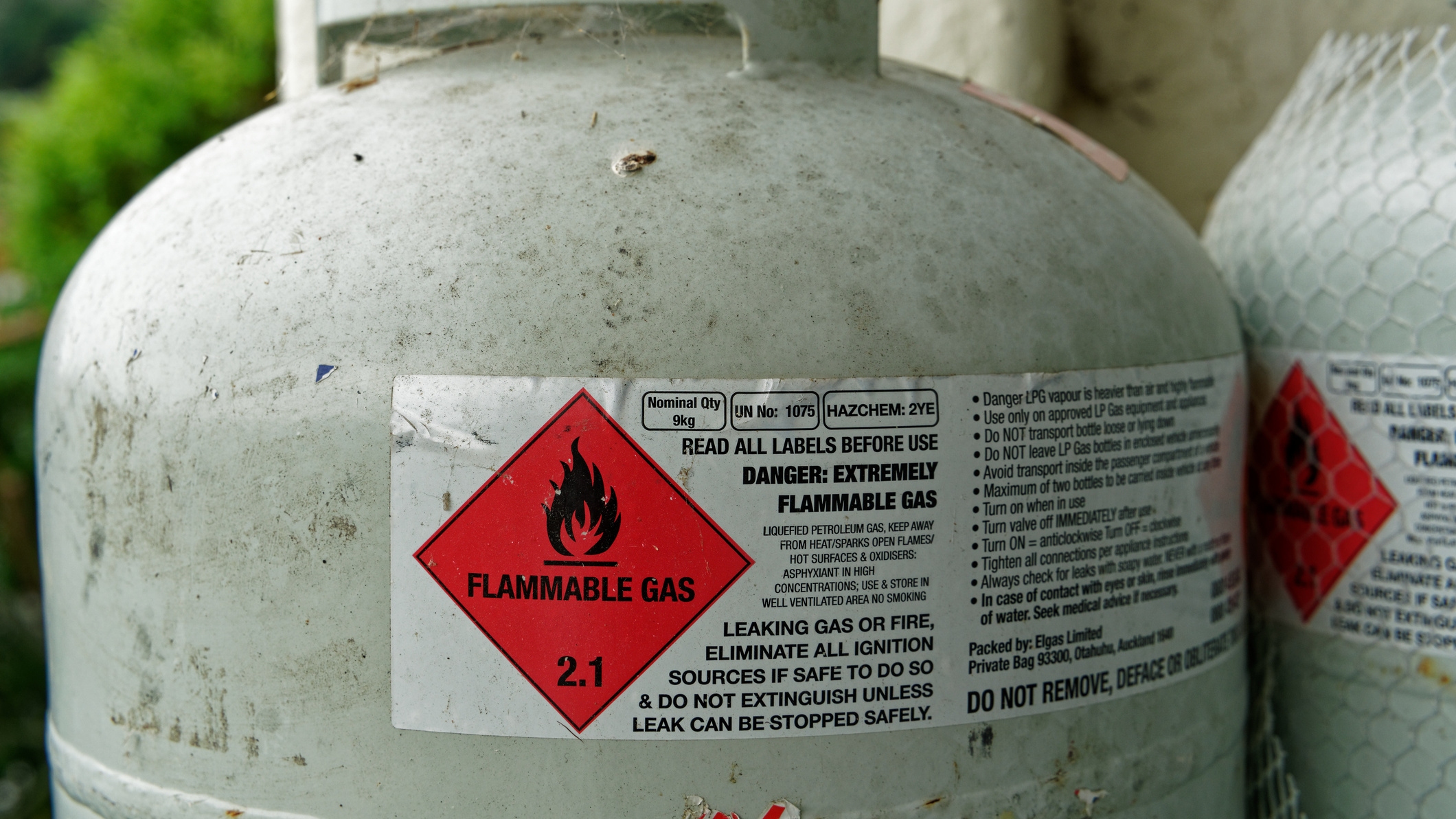
- If you’re on mains gas or have LPG bottles outside, check around the meter, regulator and bottle connections for a rotten-egg smell or hissing. If you ever smell gas inside, don’t touch any switches. Open the windows, get everyone out and call 111.
“If you’re not sure whether you’ve got a leak, a plumber can track it down with leak detection gear, often without the need to rip up floors, walls, driveways or lawns just to find the source” says Joel.
Managing Pests Over Summer
Flies, ants and wasps are a big problem every summer in many Auckland homes (especially if you’ve got a dog or love cranking up the barbecue).
As a homeowner there are a few little things you can do to keep the bugs away:
- Keep food, pet food and household waste stored securely in sealed plastic containers or bins.
- Regularly clean your kitchen and barbecue areas to ensure they are free from leftover food scraps and residue. (ants love a dirty bench).
- Use fly screens to block out summer bugs. Or repair existing torn insect screens.
- If you compost, consider switching to an off-the-ground compost system from your local hardware store.
- Quickly check for wasp nests - these might be in trees, under eaves, sheds, or on fence lines and call a pest control professional if you find one.
Owen Stobart, founder of ACES Pest Control, says sometimes even with the best DIY pest control methods, pests can still run amok in the summer.
“Keeping things tidy makes a difference. But getting rid of pests properly does take a lot of work. If you are struggling to keep them under control, it's best to call someone like us and discuss your best options from our range of child- and pet-safe solutions.
Book early - relax later
There’s a huge rush on home maintenance tradies around December and January - and some are booked solid all the way until February. So get cracking on your DIY maintenance now, figure out what you need help with and book your maintenance trades in ASAP.
Spending a few hours getting things sorted now means you can forget about your house and enjoy the sun while it’s out.
Author
Discover More

Lake views and alpine drama: Queenstown's most jaw-dropping homes
From lakefront Jacks Point to the slopes of Ben Lomond, these homes show why buyers keep clicking on Queenstown.

From armoury to Kaipara home: the Kaiwaka house with a spy story
A former armoury, clad in steel and lined with mataī, is now a three-bedroom home above the Kaipara Harbour.


Search
Other articles you might like